
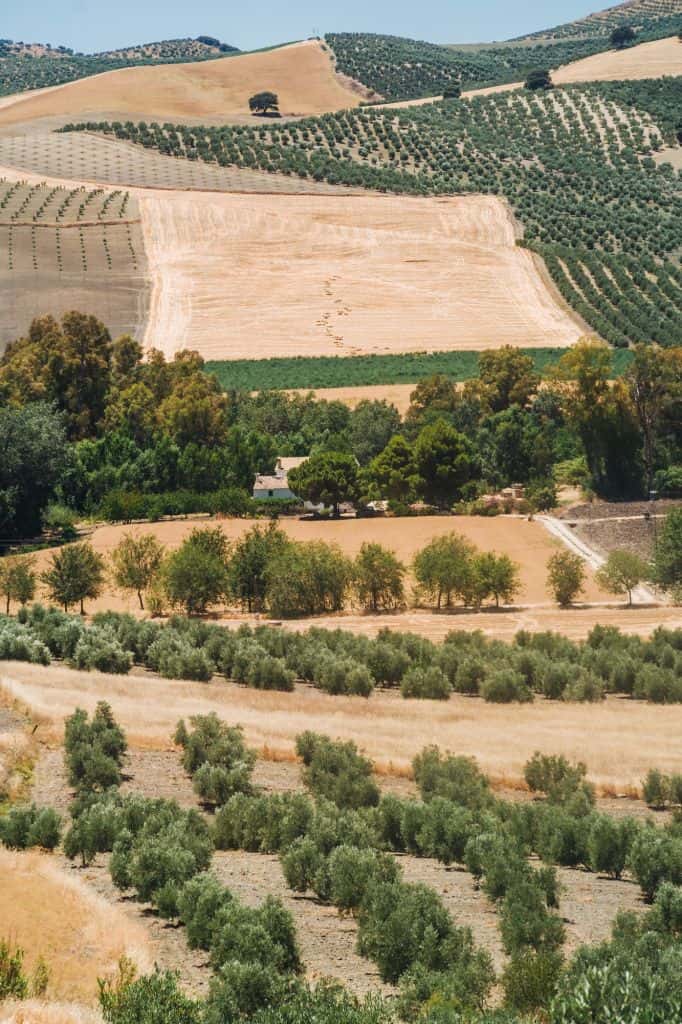
Alentejo Wine Region Guide
Alentejo covers much of southern Portugal between Lisbon and the Algarve. Its hot, sunny plains produce rich, ripe reds and whites, as well as traditional amphora wines known as Vinho de Talha.
- Appellations
- 7 Appellations
- Wineries
- 41 Wineries
- Experiences
- 91 Experiences
- Local Guides
- 4 Local Guides
Explore Appellations in Alentejo


About Alentejo Wine
- Surface
- 26,000 ha
- Soil
- Schist, clay, granite, limestone, marble
- Climate
- Hot, dry Mediterranean with continental influence
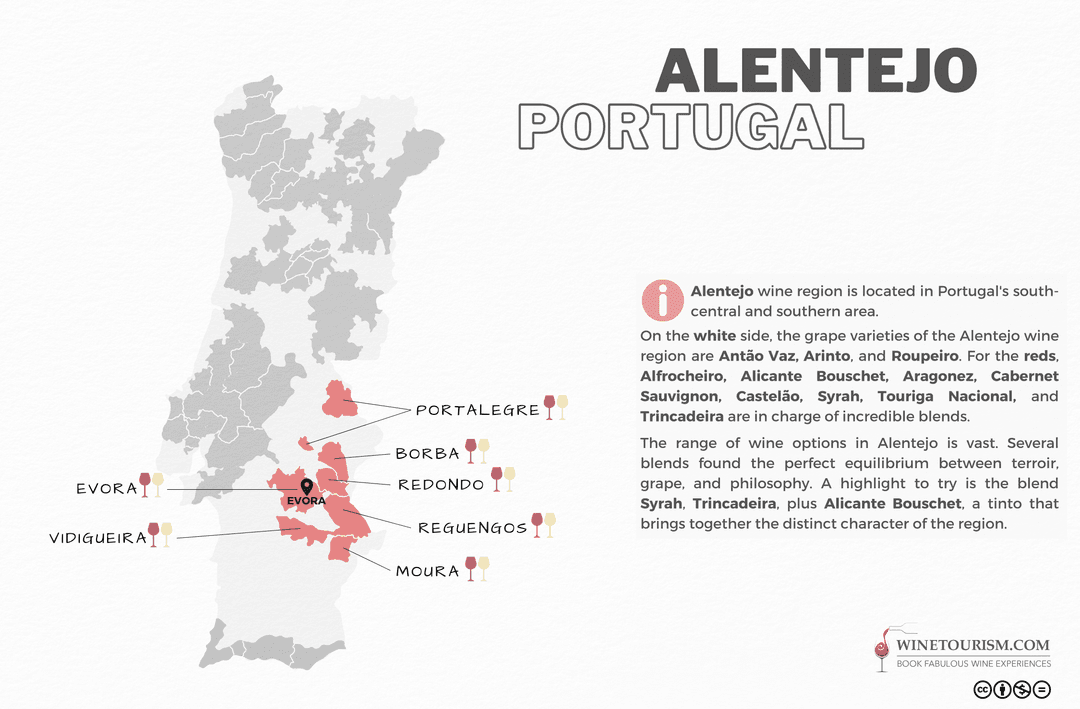
Situated between Algarve and Lisboa regions, Alentejo wine region covers more than 30% of Portugal and it is the largest in the country. Not only is it impressive in size but also in its wine production and living tradition of millenary wines of Talha. The region has eight subregions, each boasting a wealth of mouth-watering cuisines, excellent wine, and tourism experiences that are an absolute pleasure for the senses. From vineyards that stretch as far as the horizon to mountain ranges and beaches, Alentejo has something for everybody.
Travel Guide to Alentejo Wine Region
Learn more about Wine Tastings & Tours in Alentejo, make your selection and we will take care of the rest ensuring you a memorable wine experience.
Explore Alentejo Wine Region through our travel guide:
The millenary wine culture of Alentejo
Wineries with Open Cellar Door
Cultural and exceptional natural spots to visit
Mouthwatering gastronomy of Alentejo
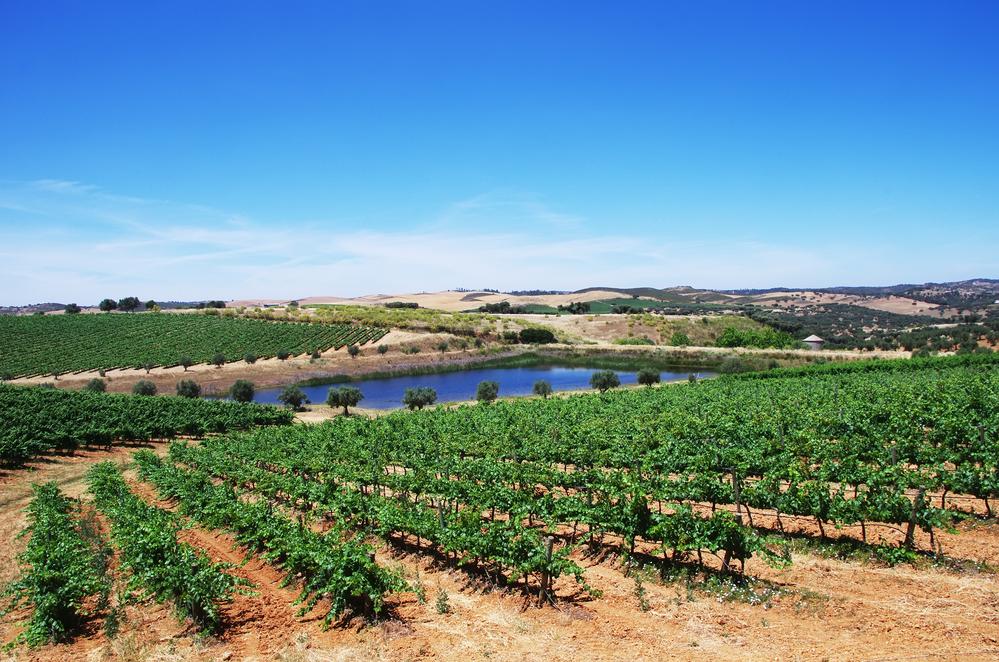
Discover the Millenary Culture of Alentejo Wine Region
Alentejo wine region is the leading producer of excellent and high-quality Portuguese wines in the country.
Alentejo wine region was initially known across Portugal for its cork production. This changed in the 1980s when the European Union provided funding to Alentejo wine cooperatives to produce high-quality wines. The help of EU funding resulted in a renaissance of winemaking in Alentejo and brought innovations to the region that holds millenary wine traditions. Thanks to this, by 2020 the wine region is producing the country’s largest proportion of quality Portuguese wines.
Alentejo Wine Region Map
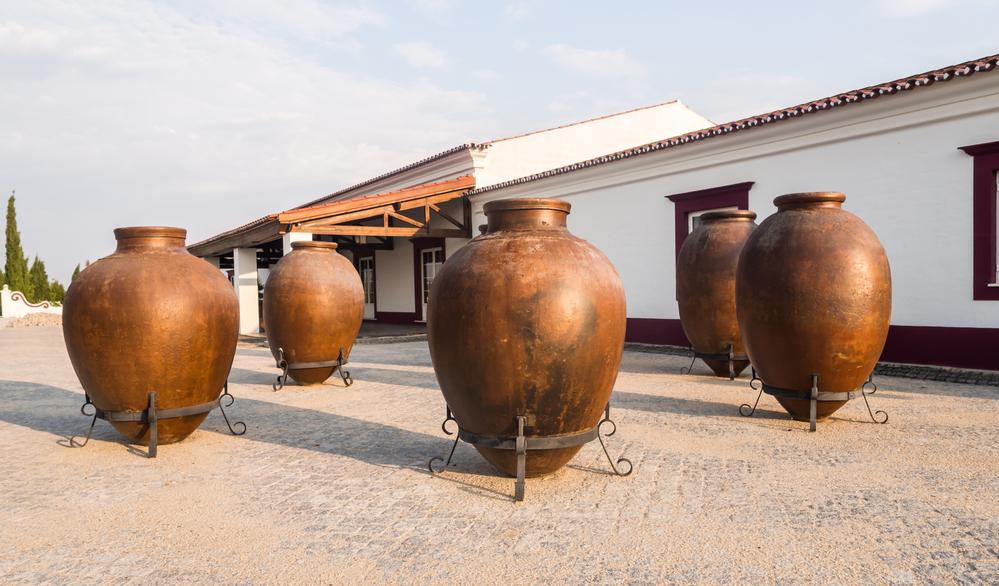
Talha Wine - Living Tradition of Alentejo Wine Region
Sunny villages of the Alentejo wine region shelter the ancient technique of Talha winemaking. Talha Wine is a living tradition, which counts for more than 2000 years. This unique tradition has been handed down from generation to generation and Talha wines are still produced in the same way in clay Amphoras, as in Ancient Romans times. While Georgia is considered to be home to ancient winemaking and amphora wines, Portugal is the only country that has dedicated appellation to only amphora wines.
Vinho de Talha brings natural aromas, minerality, and deep golden color with an orange hue for the white Alentejo wines. As for red Alentejo wines, they display intense purple color and expressive aromas of red and black berries.
What are Alentejo Wines Like?
Alentejo white wines have a firm structure and are full-bodied. These wines are also highly aromatic in flavor. When drinking the white wines of Alentejo wine region one can pick up hints of oranges, lime, lemongrass, lemon, rose, basil, and tangerine. These Alentejo wines are known for having a low level of acidity.
The Alentejo wine region produces a range of white, rosé, and red wines.
The red wines that are produced in the Alentejo wine region are mostly made by blending several different grapes. They can be described as wines that are full-bodied, rich in color, and have the perfect level of acidity. Alentejo red wines have an excellent balance between tannin and alcohol levels.
Alentejo rosé wines are extremely unique in that they have a strong aromatic character. On the palate, these rose wines are smooth and well-rounded. What makes the Alentejo rose wines even more unique is that they are able to be enjoyed while still young. Despite this, they do still age extremely well.
Alentejo wine region produces one sparkling wine which is known as Espumante.
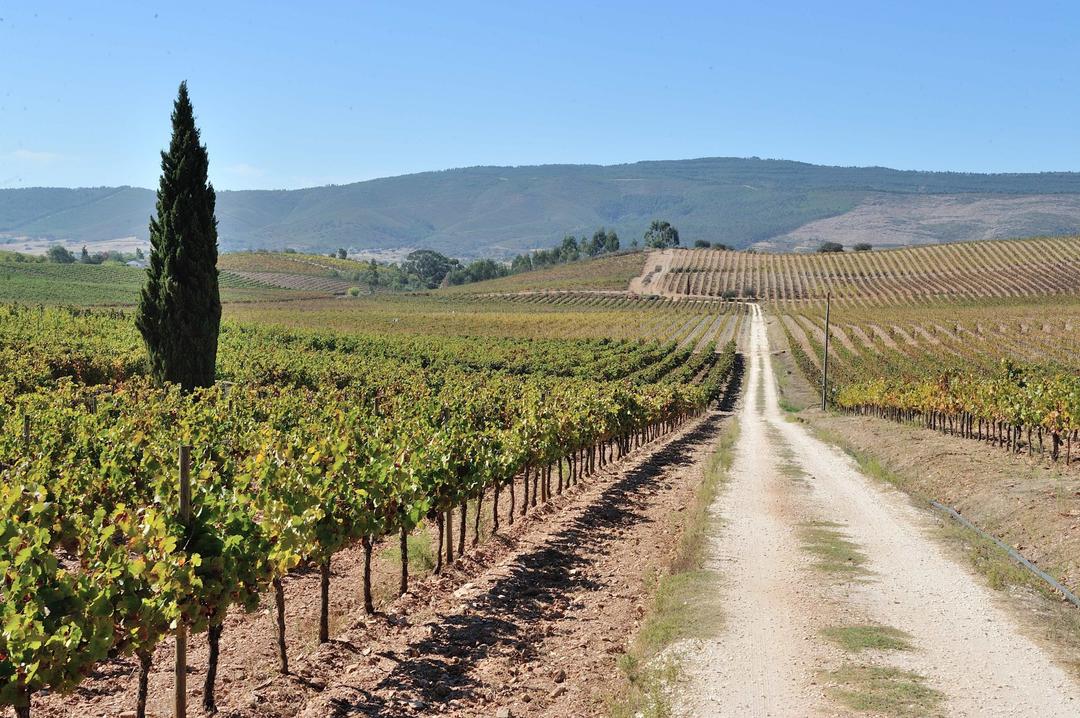
Grape Varieties of Alentejo Wine Region
Red Varieties: Abundante, Alfrocheiro Preto, Alicante Bouschet, Cabernet Sauvignon, Carignan, Baga.
White varieties: Antao Vaz, Arinto, Chardonnay, Fernao Pires, Palomino, Rabo de Ovelha
Top Wineries to Visit in Alentejo Wine Region
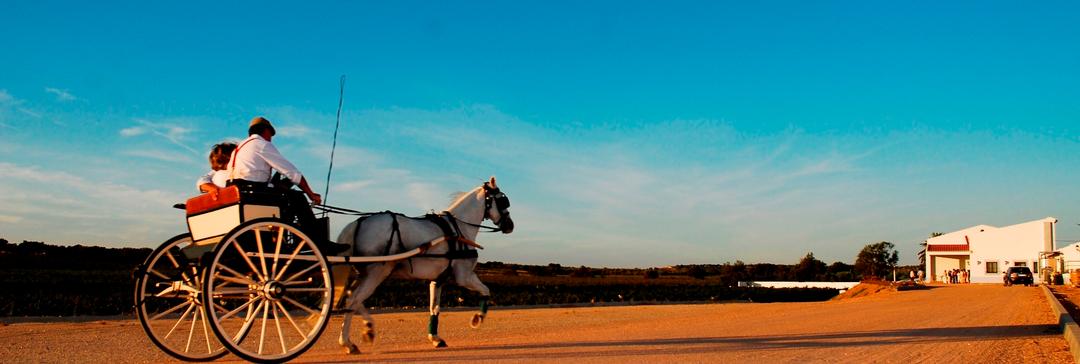
Casa De Sabicos is a family-owned winery in the Alentejo wine region. This winery dates back to the 19th century. Today, the Sabicos family has found the perfect marriage of tradition and modern technology to produce the highest quality Portuguese wines. The Casa De Sabicos wines are internationally recognized and are a testament to the Alentejo terroir and Portuguese winemaking techniques.
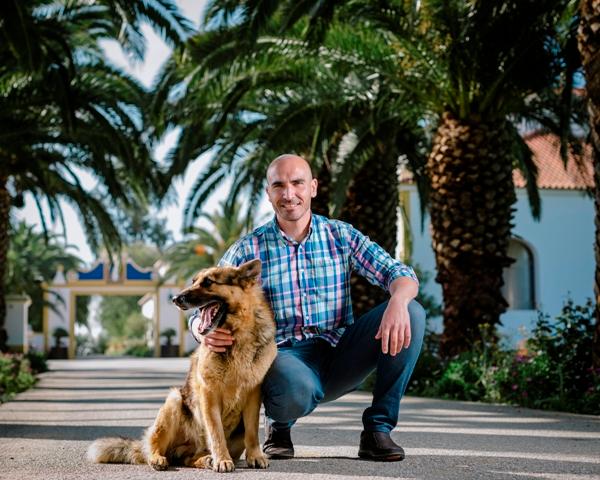
Herdade Da Calada wine estate was founded in 1854 by Australian settlers in Portugal. The estate owns 35 hectares of wines as well as 110 hectares of olive groves. Herdade Da Calada is not only the perfect place to enjoy a traditional Portuguese wine tasting experience, but it also provides excellent accommodation for those looking to extend their stay in the Alentejo wine region.
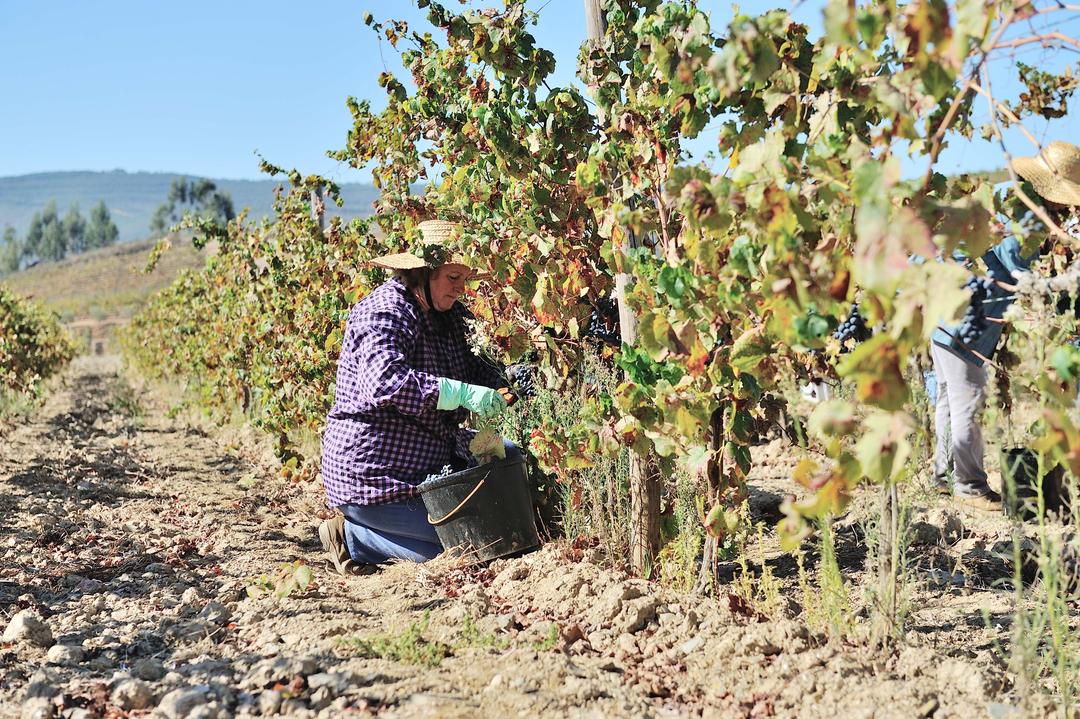
Quinta Do Zambujeiro prides itself on producing high-quality Portuguese wines that are strictly organic. Their wide range of excellent wines is made not only for wine connoisseurs but also for everyday casual wine drinkers. For those who have the pleasure of visiting the Quinta Do Zambujeiro, there is a wide range of experiences to enjoy. These include various tastings of their excellent range of wines and relaxing in the beautiful natural environment.
Have a look at our selection of Wineries in Alentejo with open cellar doors and the greatest hospitality!
Where to Go in Alentejo Wine Region
Evora - Vibrant Centre of Alentejo
The city of Evora is one of the most popular tourist destinations in central Portugal. Evora is dotted with historical monuments that are a feast for visitors. These monuments are evidence of the city’s former importance as a religious and trade center. All of these attractions are perfectly located within the Evora city walls. Although Evora has a rich history, it is by no means stuck in time. The city is home to one of the world’s oldest universities and has a lively, vibrant, and bustling student population.
Evora offers visitors a uniquely Portuguese experience in the Alentejo wine region. The climate is excellent all year round and the number of outstanding restaurants and cafes on offer are endless. This is a must-see town for all who have the privilege of being in Alentejo.
Marvao - One of the Prettiest Medieval Villages of Europe
The village of Marvao is truly a wonder to behold. This medieval village is located on a vast granite escarpment. This location means that has sweeping and breath-taking views across the entire Alentejo wine region. Marvao is considered by many as the prettiest walled village in the whole of Europe.
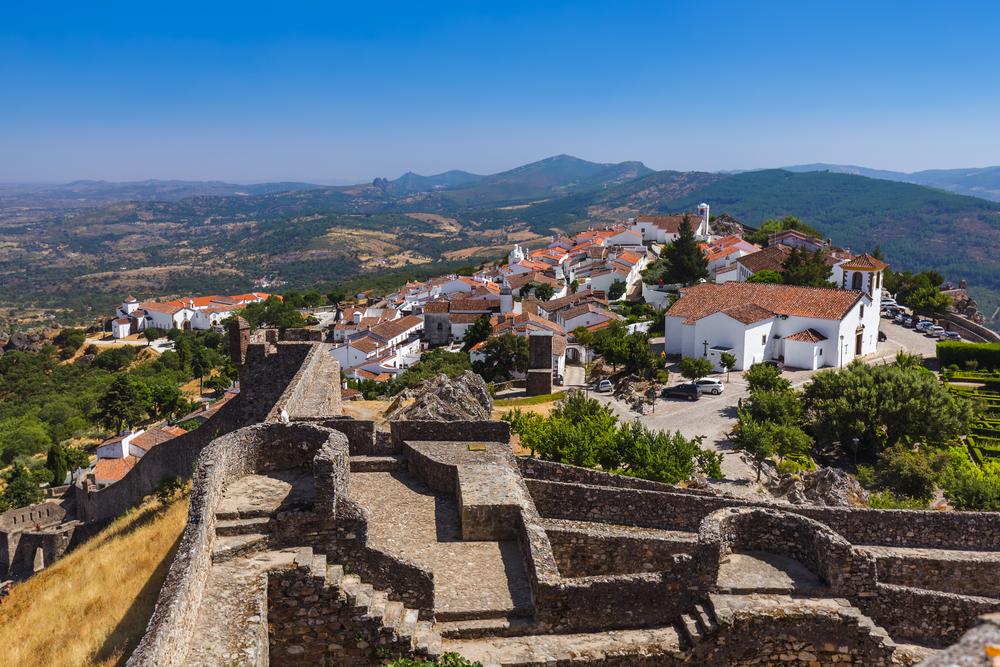
The city walls of Marvao were built in the 13th century and to this day are mainly still intact. Visitors can access the village through a narrow archway that is located near the incredible Jerusalem Chapel. The streets of Marvao are paved with stones and the wind gracefully passed rows of beautiful white-washed houses. These houses leave one mesmerized by their balconies perfectly decorated with rainbow-colored flowers.
The focus of Marvao is the Marvao castle which seems to majestically rise from the granite foundation. Challenge yourself and climb the 865 meters to Marvao for a picture-perfect experience.
Sines - The Hidden Gem of Alentejo
For many visitors to Alentejo, the town of Sines is often overlooked. This is because Sines was always considered as an industrial town with its oil refinery, pipelines, tankers and ships. The truth is that Sines is about far more than this and provides a wonderful experience for all who visit. Sines has become increasingly popular because of its marina that is protected by breakwaters. The marina also provides the perfect place for yachts to anchor. The village of Sines is located on a cliff that overlooks a beautiful and sandy bay. Besides the beach, visitors can enjoy a range of other natural attractions including the Parque Florestal Monsanto, Sagres Point, Ilha da Culatra, Ponta da Piedade and Cabo Espichel.
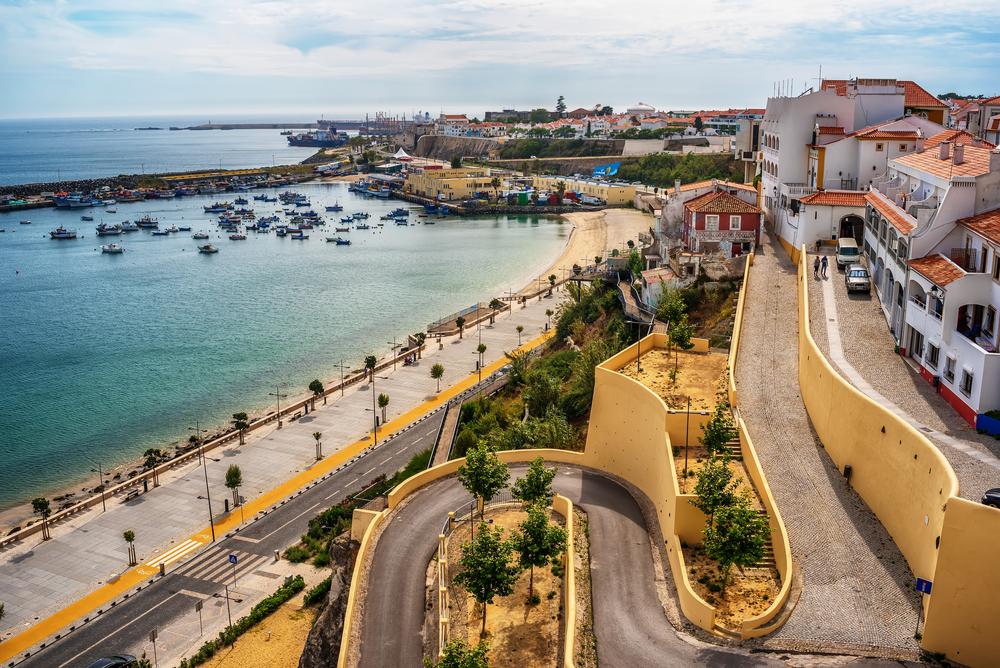
For those who are interested in the rich history of the area, there are a number of interesting historical places of interest including the Lagos town walls, the Cidadela de Cascais, Loule Castle, the Castle of Sao Jorge, Penela Castle and the Fortaleza de Sagres.
The town is Sines has something to offer every visitor and should not be missed on a visit to Alentejo.
Amoreria Aqueduct
UNESCO World Heritage Site
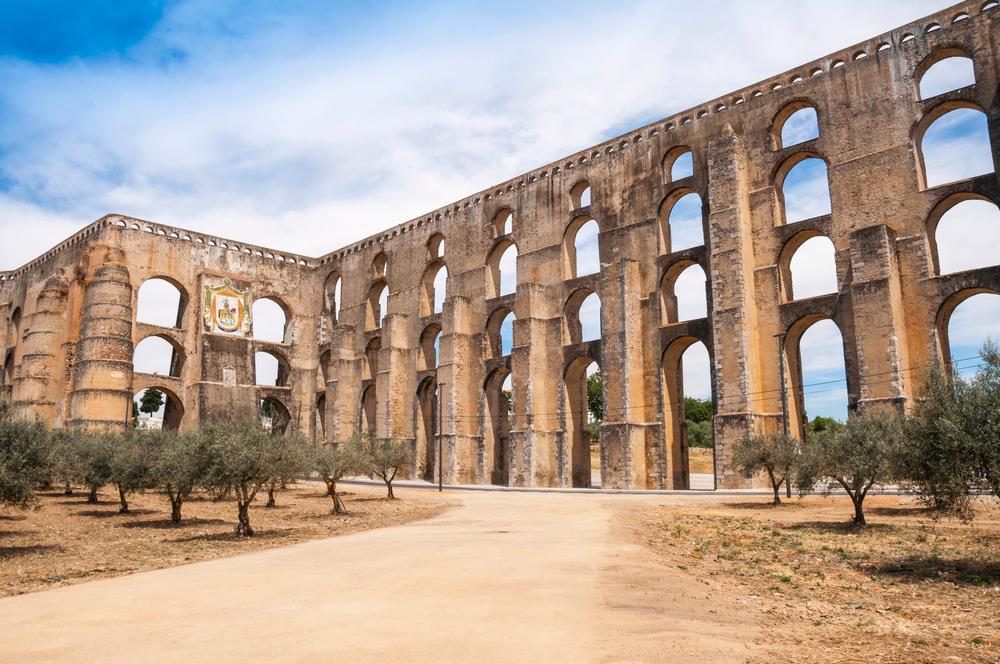
Outside of the incredible winemaking industry of Alentejo, lies the Amoreria Aqueduct – a true wonder to behold. The history of the Amoreria Aqueduct dates back to the 16 century. During this time, the city of Elvas was experiencing a water shortage. In response to this, water was channeled from Amoreira, which lies approximately eight kilometers away. Today, the Amoreria Aqueduct is considered one of the world’s most incredible architectural achievements. The aqueduct has four tiers of arches and is the largest of its kind on the Iberian Peninsula.
Discover the top Alentejo Wine Tour Guides and explore Guided wine tours in Alentejo, a region known for its exceptionalwines
Alentejo Wine Region is Heaven for Nature Lovers
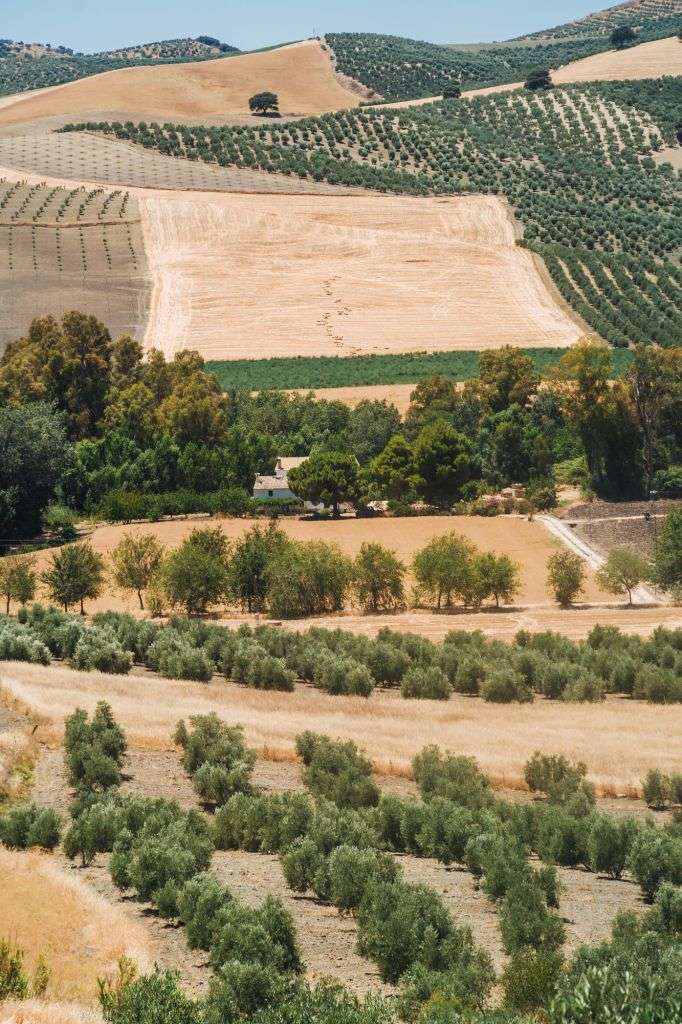
The vast open spaces and the beautiful natural beauty of this wine region provide a range of outdoor activities. Alentejo can be described as an open air and natural playground. The landscape is dominated by sunflowers, mountains, meadows, vineyards, cork trees and olive groves. These provide the perfect habitats for a range of indigenous animals. Nearby the countryside are long stretches of white beaches perfect for water sports and relaxation.
The Serra De Sao Mamede - Escape From City Life
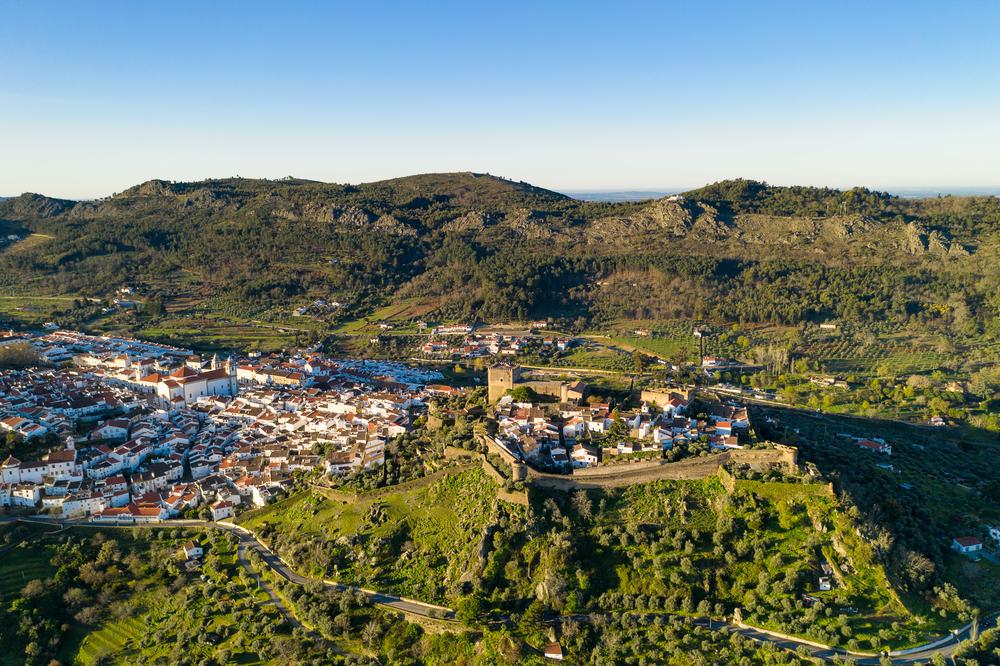
The Serra De Sao Mamede is a mountain range that is located near to Castelo de Vide and Marvao. This part of Portugal is more rural and is perfect for those wanting to escape the city life. Although the Serra De Sao Mamede is not always included on tourist itineraries, it is becoming increasingly popular with those you enjoy hiking, walking and the outdoors. The Serra De Sao Mamede park is approximately 40km wide. It is this mountain range that connects Portugal to Spain. Visitors to Alentejo should not miss the chance to experience the over 30 marked walking and hiking trails. Explore these trails and lose yourself in the beauty of the park’s cork trees, vines, and endless olive groves.
Lose Yourself in the Wonder of Wildlife
Espaco Interpretativo da Lagoa Pequena is a well-known bird watching area near to the town of Sesimbra. This bird watching park provides a network of paths through dense reeds along the Lagoa de Albufera. Along the routes, the paths have a number of bird watching huts and stands. The paths cross bridges and lead you through wooden walkways, all surrounded by peaceful and serene nature. Besides birds, lucky visitors can also catch a glimpse of playful otters in the water. This is a wonderful family-friendly park that is easily accessible.
Grab your binoculars and experience the wonders of nature.
Cabo Sardao - The Sentinel of Alentejo
Cabo Sardao is considered the perfect place to view the land that meets the sea in the Alentejo wine region. The Cabo Sardao is located between the Algarve and Setubal and provides breathtaking views of the Atlantic Ocean. It is a wonderful place to visit to see storks nesting on the rocking cliffs that hang over the ocean. The road to Cabo Sardao might be tricky but it is worth the journey in the end.
Mouthwatering Gastronomy of Alentejo Wine Region
Across Portugal, the Alentejo wine region is known for its diverse, flavorsome cuisine. This region is known for bringing simple ingredients together to provide excellent and tasty meals. Most Alentejo dishes really solely on fresh seasonal ingredients. The base of these dishes is usually pork, lamb, or bread but don’t be fooled – there is something for everyone to enjoy.
Carne de Porco Alentejana
The Portuguese dish famous around the world
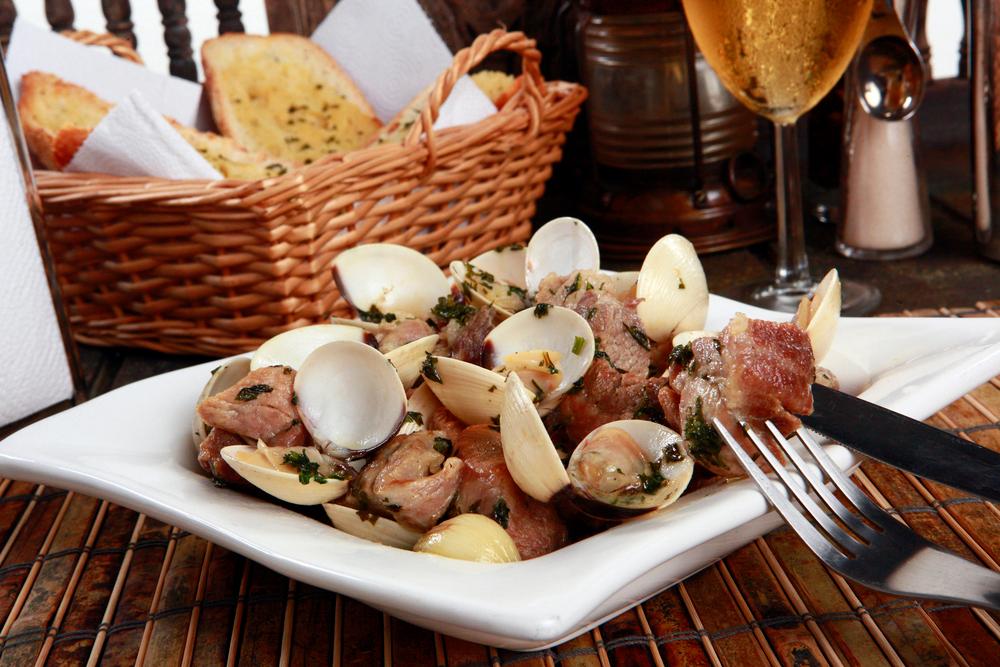
Carne de Porco Alentejana is one of the most famous dishes in Portuguese cuisine. Even those who may never have visited the country might be familiar with this dish as it has become a staple in Portuguese restaurants around the world. The first step in making Carne de Porco Alentejana is to marinate a good cut of pork. Once the meat is well marinated it is fried in a pan with clams and potatoes. This mixture is then soaked in a sauce of spices, garlic and wine. Although Carne de Porco Alentejana originated in the Algarve region of Portugal, it is named after Alentejo because this is where the pork meat used in the dish comes from. Forego your diet for a day and indulge in this delicious and hearty dish.
Mel do Alentejo - Special Nectar from Alentejo
Mel do Alentejo is traditional honey from Alentejo. The honey comes specifically from the Alentejo districts of Portalegre, Beja, and Evora. Mel do Alentejo honey is made from the nectar that is collected from orange blossoms, lavender, eucalyptus, and rosemary. The honey has a complex flavor which is a result of the wide range of plants that can be found in Alentejo. The color of Mel do Alentejo can range from orange to yellow depending on the pollen. The flavor of the honey can be described as rich and strong. So incredible is this honey, that it has won numerous local and international awards.
Sopa de Tomate Alentejana - The Portuguese Gazpacho
Although most people are aware of the gazpacho, many don’t know that Portugal has its own delicious and tasty version of this Spanish dish. Sopa de Tomate Alentejana can truly be described as the taste of Alentejo. This dish is hot tomato soup. Unlike in other tomato soups, the tomatoes are not pureed and are left whole and chunky. A true Sopa de Tomate Alentejana is made with only locally grown Alentejo tomatoes. This dish is the perfect treat for vegetarians visiting the Alentejo wine region.
Plan your visit in Alentejo


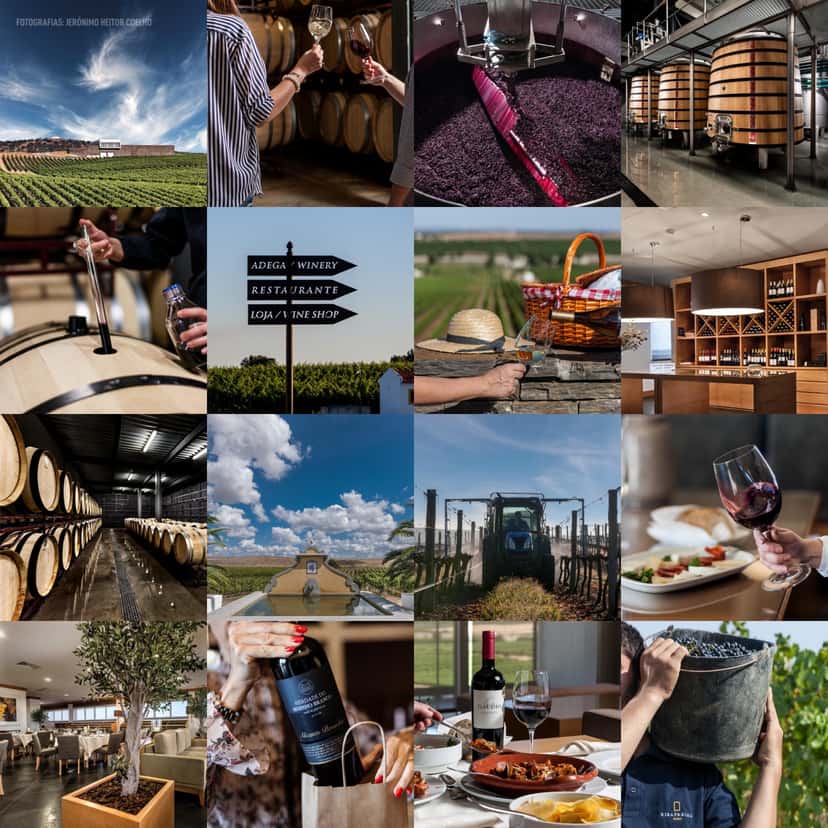


Best Wineries in Alentejo


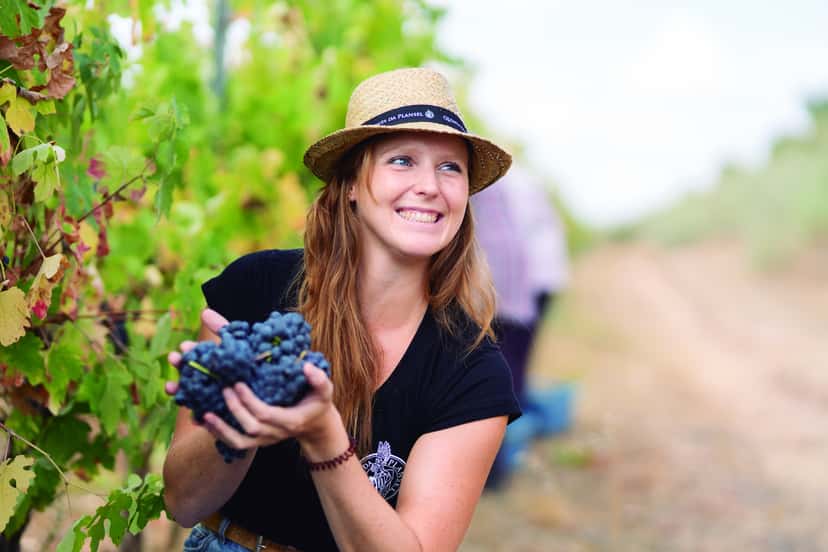

Best Wine Tastings in Alentejo




Tailor-Made For You
Your perfect wine trip, planned for you
Tell us what you're dreaming of and a local wine expert will build a personalized itinerary — no obligation, no service fee.
Cities around Alentejo

Top Rated Local Guides in Alentejo



Frequently Asked Questions
What is Alentejo known for?
What are the main grape varieties grown in Alentejo?
When is the best time to visit Alentejo for wine tasting?
How do I get to Alentejo?
What are the subregions of Alentejo DOC?
Join our newsletter now to receive our free guide on how to plan the perfect wine tour.