
5, 4, 3, 2, 1… Happy New Year! It’s almost time to say goodbye to 2021 and hello to 2022, a year that hopefully will bring all of you health, happiness and a lot of wine! There is actually no better occasion than the New Year’s celebrations to pop a bottle of sparkling wine. It could be a classic Champagne, Cava or Prosecco but if you want to wave goodbye to 2021 or begin 2022 by cheering to less common wines, we got you sorted.
What is sparkling wine?
The definition of sparkling wine reports that a wine can be defined as ‘sparkling’ after it underwent the first or second fermentation of fresh grapes, must or wine. Its main characteristic is the production of carbon dioxide once the bottle is opened; this phenomenon can happen thanks to fermentation.
To be called sparkling, a wine needs to present an overpressure not inferior to 3 bar due to the carbon dioxide. There is no minimum ageing or fermentation period required for a wine to be called sparkling.
Before diving into our choices to help you decide what to pop on 31st December, we want to answer a quite frequent question, what’s the difference between Champagne and sparkling wine?
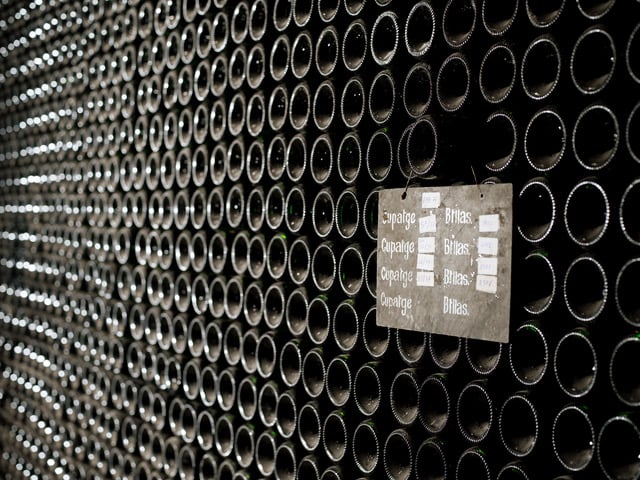
To make it brief, Champagne is a sparkling wine but not all sparkling wines are Champagne. Champagne can only be called with its name if it is produced in the region of Champagne and only if this blend is used: Pinot Noir, Pinot Meunier and Chardonnay. Second, Champagne is made with the Méthode Traditionnelle (Classic Method) which implies a second fermentation of the wine in the bottle.
What is the best sparkling wine?
To be honest, we don’t have an answer to this question because sparkling wines are all unique and all great, because they fully represent the character and terroir of the wine region they’re ‘born’ in.
What we did, was to put together a list of the best sparkling wines for New Year and the regions where you can directly taste them in case you don’t manage to get a bottle in time for the 31st.
Prosecco
Prosecco is the number 1 Italian sparkling wine; its main characteristics are the fruity and floral notes and the many bubbles you can see in your glass when being served Prosecco. Prosecco is made using only one grape variety, Glera, and even though it presents quite of a sweet taste, this sparkling wine is often dry or demi-sec.
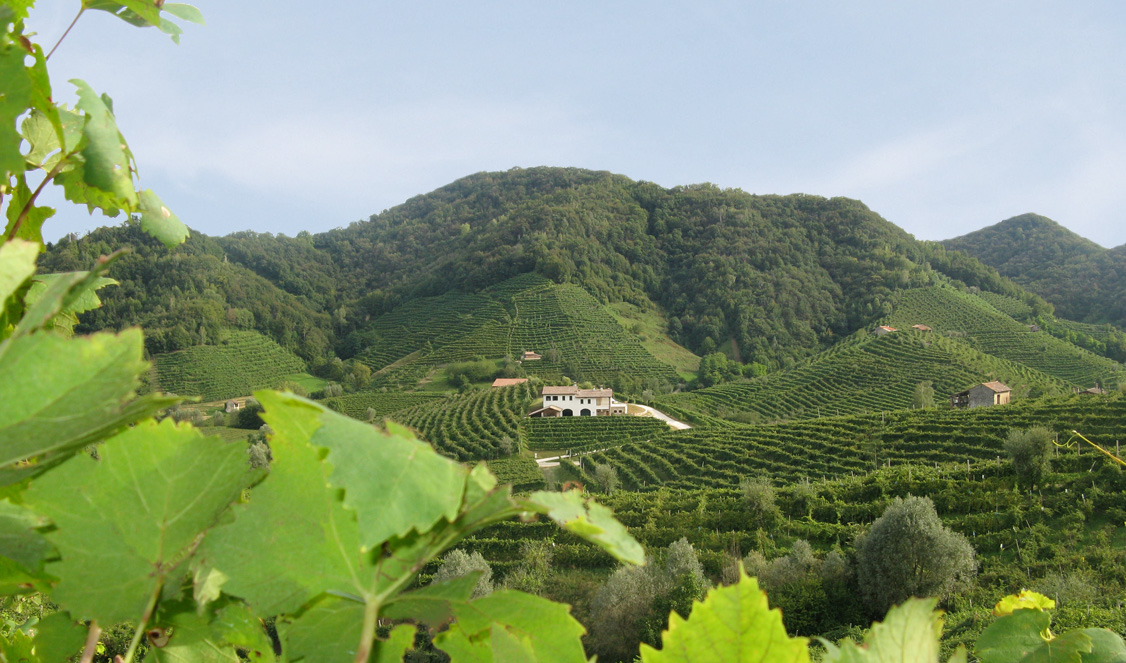
The history of Prosecco began in the hilly area of Conegliano Valdobbiadene, more or less 50km away from the city of Venice. Today, the area of Conegliano Valdobbiadene is classified as a DOCG and in 2019 it was named World Heritage Site by UNESCO. If you are planning on getting a bottle of Prosecco to serve on New Year’s Eve, look for ‘Conegliano Valdobbiadene’ on the label and you’ll be sure that’s a high quality Prosecco.
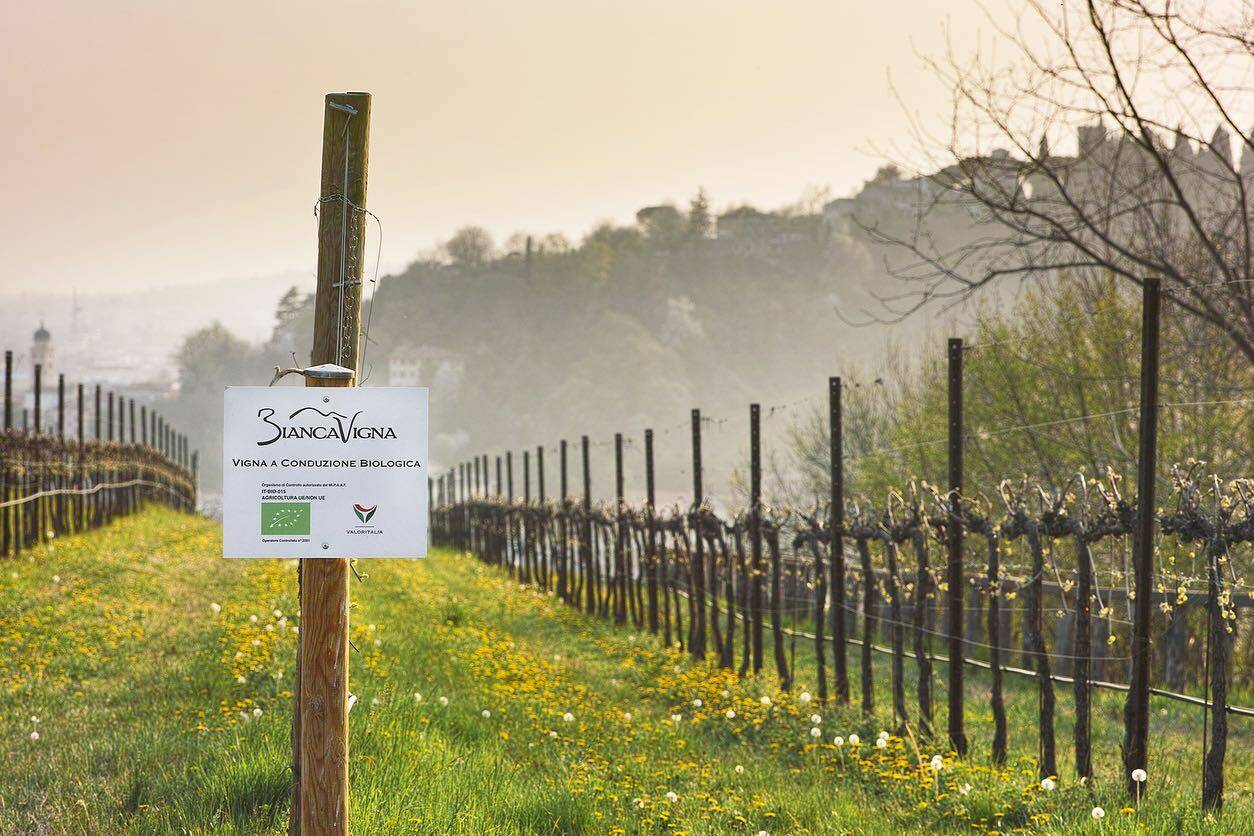
Here are two of our many partner wineries in Conegliano Valdobbiadene where to taste incredible Prosecco:
Franciacorta
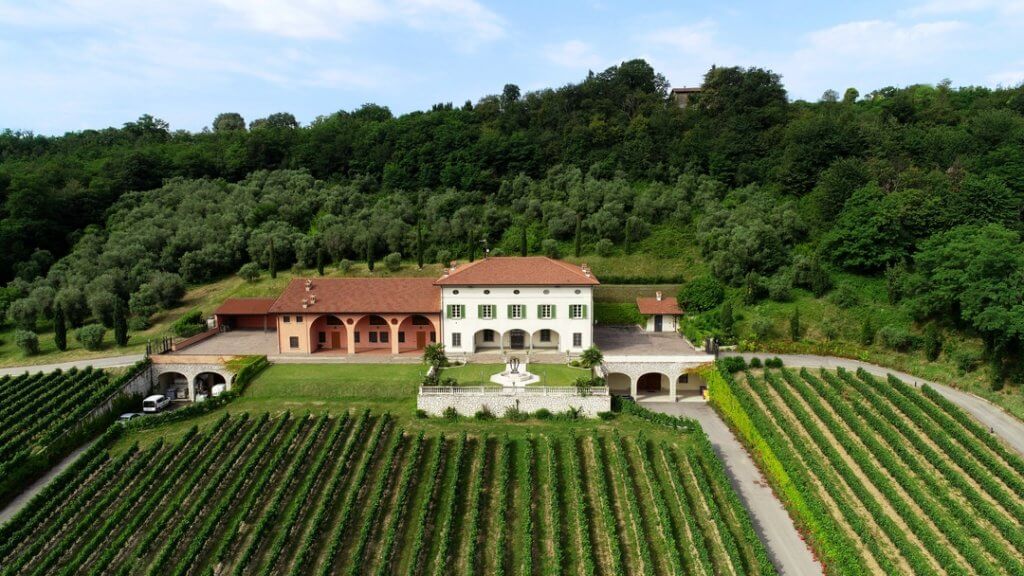
Prosecco is commonly thought to be the Italian Champagne, but to be more precise, Franciacorta sparkling wine should be entitled to have this epithet. Franciacorta is produced in the namesake region of Franciacorta, located in the Lombardy wine region and like Champagne, it undergoes a second fermentation in bottle and is produce following the Méthode Traditionnelle. Also, the blend used to produce Franciacorta is very similar to that of Champagne, just without Pinot Meunier. Chardonnay is the main grape used in this wine’s blend and it brings richness and elegance to it. Pinot Noir is the grape that gives Franciacorta its structure. If you are looking for a less predictable sparkling wine to serve your guests on New Year’s Even, Franciacorta is the right one for you. And if you can’t get a bottle of Franciacorta, put this wine destination on your list for next spring!

Trentodoc
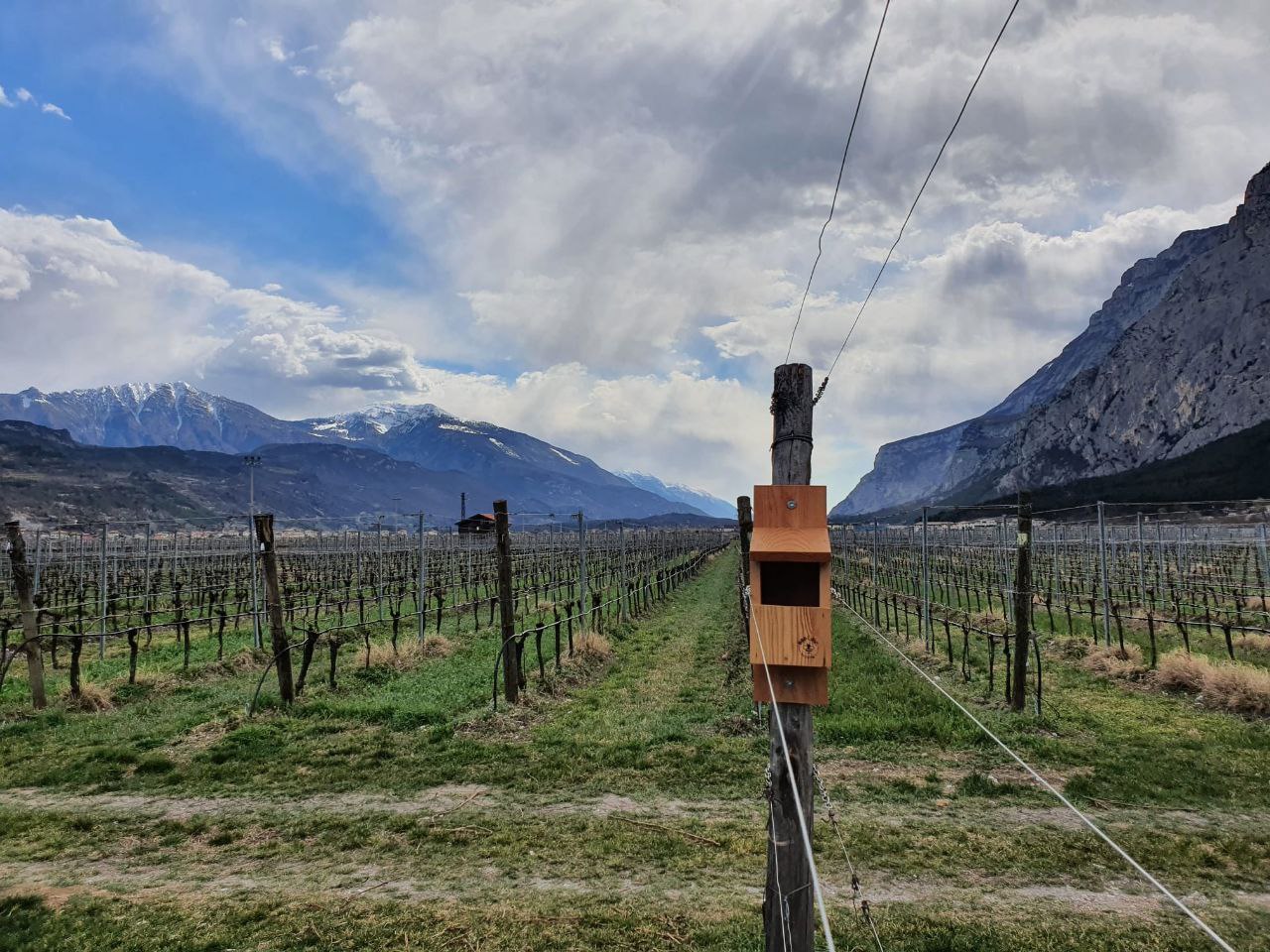
Trentodoc is the ultimate sparkling wine from the mountains. Similar to Franciacorta, it is produced with the Méthode Traditionnelle (which in Italian is called Metodo Classico) but the grapes used are even more similar to those of Champagne: Chardonnay, Pinot Noir, Pinot Meunier and Pinot Blanc. Chardonnay grape is the real star of Trentodoc and it gives the sparkling wine its main aromas and characteristics. As for Franciacorta, Pinot Noir is what gives Trentodoc its structure, while Pinot Meunier and Pinot Blanc add fruity aromas to the bouquet of the wine.
Trentodoc could actually be the perfect sparkling wine for the holidays and the winter season because of its mountain DNA. If you are curious to learn more about this delicious Italian sparkling wine, don’t forget to book your next wine tasting in Trentino, the beautiful region where Trentodoc is produced.
Champagne
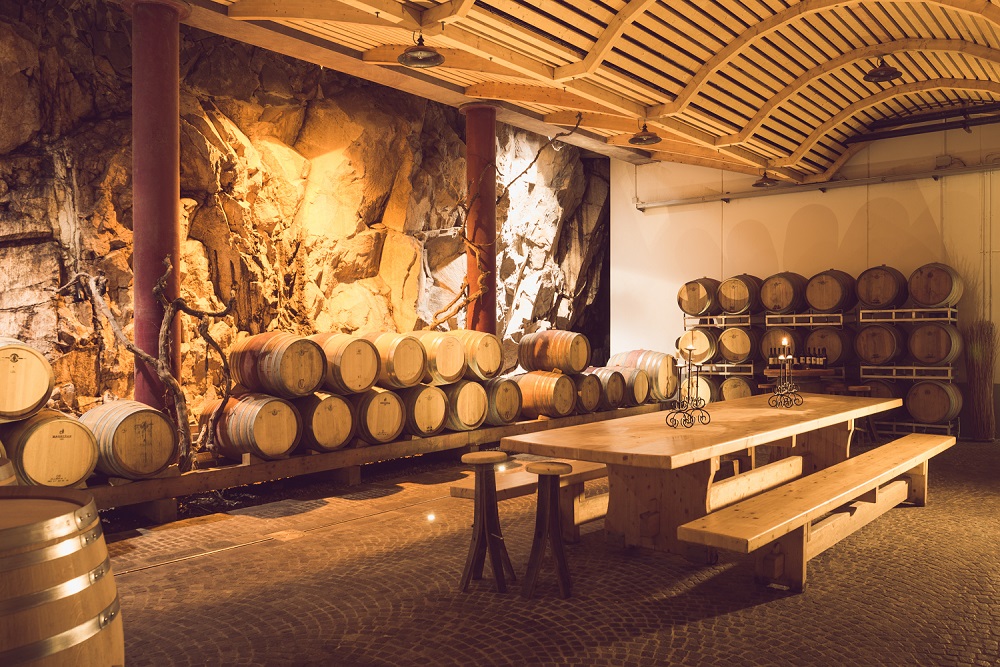
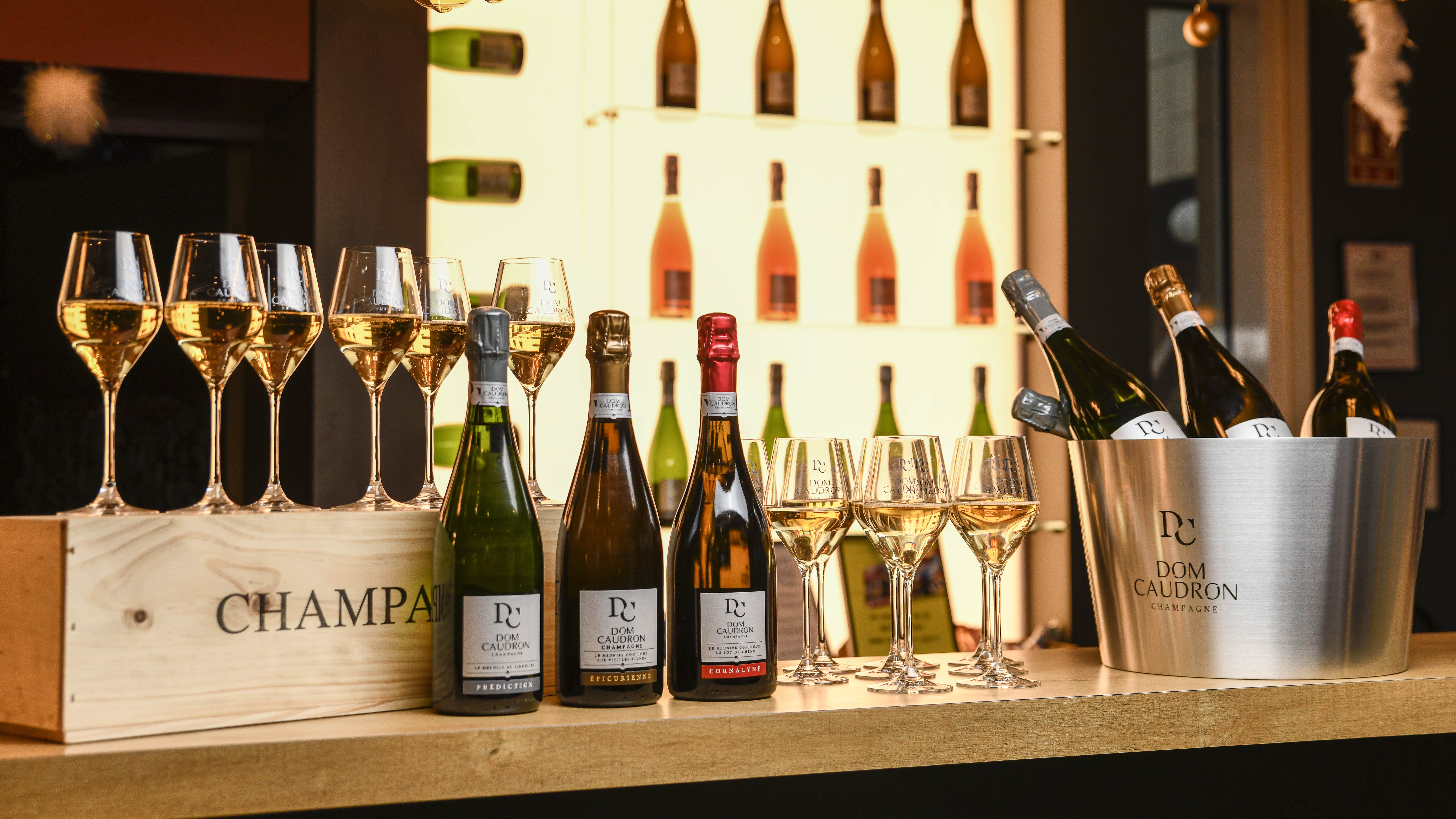
Champagne was already mentioned in this article (check above if you missed it!) and we are pretty sure that you already know something about the sparkling wine par excellence. What you might not know is that the method used by Champagne winemakers, Méthode Traditionnelle, was invented by a monk, the famous Dom Pérignon.
Are you already thinking which could be the best Champagne to buy for New Year’s Eve? So are we, but we are also thinking about taking a nice trip to the marvellous Champagne wine region in 2022. Here are two marvellous wineries you can’t miss, are you coming with us?
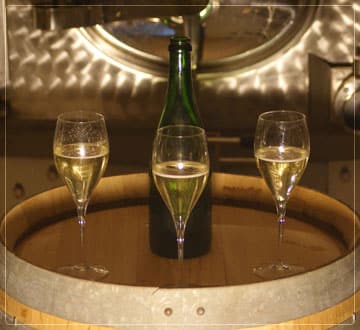
Crémant de Limoux
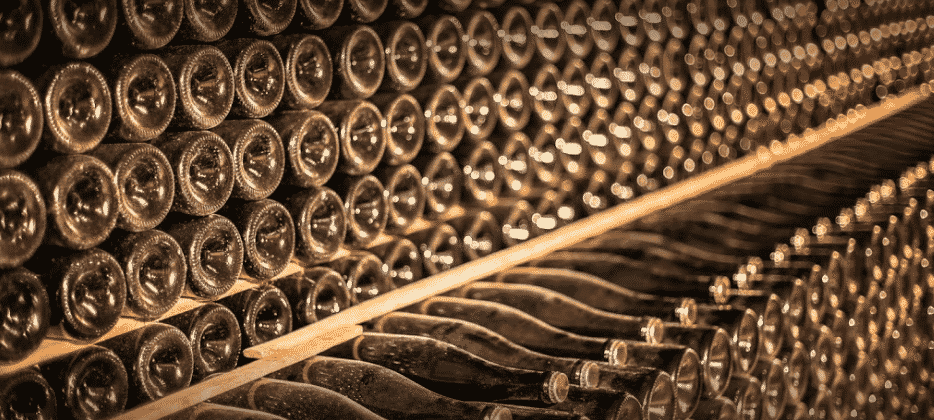
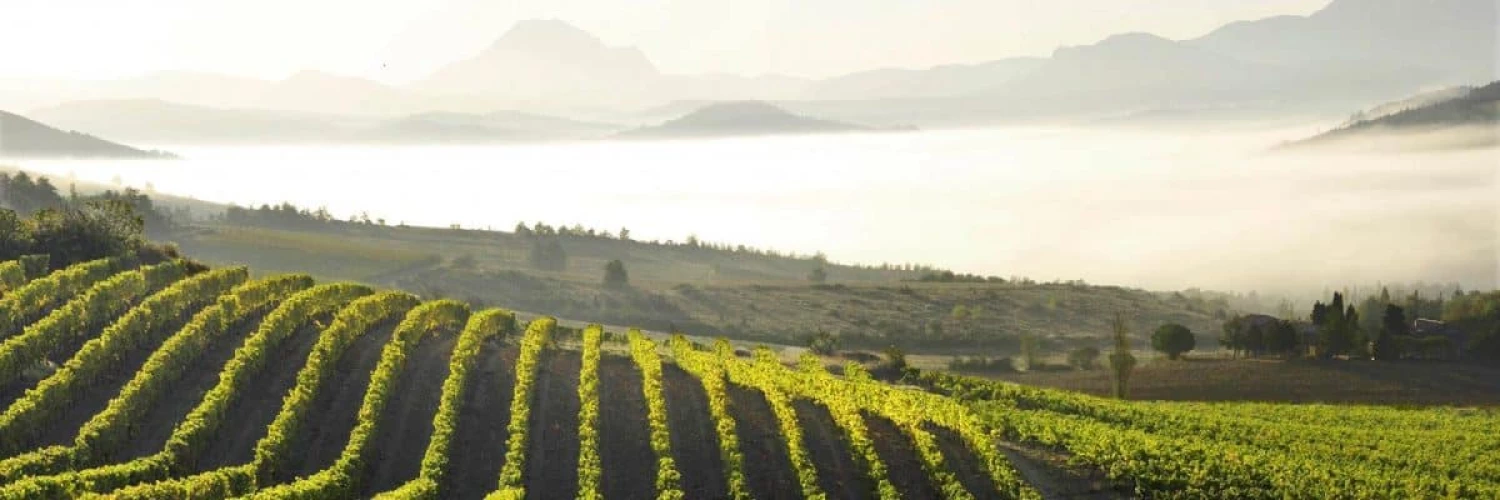
Outside of the Champagne wine region, the other traditional-method sparkling wines produced in France are called Crémants. One of the most famous and appreciated is Crémant de Limoux, a dry sparkling wine produced with a blend of Chardonnay and Chenin Blanc grapes in the Languedoc-Roussillon wine region. The fruity and flowery aromas that characterise Crémant de Limoux are perfect if you are serving spicy dishes and smoked fish for your last dinner of 2021.
If you don’t manage to get your hands on a bottle of Crémant de Limoux, think about planning a trip to the sunny Languedoc-Roussillon wine region to taste some premium Crémant de Limoux.
Crémant d'Alsace
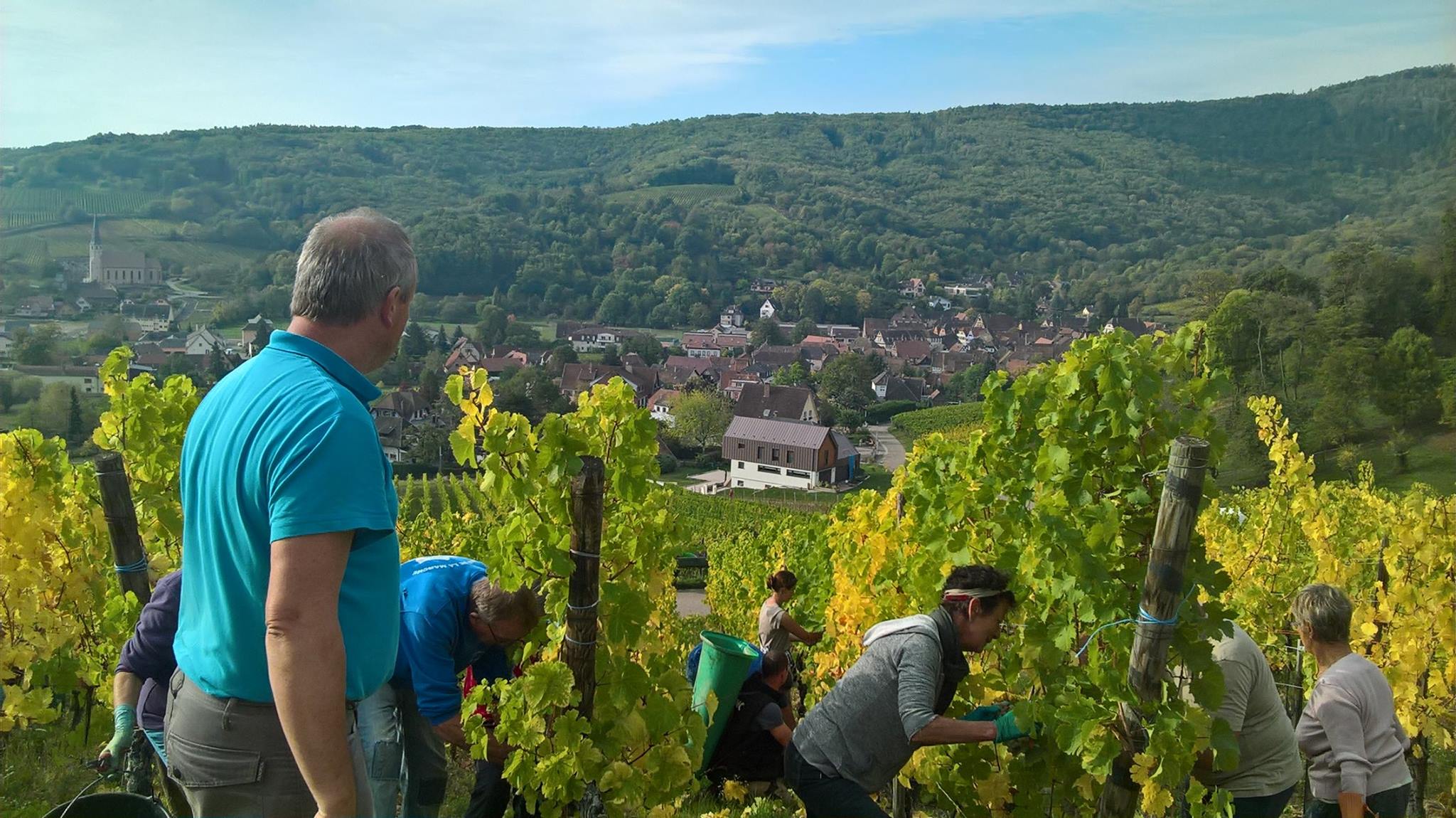
Another Crémant worth mentioning is the one produced in the Alsace wine region, on the border between France and Germany. Crémant d’Alsace is a relatively young wine, as it was first recognised as a sparkling wine in 1976, even though the tradition of winemaking in Alsace dates way back. Like Crémant de Limoux, Crémant d’Alsace is produced following the traditional Champagne method too. The main grape used to produce Crémant d’Alsace is Pinot Blanc, which gives the wine its iconic crispness. Other grapes allowed in the production of Crémant d’Alsace are Chardonnay, Riesling, Pinot Noir, Pinot Gris and Auxerrois.
Wineries in Alsace are always open to welcome guests and unveil them almost all the secrets behind their Crémant d’Alsace in case you don’t manage to find a bottle in time for 31st December.
Sekt
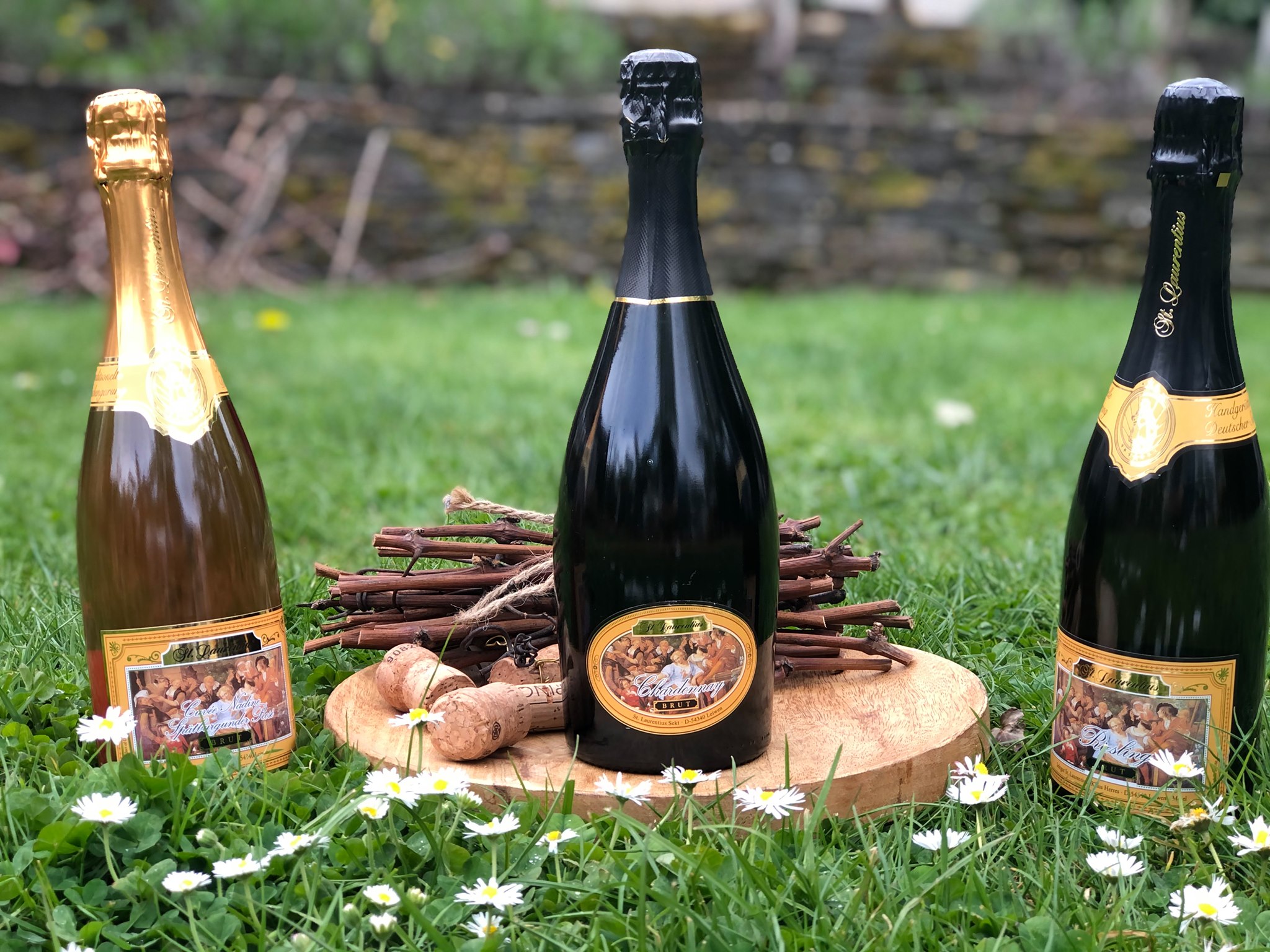
Sekt is a good alternative to Champagne if you want to surprise your guests with your knowledge on sparkling wines. Sekt is produced both in Germany and in Austria; the main grape used in the production of German Sekt is the king of all German grapes, Riesling. Other grapes that could be used to make Sekt are Pinot Noir, Pinot Gris, Pinot Blanc and Chardonnay.
Normally, German Sekt it is less alcoholic compared to Champagne and it its sweetness and dryness can vary depending on where the grapes come from because, differently from other European sparkling wines, Sekt is not a protected wine and German winemakers can import grapes to produce their own sparkling wines. Most German Sekt wines are produced using the Tank Method, the same used for Prosecco.
Since German Sekt is not easy to find outside of Germany, here are a couple of suggestions of wineries to visit if you want to taste a nice glass of German Sekt:
Weingut Preis
Cava
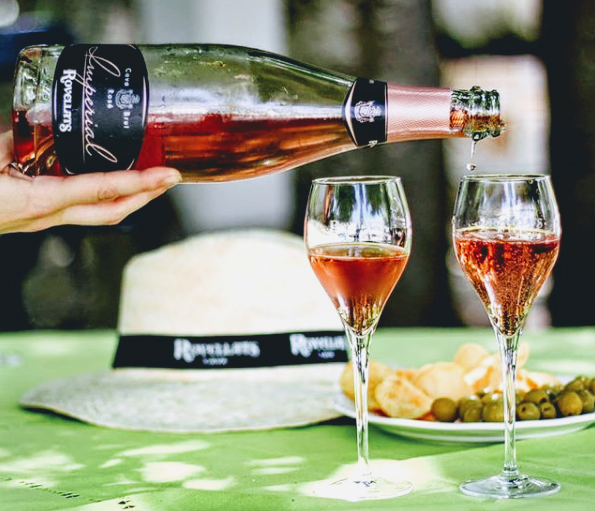
If Trentodoc is the sparkling wine from the mountains, then Cava is the sparkling wine that brings to the table the flavour of the Mediterranean. Like Trentodoc, Franciacorta and Champagne, Cava is produced with the traditional method which assures Spain’s most famous and appreciated sparkling wine a very high quality. Cava is produced using three main grapes: Macabeu that is the main grape, Parallada and Xarel·lo, all white grapes. This blend gives Cava its unique and balanced fruity taste. Differently from Prosecco and other fruity and flowery sparkling wines, Cava is usually not a sweet type of wine.
Cava is the perfect sparkling wine to buy if you are planning on serving your guests some Spanish tapas or delicious Jamón Serrano to celebrate the arrival of 2022. In case you can’t find Cava anywhere near you, pack your bags because 2022 might be the perfect year to discover wineries in Catalonia to taste some authentic Cava.