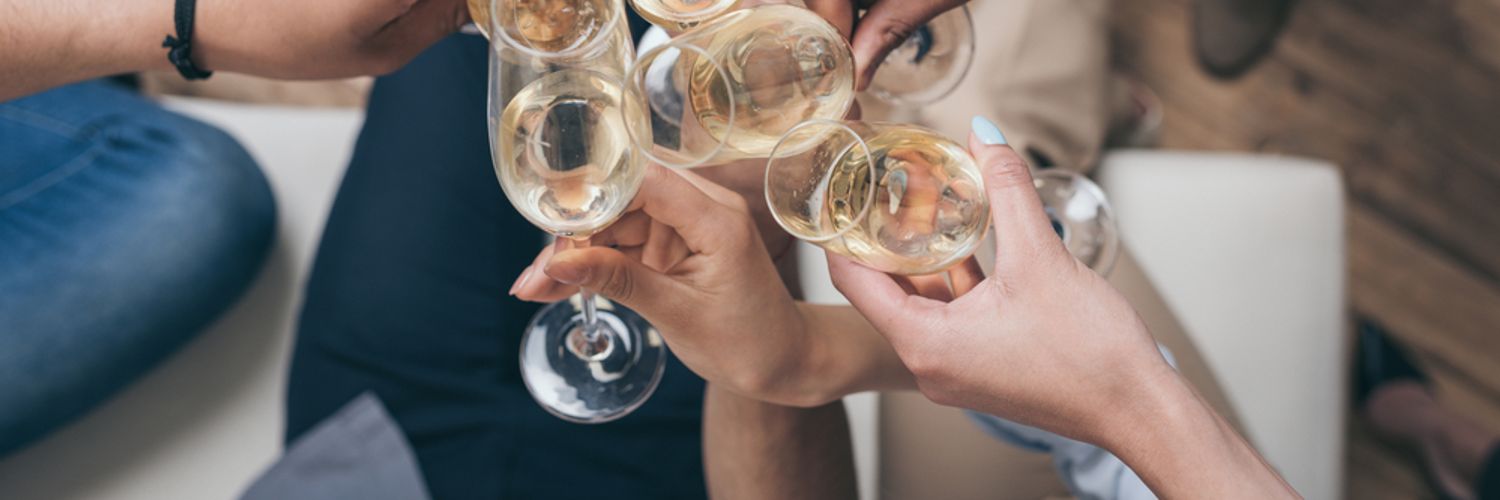
When we need to celebrate an important occasion, such as a birthday, a graduation, a new job, or a marriage, the first thing we say is “We need Champagne!” and proceed to pop a bottle to consecrate the happy moment. Well, get your bottles ready to celebrate World Champagne Day on the 27th of October!
What is Champagne?
Champagne is the world’s most notable sparkling wine. Its peculiarity is that to be called ‘Champagne’ it has to be produced specifically in the Champagne region of France, and the grapes used for the blend have to be grown in the same region. Finally, Champagne has to be produced according to a certain method. If any of these characteristics is missing, then it’s just sparkling wine, a good one for sure but only sparkling wine. Seven grapes are allowed in Champagne production, but in practice, three grapes make up the vast majority of all Champagne: Chardonnay, Pinot Noir and Pinot Meunier.
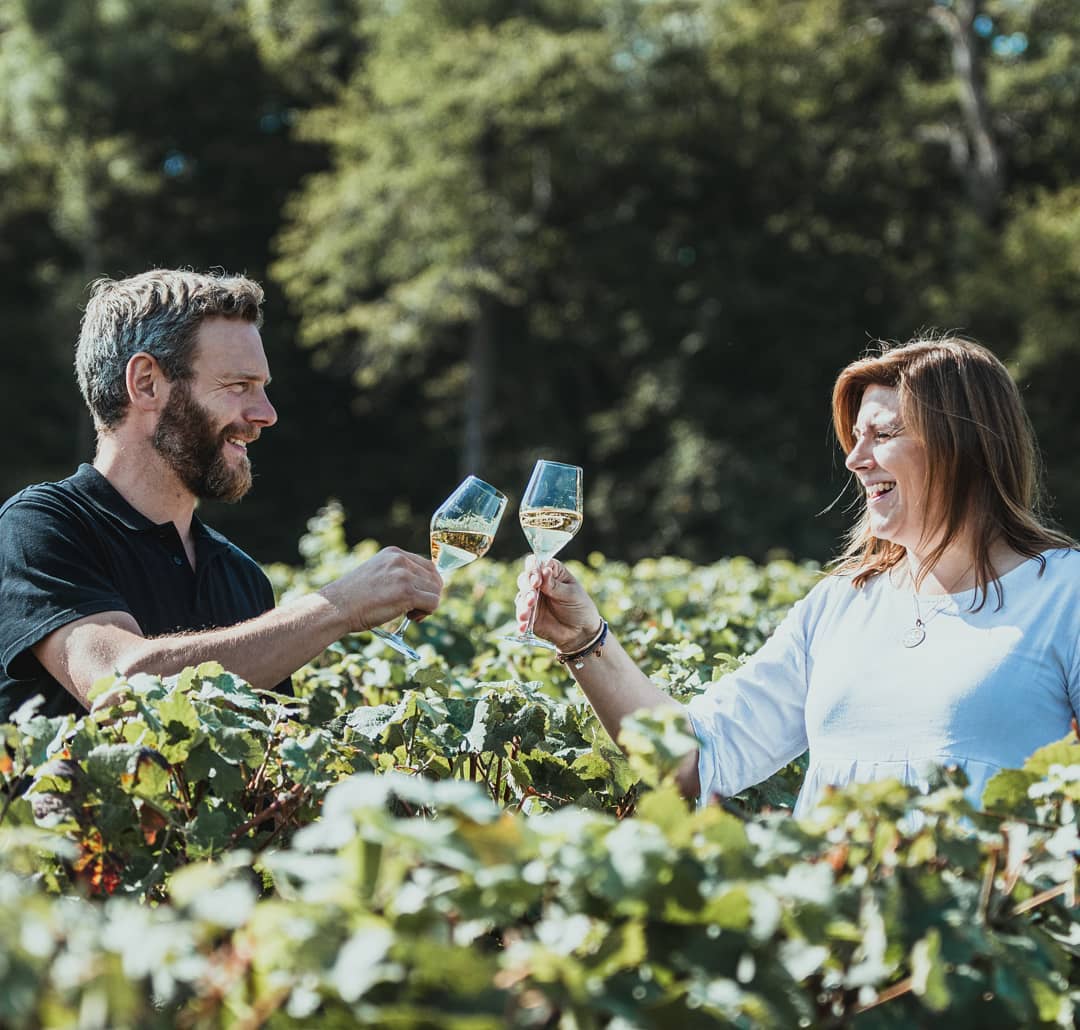
Champagne tasting at Champagne Louis Brochet.
History of Champagne
It was known since the Medieval Ages that the characteristic acidity of grapes grown in the north-eastern region of Champagne were meant to be used to produce astonishing wine. Wines produced in Champagne have always played a very unique role in the history of France, as they were the primary drink served at coronation banquets. Indeed, from 898 all French kings were crowned inside the gorgeous Reims Cathedral and Reims is the capital of the Champagne region.
It also became very common for French monarchs to present fellow European royals with bottles of wine from Champagne as gifts.
The real turning point in the production of Champagne only arrived during the 18th century, when a monk, Dom Pérignon, studied a way to lower the pressure of the bubbles inside the wine bottle. What he invented was the second fermentation, which happens directly in the bottle, and created the Champagne we know and taste today. The method used by Dom Pérignon was then called ‘ Méthode Traditionnelle’, the one that is still used by all the Maisons around Champagne. So don’t forget to celebrate Dom Pérignon on Champagne day, he deserves it too!
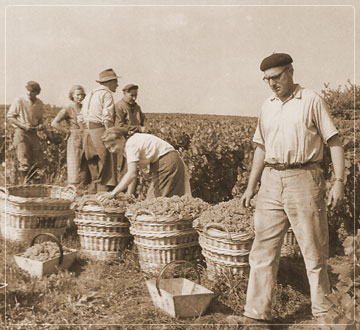
Champagne Pierre-Emmanuel Paquay – working in the vineyards
Main Characteristics of Champagne
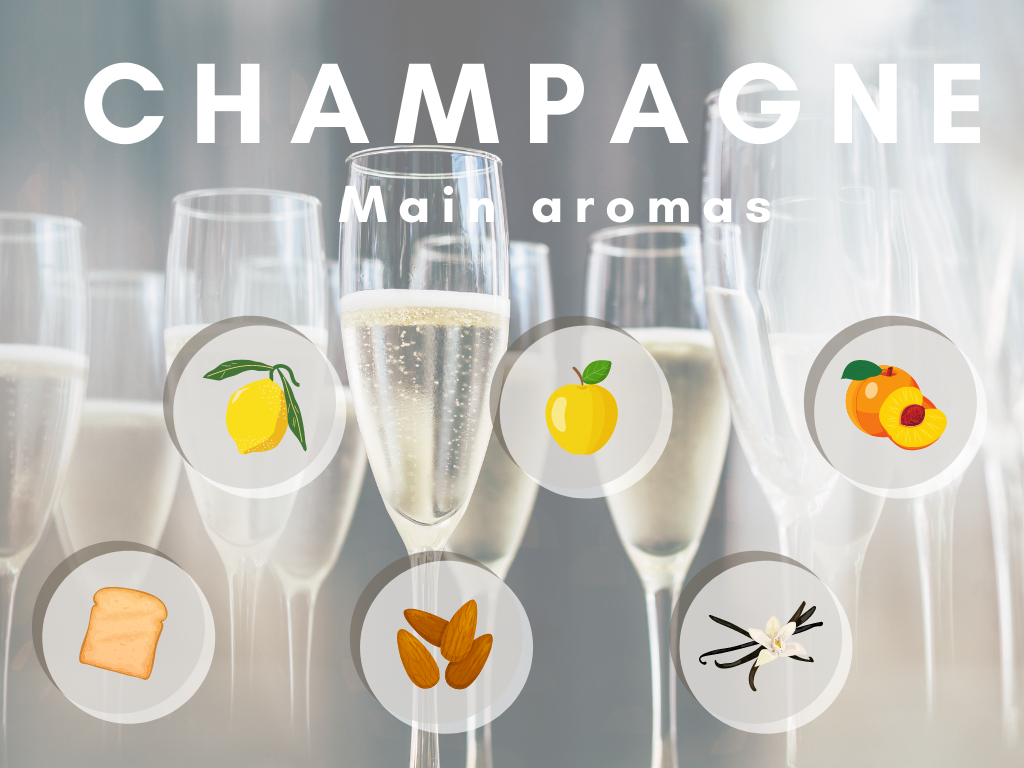
The first thing that has to be noted when it comes to the tasting notes of Champagne is its high acidity. This is the result of the terroir in which the grapes used for the blend are grown. Champagnes are generally light bodied and not too dry. Bear in mind that there is not one single type of Champagne, and that the percentage of use of every grape can change the dryness, the sweetness and the aromas of the wine.
Let’s have a quick look into different types of Champagne:
- Blanc de Blancs – Blanc means white in French, so as the name suggests, these Champagnes are made only using white grapes, meaning Chardonnay.
- Blanc de Noirs – If blanc is white, then noir is black in French. These wines are indeed produced using only black grapes, Pinot Noir and/or Pinot Meunier. To make wine blanc, Champagne makers only use the white part of the grape, without the skin.
- Prestige Cuvée – These are the real expensive Champagnes, the real crème de la crème of every Maison. Prestige Cuvées age longer than other Champagnes and present a creamier and more complex body.
- Rosé Champagne – Rosé Champagne is a blend of white wine made with Chardonnay and a tiny bit of red wine from Pinot Noir and/or Pinot Meunier. Think of this wine as an Instagram-friendly Champagne.
- Non-Vintage Champagne – These Champagnes are obtained by blending together different vintages.
Which one will you be drinking to celebrate Champagne day on Saturday?
How to open a Champagne bottle?
Opening a Champagne bottle is no joke and it has to be carried out in the best way possible in order to preserve all the aromas and the bubbles from this prestigious wine. Here are some easy steps to avoid hurting somebody, spill Champagne all over the room and to show your friends you’re ready to celebrate World Champagne day:
- Be sure that your Champagne bottle is chilly.
- Untwist the cage around the cork anti-clockwise for 6 turns.
- Hold the bottle at a 45° degrees angle, keep your thumb on the cork and start twisting the bottle. Don’t twist the cork, it’s a bad idea!
- Once you start feeling the pressure coming from the bottle, start to loose the cork.
- Always control the cork as the pressure increases, you don’t want anyone going to the ER on Champagne day.
- Once the bottle is open, pour your Champagne in a flute glass and enjoy!
If you’re one of those people who have always dreamt of sabering a bottle of Champagne, then book your experience at Pol Couronne, where you will be taught how to saber by professional Champagne makers.
Food and Champagne
Do you have your bottle of Champagne ready for World Champagne Day but have no idea what to pair it with? No worries, we got you sorted with a list of our favourite Champagne and food pairings.
- Anything with truffle is perfect to accompany a brut Champagne; which is also great with steak.
- Spicy food could be chicken or fish, goes very well with Rosé Champagne or Blanc de Noirs.

If you are serving a Blanc de Blancs, our suggestion is to go for oysters, light fish or caviar if you want to serve something fancy.
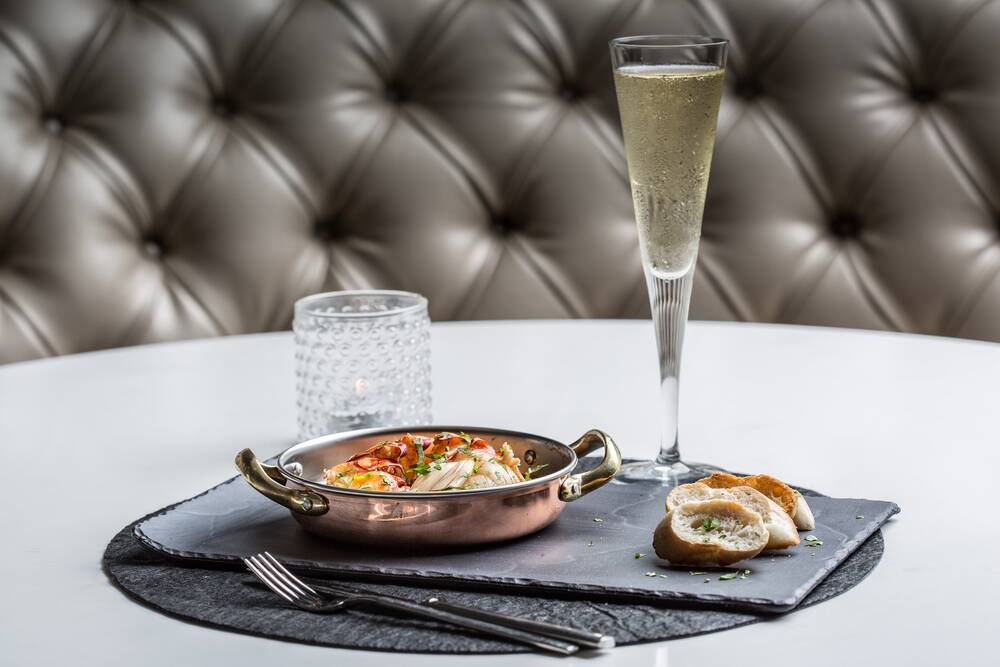
Lobster is another great choice if you are serving dry or extra-dry Champagne.
Wine Tastings and Tours in Champagne
Check out some of the most outstanding wine tours in the Champagne wine region:
Food and Champagne Pairing at Champagne Laurent Lequart
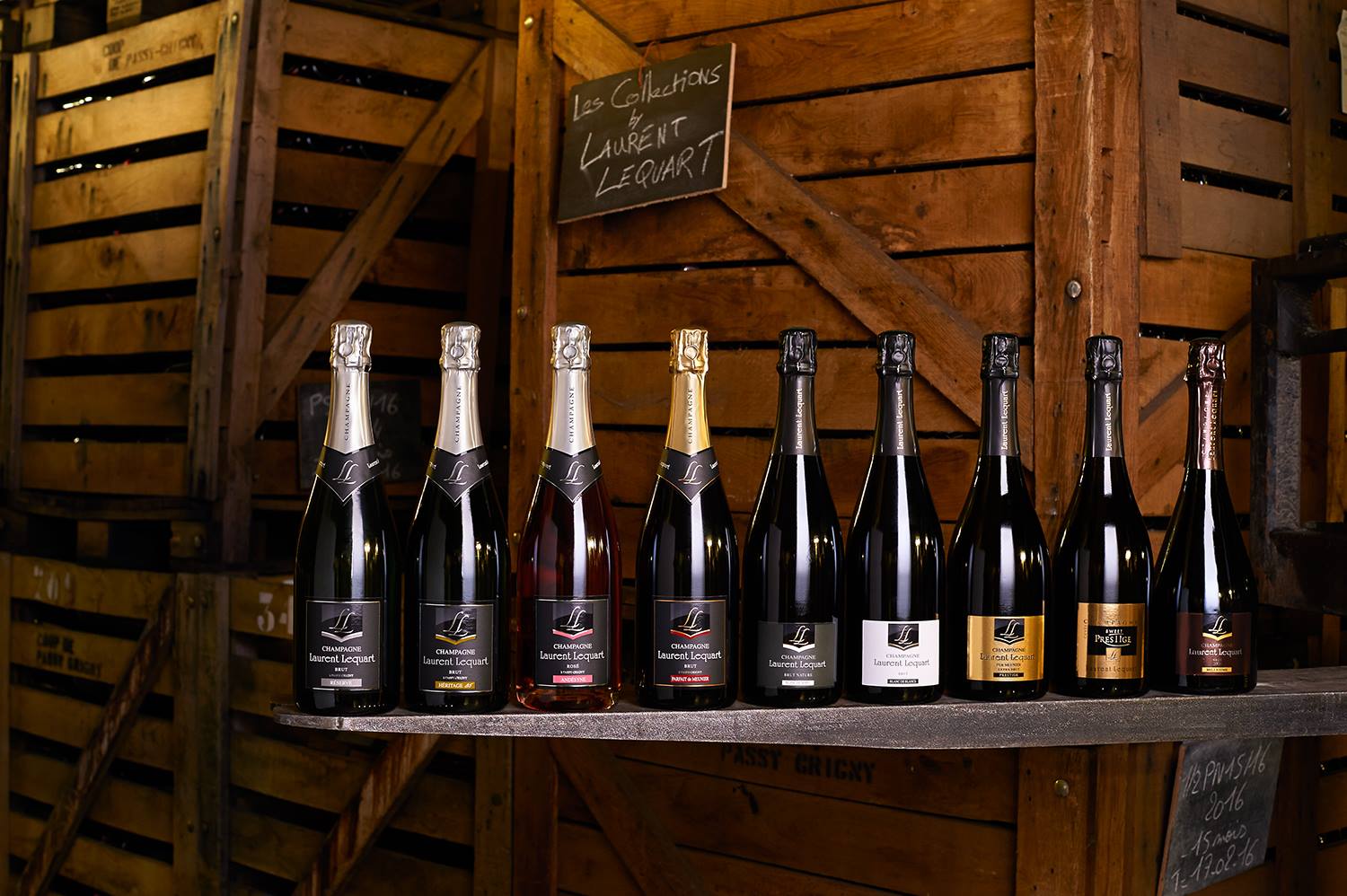
For those interested in tasting the range of Champagne Laurent Lequart champagnes, the Passion du Meunier experience provides guests with a 3-course menu paired with 3 champagnes after a guided tour of the property.
Champagne tasting, meal and tour at Champagne Sanger
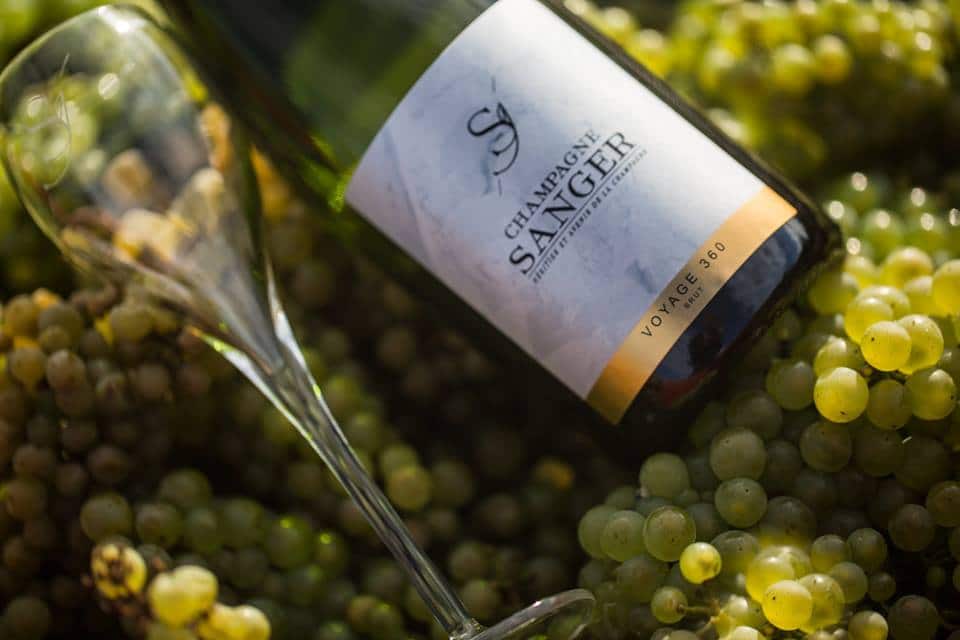
At Domaine Sanger you can have the full champagne experience and learn everything about the art of champagne winemaking. Your tour will start with an educational tasting of several types of champagne, and then you will be invited to have a meal together with the winemakers.
Champagne tasting, cheese pairing and tour at Champagne J. de Telmont
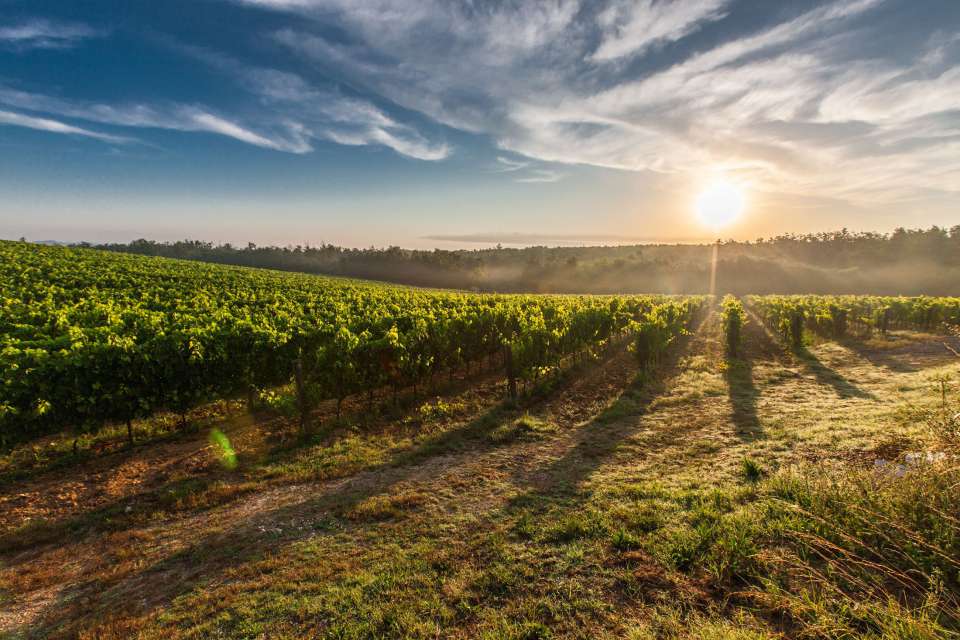
There is nothing more French than a workshop about cheese and champagne. Learn the art of pairing cheeses with champagne at Champagne J. de Telmont, where expert winemakers will guide you in the ultimate culinary experience.
Exquisite lunch at Champagne Albert Beerens
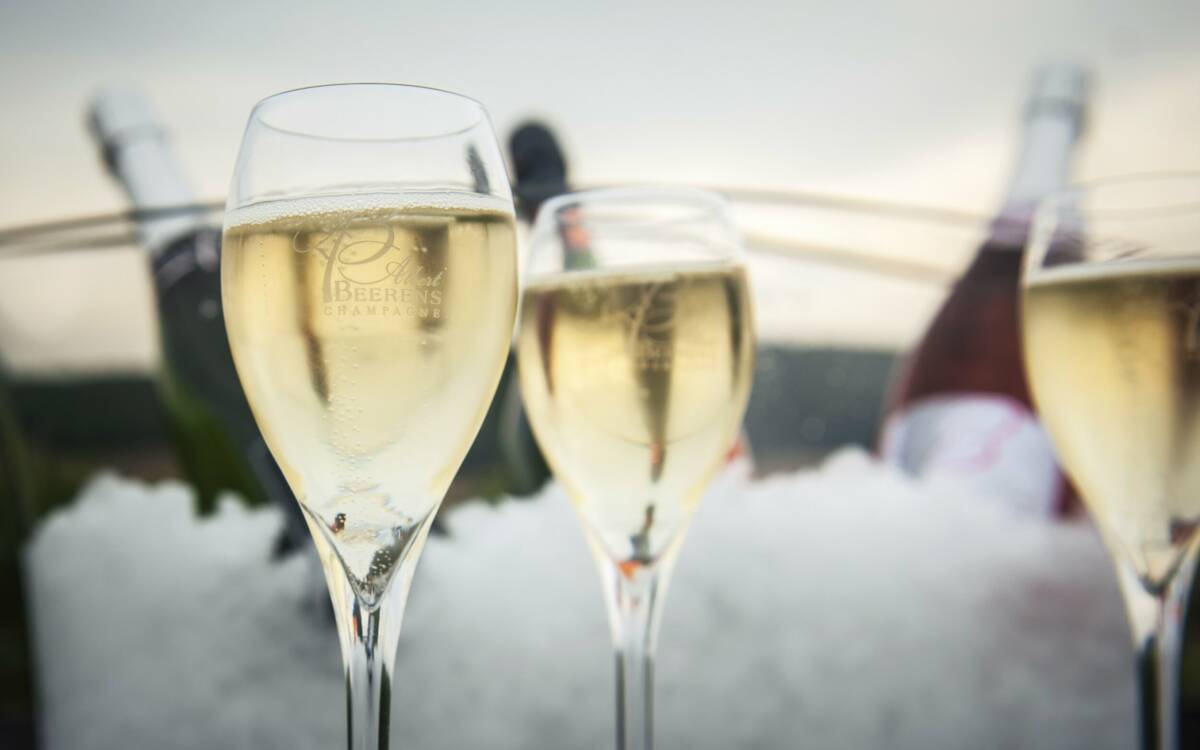
As soon as you arrive to Champagne Albert Beerens, you will be greeted with a nice glass of champagne, before heading for a vineyard and cellar tour. Then, you will be served a superb lunch where all the food will be paired with the winery’s best champagnes.
For more experiences view our full list of wine tastings and tours in Champagne.
10 Curiosities You Probably Didn’t Know About Champagne
- In the namesake films, James Bond is seen drinking Champagne more times than Martini. James Bond has a preference for Bollinger, but mentions Dom Pérignon quite a few times too.
- Allegedly, Queen Elizabeth II drinks a glass of Champagne every night before going to bed. Could this be the secret to her longevity?
- British Royals and politicians really enjoy Champagne. Queen Victoria’s favourite brand was Perrier-Jouet while Winston Churchill was served a pint of Pol Roger every day at 11a.m.
- A bottle of Champagne contains about 49 million bubbles.
- A bottle of Champagne has higher pressure compared to a car tire.
- If you want to buy 1 hectare of land to produce Champagne, you will need approximately €1 million.
- The most expensive bottle of Champagne is called 2013 Goût de Diamants (Taste of Diamonds) and it costs $2.07 million!
- Moët & Chandon is the world’s best-selling Champagne brand.
- The name ‘Veuve Clicquot’ was invented by Madame Ponsardin after her husband François Clicquot died and she inherited the winery.
- Marilyn Monroe once took a bath in Champagne. 350 bottles were needed to fill the tub.


