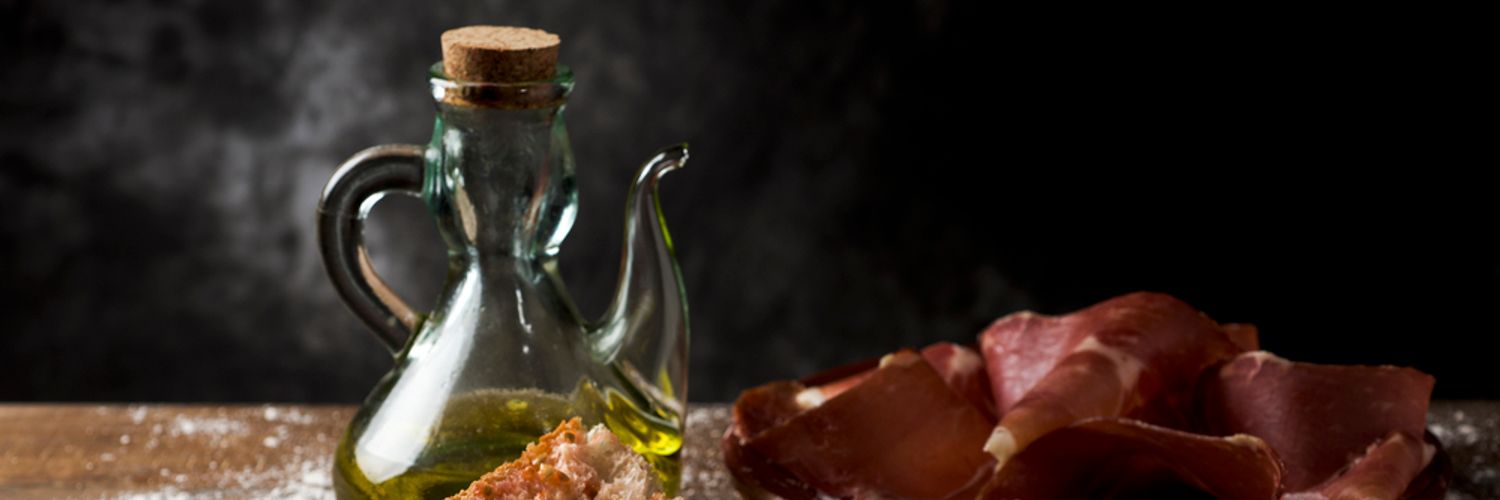

One of the world’s best wine pairing experiences can be found in Logrono, Spain. Logrono is the capital of la Rioja autonomous community, the heart of the Rioja wine region. Here, each night, some of the 150,000 locals and thousands more tourists take to the small streets, eating and drinking their way through over 1,000 specialized restaurants and bars. At the center of it all lies La Calle de Laurel, a brick-paved pedestrian strip containing more than 60 bars, each famous for their own specialized pincho, or tapa.
Pinchos, also spelled pintxos, originated in San Sebastian in the Basque country. The name comes from the Spanish word "pinchar", meaning "to puncture" in reference to the tradition of skewering the food on a slim wooden pick. Each pincho house has its own specialty, and its own preferred Rioja wine pairing. Where better to learn about Rioja wine pairings and than from this central hub of wine and gastronomy?
But before we get into the pinchos, let’s talk about Rioja wines
The Rioja wine region is composed of three official subregions - Rioja Alta, Rioja Oriental (previously Rioja Baja), and Rioja Alavesa. Each area has its own wine characteristics. Rioja wines follow specific geographical labeling terms:
- "Rioja" A wine bearing this name may have come from any of the 3 subregions.
- "Rioja ‘+ Zona’" To put the name of Alta, Baja, or Alavesa on the label, the grapes must have come from only that “Zona” or sub-region.
- "Rioja Villages" This signifies the Rioja wine grapes came only from vineyards within certain village designations.
- "Single Vineyards" The most restrictive label, these wine grapes came from only one specific vineyard.

La Rioja is most famous for its production of red wines. Rioja red wines have certain age-based labelling requirements.
- Rioja Generico (Joven) - Young wines with no oak contact.
- Cosecha - Grapes harvested in the year marked on the label. Typically less than 6 months in oak (this is a labelling term, but not an aging classification).
- Crianza - Minimum 1 year in barrel, 1 year in bottle.
- Reserva - Minimum 1 year in barrel, 2 years in bottle.
- Gran Reserva - Minimum 2 years in barrel, 3 years in bottle.
Can Rioja be white wine as well? Yes! Rioja wines can be Blanco (White), Rosado (Rose), Tinto (Red), or Espumosos de Calidad de Rioja (Sparkling). A small section of Rioja can even produce D.O. Cava!
Now, onto the Rioja wine pairings with pinchos!
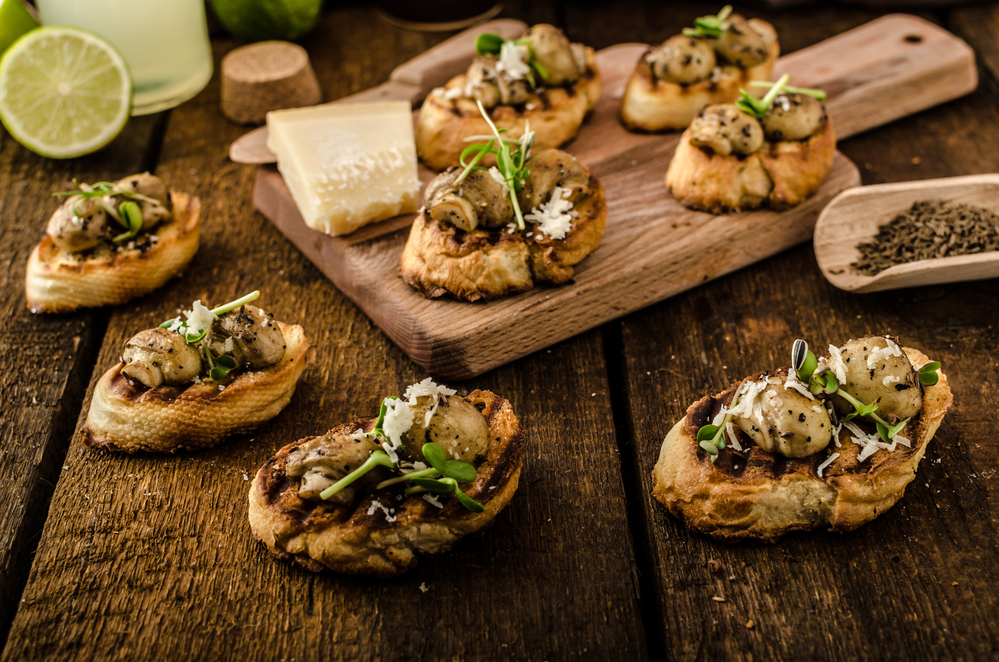
Champi (from champiñón, the Spanish word for mushrooms) - Three grilled mushrooms, drizzled in garlic oil and topped with a shrimp, all skewered onto a slice of fresh baguette.
Wine pair: This bold dish requires a bold wine, such as a Rioja Gran Reserva. The spiciness from barrel aging can hold up against the rich garlic oil, and the leather and tertiary aging notes will match well with the umami of the grilled mushrooms.

Gilda - The original pintxo from San Sebastian, it’s a skewer of spicy pepper, an olive, and an anchovy over a slice of bread.
Contrast this traditional pincho with an uncommon wine!
Wine pair: Rioja Rosado (only around 5% of Rioja’s production) will have enough body to hold up to the spice and brine of this pincho without overpowering its carefully balanced flavors.
Rioja with pizza? Why not! But if you want to try something slightly more elevated and authentic, try this:
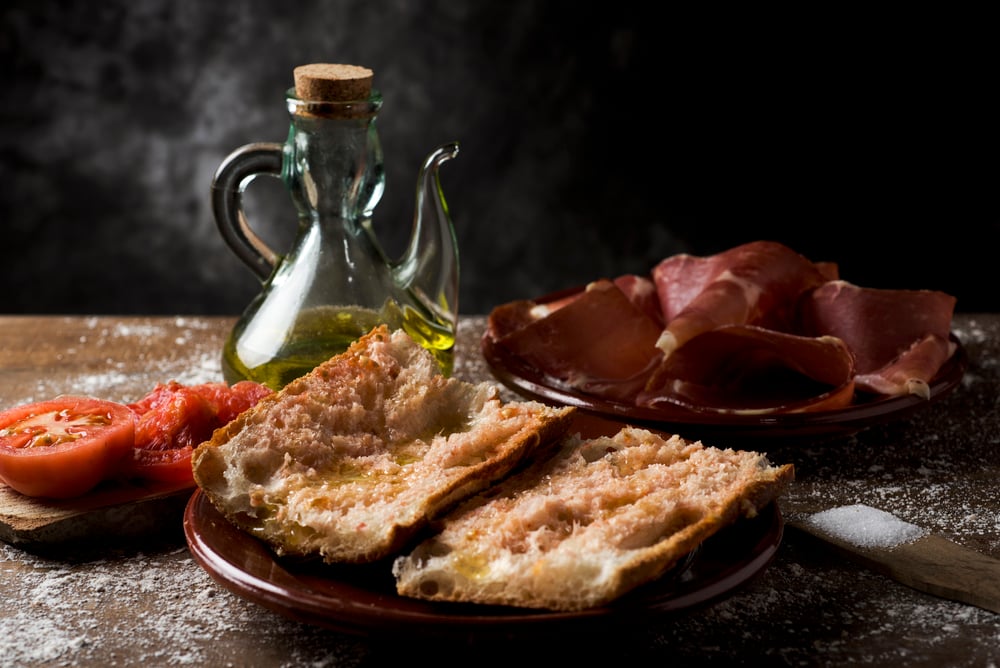
Zapatilla - A Riojana interpretation of Catalan pa amb tomaquet. The zapatilla is a slice of local bread drizzled with olive oil, tomato, and a slice of Serrano ham, grilled and served warm, typically folded in half.
This would go perfectly with a Rioja Cosecha - its young and fruity notes of cherry and plum will bring out the freshness of the tomato and balance the savory saltiness of Serrano ham.
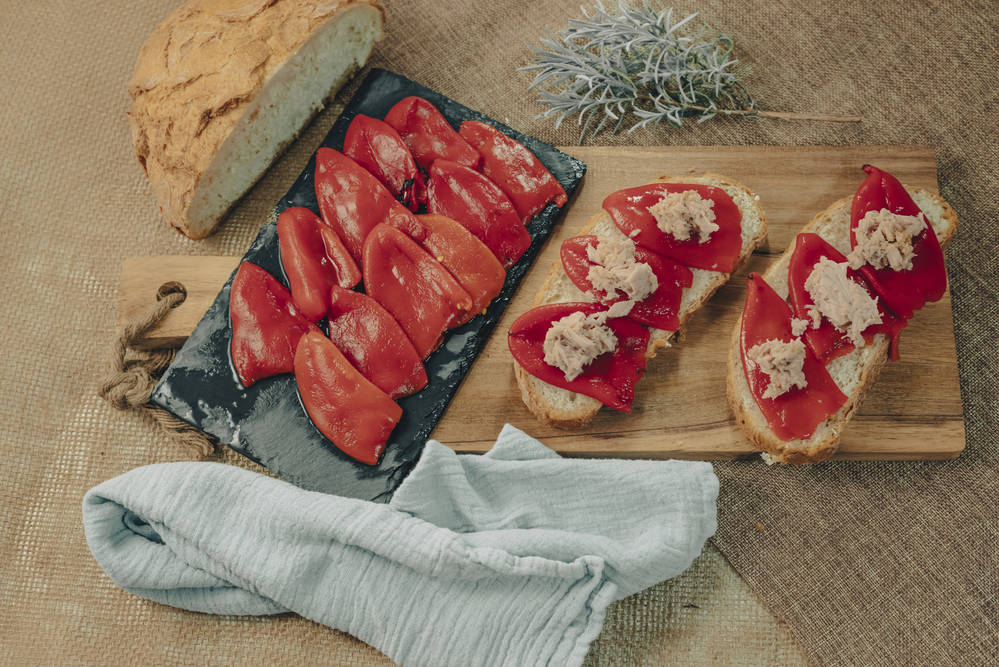
Ventresca Con Piperrada - Ventresca is the belly of the Bonito del Norte tuna fished just off of Spain's Northwest coast. This pincho (more like a tapa, served without the traditional skewer) is served with Basque piperrada, a saucy, slow cooked red pepper with onion and tomato.
Pair the Champagne of pinchos with la Rioja’s version of Champagne - Espumosos de Calidad de Rioja, a classic method of sparkling wine. The bubbles will help cut through the fattiness of tuna belly and elevate the spiciness of the pipperada.
Guest Blogger: Patti Wilcox


