

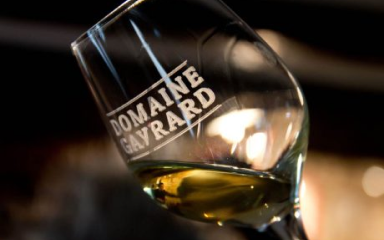


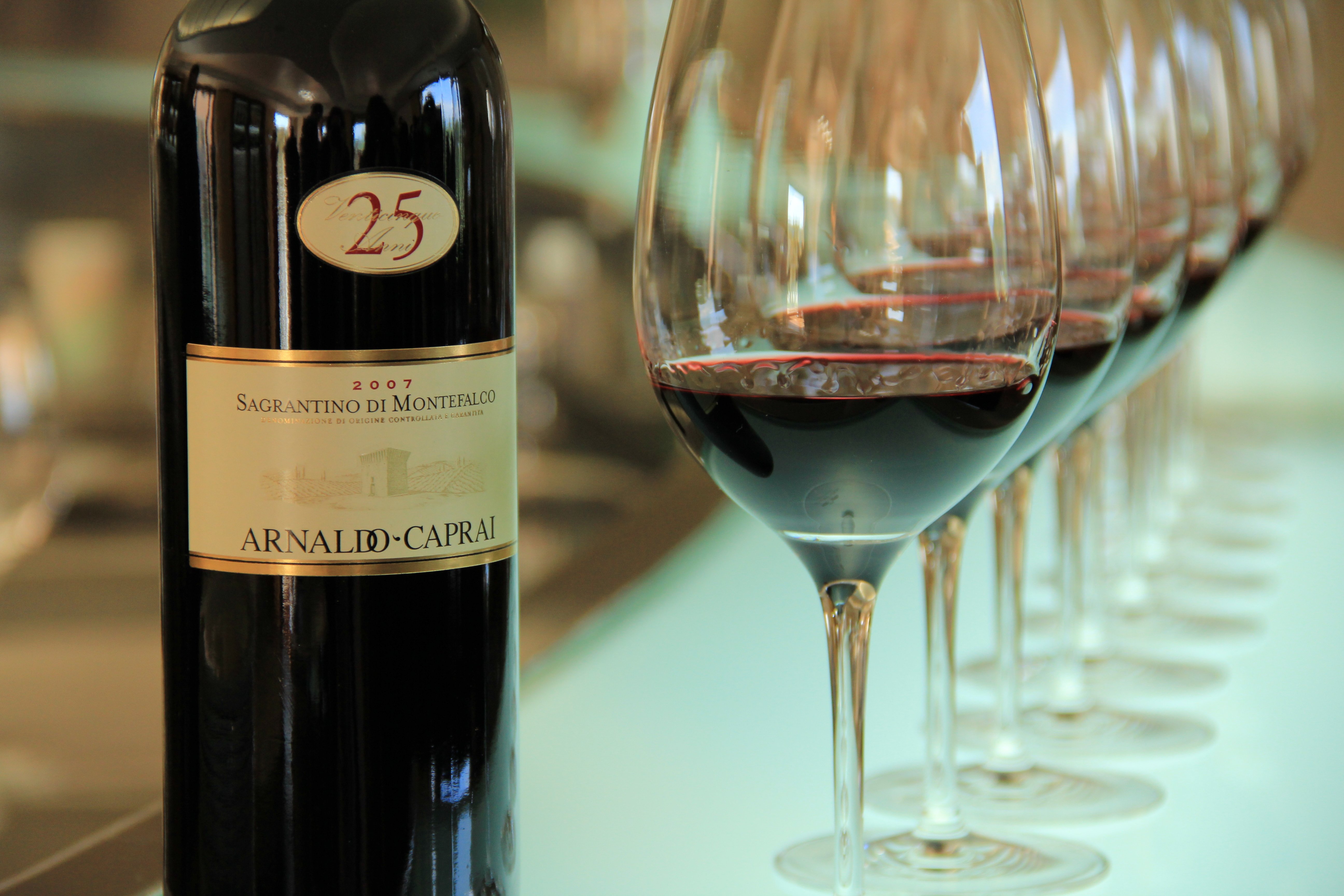
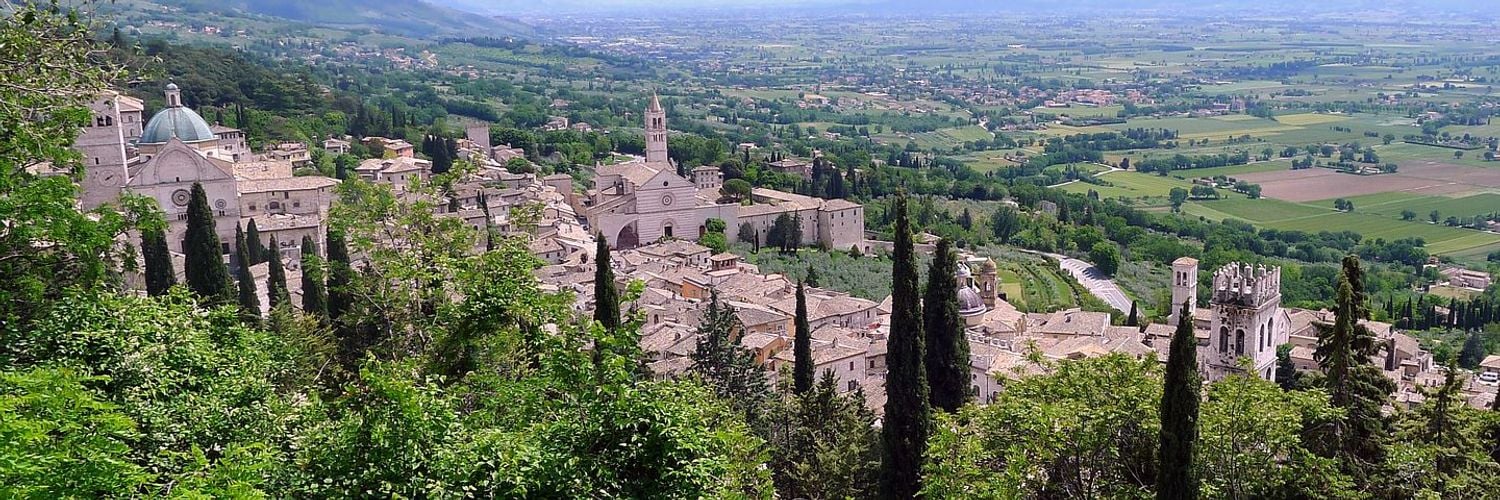
L'Ombrie invite les amateurs de vin à s'immerger dans ses paysages pittoresques et son riche patrimoine culturel. Cette région est réputée pour son Sagrantino di Montefalco exceptionnel et son élégant Grechetto, ainsi que pour des villes charmantes comme Torgiano, Assise et Spoleto. L'œnotourisme y propose d'agréables visites de domaines viticoles, où vous pourrez savourer des vins locaux et découvrir les méthodes traditionnelles de vinification. Explorez le terroir unique de l'Ombrie et laissez-vous tenter par des dégustations qui reflètent l'authenticité de sa tradition viticole vivante.
The forest was discovered in 1974 during excavation work for a quarry. The trunks of the trees, which are now petrified, are estimated to be about 20 meters high and are a unique example of a fossil forest in Europe. The forest is located near the village of Dunarobba and is open to the public.
Perugia, the capital of Umbria, is a city with a rich history and a vibrant cultural scene. The city is known for its beautiful medieval architecture, its lively festivals, and its world-renowned chocolate. Perugia is also home to the University of Perugia, which attracts students from all over Italy and the world.
One of the highlights of Perugia is the Rocca Paolina, a fortress built in the 16th century by Pope Paul III. The fortress was built on top of the old city, which was partially destroyed to make way for the fortress. Today, visitors can explore the underground tunnels and chambers of the fortress and enjoy panoramic views of the city from the top.
Perugia is also known for its art and culture. The city is home to numerous museums and art galleries, including the National Gallery of Umbria, which houses a collection of medieval and Renaissance art. The city also hosts the annual Umbria Jazz Festival, one of the most important jazz festivals in Europe.
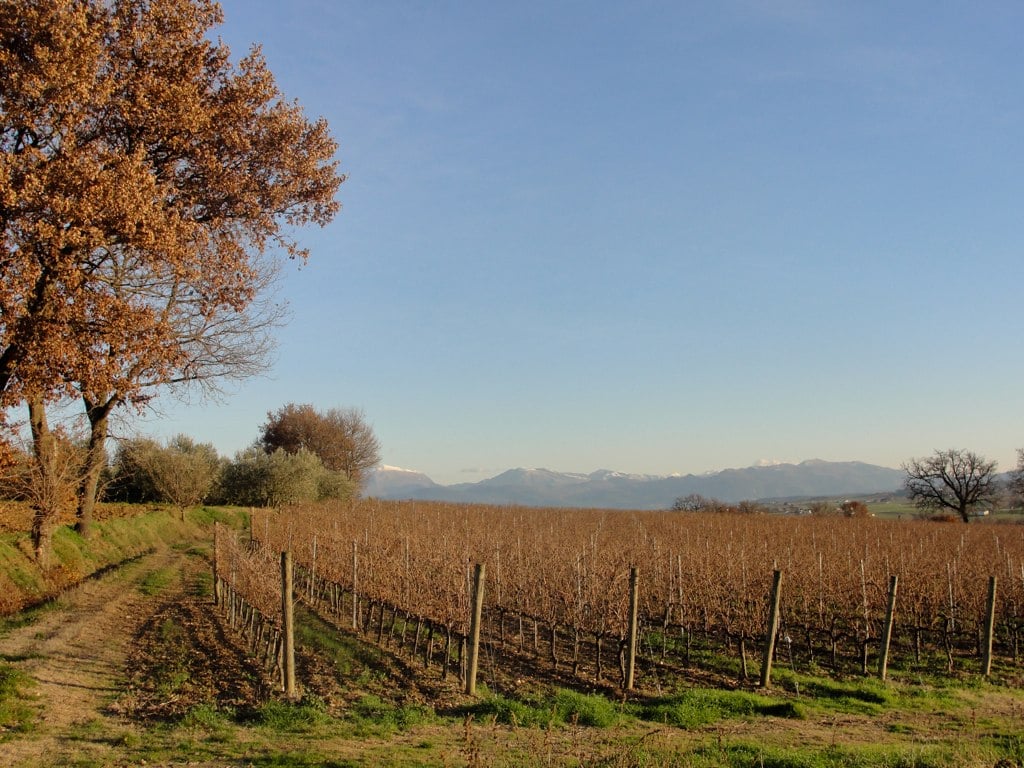
Montefalco is a charming hilltop town known for its beautiful views and its excellent wines. The town is located in the heart of the Sagrantino wine region and is surrounded by vineyards and olive groves. Montefalco is often referred to as the "Balcony of Umbria" because of its panoramic views of the surrounding countryside.
One of the main attractions in Montefalco is the Church of San Francesco, which houses a series of frescoes by the Renaissance artist Benozzo Gozzoli. The frescoes depict scenes from the life of St. Francis of Assisi and are considered to be one of the artist's masterpieces.
Montefalco is also known for its gastronomy. The town is home to several excellent restaurants and wineries where visitors can taste the local wines and traditional Umbrian dishes.
Assisi is a small town located on the slopes of Mount Subasio and is famous for being the birthplace of St. Francis, the founder of the Franciscan Order. The town is a UNESCO World Heritage Site and attracts millions of visitors each year.
One of the main attractions in Assisi is the Basilica of San Francesco, which houses the tomb of St. Francis. The basilica is a masterpiece of medieval architecture and is decorated with frescoes by renowned artists such as Giotto and Cimabue.
Assisi is also known for its narrow, winding streets and its beautiful views of the surrounding countryside. The town is a popular destination for pilgrims and art lovers alike.
Orvieto is a picturesque city located on top of a volcanic cliff and is known for its stunning cathedral and its underground tunnels and caves. The city is surrounded by vineyards and olive groves and is famous for its white wine, Orvieto Classico.
One of the main attractions in Orvieto is the Cathedral of Orvieto, a masterpiece of Italian Gothic architecture. The cathedral is adorned with intricate sculptures and beautiful stained glass windows.
Orvieto is also known for its underground city, which was built by the Etruscans and later expanded by the Romans. Visitors can explore the underground tunnels and chambers and learn about the city's fascinating history.
Whether you are interested in history, art, wine, or simply enjoying the beauty of the Italian countryside, Umbria has something to offer everyone. Plan your trip to this beautiful region and discover all that it has to offer.
Umbria is not only known for its wines but also for its delicious gastronomy. The region is famous for its truffles, olive oil, and cured meats. Here are some of the gastronomical specialties that you should try when visiting Umbria:
Black Truffles: Umbria is one of the main truffle-producing regions in Italy. The black truffle, also known as the "diamond of the kitchen," is highly prized for its intense aroma and flavor. It is used in a variety of dishes, including pasta, risotto, and sauces.
Porcini Mushrooms: Umbria is also known for its porcini mushrooms, which are highly sought after for their meaty texture and earthy flavor. They are often used in pasta dishes, risotto, and soups.
Pecorino Cheese: Umbria is home to several excellent cheese producers, and pecorino cheese is one of the most famous. Made from sheep's milk, pecorino cheese has a rich, tangy flavor and is often enjoyed with honey or served grated over pasta.
Norcia Cured Meats: The town of Norcia in Umbria is famous for its cured meats, including prosciutto, salami, and sausages. These meats are made using traditional methods and are known for their rich, savory flavors.
Olive Oil: Umbria is home to some of the best olive oil producers in Italy. The region's olive oil is known for its fruity flavor and low acidity. It is often used in salads, pasta dishes, and for dipping bread.
Umbrian Sausages: Umbria is known for its delicious sausages, which are made from a blend of pork, garlic, and spices. They are often grilled or used in pasta dishes.
Umbrian Lentils: Umbria is famous for its lentils, which are small and flavorful. They are often used in soups and stews and are a staple of Umbrian cuisine.
Umbrian Honey: Umbria is home to several beekeepers who produce high-quality honey. The region's honey is known for its rich flavor and is often used in desserts and as a sweetener.
When visiting Umbria, be sure to try these gastronomical specialties and experience the rich flavors of the region.

Umbria wine region is known for its diverse grape varieties, which produce a wide range of wines. Here are some of the main grape varieties grown in Umbria:
Red Grape Varieties:
Sangiovese
Sagrantino
Merlot
Barbera
White Grape Varieties:
Grechetto
Trebbiano
Verdello
These grape varieties are used to produce a variety of wines, including red, white, and rosé wines. Each grape variety contributes its own unique characteristics to the wines, resulting in a diverse range of flavors and styles.
Umbria is home to many excellent wineries where visitors can taste the region's wines and learn about the winemaking process. Here are some of the top wineries in Umbria:
Benincasa Winery - Located in Montefalco, Benincasa Winery is known for its excellent Sagrantino wines. The winery offers guided tours and tastings, allowing visitors to learn about the winemaking process and sample their award-winning wines.
Goretti Winery - Situated outside the city of Perugia, Goretti Winery produces a variety of wines, including Sagrantino, Grechetto, and Sangiovese. The winery offers tours and tastings, allowing visitors to experience the flavors of Umbria.
Palazzone Winery - Located in the hills of Rocca Ripesena, Palazzone Winery is known for its high-quality wines, including Sagrantino and Grechetto. The winery offers tours and tastings, allowing visitors to explore their vineyards and taste their exceptional wines.
These are just a few of the many wineries in Umbria where visitors can taste the region's wines and learn about the winemaking process. Plan your visit to Umbria and discover the rich flavors of this beautiful wine region.
Umbria is a region rich in history, culture, and natural beauty. Here are some of the top places to visit in Umbria:
Perugia is the capital of Umbria and is known for its rich history and beautiful architecture. The city is home to several historic sites, including the Palazzo dei Priori, which houses the National Gallery of Umbria, and the Rocca Paolina, a fortress built in the 16th century. Perugia is also famous for its chocolate, and visitors can sample the city's delicious treats at the annual Eurochocolate festival.
Assisi is a small town located on the slopes of Mount Subasio and is famous for being the birthplace of St. Francis, the patron saint of Italy. The town is home to several beautiful churches, including the Basilica of San Francesco, which houses the tomb of St. Francis. Assisi is a UNESCO World Heritage Site and attracts pilgrims from all over the world.
Orvieto is a picturesque city located on top of a volcanic cliff and is known for its stunning cathedral and its underground tunnels and caves. The city is surrounded by vineyards and olive groves and is famous for its white wine, Orvieto Classico. Visitors can explore the underground city, visit the cathedral, and enjoy panoramic views of the surrounding countryside.
Montefalco is a charming hilltop town known for its beautiful views and its excellent wines. The town is located in the heart of the Sagrantino wine region and is surrounded by vineyards and olive groves. Montefalco is often referred to as the "Balcony of Umbria" because of its panoramic views of the surrounding countryside. Visitors can explore the town's narrow streets, visit the Church of San Francesco, and enjoy wine tastings at the local wineries.
Spello is a small town located southeast of Perugia and is famous for its annual flower festival, Infiorate di Spello. During the festival, the town's streets are adorned with intricate floral designs created by local artists. Spello is also known for its beautiful churches and its well-preserved medieval town center. Visitors can explore the town's narrow streets, visit the Church of Santa Maria Maggiore, and enjoy panoramic views of the surrounding countryside.
These are just a few of the many beautiful places to visit in Umbria. Whether you are interested in history, art, or simply enjoying the beauty of the Italian countryside, Umbria has something to offer everyone.
Umbria is often referred to as the "green heart of Italy" because of its lush green hills, fertile farmland, and beautiful landscapes. The region is known for its rolling hills, vineyards, olive groves, and picturesque towns and villages. Umbria is less touristy than its neighboring region, Tuscany, but offers just as much beauty and charm.
One of the highlights of Umbria is Lake Trasimeno, the largest lake in central Italy. The lake is a popular destination for swimming, boating, and fishing, and its shores are dotted with charming towns and villages. Visitors can enjoy the beautiful views of the lake, explore the surrounding countryside, and sample the region's delicious seafood.
Umbria is also known for its natural beauty and outdoor activities. The region is home to several national parks and nature reserves, where visitors can hike, bike, and explore the diverse flora and fauna. The region's hills and mountains offer breathtaking views and are a paradise for outdoor enthusiasts.
Umbria is also a region rich in history and culture. The region is home to several UNESCO World Heritage Sites, including the historic centers of Assisi and Orvieto. Visitors can explore the region's medieval towns and villages, visit ancient Roman ruins, and learn about the region's rich history and heritage.
Whether you are looking for outdoor adventures, cultural experiences, or simply a relaxing holiday surrounded by beautiful landscapes, Umbria has something to offer everyone. Plan your trip to this beautiful region and discover the green heart of Italy.
The Cascate delle Marmore is one of the most spectacular waterfalls in Italy and is located near the town of Terni. The waterfall is formed by the Velino River, which plunges over 165 meters into a gorge below. The waterfall is surrounded by lush vegetation and offers breathtaking views.
Visitors can enjoy the waterfall from various viewpoints and can even take a boat ride to get closer to the cascades. The area surrounding the waterfall is also a popular destination for hiking and picnicking.
The Forest of Dunarobba is a unique natural site located near the town of Dunarobba. The forest is home to a rare fossilized forest that dates back over three million years. The petrified trunks of the trees are still intact and provide a fascinating glimpse into the region's prehistoric past.
Visitors can explore the forest and learn about its geological history. The site is also home to a small museum that displays fossils and provides information about the forest's formation.
Perugia is the capital city of Umbria and is known for its rich history and vibrant cultural scene. The city is home to several historic sites, including the Palazzo dei Priori, which houses the National Gallery of Umbria, and the Rocca Paolina, a fortress built in the 16th century. Perugia is also famous for its annual chocolate festival, Eurochocolate, which attracts visitors from all over the world.
Assisi is a small town located on the slopes of Mount Subasio and is famous for being the birthplace of St. Francis, the patron saint of Italy. The town is home to several beautiful churches, including the Basilica of San Francesco, which houses the tomb of St. Francis. Assisi is a UNESCO World Heritage Site and attracts pilgrims from all over the world.
Orvieto is a picturesque city located on top of a volcanic cliff and is known for its stunning cathedral and its underground tunnels and caves. The city is surrounded by vineyards and olive groves and is famous for its white wine, Orvieto Classico. Visitors can explore the underground city, visit the cathedral, and enjoy panoramic views of the surrounding countryside.
Montefalco is a charming hilltop town known for its beautiful views and its excellent wines. The town is located in the heart of the Sagrantino wine region and is surrounded by vineyards and olive groves. Montefalco is often referred to as the "Balcony of Umbria" because of its panoramic views of the surrounding countryside. Visitors can explore the town's narrow streets, visit the Church of San Francesco, and enjoy wine tastings at the local wineries.
These are just a few of the many beautiful places to visit in Umbria. Whether you are interested in history, art, or simply enjoying the beauty of the Italian countryside, Umbria has something to offer everyone.
Umbria is known for its delicious gastronomy, which is deeply rooted in the region's traditions and local ingredients. Here are some of the rare gastronomical specialties that you should try when visiting Umbria:
Black Truffles: Umbria is famous for its black truffles, which are highly prized for their intense aroma and flavor. Truffles are used in a variety of dishes, including pasta, risotto, and sauces.
Porcini Mushrooms: Umbria is also known for its porcini mushrooms, which are highly sought after for their meaty texture and earthy flavor. They are often used in pasta dishes, risotto, and soups.
Pecorino Cheese: Umbria is home to several excellent cheese producers, and pecorino cheese is one of the most famous. Made from sheep's milk, pecorino cheese has a rich, tangy flavor and is often enjoyed with honey or served grated over pasta.
Norcia Cured Meats: The town of Norcia in Umbria is famous for its cured meats, including prosciutto, salami, and sausages. These meats are made using traditional methods and are known for their rich, savory flavors.
Olive Oil: Umbria is known for its high-quality olive oil, which is made from locally grown olives. The region's olive oil has a fruity flavor and is often used in salads, pasta dishes, and for dipping bread.
Umbrian Sausages: Umbria is known for its delicious sausages, which are made from a blend of pork, garlic, and spices. They are often grilled or used in pasta dishes.
Umbrian Lentils: Umbria is famous for its lentils, which are small and flavorful. They are often used in soups and stews and are a staple of Umbrian cuisine.
Umbrian Honey: Umbria is home to several beekeepers who produce high-quality honey. The region's honey is known for its rich flavor and is often used in desserts and as a sweetener.
When visiting Umbria, be sure to try these rare gastronomical specialties and experience the rich flavors of the region.
Umbria is known for its diverse grape varieties, which produce a wide range of wines. Here are some of the main grape varieties grown in Umbria:
Red Grape Varieties:
Sangiovese
Sagrantino
Merlot
Barbera
White Grape Varieties:
Grechetto
Trebbiano
Verdello
These grape varieties are used to produce a variety of wines, including red, white, and rosé wines. Each grape variety contributes its own unique characteristics to the wines, resulting in a diverse range of flavors and styles.
Umbria is home to many excellent wineries where visitors can taste the region's wines and learn about the winemaking process. Here are some of the top wineries in Umbria:
Benincasa Winery - Located in Montefalco, Benincasa Winery is known for its excellent Sagrantino wines. The winery offers guided tours and tastings, allowing visitors to learn about the winemaking process and sample their award-winning wines.
Goretti Winery - Situated outside the city of Perugia, Goretti Winery produces a variety of wines, including Sagrantino, Grechetto, and Sangiovese. The winery offers tours and tastings, allowing visitors to experience the flavors of Umbria.
Palazzone Winery - Located in the hills of Rocca Ripesena, Palazzone Winery is known for its high-quality wines, including Sagrantino and Grechetto. The winery offers tours and tastings, allowing visitors to explore their vineyards and taste their exceptional wines.
These are just a few of the many wineries in Umbria where visitors can taste the region's wines and learn about the winemaking process. Plan your visit to Umbria and discover the rich flavors of this beautiful wine region.
Umbria is a region rich in history, culture, and natural beauty. Here are some of the top places to visit in Umbria:
Perugia is the capital of Umbria and is known for its rich history and beautiful architecture. The city is home to several historic sites, including the Palazzo dei Priori, which houses the National Gallery of Umbria, and the Rocca Paolina, a fortress built in the 16th century. Perugia is also famous for its chocolate, and visitors can sample the city's delicious treats at the annual Eurochocolate festival.
Assisi is a small town located on the slopes of Mount Subasio and is famous for being the birthplace of St. Francis, the patron saint of Italy. The town is home to several beautiful churches, including the Basilica of San Francesco, which houses the tomb of St. Francis. Assisi is a UNESCO World Heritage Site and attracts pilgrims from all over the world.
Orvieto is a picturesque city located on top of a volcanic cliff and is known for its stunning cathedral and its underground tunnels and caves. The city is surrounded by vineyards and olive groves and is famous for its white wine, Orvieto Classico. Visitors can explore the underground city, visit the cathedral, and enjoy panoramic views of the surrounding countryside.
Montefalco is a charming hilltop town known for its beautiful views and its excellent wines. The town is located in the heart of the Sagrantino wine region and is surrounded by vineyards and olive groves. Montefalco is often referred to as the "Balcony of Umbria" because of its panoramic views of the surrounding countryside. Visitors can explore the town's narrow streets, visit the Church of San Francesco, and enjoy wine tastings at the local wineries.
Spello is a small town located southeast of Perugia and is famous for its annual flower festival, Infiorate di Spello. During the festival, the town's streets are adorned with intricate floral designs created by local artists. Spello is also known for its beautiful churches and its well-preserved medieval town center. Visitors can explore the town's narrow streets, visit the Church of Santa Maria Maggiore, and enjoy panoramic views of the surrounding countryside.
These are just a few of the many beautiful places to visit in Umbria. Whether you are interested in history, art, or simply enjoying the beauty of the Italian countryside, Umbria has something to offer everyone.
Umbria is known for its delicious gastronomy, which is deeply rooted in the region's traditions and local ingredients. Here are some of the rare gastronomical specialties that you should try when visiting Umbria:
Black Truffles: Umbria is famous for its black truffles, which are highly prized for their intense aroma and flavor. Truffles are used in a variety of dishes, including pasta, risotto, and sauces.
Porcini Mushrooms: Umbria is also known for its porcini mushrooms, which are highly sought after for their meaty texture and earthy flavor. They are often used in pasta dishes, risotto, and soups.
Pecorino Cheese: Umbria is home to several excellent cheese producers, and pecorino cheese is one of the most famous. Made from sheep's milk, pecorino cheese has a rich, tangy flavor and is often enjoyed with honey or served grated over pasta.
Norcia Cured Meats: The town of Norcia in Umbria is famous for its cured meats, including prosciutto, salami, and sausages. These meats are made using traditional methods and are known for their rich, savory flavors.
Olive Oil: Umbria is known for its high-quality olive oil, which is made from locally grown olives. The region's olive oil has a fruity flavor and is often used in salads, pasta dishes, and for dipping bread.
Umbrian Sausages: Umbria is known for its delicious sausages, which are made from a blend of pork, garlic, and spices. They are often grilled or used in pasta dishes.
Umbrian Lentils: Umbria is famous for its lentils, which are small and flavorful. They are often used in soups and stews and are a staple of Umbrian cuisine.
Umbrian Honey: Umbria is home to several beekeepers who produce high-quality honey. The region's honey is known for its rich flavor and is often used in desserts and as a sweetener.
When visiting Umbria, be sure to try these rare gastronomical specialties and experience the rich flavors of the region.
Umbria is known for its diverse grape varieties, which produce a wide range of wines. Here are some of the main grape varieties grown in Umbria:
Red Grape Varieties:
Sangiovese
Sagrantino
Merlot
Barbera
White Grape Varieties:
Grechetto
Trebbiano
Verdello
These grape varieties are used to produce a variety of wines, including red, white, and rosé wines. Each grape variety contributes its own unique characteristics to the wines, resulting in a diverse range of flavors and styles.
Umbria is home to many excellent wineries where visitors can taste the region's wines and learn about the winemaking process. Here are some of the top wineries in Umbria:
Benincasa Winery - Located in Montefalco, Benincasa Winery is known for its excellent Sagrantino wines. The winery offers guided tours and tastings, allowing visitors to learn about the winemaking process and sample their award-winning wines.
Goretti Winery - Situated outside the city of Perugia, Goretti Winery produces a variety of wines, including Sagrantino, Grechetto, and Sangiovese. The winery offers tours and tastings, allowing visitors to experience the flavors of Umbria.
Palazzone Winery - Located in the hills of Rocca Ripesena, Palazzone Winery is known for its high-quality wines, including Sagrantino and Grechetto. The winery offers tours and tastings, allowing visitors to explore their vineyards and taste their exceptional wines.
These are just a few of the many wineries in Umbria where visitors can taste the region's wines and learn about the winemaking process. Plan your visit to Umbria and discover the rich flavors of this beautiful wine region.
La forêt fossile a été découverte dans une carrière d'argile pour briques à la fin des années 1970. Les restes d'une cinquantaine de conifères géants qui peuvent être visités sont un témoignage exceptionnel de certaines espèces végétales qui ont poussé sur la péninsule italienne il y a entre 2 et 3 millions d'années, à l'époque du Pliocène. La forêt largement enfouie sous les couches d'argile indique des conditions environnementales complètement différentes par rapport à aujourd'hui, avec un climat beaucoup plus chaud qu'aujourd'hui. Explorez ce monument naturel unique d'une grande importance scientifique.
Au cœur verdoyant de l'Ombrie, entre les roseaux et les nénuphars blancs, se trouve le lac Trasimeno, le quatrième plus grand d'Italie. Ce paradis naturel est riche en espèces animales, telles que les canards sauvages, les cormorans, les griffons et les martin-pêcheurs. Les fonds sont composés de douces collines et de forêts denses, ainsi que de vastes champs de tournesols et de maïs, ainsi que de vignobles et d'oliveraies.
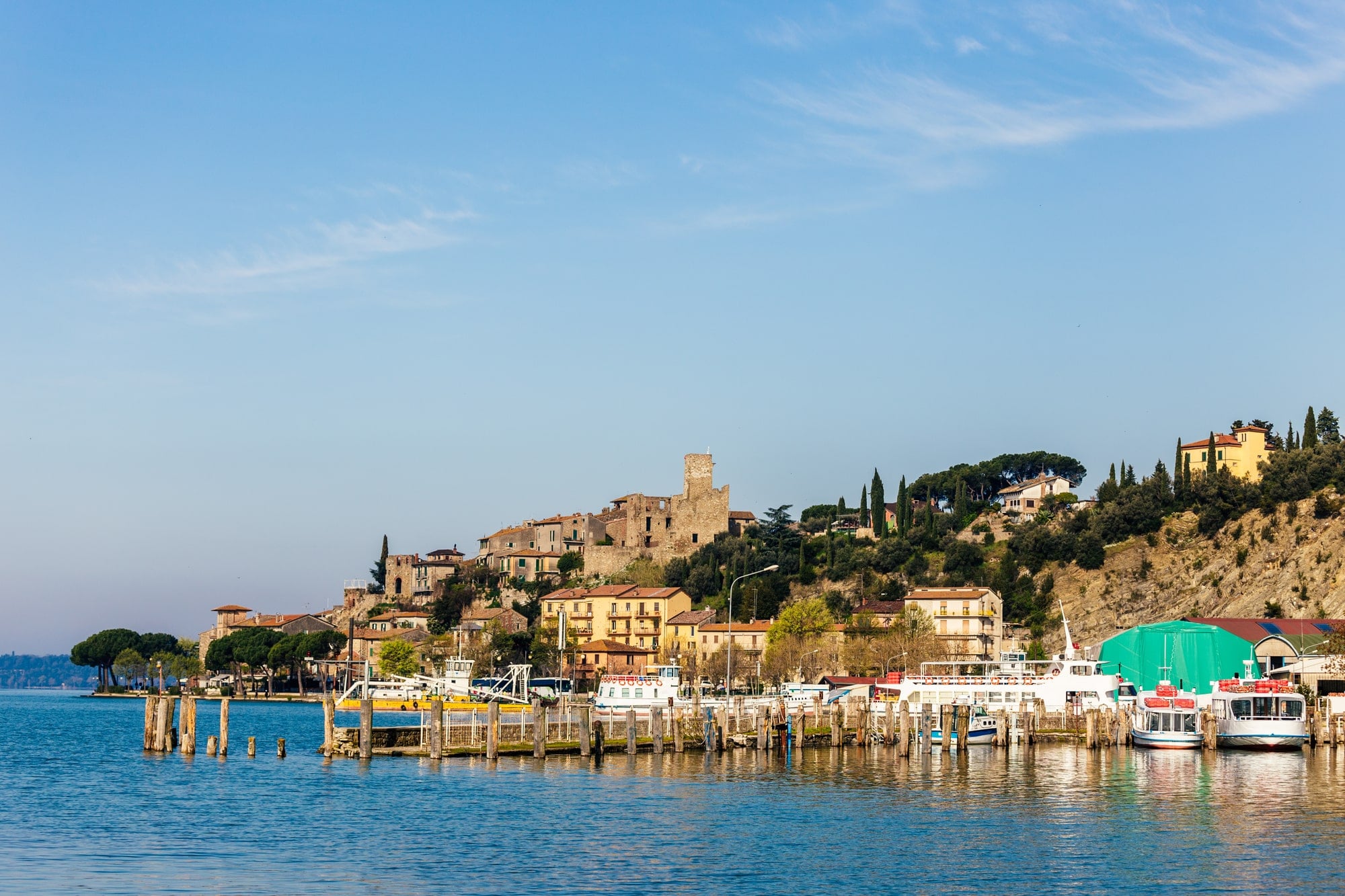
Cependant, la plus grande île du lac (il y a trois îles) est l'île de Polvese. Elle est maintenant une zone inhabitée et est aujourd'hui un parc public, où vous pouvez visiter l'ancien monastère de San Secondo, l'église de San Giuliano et un château du XIVe siècle récemment restauré.
Assurez-vous de prévoir un arrêt pour la baignade ou les sports nautiques.
L'Ombrie propose une cuisine régionale de première classe, qui n'a guère cédé aux compromis touristiques. Même en Italie gâtée, une cuisine aussi terre-à-terre et naturelle est devenue rare.
L'Ombrie est réputée pour ses truffes et ses légumes paysans simples, pour le parfum épicé de la viande grillée, pour le poisson, l'huile d'olive verdâtre irisée et pour les recettes sauvages transmises de génération en génération.
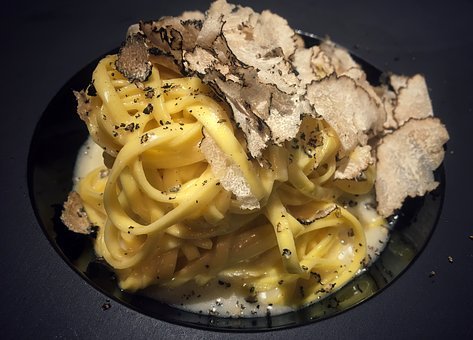
Les maltagliati (italien pour "mal coupés") sont de petites tranches de pâtes italiennes faites à partir de morceaux de pâte restants des raviolis ou des lasagnes. Les maltagliati aux asperges et aux truffes noires ont été déclarés par l'auteur, le célèbre chef de télévision Sante de Santis (2016), comme un plat typique de la cuisine ombrienne.
Outre Alba, l'Ombrie est également connue pour ses truffes. Toutes sortes de truffes peuvent être trouvées en Ombrie : des truffes blanches, ainsi que des truffes noires d'été et d'hiver. Mais la plus importante est la truffe noire de Norcia, qui pousse à Norcia et à Spoleto. Pour ce plat, une sauce aux asperges est préparée à partir de vin, de fromage, d'huile de truffe et à la fin les pâtes sont agrémentées de truffes fraîchement râpées. À déguster avec un vin blanc puissant d'Orvieto.
La cicerchiata est une recette très ancienne à base d'ingrédients simples tels que la farine, l'huile et un peu de sucre. Le seul luxe de cette recette est le miel et les perles de sucre colorées dispersées dessus. C'est un dessert coloré typique du carnaval.
Pour cela, une pâte de farine, d'œufs, de zeste de citron et quelques gouttes de liqueur Alchermes et de beurre est pétrie. À partir de la pâte, de petites boules sont formées et frites dans beaucoup d'huile. Des amandes émondées sont tranchées et le miel est chauffé jusqu'à ce qu'il prenne une couleur. Dans un bol, le miel et les boules sont mélangés et les amandes et les fruits confits en dés et les perles de sucre colorées sont ajoutés. Ensuite, un moule à gâteau avec un trou au milieu est beurré et la masse est ajoutée pour qu'elle refroidisse et prenne la forme de l'anneau du moule à gâteau.
Parmi les antipasti se trouve toujours le célèbre Tortino di patate con lenticchie e Tartufo Bianco très célèbre en Ombrie, un gratin à base de lentilles. Sur la couche de lentilles, des tranches de pommes de terre très fines sont alternées avec des champignons et des herbes, puis saupoudrées de truffes blanches. Ce plat combine, grâce à ses ingrédients, trois zones gastronomiques de l'Ombrie : la région de Castelluccio avec ses excellentes lentilles, les plaines de Colfiorito avec ses pommes de terre et la vallée de Valtopina avec ses truffes blanches.
Visitez les domaines viticoles de l'Ombrie et découvrez d'autres spécialités gastronomiques de la région accompagnées de vins locaux.
Découvrez les dégustations de vins et les visites de vignobles en Ombrie pour en savoir plus sur ce que la région a à offrir !
La région viticole de l'Ombrie est située en Italie centrale. Cette région est bordée par la Toscane, les Marches et le Latium. Perugia est la capitale régionale. Curieusement, c'est la seule région italienne sans frontière internationale ni littoral. La région de l'Ombrie est également appelée le cœur vert de l'Italie.
De petites à grandes sous-régions divisent le riche terroir de l'Ombrie en ce qui concerne la production de vin. Colli Altotiberini, Colli del Trasimeno, Assisi, Orvieto, Orvietano Rosso, Lago di Corbara, Todi, Torgiano, Amelia, Spoleto, Colli Perugini et Montefalco sont les principales sous-régions ici.
Différentes appellations sont réglementées en Ombrie, mais les points forts de la région sont le Montefalco di Sagrantino DOCG, l'Orvieto DOC, le Torgiano Rosso Riserva DOCG et l'Umbria IGT.
Les principaux cépages cultivés en Ombrie sont le Sangiovese, le Grechetto, le Sagrantino, le Trebbiano, le Chardonnay, le Grechetto, le Merlot, et le Montepulciano.
Notre conseil pour les meilleurs vins en Ombrie est le Grechetto d'Orvieto. Avec des notes riches et généralement herbacées, la vendange tardive de ce cépage peut donner aux assemblages finaux un goût plus sucré.
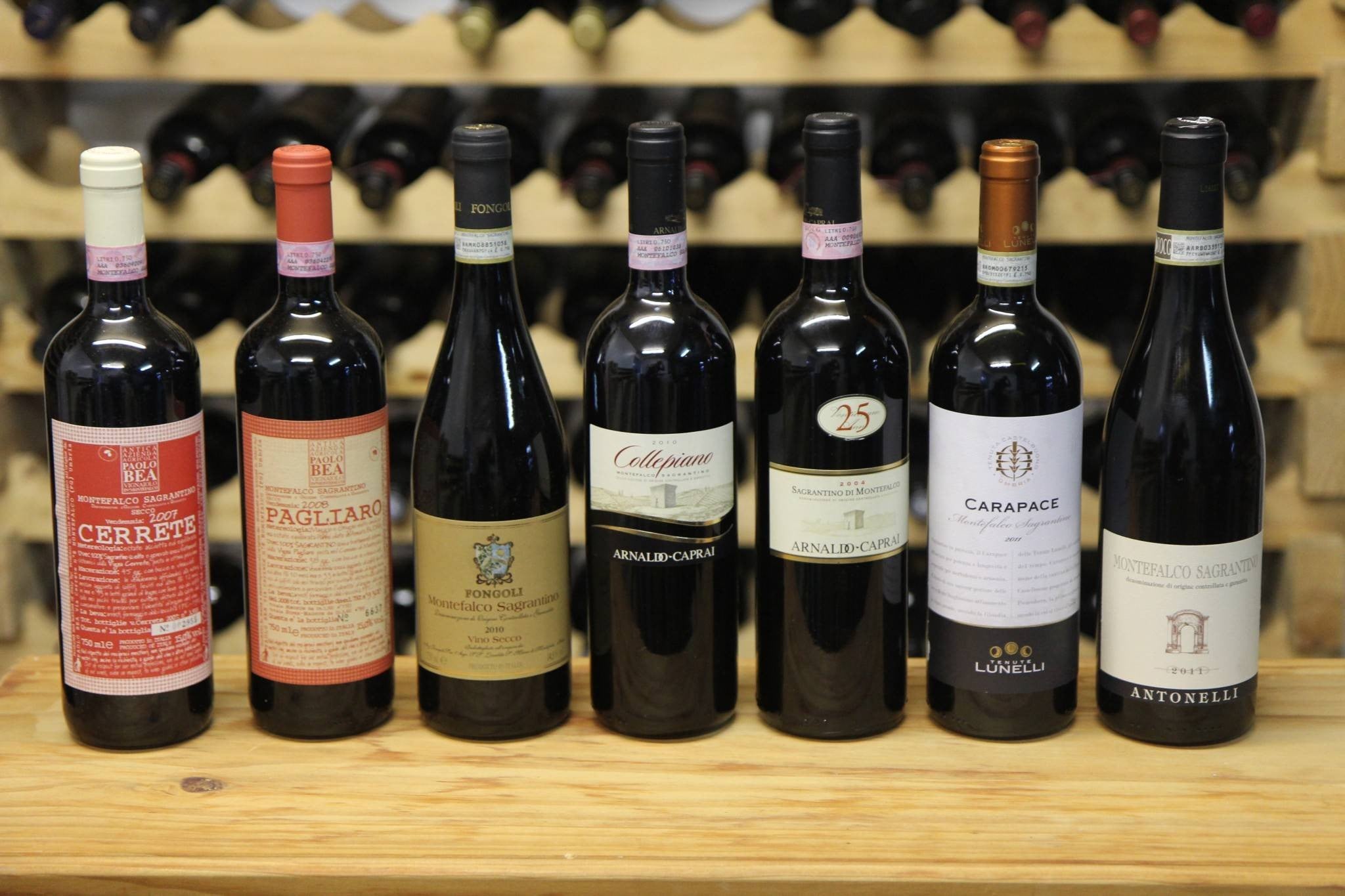
Bijou de la petite ville de Montefalco dans la région viticole de l'Ombrie en Italie, le cépage Sagrantino est responsable de vins incroyables. Le Sagrantino est un cépage rouge tannique qui produit généralement des vins corsés à l'acidité équilibrée.
Découvrez les emplacements des domaines viticoles à Ombrie
Rejoignez notre newsletter dès maintenant et recevez gratuitement notre guide pour organiser la visite de vignoble parfaite.