

Malvasia is a grape variety that has enchanted wine lovers for centuries. With its origins deeply rooted in the Mediterranean, Malvasia has traversed continents, leaving a trail of exceptional wines of feasible colour in dry, sparkling and sweet styles.
Malvasia is a wine that comes in various styles and colours, with at least 18 primary name varietals that aren't related genetically. It also has about 100 synonyms with different flavour profiles, leading to confusion. This resilient grape has not only adapted to diverse terroirs but has also inspired poets sparked debates among connoisseurs, and hidden secrets within its lush clusters.
Join us on a journey to discover Malvasia’s captivating history, diverse expressions, and undeniable allure, as we explore the grapes and wines that have stood the test of time.
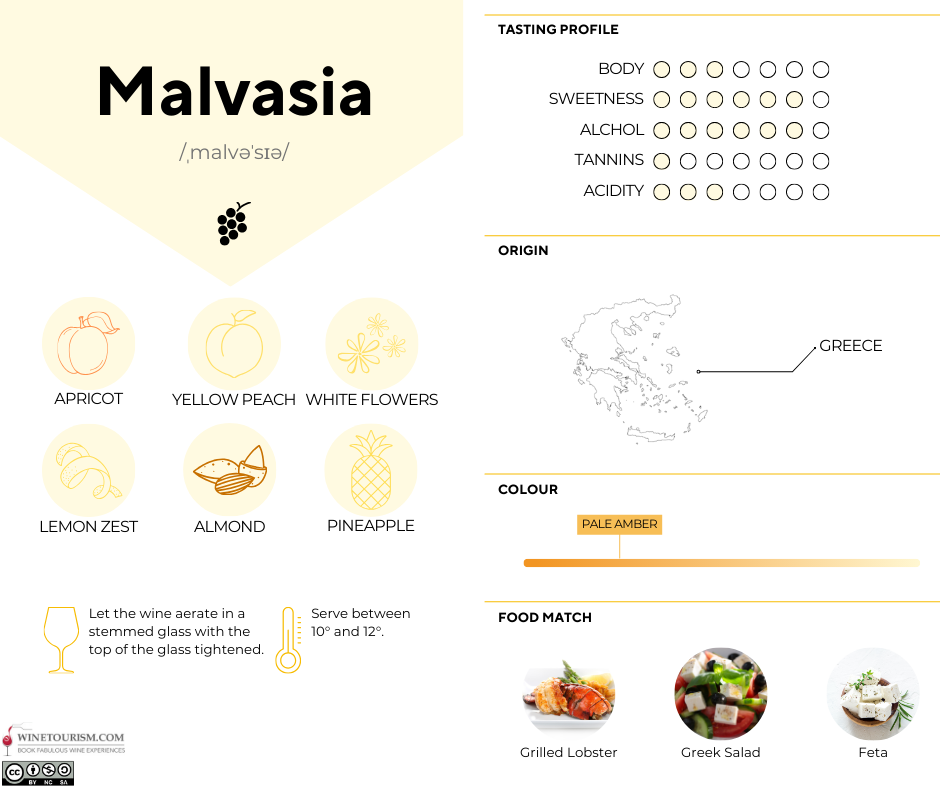
Where is Malvasia from?
The Malvasia grape has its origin in the eastern Mediterranean, most likely Greece, and has a long history dating back to ancient times. This grape variety is versatile and has spread across the Mediterranean basin, gaining prominence in Italy principally in the Friuli-Venezia Giulia region and Piedmont region.
However Malvasia grape is also produced in Spain, and Portugal. Over the centuries, Malvasia grapes have been grown in diverse terroirs such as the Canary Islands, Madeira, and even in the New World, with California, Australia, and South America now cultivating them. Today, the origin of Malvasia grapes continues to flourish in diverse terroirs worldwide, each location imparting its unique character to the wine, making it a global treasure in the world of viticulture.
Interesting Facts about Malvasia
The name "Malvasia" is believed to have originated from the Greek term "Monemvasia," a medieval town known for its wine trade. Malvasia grapes have been cultivated since ancient times, with records dating back to the Greek and Roman eras.
Another fact about Malvasia is that this grape is incredibly versatile, producing a wide range of wines, from the sweet and luscious Malvasia delle Lipari to the dry and crisp Malvasia Bianca.
Malvasia Grape Characteristics
Malvasia grape is known for its remarkable characteristics and thrives in various climates and soils. This versatile grape variety boasts enticing aromas, including citrus, stone fruits, and floral notes. Whether grown in warm Mediterranean regions or cooler, elevated vineyards, Malvasia adapts, offering a diverse spectrum of wine styles, from dry to sweet, still to sparkling.
One of the biggest Malvasia grape characteristics is that this variety has a preference for well-drained soils, such as limestone, volcanic, or sandy compositions, allowing Malvasia to absorb unique terroir influences.
Where to taste the best Malvasia wines?

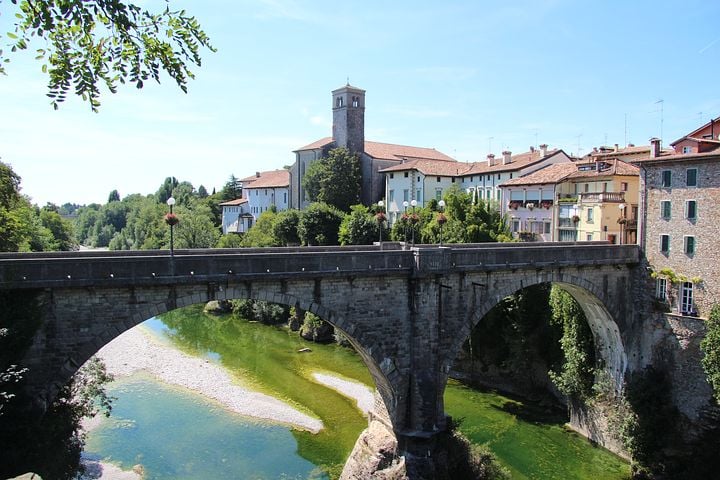
Friuli-Venezia Giulia
Here are some wineries in Friuli-Venezia Giulia where you can taste the best Malvasia:
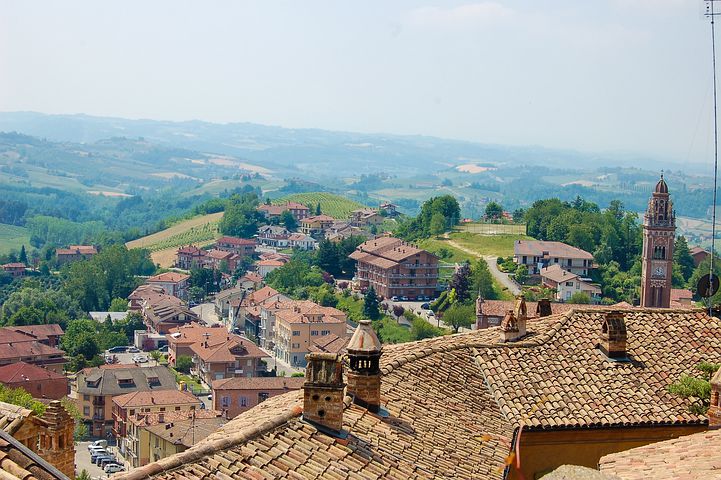
Piedmont
Here are some wineries in Piedmont where you can taste the best Malvasia:
What to Pair with Malvasia?
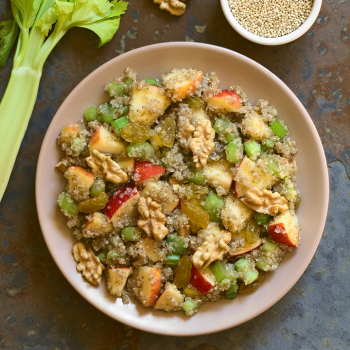
Malvasia is a versatile wine that can be paired with a variety of dishes. We recommend pairing Malvasia with light dishes, such as gently-flavoured white meats and main courses.
Good examples of Malvasia food pairings would be blue cheese risotto, Waldorf salad, or white fish fillets in lighter sauces.
It also complements seafood dishes like grilled shrimp or oysters, providing a refreshing taste. Additionally, its crispness makes it a perfect match for salads and appetisers.


