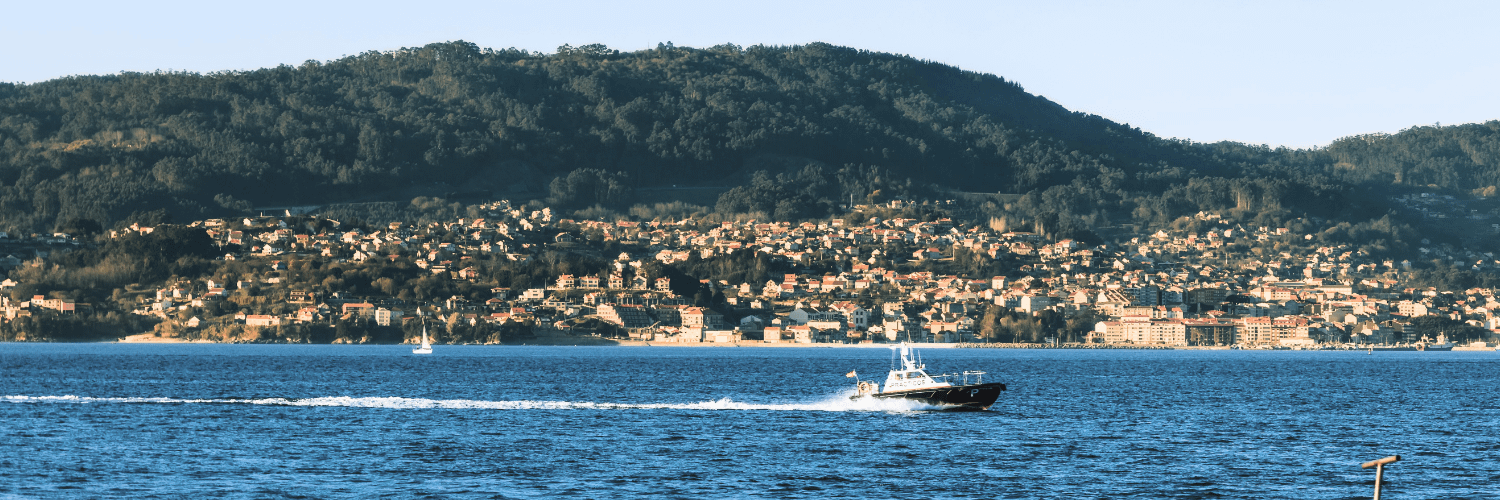

Let’s imagine the sound of waves rolling against the shore while the scent of grilled seafood drifts through narrow streets. People walk along a harbor where fishing boats return with the morning catch. A glass of cold Albariño wine waits on a cafe table nearby. You’re in Vigo, Galicia’s coastal city, where the Atlantic breeze reaches the nearby hills of the Rías Baixas wine region.
Few places capture the spirit of Galicia like Vigo — Life here follows the rhythm of the sea. Locals gather at markets for fresh mussels and octopus, and evenings stretch out over small tapas bars facing the water. If you’re searching for new things to do in Vigo for wine lovers, start with its flavors. Taste the seafood, join one of the Vigo wine tours, and discover why this city has become one of the most authentic coastal wine destinations in Spain. Ahead, we’ll explore more of its food, wine and the calm spirit of Galicia’s coast.
The Essence of Vigo
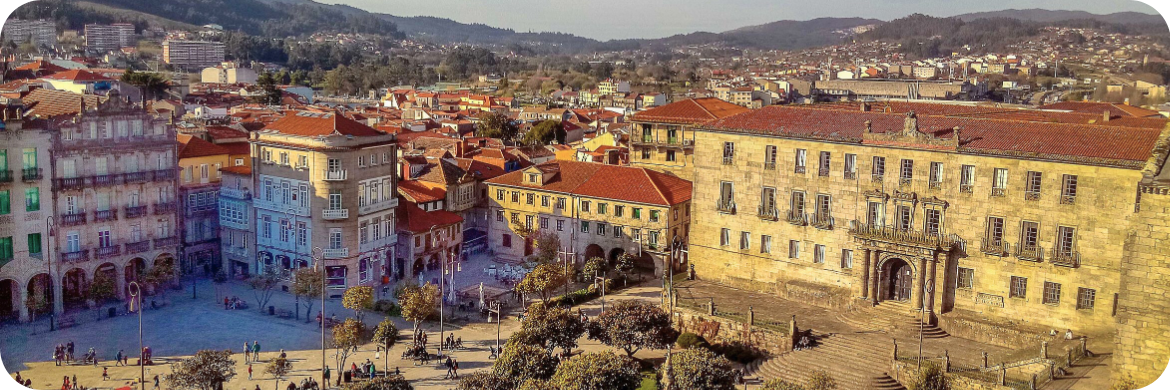
Vigo lies on Spain’s north-west coast, on the edge of the Atlantic, shaped by it in every possible way. The city grew around its harbor, which has long been one of Europe’s busiest fishing ports. You can see this blend of history and daily life in Casco Vello, Vigo’s old town, which is filled with restored stone houses, narrow lanes and small squares close to the harbor. From the hills above the old town, you can see the Cíes Islands on the horizon, known for their white sand beaches and clear Atlantic water.
Many families here have roots in fishing and winemaking, two traditions that define the city’s identity. The ocean influences everything, even the vineyards, where cool Atlantic air keeps the grapes fresh and crisp. Tasting a glass of Albariño wine by the harbor feels natural, almost inevitable. As you might expect, it's hard to imagine anything better as a pairing for local wine than seafood. That curious connection between sea and wine is what makes Vigo stand out.
Over time, it has grown into one of Spain’s most dynamic gastronomic destinations, attracting travelers from around the world who come to taste the freshest seafood and the creativity of its chefs. Michelin-starred restaurants stand alongside family-run taverns, reflecting the balance between Galicia’s culinary roots and its modern edge. It’s no surprise that Vigo has become a favorite stop for anyone who travels for taste.
The Taste of the Atlantic: Vigo’s Seafood Culture
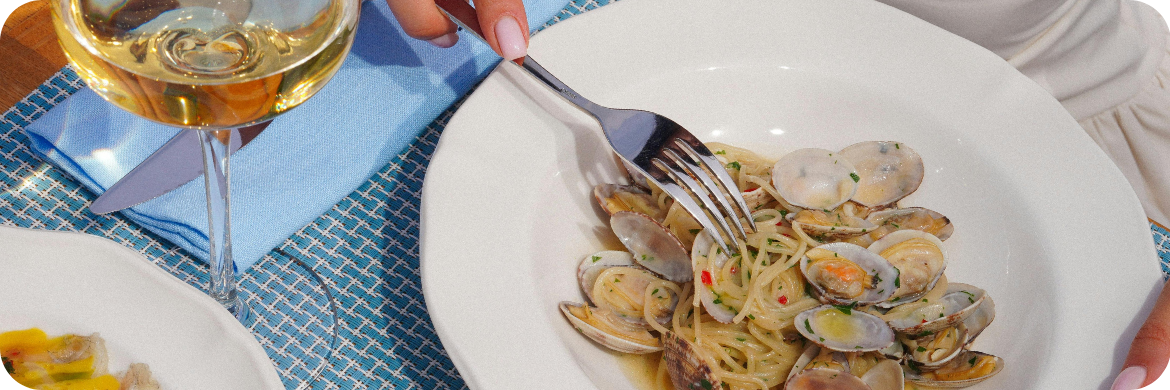
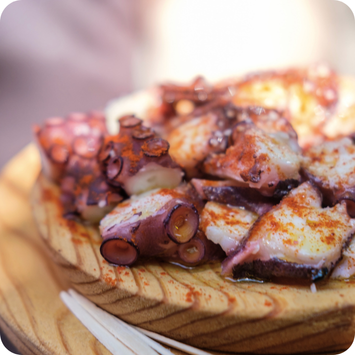
Vigo’s connection to the Atlantic runs through its kitchens as much as its harbor. The city is known for seafood that arrives fresh every day, with oysters, mussels and octopus among the most celebrated. Locals eat simply: grilled, steamed or drizzled with olive oil. Among the classics, Pulpo a la Gallega is the region’s signature dish: tender boiled octopus sprinkled with sea salt and smoked paprika. Another favorite is Empanada Gallega, a thin savory pie often filled with tuna or mussels and shared warm among friends.
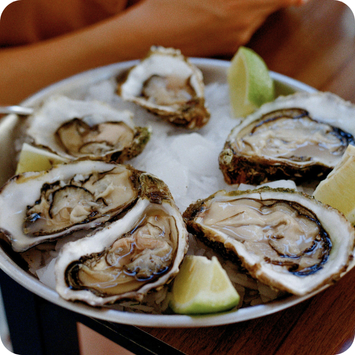

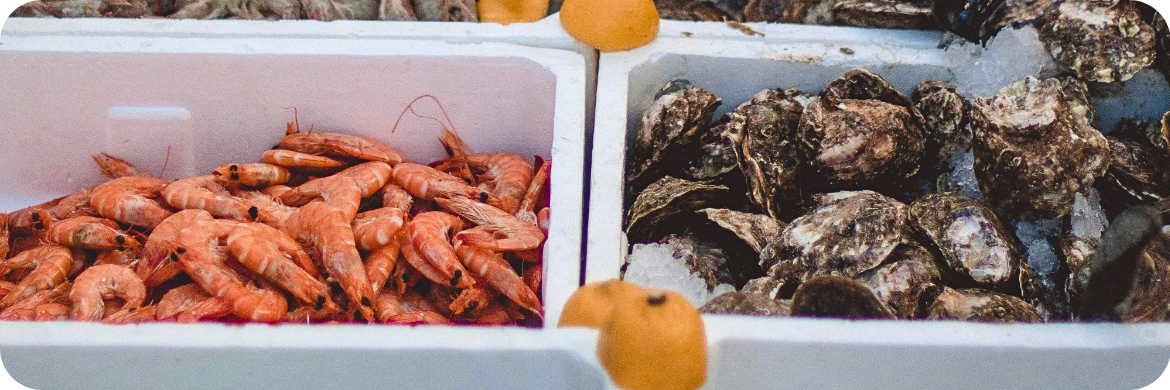
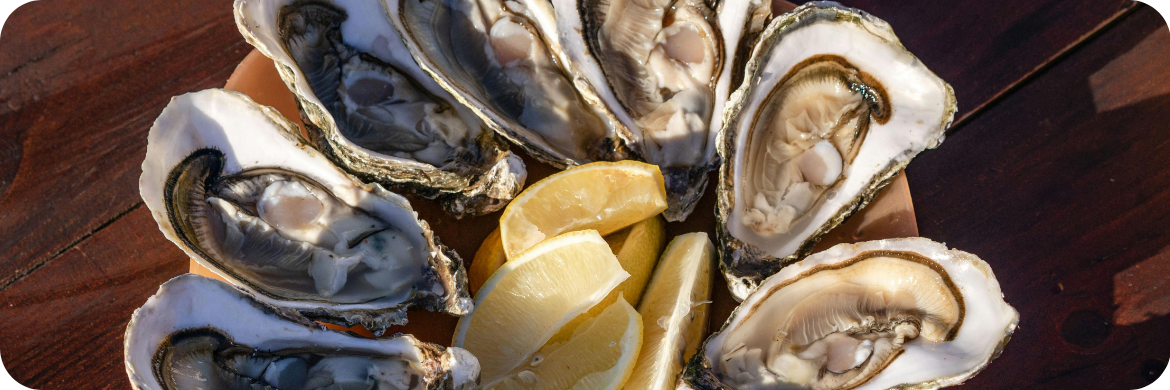
You feel this maritime energy everywhere. Tapas bars fill with locals sharing plates and conversation about which bay produced the sweetest mussels that week, and nearby fish markets overflow with the day’s catch. One of the best-known spots is Mercado da Pedra, an open-air seafood market where vendors open oysters right at the counter and pass them to you on the shell. A squeeze of lemon, a sip of local wine, and you understand why seafood in Vigo has a reputation that stretches far beyond Galicia.
In the Heart of Rías Baixas: Wine & Landscape
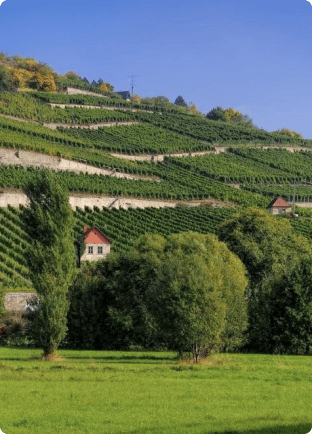
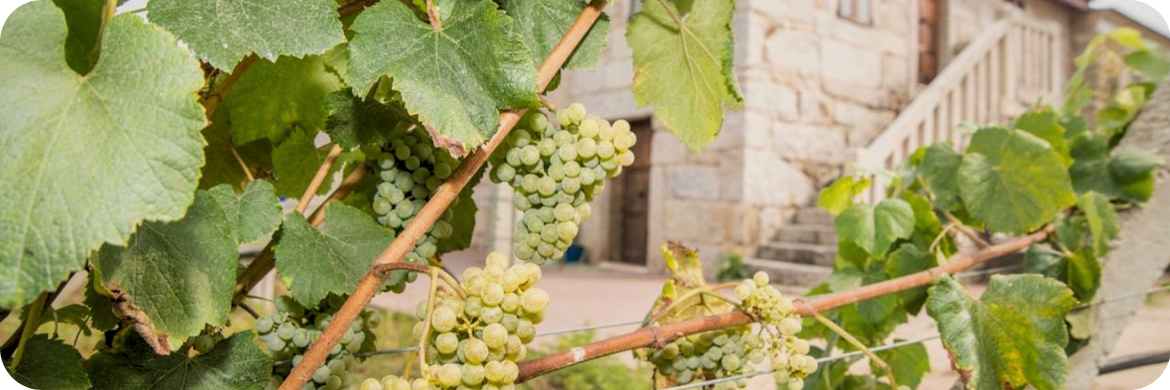
Around the city stretches the Rías Baixas DO, the coastal heart of Galicia’s wine country and home to the Albariño grape. Here, vineyards grow almost at sea level, just a few kilometers from the Atlantic. The humid ocean air, granite soils and steady winds are reflected in wines that are crisp and mineral.
Winegrowing has deep roots in this region, though its rise to fame came only in recent decades, as Albariño gained recognition as one of Spain’s most distinctive white wines. Vines are often trained on stone pergolas to keep them dry, and most of the harvest is still done by hand. The result is a style defined by citrus, stone fruit and a light saline note that makes seafood taste even fresher.
Learn more about the nature of Albariño here.
If you’re wondering what to do in Vigo beyond the harbor, a day trip into the Rías Baixas wine region is an easy choice. Visit a couple of wineries, walk between rows of vines, then end the afternoon in nearby Cambados or Pontevedra for tapas and a final glass of Albariño. It’s a simple plan that perfectly captures the spirit of Galicia’s coast.
What to do in Vigo
After getting to know Vigo’s seafood culture and coastal charm, the next step is discovering its wines. The city and its surroundings offer some of the best Galicia wine experiences, from vineyard tastings to seaside pairings of Albariño wine and local cuisine. Below are a few Vigo wine tours and day trips into the Rías Baixas wine region that capture the true flavor of the coast.
A Slow Afternoon at Bodega Corisca: Tasting Galicia’s Organic Wines
At Bodega Corisca, visitors learn about the estate’s organic methods right in the vineyard. The tour begins among the vines, where guests learn how sustainable practices shape Albariño wines. Afterward, a guided tasting of two estate wines is paired with local snacks like artisanal cheese and potato pie. It’s an unhurried, genuine experience that leaves you with a real taste of Galicia’s countryside.
Flavors of the Old Town: Wine & Tapas
This walking 2-hour tour through Vigo’s Old Town combines premium Galician cuisine with selected local wines. Guided by Thomas, a local wine expert, it introduces visitors to the city’s flavors and festive spirit. The experience keeps an intimate pace, moving between tasting stops where guests enjoy authentic dishes and regional wines in a relaxed, friendly atmosphere.

A Gourmet Day in Galicia: Albariño, Coastal Views & Michelin Flavors
Led by Galician wine expert Juanjo Cuenca, this private 5.5-hour tour combines Albariño wine tasting with coastal scenery and fine dining. Guests visit a prestigious winery, stroll through the historic village of Combarro, and enjoy a Michelin-starred lunch in Pontevedra. With comfortable transport and a seamless pace, it’s a refined way to experience Galicia’s wine and food culture in a single day.
A True Taste of Vigo: Oysters, Octopus & Lobster
This culinary 3.5-hour tour through Vigo takes guests to two local restaurants that showcase Galicia’s seafood at its best. Fresh oysters, Galician-style octopus (Pulpo a feira) and lobster paella (Arroz de Bogavante) are paired with Albariño and sweet wines. The meal ends with traditional Galician ice cream – the perfect sweet note.
Discover these experiences and book your next taste of Vigo’s wine culture here.
How to Plan Your Visit
Before setting off on your wine adventure, a few simple tips can make the journey smoother and more rewarding:
- Best time to visit: Spring and autumn are ideal for exploring the coast and vineyards. The weather is mild, and the city feels calmer, away from the peak tourist season. If you’re a seafood lover, each season has its own highlight: in autumn, oysters reach their peak after summer spawning, becoming firm and rich in flavor, while spring brings the best mussels and octopus, freshly caught from the Atlantic.
- Recommended stay: Spend at least two days in Vigo and one more day in Rías Baixas – the perfect mix to enjoy the city’s food scene and nearby wineries at an easy pace. An overnight stay lets you savor long evenings over Albariño and seafood.
- How to get there: Vigo has its own airport, Vigo-Peinador Airport (VGO), with short daily flights from Madrid, Barcelona and Bilbao. Trains arrive from Madrid (around 4-6 hours), A Coruña (1.5-2 hours), Santiago de Compostela (about an hour). Travelers coming from Portugal can reach Vigo from Porto in 2-3 hours by train or car. For those who enjoy driving, the AP-9 highway follows the coast, offering some of the region’s most beautiful views along the way.
- Combine your trip: Vigo can easily be part of a longer wine route. Travelers often combine it with Santiago de Compostela or Porto, creating a coastal journey that blends Spanish and Portuguese wine traditions.
After all these practical tips, it’s time to picture yourself there, letting plans turn into moments.
So here we are, back at the harbor where our walk began, with the sound of waves and a hint of salt still in the air. We’ve tasted Albariño where the vines meet the sea, shared Galician dishes warm from the kitchen, and followed the rhythm of Vigo’s easy days. This city reminds you what it means to pause and feel the moment amid the rush of the modern world.
FAQ
What seafood is Vigo most famous for?
What’s the best time to visit Vigo for seafood and wine?
For wine: Both spring and autumn are ideal for exploring the Rías Baixas vineyards and tasting Albariño at its freshest. In spring, the vines wake to life, becoming green, and autumn brings harvest days filled with the scent of ripe grapes and the sound of clinking glasses in the wineries.