
Easter is a time for egg hunts and chocolate in all its varieties, but that's not all. It is also a wonderful weekend for planning a good family feast.
There are plenty of gastronomy ideas for Easter dinner. However, lamb is traditionally the favorite Easter entrée, yet other meals are also be appreciated. What about wine after you've served the food to your guests? Have you already decided on this important step? If not, then here you will find a pointer to the best Easter wine!
Keep in mind, whether you want to serve Easter brunch or Easter dinner. Here comes a little hint: light to medium-bodied wines are more easily digestible at lunch, whereas full-bodied wines may feel more appropriate at dinner.
Best Wine For Easter Lamb
Lamb is a popular Easter meat, and the way it's prepared means you'll be able to serve it with a wine of your choice for the perfect pairing!
South African Pinotage, Zinfandel, or Australian Syrah are fantastic examples to combine with grilled lamb meals. You can also keep in mind elegant Chianti Classico or Sicilian Nero D'Avola to pair with lamb with rosemary and other delightful and nourishing herbs. The rich lamb meal will be perfectly complemented with equally rich wines from southern Italy, such as Primitivo, Southern Rhone assemblages, and robust Douro dry red blends.
For extraordinary lamb dishes, consider rustic reds from Languedoc, or powerful reds from the Priorat wine region. Skin contact ”orange” wines are also an excellent Easter wine choice, as they contribute tannins close to red wines while retaining the fruity flavours of whites.
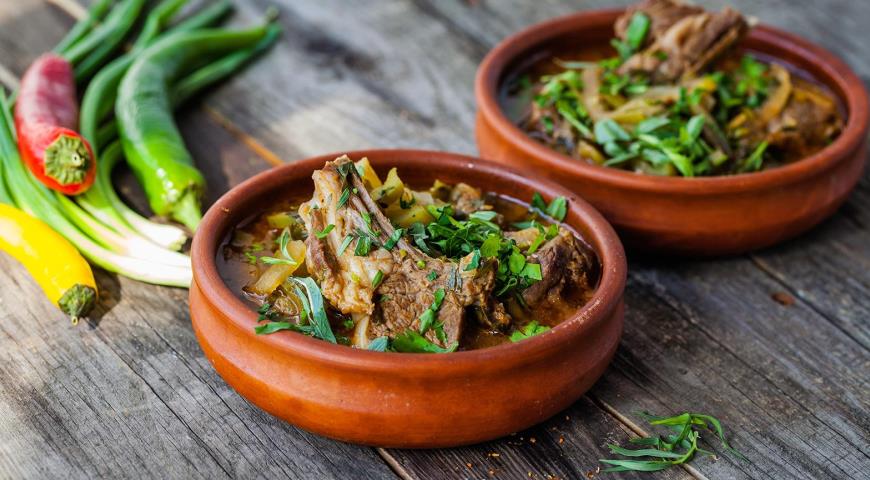
Traditional Georgian Easter Dinner With Lamb. Chakapuli + Rkatsiteli.
Traditionally, chakapuli is prepared on Easter and on the day of the celebration of St. George – the day of St. George, the patron saint of Georgia. In the first weeks of April, a whirlwind of snow-white petals covers Tbilisi. It is the time when plum trees are blooming, giving one of the main ingredients for the chakapuli.
Sour, with a pronounced bitterness of plums, young tarragon and young lamb are the main ingredients of this meal. Chakapuli is specially cooked meat. Incredibly aromatic and delicious, it is usually cooked in large cauldrons or sometimes, even on an open fire, and certainly for a large company. Rkatsiteli is an occasion for Georgians to create the necessary ambience at any event, whether it is an individual taste or a joyful evening on the occasion of an anniversary. Rkatsiteli's flavour, which is defined by prominent fruit plumes with a hint of sourness, pairs well with chakapuli.
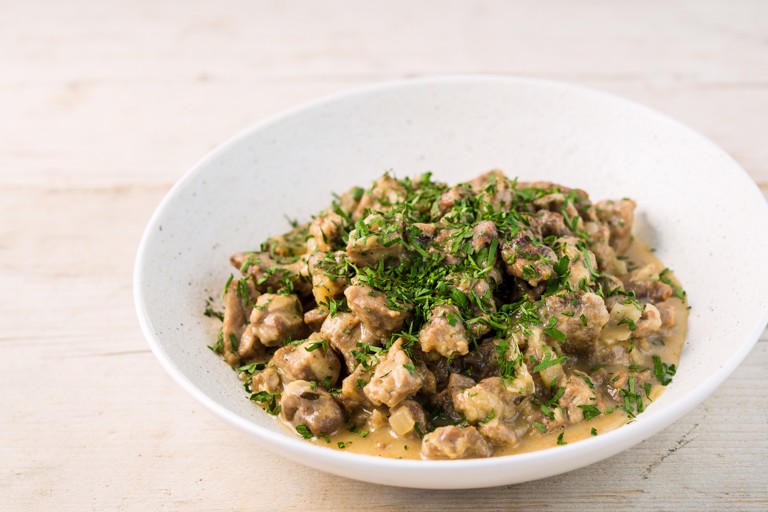
Traditional Italian Easter Dinner. Agnello cacio e ova / Lamb with cheese and egg + Nebbiolo
The Agnello cacio e ova recipe is a genuinely distinctive meal from Abruzzo, where lamb reigns supreme. Lamb cheese and eggs, traditionally served for Easter, is a highly tempting and hearty second dish of Molise provenance. Delicious lamb meat pieces are served alongside an exquisite flavour of beaten eggs and Abruzzo pecorino. Legendary Nebbiolo makes good company for Agnello cacio e ova at your Easter dinner. It's all thanks to the palpable acidity and harmonious tannins of Nebbiolo with its beautiful berry and flower profile.
Best Wine For Easter Ham
If you're serving Easter ham, your wine menu widens to include whites, rosés, and light to medium-bodied reds.
The primary pairing consideration with has is its natural sweetness, even when seasoned or cooked in a savory manner. This sweetness complements fruity wines of any color. In the red category, this includes wines with soft tannins that will not provide a striking contrast to the sweetness of the ham.
It is advised to combine the common grilled pork with rich reds such as Rhone wines based on Syrah, Chilean Carmenere. Semi–dry Riesling is an intriguing pairing that has already become canonical.
Semi-dry German Rieslings go well with fried chops, as do Pinot Gris from Veneto. Rich red wines from the New World go well with sweet and spicy BBQ ribs: Australian Syrah, Chilean Carmenere, and American Zinfandel.
The steamed pork with veggies calls to mind red classics wines such as Rioja, Cote du Rhone, and Malbec. Loire white wines based on Chenin Blanc make perfect food marriage with baked pork with apples. If you wish to serve the pork with a cream sauce, put your choice on oak-aged chardonnay.
Traditional Austrian Easter Food&Wine
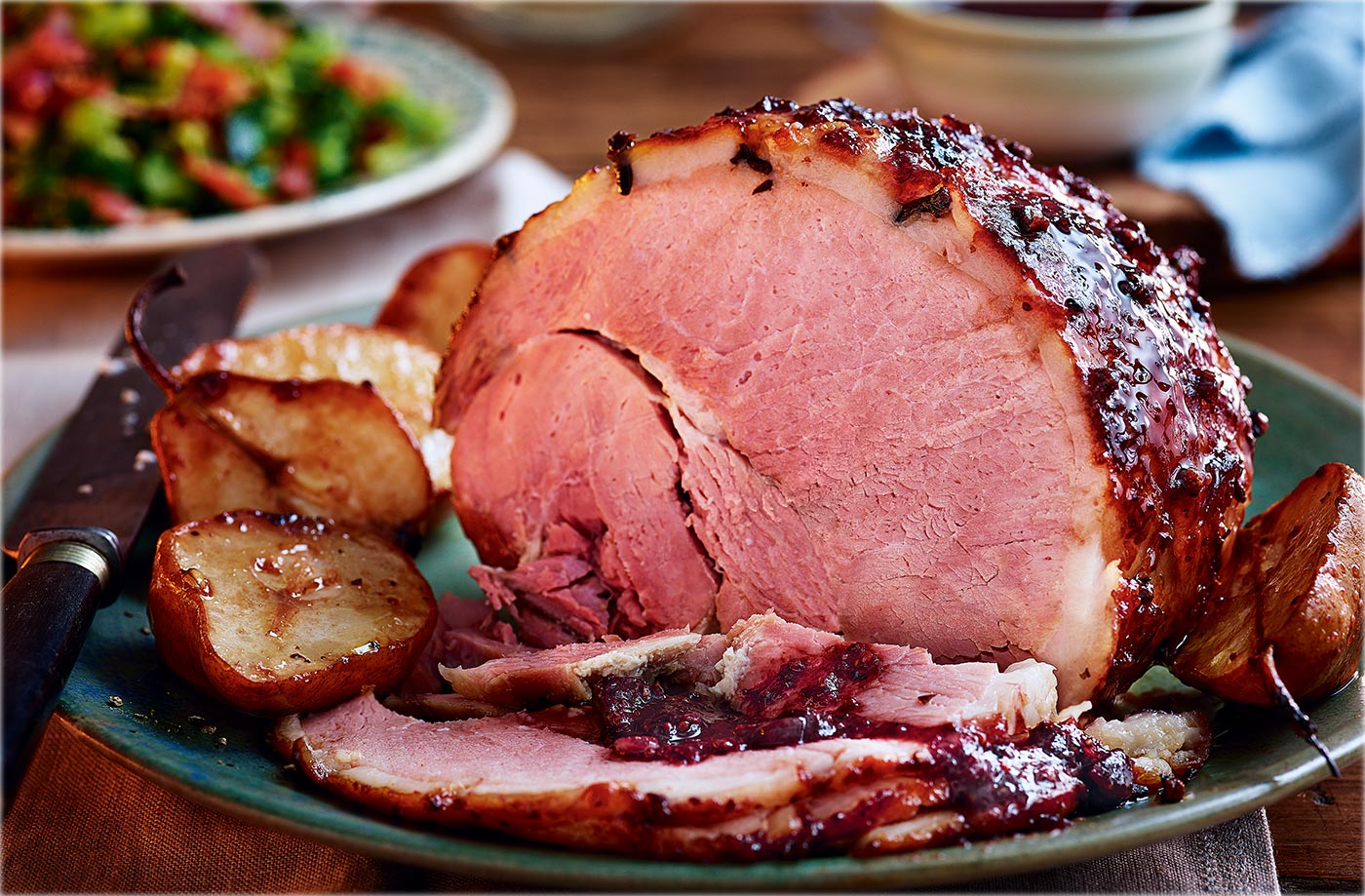
In Austria, the highlight of the Easter dinner table is a succulent roasted ham. The most typical way is osterschinken im brotteig, which is cooked ham baked into bread dough. The ham can also be cooked with sauerkraut, which combines the soft flesh with the acidic flavor of pickled cabbage.
Zweigelt is an Austrian pearl of winemaking. The lightness of Zweigelt with pleasant acidity makes it one of the best wine for Easter ham.
Best Wine For Easter Duck
Compared to other poultry, duck meat is more dense and fatty. Therefore, the wine should be selected acidic, with pronounced fruit flavors – since most often duck goes along with fruits and berry sauces.
One of the first wine combinations that comes to mind is duck and Pinot Noir, both from Burgundy and from New Zealand, Italy, Chile, Argentina, and Oregon. Duck with apples greatly make a pair with Riesling off-dry late harvest, and if you have oranges instead of apples, take Sauternes, or Gewürztraminer.
With this Easter wine combo, your taste buds will remember this feast for a long time.
And For a Dessert, What Could Be Better Than a Good Sparkling Wine?
To finish the meal on a good note, pick out an exceptional Champagne or Prosecco that will tempt your guests. It’s good to mention, that they also help out in a challenging situation when the sugar and umami levels are off the scale on the table. Moreover, the bubbles will perfectly support the festive mood.
The basic laws of compatibility apply when selecting a pair for a pie, cake, or chocolate. Wine should not be “lost” against the backdrop of an overly intensely flavoured food, so pick a wine that is sweeter than dessert. Choose subtle, refined desserts without bright and overwhelming sweetness from the wide choice that the eyes flee.
Traditional Spanish Easter Dessert Torrijas + Cava
Spain's food scene erupts with Easter pastries and breads during holy week. Torrijas, which are popular throughout Spain, are a classic example of Easter beauty. Torrijas are pieces of slightly stale bread that have been soaked in milk, sugar, and spices overnight, then coated in egg and fried in olive oil until crispy and golden brown. Torrijas can be soaked in wine, syrup, or honey, but after frying, they are coated with a delightful cinnamon sugar mix. These are typically served on Easter Monday in Catalonia.
Cava's distinct flavor profile makes it an excellent and varied matching companion for torrijas. Semi-seco Cava is an excellent dessert wine as the sweetness, softness, and freshness of it compliment the gentle taste of torrijas (especially Cava rose).


