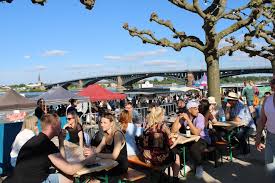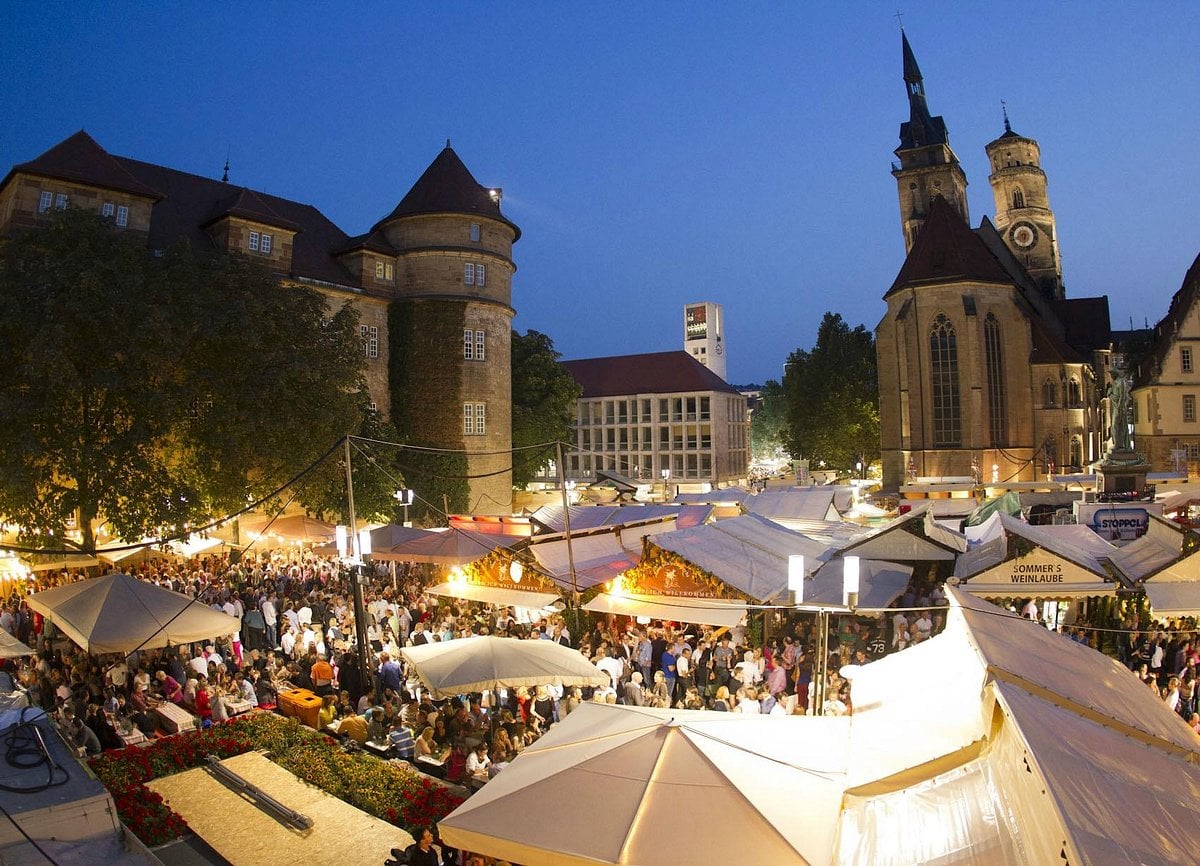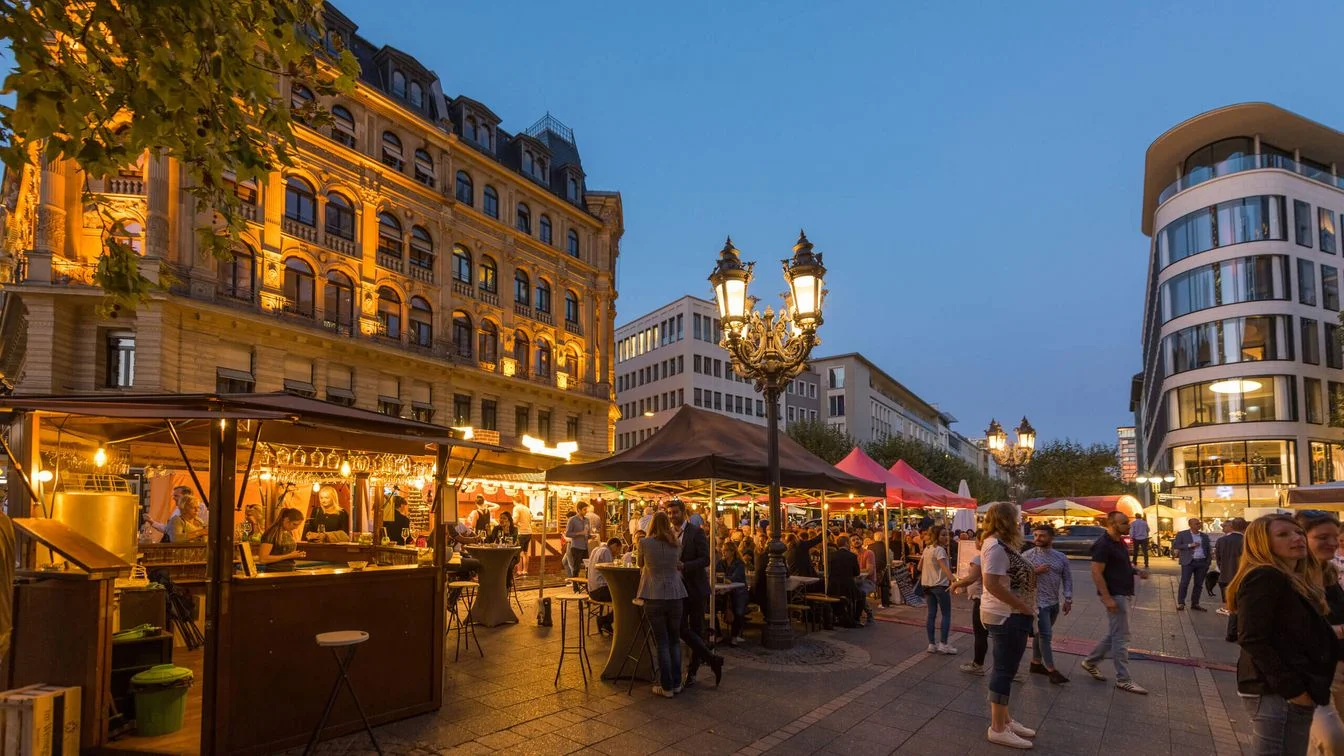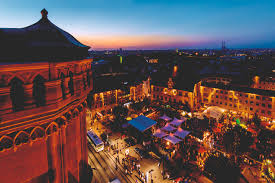
Mainzer Weinmarkt is one of the wine festivals that anchors the Rheinhessen calendar, drawing both local visitors and international wine travellers each year. It is held at Stadtpark and Rosengarten in Mainz, in the heart of one of Germany's most distinctive wine areas. It has been running since 1948, with a long unbroken local tradition behind it.
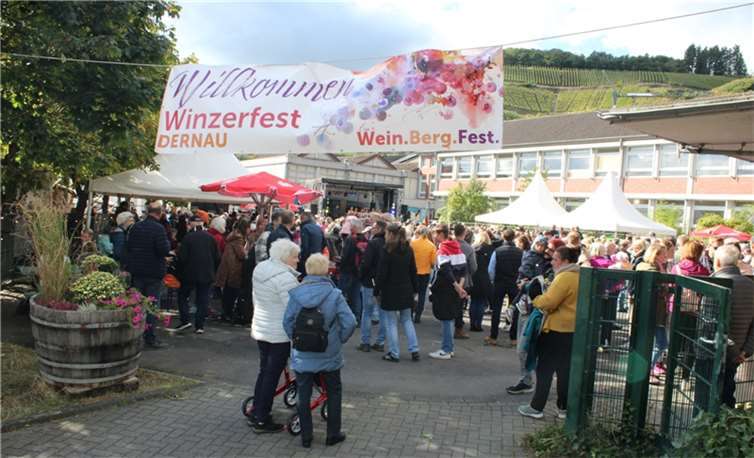
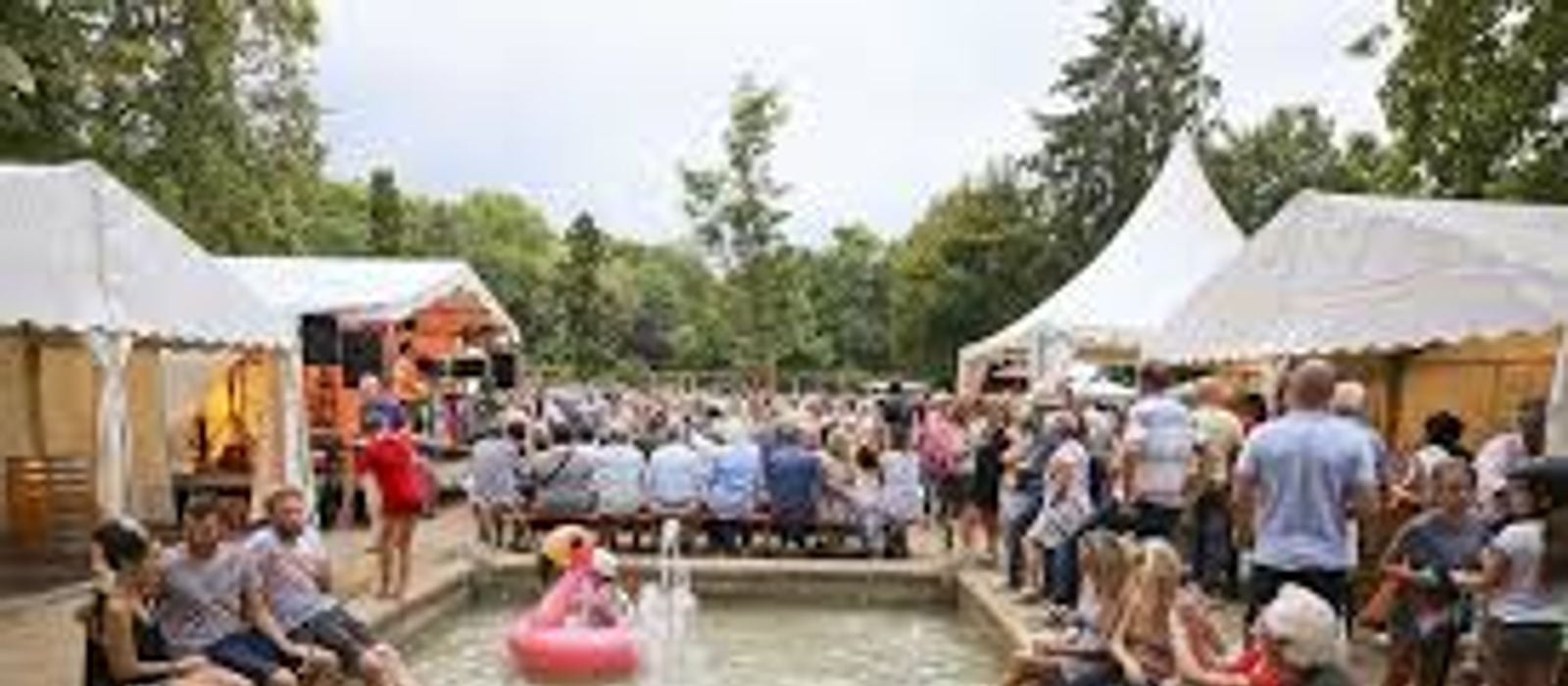
The Mainzer Weinmarkt is the central wine festival of Rheinhessen, held over two long weekends at the end of August and beginning of September in Mainz's central park and rose garden. Around 60 producers from across Rheinhessen pour their wines from open-air stalls beneath the chestnut trees, with the bloom of the rose garden creating one of Germany's most attractive festival settings. Programme includes traditional brass-band concerts, jazz and folk performances, masterclasses on Rheinhessen's grape varieties (Riesling, Silvaner, Müller-Thurgau, Spätburgunder, Dornfelder), regional food stalls offering Spundekäs, Flammkuchen and Handkäs, and a fireworks display closing the second weekend. German wine festivals — weinfeste — are some of the country's most-attended summer events, with hundreds taking place across the wine regions between June and October. Programmes typically combine open-air tastings under marquees in the village square, tastings of the local Riesling, Pinot Noir (Spätburgunder) and other regional varieties, traditional brass-band music, food stalls offering Flammkuchen, Maultaschen, Schnitzel and the local sausage specialities, and a Weinkönigin (wine queen) ceremony at the heart of the programme. Many festivals trace their origins to the medieval guilds and have run continuously for over a century. The event is organised by Mainzplus Citymarketing GmbH, which sets the tone and direction of the programme each year.
Rheinhessen is Germany's largest wine region by vineyard area (around 27,000 hectares) and home to the country's most diverse plantings. The region sits between the Rhine, Main and Nahe rivers in the Rhineland-Palatinate state. Müller-Thurgau and Riesling dominate the white plantings, with Silvaner (the world's largest planting), Grauburgunder and Weißburgunder also significant; Dornfelder and Spätburgunder lead the reds. Rheinhessen is the birthplace of Liebfraumilch — the semi-sweet white that drove German wine exports in the 1970s and 80s — but the modern Rheinhessen is increasingly defined by serious dry Rieslings from sub-zones like Nierstein, Westhofen and Oppenheim.
The 2026 edition is scheduled for August 28-30 and September 4-6, 2026. Entry is free, with optional paid tasting passes or guided sessions available on site. Full programme, ticketing and updated information are published on the official site at https://www.mainz.de/mainzer-weinmarkt. Visitors are advised to check directly with the organiser for the latest schedule, as festival programmes are sometimes updated close to the event date.
Rheinhessen is reached via Frankfurt airport, with Mainz (the regional capital and wine industry centre, also home to the Gutenberg printing museum), Worms (the historic Cathedral, the Nibelungen heritage and Liebfrauenmilch's birthplace) and Alzey as the main bases. The region is mostly flat or rolling hills, ideal for cycling and walking. Rheinhessen cuisine pairs the wines with Spundekäs (whipped cheese spread), Saumagen, Handkäs, Flammkuchen, Riesling-poached river fish, the area's Schweinefilet preparations and the substantial cured-meat tradition of the Rhine plain.