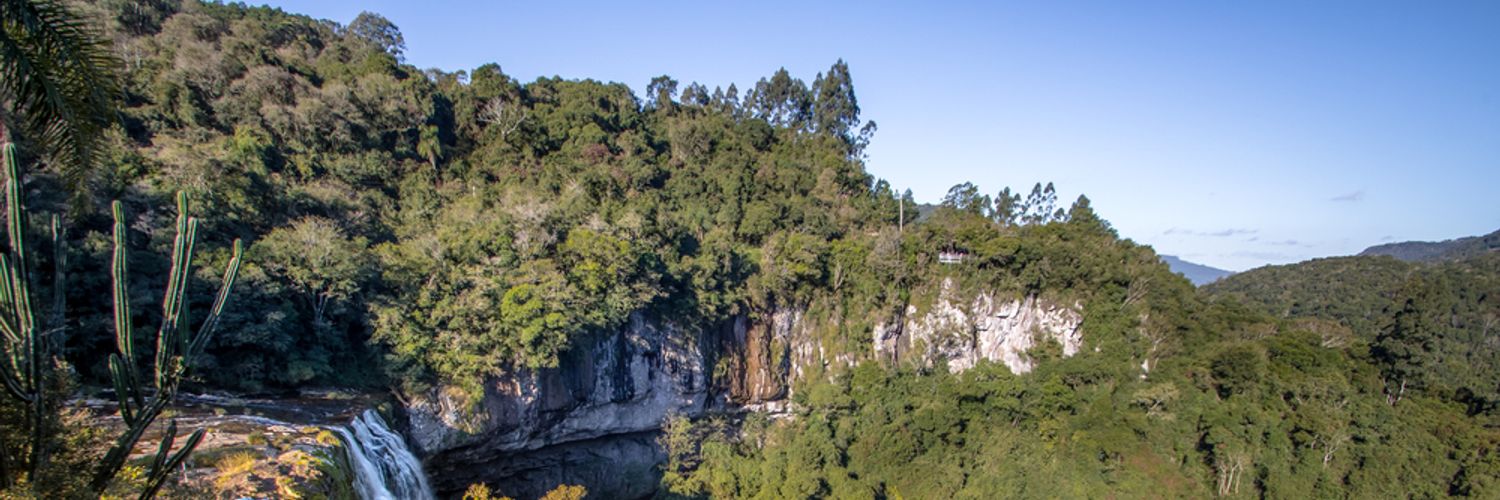
Farroupilha wine region is considered the Brazilian capital of Moscatel wine. The wines of the Farroupilha wine region are strongly influenced by the previous Italian colonization of the region that occurred in 1875. As a region, the Farroupilha wine region is entirely defined by viticulture and is today the largest production area for Muscat grapes in Latin America.
Find out about Wine Tasting & Tours in Farroupilha wine region to enjoy if you visit the region.
Continue reading the travel guide to Farroupilha wine region to discover more about:
Wines of the Farroupilha Wine Region
Places to visit in the Farroupilha Wine Region
Food to try in the Farroupilha Wine Region
Where Italian Winemaking and Brazilian Culture Meet
The previous Italian colonisation of the region strongly influences the viticulture, everyday culture and wines of the Farroupilha wine region.
Farroupilha sits in between 600m and 800m above sea level and has a hilly landscape characterised by various beautiful mountain ranges.
The climate of the Farroupilha wine region is subtropical with hot and humid summers and cold to mild winters. The terroir of the region is made predominantly of clayey basalt.
Grape Varieties
Red: Tannat, Carmenérem, Cabernet Sauvignon, Merlot
White: Moscato Branco (tradicional), Moscato Bianco, Malvasia de Cândia, Moscato Giallo, Moscatel de Alexandria, Moscato de Hamburgo
The Home of Muscat Wines
Farroupilha wine region is considered the home of Muscat in Latin America. The range of Muscat wines produced in the Farroupilha wine region includes still wines, sparkling Muscat, semi-sparkling Muscat, liqueur, mistela and brandy.
The sparkling wines of the Farroupilha wine region are light and easy to drink. They are refreshing with a wonderfully sweet and fruity aftertaste. Farroupilha red wines are light, pleasant, medium-bodied, and have a light persistence. The white wines of the Farroupilha wine region are balanced and refreshing.
Read more about Wineries in the Farroupilha wine region to visit.
The Places to Visit in Farroupilha Wine Region
Praca Regional da Uva - The Grape Square
The name Praca Regional da Uva means the grape square. This square is located in front of the Church of Otavio Rocha in Farroupilha. The purpose of the square is to honour the area which is one of the largest grape-producing municipalities in Brazil. On the square, there is a statue of a winged lion, a monument to the wagoner the monument of the 3rd millennium and Nossa Senhora da Uva, as well as a bust of Dr Otavio Rocha.
Casa de Cultura – Escola Publica de Musica
The Public School of Music was opened in 2013 at the Castle of Culture in the Mansion on Rua da Republica in Farroupilha. The school started with 175 students and the aim was to bring together a diverse audience of music lovers, teachers, professionals and musicians. Currently, the school has 7 professional musicians on the faculty and teaches 300 regular students.
The Municipal Museum of Casa de Pedra
The Museu Municipal Casa de Pedra is located in old residents in Farroupilha which is the business house of the local Fin Family. The architecture of the building is reminiscent of the Italian immigration to the area. Inside the museum, there is a range of collections of utensils, furniture and other artefacts that portray the lives of the Italian immigrants as well as the development of Farroupilha over time.
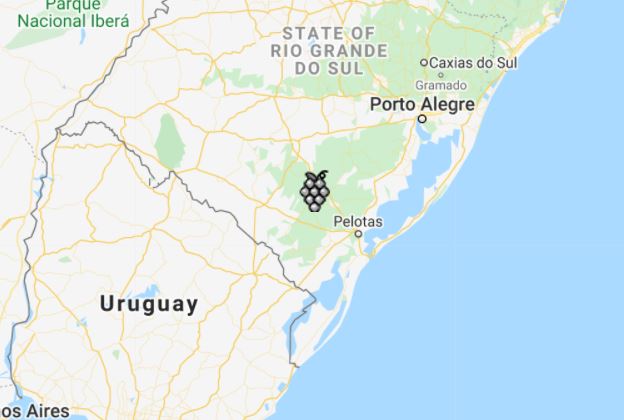
Farroupilha Wine Region Map
You can also check out our interactive map of the Farroupilha Wine Region to discover wineries with open cellar doors.
The Breathtaking Nature of Farroupilha Wine Region
Farroupilha wine region is one of the most naturally beautiful wine regions in Brazil. The diverse landscape f other regions is wonderful for nature lovers and provides the perfect escape from the busy Brazilian city life.
Parque Salto Ventoso - The Perfect Family Leisure Park
Salto Ventoso Park is one of the most beautiful outdoor leisure areas in Farroupilha. Inside the park, there is a beautiful 56-meter-high waterfall as well as walking trails, viewpoints and a wonderful bridge crossing the river. There are also specialised services in the park including abseiling, a restaurant and barbecue rentals. Salto Ventoso Park is a short 12 km from the centre of Farroupilha and provides fun for family members of all ages.
G Parque - Find Adventure in Farroupilha
G Parque is an outdoor adventure park in the Farroupilha wine region. Inside the park, there is some of the most beautiful nature of Farroupilha. The park offers visitors a range of activities to enjoy including a 50-meter abseil surrounded by virgin forest and overlooking the valley; ecological walks through the Valley of Serra Gaucha; rock climbing and various lookout towers.
Parque dos Pinheiro - Peace in the Heart of the City
The Parque dos Pinheiro is a park located in the heart of the Farroupilha wine region. Although the park is so close to the city, it is extremely peaceful and serene and is surrounded by restaurants to enjoy a relaxing meal. Inside the park, visitors can enjoy the duck pond and the many walking and running paths.
The Gastronomy of Farroupilha Wine Regoin
The gastronomy of the Farroupilha wine region varies widely across the region. It is a true reflection of the diversity of the area and its mix of native and immigrant populations. The result of this is a cuisine that is exciting and diverse, which offers something for everyone to enjoy and a wonderful gastronomic journey.
Entrecot a Farroupilha - The Official Steak of Farroupilha
Entrecot a Farroupilha is a local steak dish that is a favourite in the Farroupilha wine region. The dish is made by first cleaning and removing all excess fat from the entrecote steak. The steak is then seasoned with salt, bay leaves, lemon zest and black pepper. Once ready, the prepared entrecote is cooked on a hot iron or thick-bottomed pan with melted butter and olive oil.
Macarrao Campeiro - Famous Farroupilha Noodles
Macarrao Campeiro is a pasta dish that is very popular across the Farroupilha wine region. To make this dish, ground beef is fried until it is golden brown. To this, chopped tomatoes and onions are added and flavoured with mixed herbs. Once ready, this mixture is served over cooked pasta. Macarrao Campeiro is best enjoyed with a glass of local red wine.
Queijo Colonial - Colony Cheese
Colony cheese is a type of cheese that is made of only milk, salt and milk enzymes. The ageing of the cheese gives it a soft and slightly spicy inside and a complex flavour. The cheese is surrounded by a solid yellow crust that gets harder as the cheese becomes older. Colony cheese is normally enjoyed with red wine but it is also often used in cooking, especially in pizza and paste.
Map of Wineries in Farroupilha
Discover the locations of wineries in Farroupilha
Frequently Asked Questions
Does Farroupilha have good wine?
Yes, Farroupilha has a good wine which is refreshing with a wonderfully sweet and fruity aftertaste.
What are the main grape varieties in Farroupilha wine region?
The main grape varieties in Farroupilha are Red: Tannat, Carmenérem, Cabernet Sauvignon, and Merlot; and White: Moscato Branco (traditional), Moscato Bianco, Malvasia de Cândia, Moscato Giallo, Moscatel de Alexandria, and Moscato de Hamburgo.
What is the best time to visit Farroupilha?
Visiting Farroupilha during January-March is an excellent idea as the temperature is mild and pleasant. The average temperature for this season is around 70℉, making it an ideal destination for a vacation or holiday.
Get your monthly boost of wine inspiration
Join our newsletter now to receive our free guide on how to plan the perfect wine tour
We care about your data in our privacy policy.