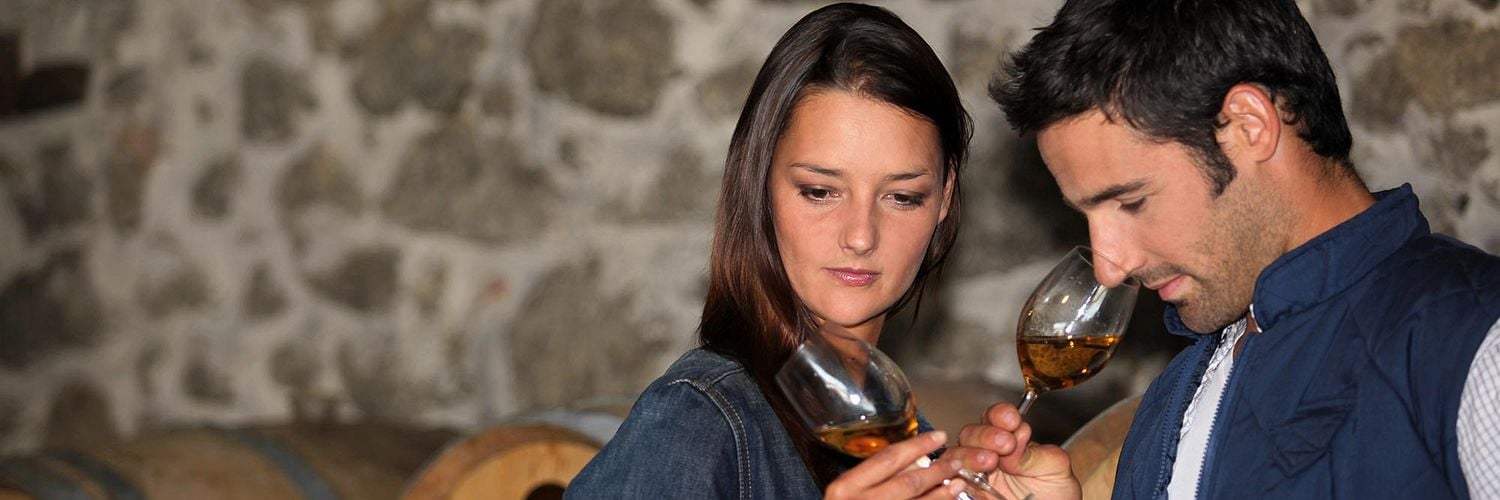
Browse Wineries From Valencia's Top Wine Appellations

Discover the Best Wineries to Visit in Valencia

Exploring the wineries in Valencia means moving through a diverse region from the Mediterranean coast to the Utiel-Requena plateau, visiting producers of Monastrell, Bobal, Tempranillo and Merseguera whose powerful Monastrell from Alicante, bold Bobal from Utiel-Requena and the local whites have earned the region its reputation. If you're searching for wineries near you or a guided tasting close to Valencia, the options are right on your doorstep.

Design Your Perfect Wine Tour

Are you looking for...

Map Of Valencia Wineries

Browse Wineries From Valencia's Top Wine Appellations

What travellers says about Valencia Wineries

Kim
Kim September 24, 2021
Great tour, great host, great wine and food. Great tour, great host, great wine and food. 9 out off 10. Reasing for not giving 10 out off 10, is, that we would like to see some moore of the wineyards....
William
William August 24, 2021
It was an excellent tour Very well hosted and a very special vineyard. Winetourism.com was a very easy service to use and made organizing the tour very simple. Many thanks for your...

Frequently Asked Questions

How can I travel to Valencia wine region by air?

The region is mainly served by Alicante-Elche Airport and Valencia Airport.

  • Alicante-Elche Airport is the fifth busiest airport in Spain just 9 km southwest of Alicante. The airport is a hub for destinations across Europe with tons of flights. The airport is served by many budget airlines with cheap airfare.

  • Valencia Airport is just 8 km to the west of Valencia. The airport has connections from approximately 20 countries. There is direct metro access to the city center from the airport.

  • The third little-known airport is Castellón–Costa Azahar Airport which was opened in 2011 but has fewer flights.


Reach your destination and explore wineries in Valencia.

How can I travel to Valencia wine region by car?

If you are traveling from Barcelona, take B-10 then follow C-32 leading to AP-7, and finally take V-21 exit to Valencia.
From Madrid, take M-23 then continue along toll road R-3. Then, continue along with A-3 and CV-3663. Arrive at Valencia taking an exit.
There are dozen bus companies that also operate here, with arrivals from almost every big city in Spain and most cities in the region.
Reach your destination and explore wineries in Valencia.

How can I travel to Valencia wine region by train?

Valencia is well connected to a railway network which allows you to reach Valencia from major cities across Spain. RENFE provides a high-speed train from Madrid that will take you around 1 hour 45 minutes to reach Valencia.
From Barcelona, RENFE runs the Euromed service which connects all the major cities of the region, stopping at Barcelona Sants, Tarragona, Catalonia (55 min), Castellón (2 hr 20 min), Valencia Joaquin (3 hr 15 min), Alicante (4 hr 55 min), and other destinations.
Reach your destination and explore wineries in Valencia.

The best season to visit wineries in Valencia

The best time to explore wineries in Valencia is in April and May. The weather is perfect with ideal warmth and avoidance of crazy crowds. The region boasts a Mediterranean climate with consistently pleasant weather all around year.
Reach here at your preferred season and explore wineries in Valencia.

What are the wineries in Valencia like?

Here you will find:

  • Wineries with a long and proud tradition since the 7th century;
  • Family run wineries producing spectacular wines for centuries;
  • Wineries focus on quality over quantity;
  • The dreamy mountainous landscape, medieval villages, and coastal lines.

Most common grape varieties and styles of wines produced in Valencia

Rich juicy red wines are made from the Monastrell, Grenache, Tempranillo, Cabernet Sauvignon and Merlot grape varieties.
Macabeo and the local Merseguera are the grape varieties of choice to produce dry white wines apart from international varieties like Chardonnay and Semillon.
Moscatel de Alejandra grape variety makes the lusciously sweet wines.
The Valencia region has a dynamic wine portfolio spread across various styles. These include easy-drinking reds, dry whites and rich rosés, hefty Doble Pasta reds and fortified Moscatel. The region also produces a small quantity of light sparkling Cava.

Language tips for visiting wineries in Valencia

If you visit wineries in Valencia, here are some language tips you might found useful:

EnglishSpanish
WineVino
WineryBodega
VineVite
VineyardViñedo
Wine routeRuta de Vino
Cheers!Salud!

What do wineries in Valencia offer?

Wineries in Valencia have been recognized as a wine tourism destination. Wineries here are well equipped with tasting rooms and experienced staff to make your wine tasting experience more memorable. The wineries also offer food pairing where you can relish their fines wines with great local cuisines.
If you are planning for a longer stay to experience wine tasting in Valencia, there are lots of wineries in Valencia along the wine route that offer comfortable accommodation. You can always buy your favorite Valencian wines directly from the winery which can be taken home as a souvenir.

What are the best places for wineries & vineyards in Valencia wine region?

What are the main wine styles produced in Valencia?

Valencia produces a range of wine styles to suit different preferences. Red wines are prominent, with styles ranging from young and fruity to more structured and oak-aged. White wines from Valencia can be fresh and crisp, or aromatic and slightly sweet. The region is also known for its rosé wines, which are often refreshing and vibrant.

Is Valencia known for any particular wine traditions or unique winemaking techniques?

Valencia has a few notable wine traditions and unique winemaking techniques. One traditional practice is the production of sweet wines using the "Solera" system, where wines of different ages are blended in a cascading process to achieve complexity and consistency. Additionally, the region is known for its Moscatel wines, made from the Moscatel grape variety, which showcases the aromatic and fruity characteristics of the grape.