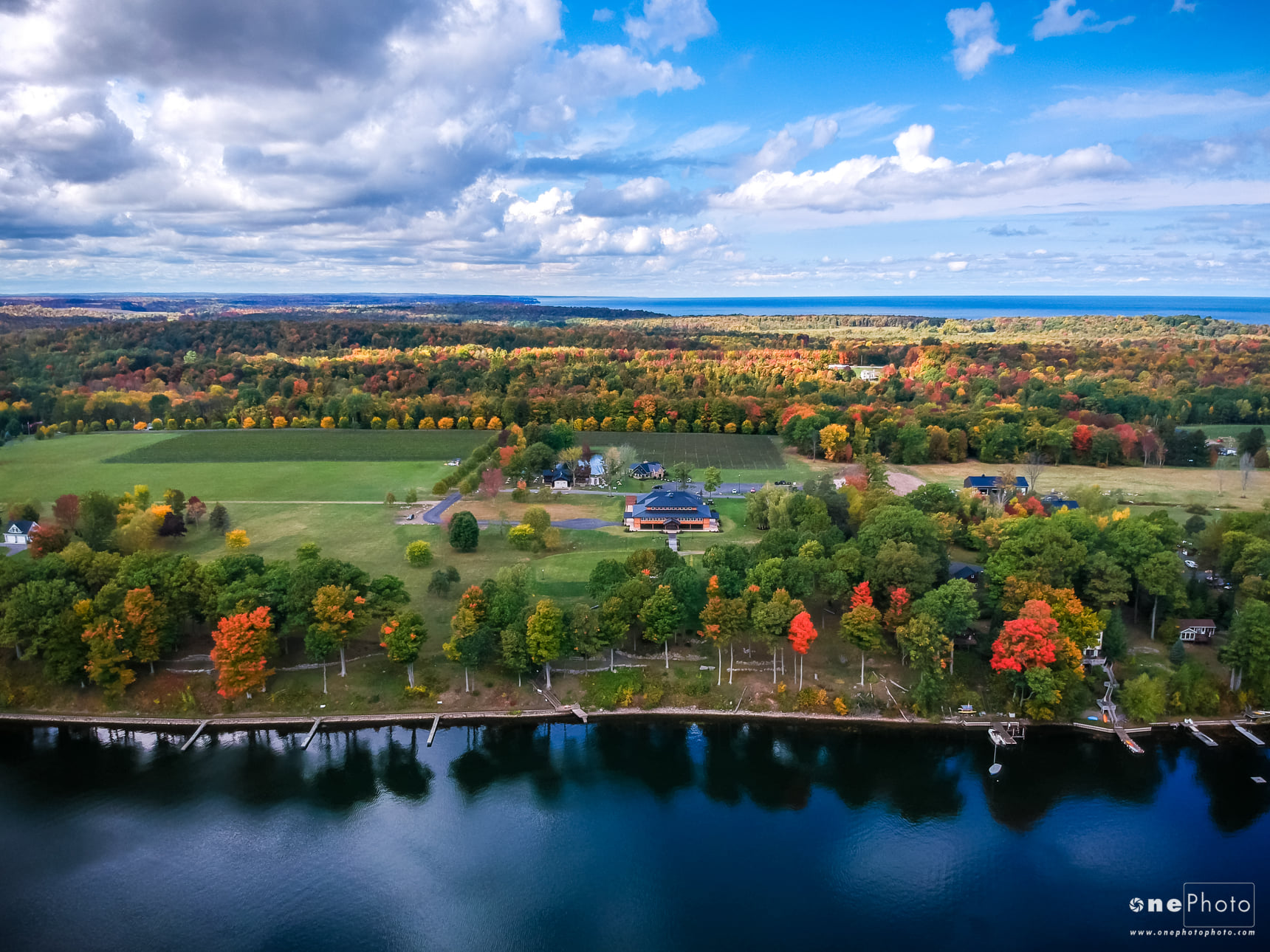
International Riesling Day, celebrated annually on March 13, is a toast to the versatile and delightful Riesling grape. On this day, wine lovers around the globe savour Rieslings from renowned regions, appreciating their bright, aromatic profile. Riesling, known for producing wines with diverse sweetness levels, and incredible ageing potential, has found exceptional expressions in regions such as Mosel in Germany, Alsace in France, and Clare and Eden Valleys in Australia. It's indeed a day to explore and enjoy the manifold nuances of this popular white wine grape.
Origin of Riesling
Riesling is thought to have descended from an ancient wild vine that lived in the woodlands along the Rhone River. Riesling's progenitor was frost-resistant and had tiny fruit. Later, it was crossed with Traminer, and then with Weiser Hoinish, which provided the grapes energy, disease resistance, and high acidity.
Large-scale riesling cultivation began in the XVIII century when mediocre grape types decided to replace aristocratic riesling. These wines graced the tables of monarchs, emperors towards the end of the nineteenth century. Riesling was highly valued, along with Pinot noir, the magnificent white wines of Burgundy, and Bordeaux's noble red wines. German Rieslings were awarded the "Grand Prix" at the St. Louis World's Fair in 1904.
The prestige of German wines suffered severely after two world wars, but at the close of the twentieth century, many ambitious young winemakers arrived in Germany, contributing to a renaissance of interest in the famed variety. This period was known as the "Riesling Renaissance."
Facts about Riesling:
- High in acidity;
- Never a boring bouquet of aromas, always magically stunning;
- One of the most important grape varieties in German winemaking;
- There is no such thing as an "oak," only the flesh of the body of its ground and stones.
- A variety of styles, ranging from extra-dry to sweet;
- Hypersensitive to terroir, which can be found in noble varieties;
- Long-liver, it can build an increasingly inventive pallet of flavors in a single, always-unique bottle for decades.
German rieslings, which reflect the distinctive features of the variety as well as the peculiarities of terroirs, are currently at the pinnacle of popularity and are produced in tiny amounts. Commercial wineries, on the other hand, produce fresh wines with vibrant fruit tastes for everyday consumption. Millions of people throughout the world enjoy these rieslings.
Riesling, Secrets of Characteristics
A distinctive feature of the Riesling grape is its unpretentiousness. Its vines feel great in cold lands and are able to bear fruit even in the harshest conditions. Connoisseurs also note the versatility of its tastes. Depending on the time of harvest and storage conditions, the winemaker can get both dry and sweet varieties of wine. An important feature of Riesling grapes is its high acidity. As a result, the drink from the berries of late collections receives a unique combination of sweetness and sourness, giving rise to a special, refreshing taste.
The taste of the drink is also heavily influenced by the time of grape harvest. The later the collection occurred, the sweeter the drink. However, a delightful sourness distinguishes even dessert variations. In addition, new wines have a distinct herbaceous flavor, whilst mature varietals have a more fruity flavor.
A unique feature of "Riesling" is an incredible variety of flavors and aromas. The leading role here is played by the time of harvest and the aging period. So, young wines will delight their tasters with the aromas of freshly cut grass, ripe fruits or wildflowers. The more aged varieties show notes of honey, wax or dried fruits. But the most famous "Riesling" brought "oil" flavors of vintage varieties.

What to pair with Riesling
Special Piaces of Advice for International Riesling Day
A curious fact is that dry riesling fits perfectly into almost any kitchen. The main condition is that the food should be rich in spices or even spicy. Thus, this wine is an excellent option for many dishes of Far Eastern, Chinese or Indian cuisines. Semi-sweet and sweet varieties are best suited for the role of dessert wines. The ideal company for them is a set of sweet pastries or a fruit plate. But seasoned Riesling requires a special approach. Most gourmets prefer to drink them separately, and some originals believe that the best batch for them is cream ice cream. Which is better is entirely up to your choice.
Expression of Terroir - Where to taste the best Riesling
The essence of Riesling, a variety that grows in a variety of soil and climatic situations, enables it to express its diversity without losing its own characteristics. More than 70% of riesling is grown in the northern hemisphere, namely between the 48th and 51st parallels. If you are planning to visit wineries and savour some wine for International Riesling day, here are some spots you can definitely hit. Check out some of the top Riesling producing regions with the list of wineries that have open cellar doors and are ready to host you for the Riesling day.
Floral Riesling of Mosel
Let's take a little trip and find the key riesling regions where you can sample the cream of the crop.
Mosel Rieslings are noticeably lighter than others, they can be recognized even by the color - very light, alcohol will be lower by a couple of degrees. The "signature" feature is a floral bouquet, spring-blooming gardens. These rieslings are charming and delicate, the best of them are mineral and elegant. And despite their apparent fragility, they can have quite a long aging potential.
Check out some of the wineries in Mosel to taste their Riesling:
Weingut P.Stettler-Söhne
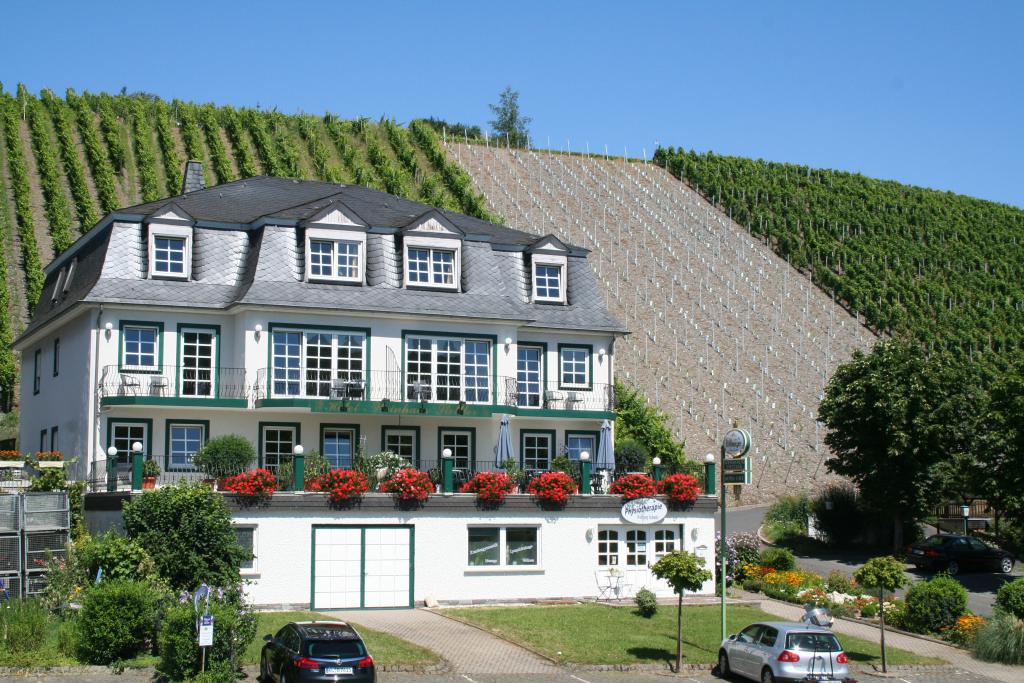
Terrassenweingut Dötschhaupt
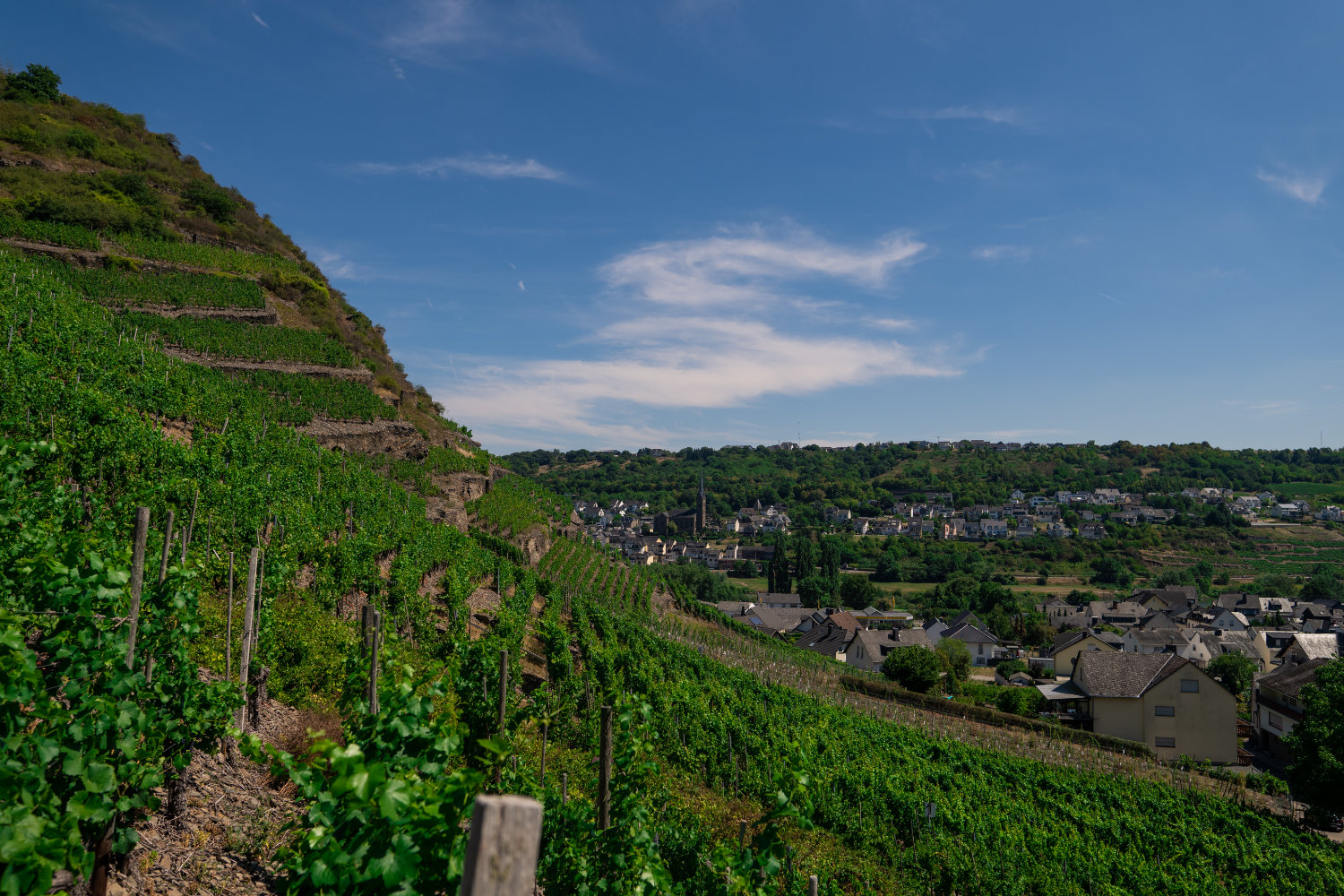
Weingut F-J Regnery
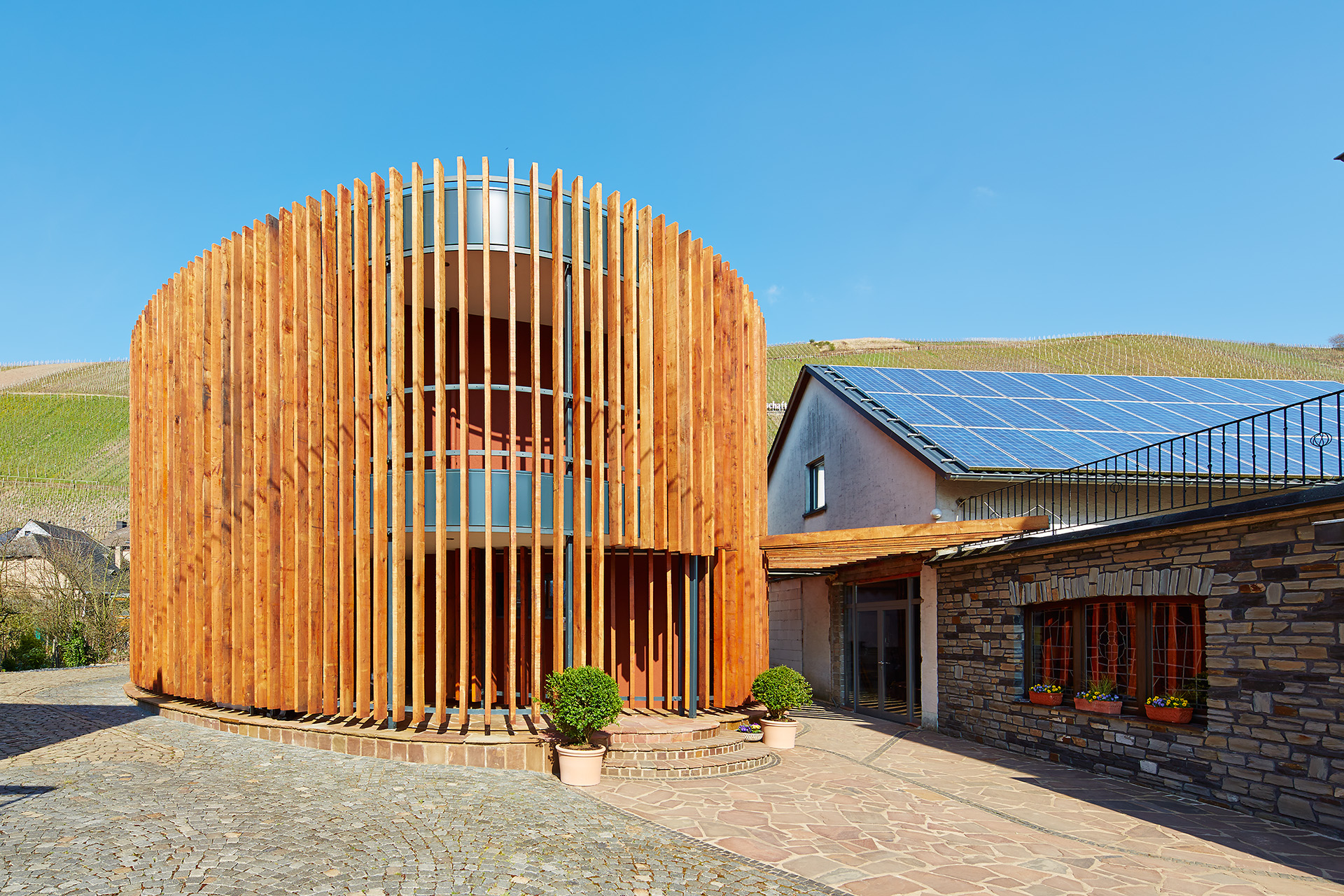
What about More Powerfull Rheingau Riesling?
The Rheingau Riesling style is highly acidic, powerful, masculine rieslings, romantically unrestrained, increasingly full-bodied on the way from Johannesburg to Hochheim. The palette is rather fruity, the peach flavor is a clue in the definition of the Rheingau.
This is where you can try the best Riesling in Rheingau:
Weingut Preis
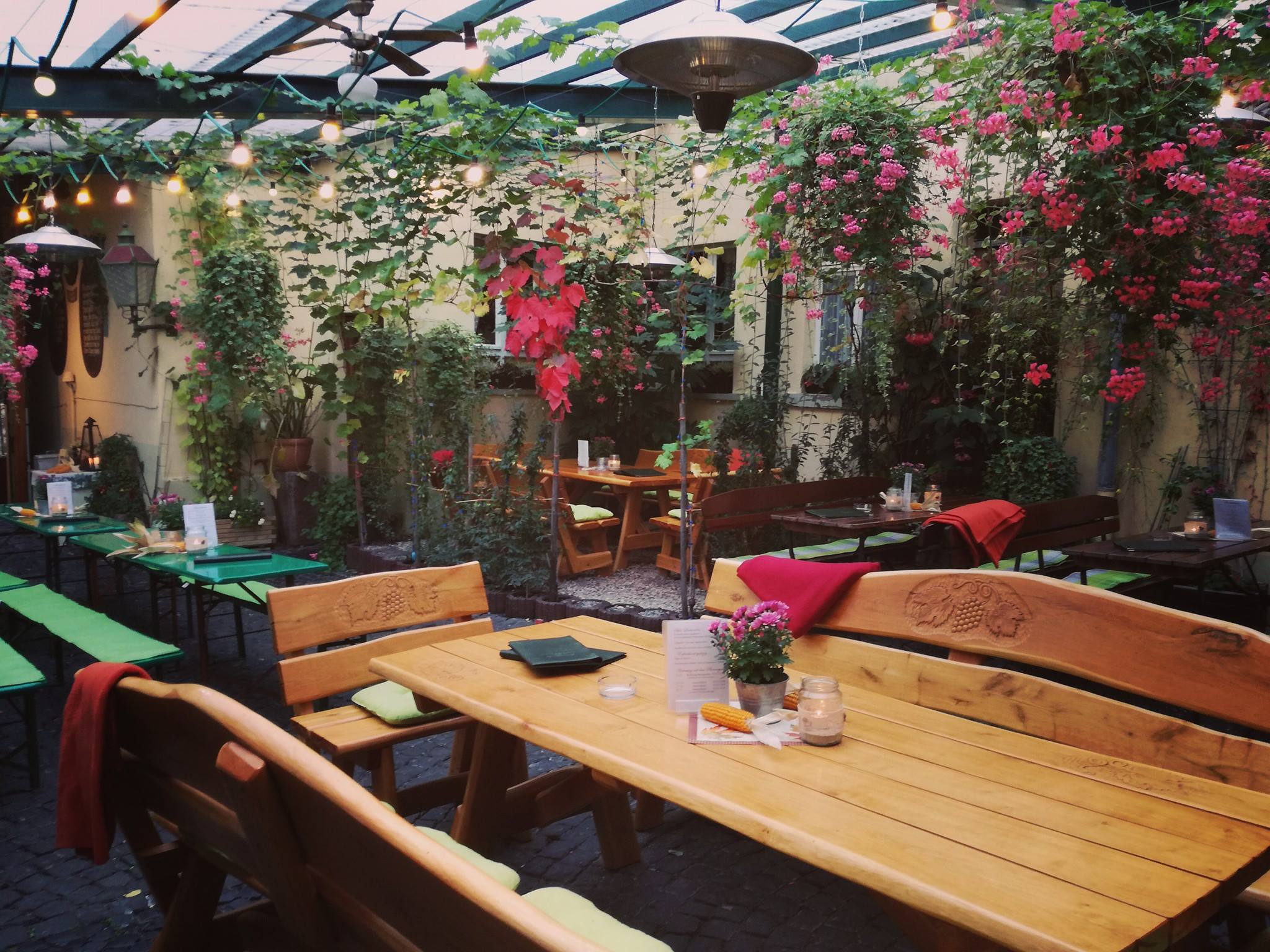
Weingut Schreiber
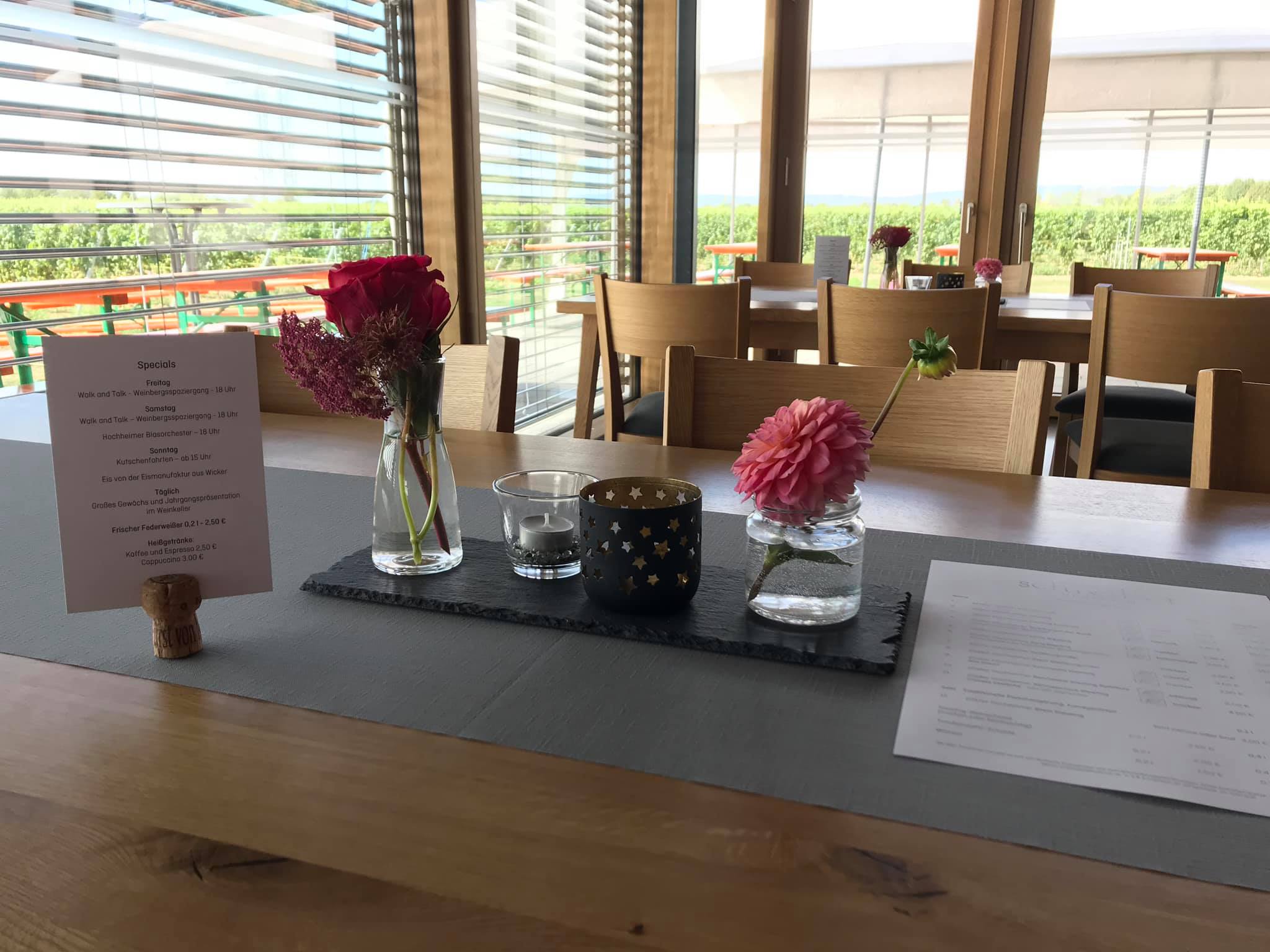
Mineral Rieslings from Pfalz
Rieslings from Pfalz are about minerals. Here they make some of the driest rieslings in Germany due to the peculiarities of the climate and are very restrained. Chalk and shale soils determine the mineral character of the wine. The taste is dense, salty, sliding, with a lemon peel and flowers in the aftertaste.
Check out some of the wineries in Pfalz:
Weingut Schloss Janson
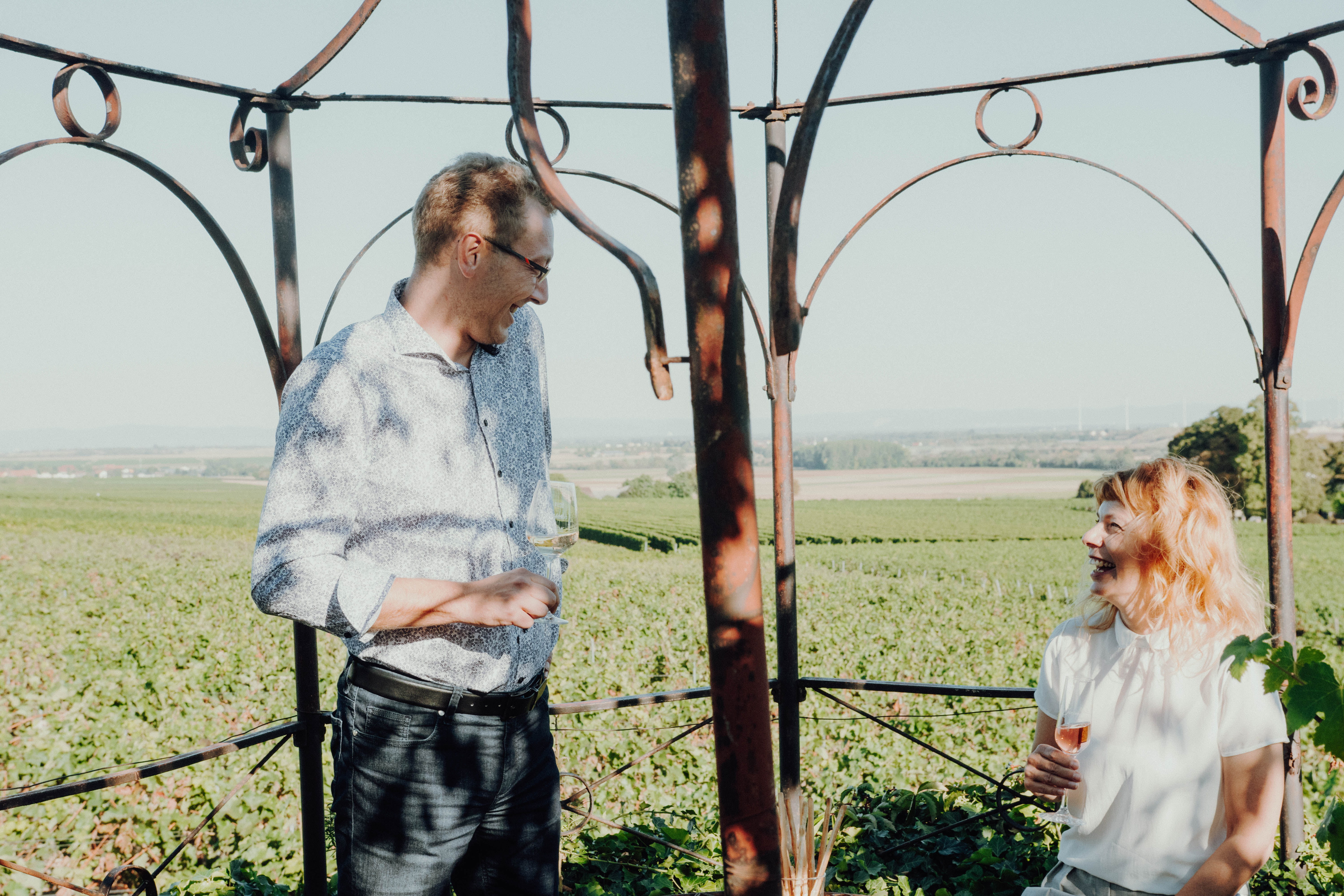
Die Weinmacher Niederkirchen
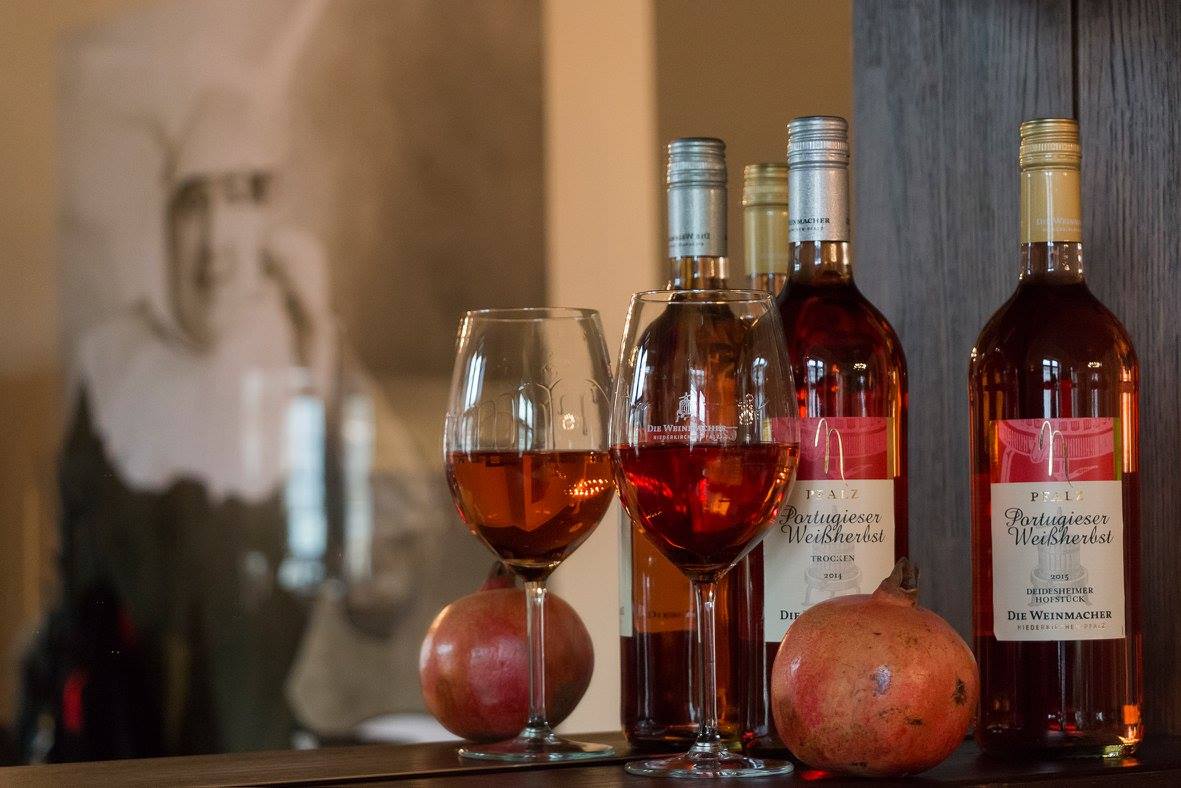
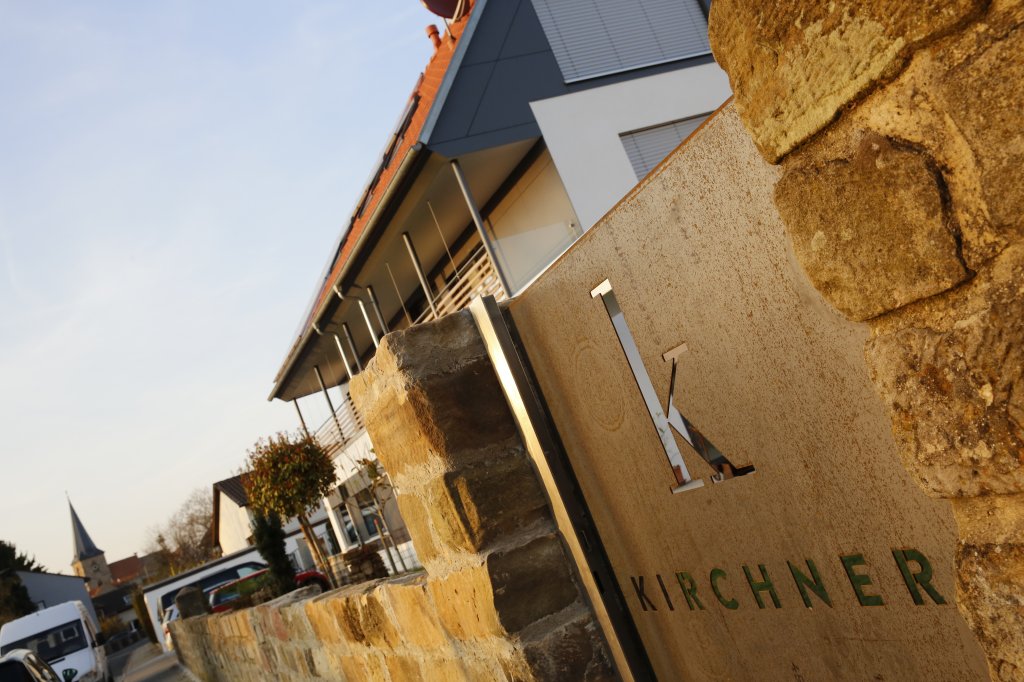
Weingut Kirchner Gdbr
Alsace - Lets Check out the Aromatic Heaven of France
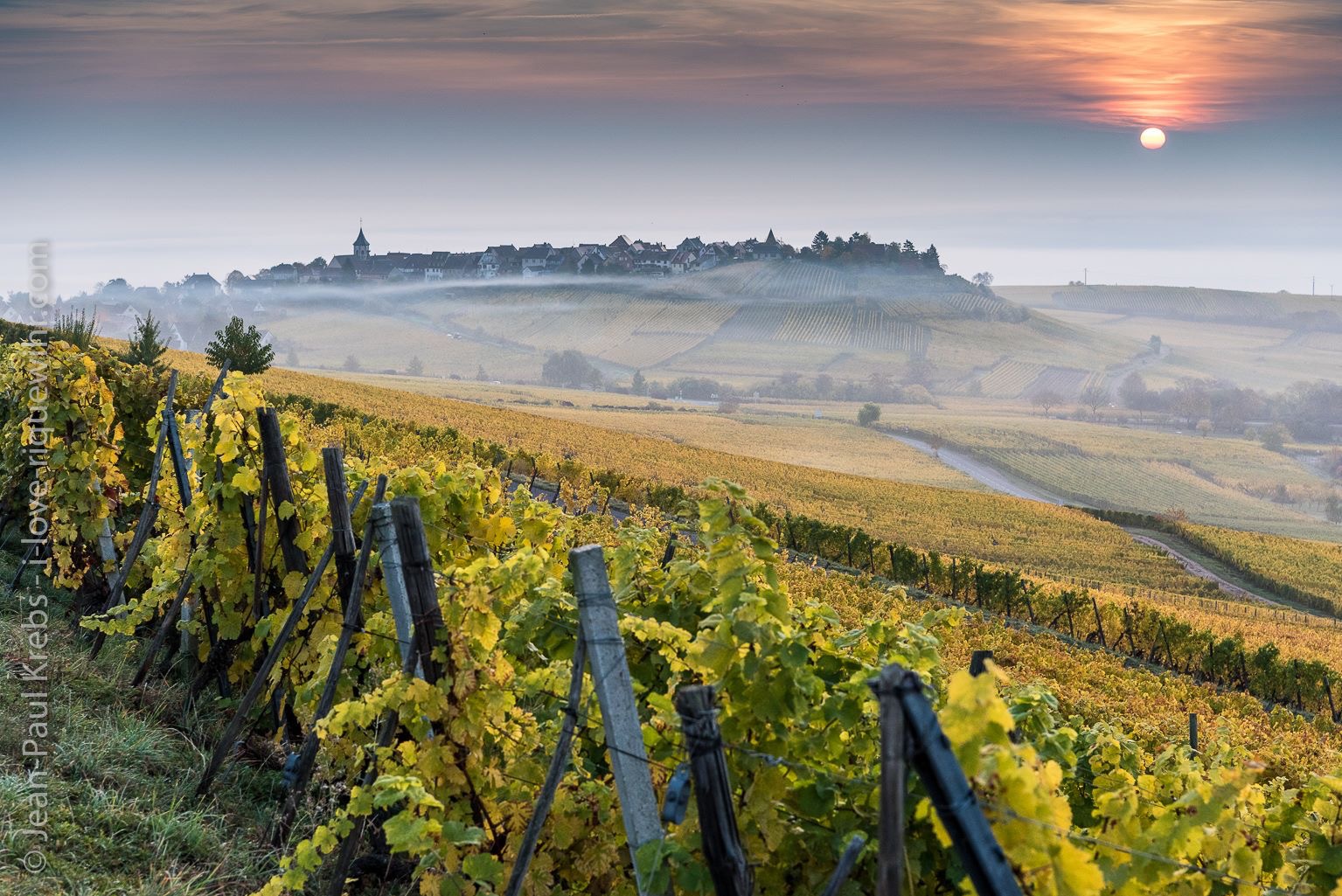
In France, riesling is allowed for the production of AOC-level wine in only one wine region. This is Alsace, which finally became French only in the XX century. Despite the geographical location of the region, the climate in Alsace is warm and arid. Berries gain a sufficient amount of sugar, so the wines are rich and generous, rich in aromas of peaches, white flowers, and mineral notes of wet stone. Alsatian Rieslings are mostly dry, however, there are two categories for sweet wines: vendange tardive (late harvest) and sélection de grains nobles (selection of noble berries).
Cave Vinicole de Cleebourg
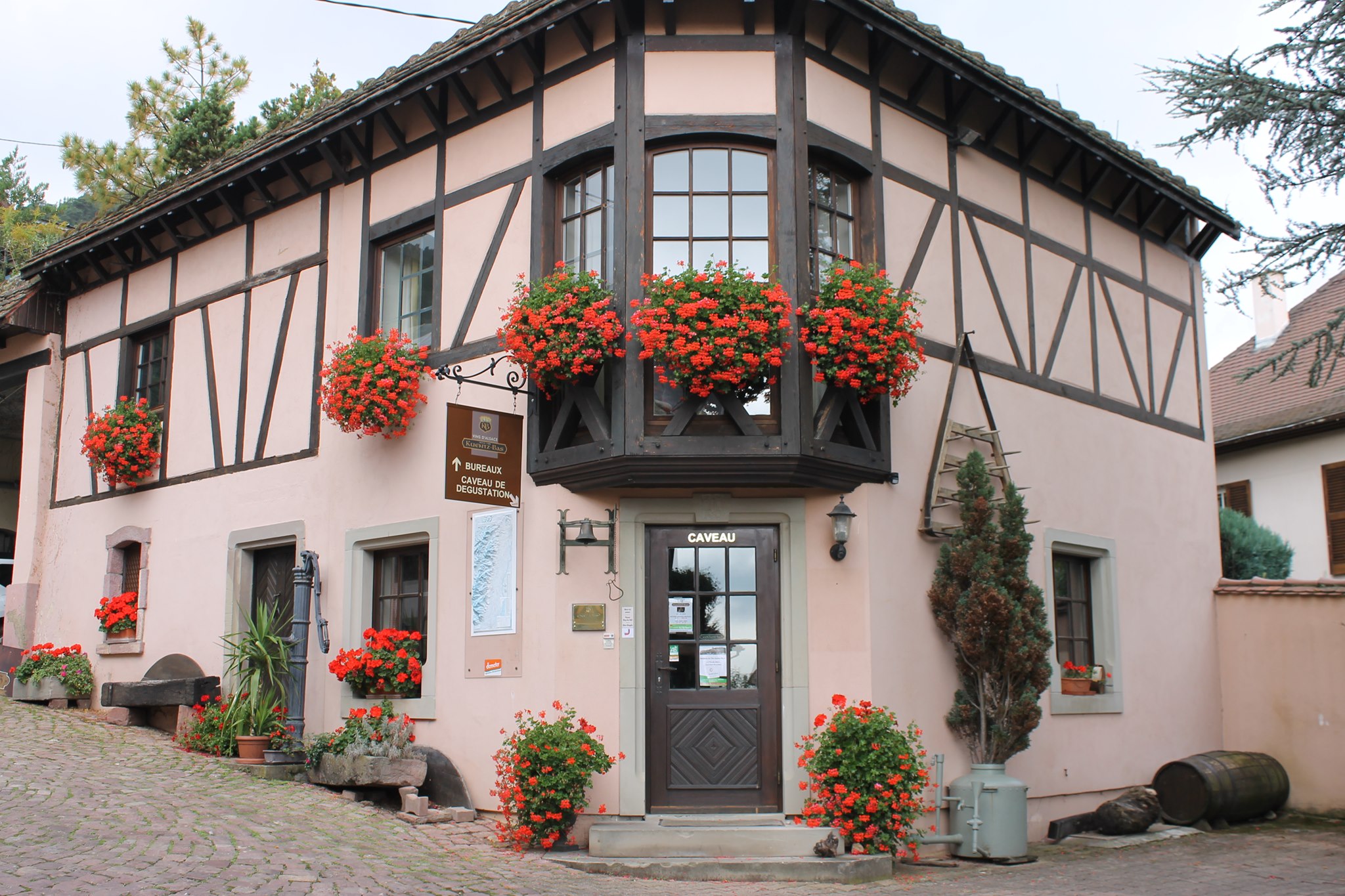
Kuentz-Bas
Domaine Eblin-Fuchs
Lower Austria - Wachau
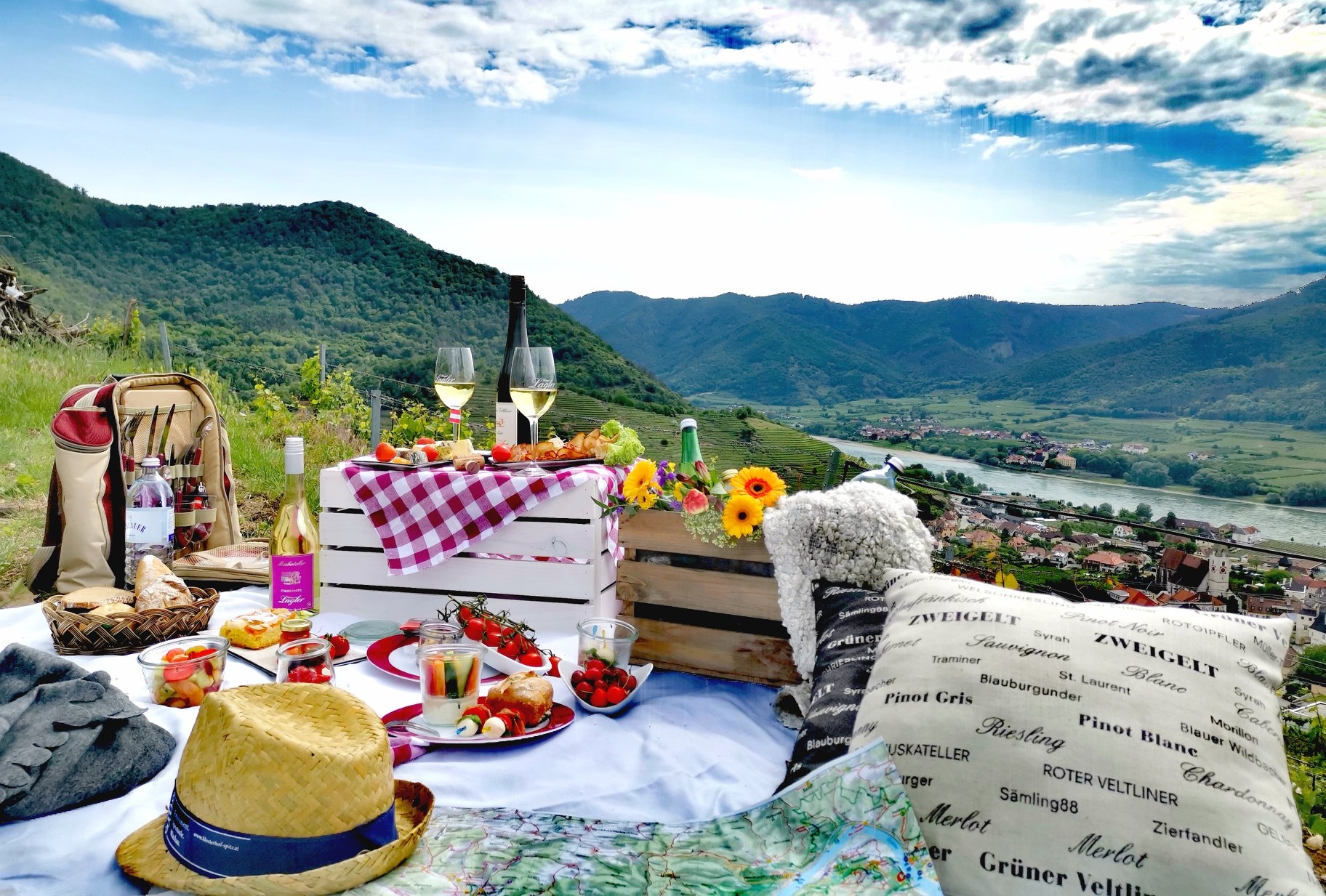
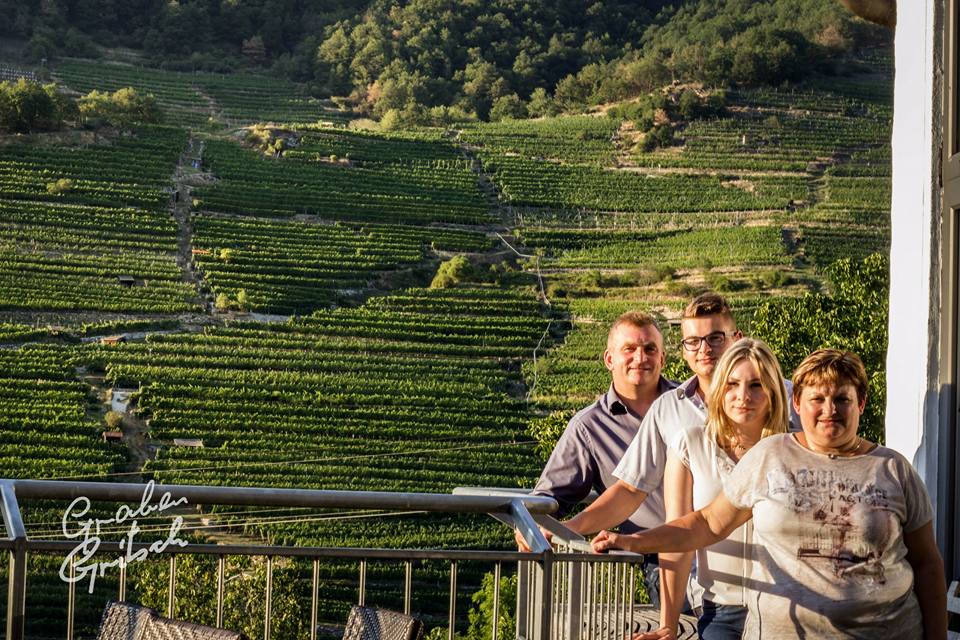
Wachau is prestigious with its steep sunny slopes along the banks of the Danube. Wachau traditionally produced super-dry rieslings, while powerful, with a strong spine and a bright fruit palette. They have their own classification for dry rieslings and Grüner Veltliner, the highest category for wines from special areas is Smaragd.
Weingut Lagler
Graben Gritsch Im Donauschlössel
Australia - Eden Valley
Historically, riesling was of great importance for Australia, it was brought with them by immigrants from Silesia at the beginning of the XIX century. And the most suitable terroirs for riesling – the Clare and Eden valleys have been known for a long time. The Eden Valley is cooler and the wines are a little stricter, with lime and white flowers, intense minerality, usually completely dry.
Elderton Wines

Chaffey Bros. Wine Co.

Are you in New York?
Finger Lakes is the place to visit for the Riesling day
The most fashionable region for riesling in the USA is Finger Lakes, which is close to New York (the city). There are already 130 farms working with Riesling, producing all styles of wine from dry to ice wine.
Point Of The Bluff Vineyards
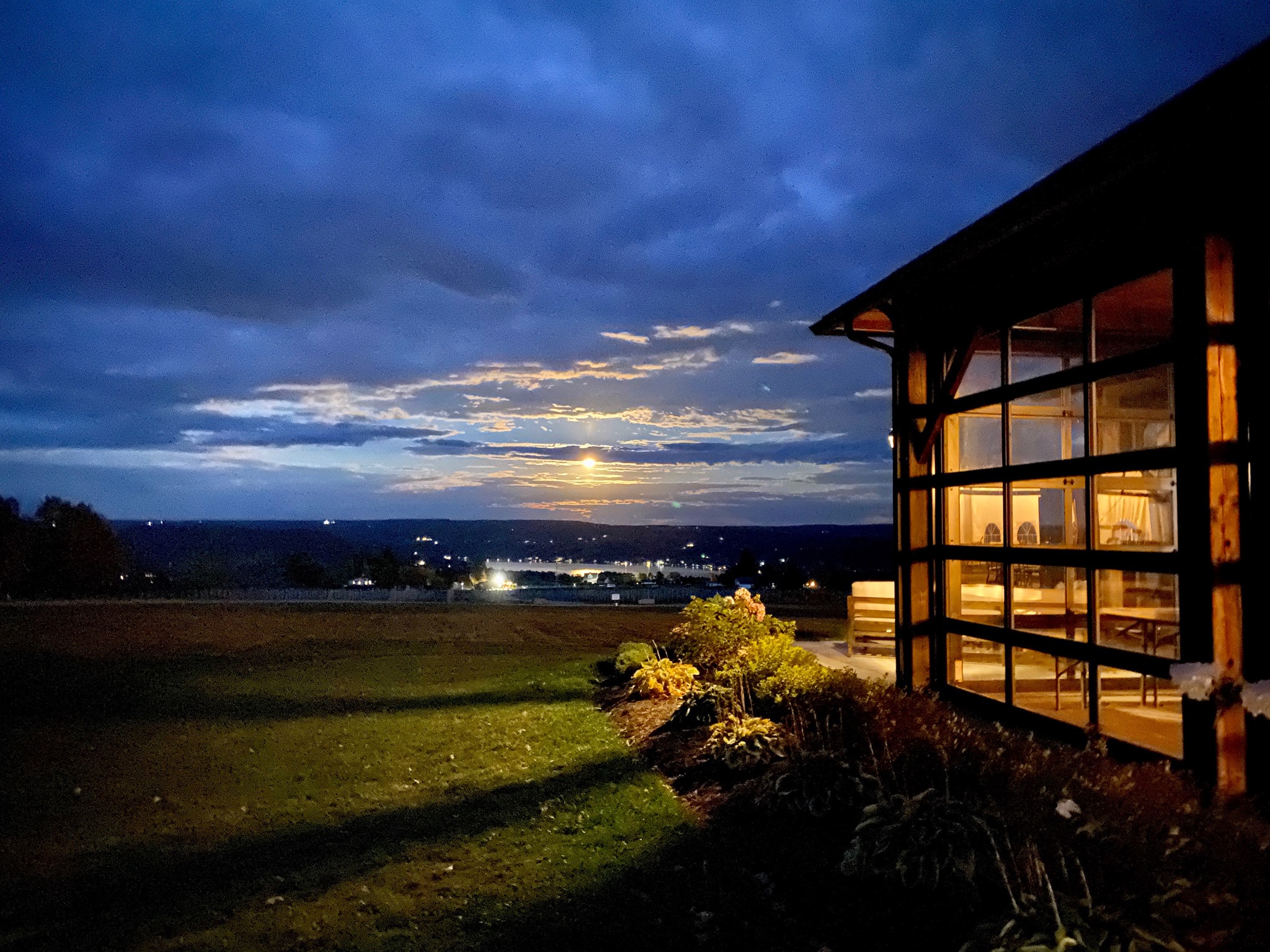
Colloca Estate Winery