
Chinese New Year 2024 - The Year of The Rabbit

Food & Wine Pairings
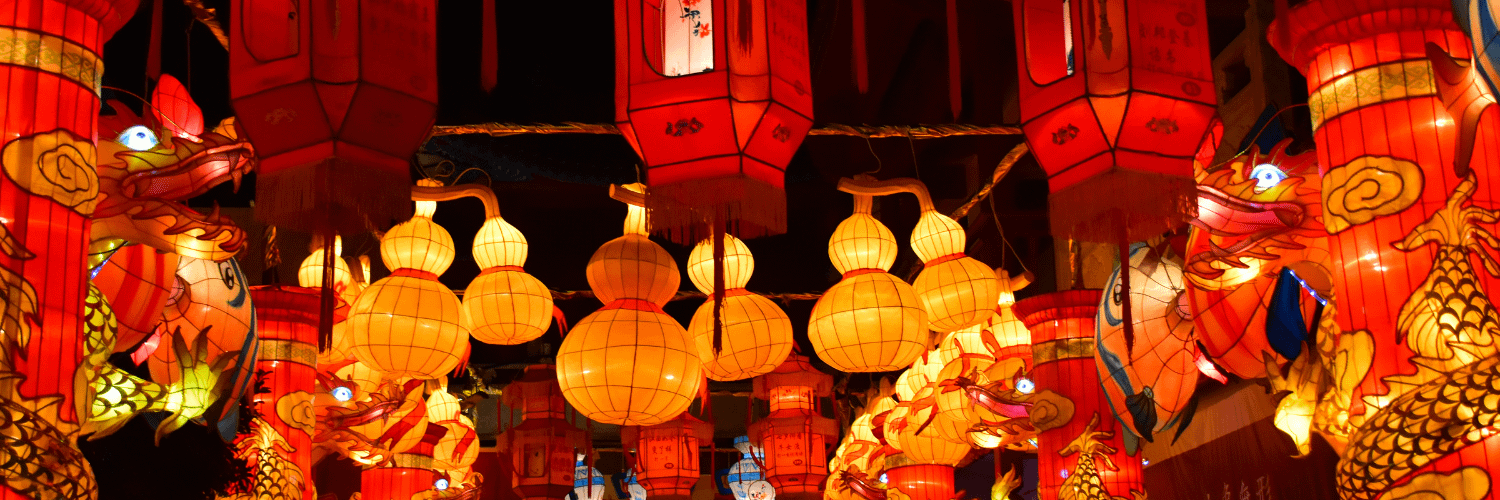
It is a very special time of the year… Sprawling cities are tinged with bright red decorations, beautiful dragons roam the streets and lanterns fill the sky with light and wonder. The sound of fireworks crackles away in the night as over two billion people prepare to wave goodbye to the old year and welcome the new one coming. It’s Chinese New Year!
This ancient celebration, commonly referred to as the Spring Festival in Chinese (Chūnjié 春節), or Lunar New Year, marks the end of the winter season and the beginning of a new year in the lunisolar Chinese Calendar.
According to the Chinese Zodiac, which assigns a specific animal or creature to every year, 2023 is going to be the year of the Rabbit.
"The old year has passed in the sound of firecrackers, and the Tu Su wine is enjoyed with a warm spring breeze".
Chinese New Year - Wang Anshi
Chinese New Year holds a very long history, with the first recorded celebrations dating back to the Han dynasty (202 BC – 220 AD), over 2000 years ago! Like many ancient traditions, it is one shrouded in mystery and mythology, its roots belong to an age where demons and monsters roamed the earth.
Chinese New Year - Food & Wine Pairings
━━━━━━ ◦ ❖ ◦ ━━━━━━
Dim Sum - Chinese New Year
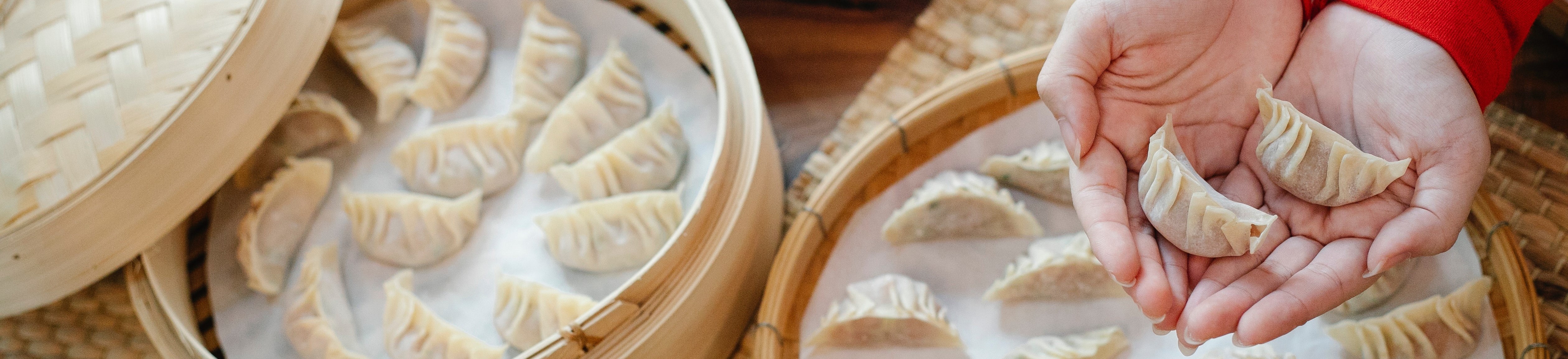
The words Dim Sum (點心 diǎn xīn) do not indicate a specific dish. Dim Sum is, in fact, a type of cuisine consisting of over one thousand different small dishes, meant to be tasted and savoured in small quantities but great variety. Dim Sum dishes traditionally accompany tea drinking and can serve as a weekday breakfast or weekend brunch, though a visit to a Dim Sum restaurant can sometimes last from morning to late afternoon, especially when the entire family is involved.
Many Dim Sum dishes are rather popular during the Lunar New Year celebrations, owing to their immense variety and adaptability to any meal and celebration. Some of the most popular Dim Sum dishes during the Chinese New Year are Turnip Cakes, Jiaozi dumplings and the famous Spring Rolls.
━━━━━━ ◦ ❖ ◦ ━━━━━━
The more you know...
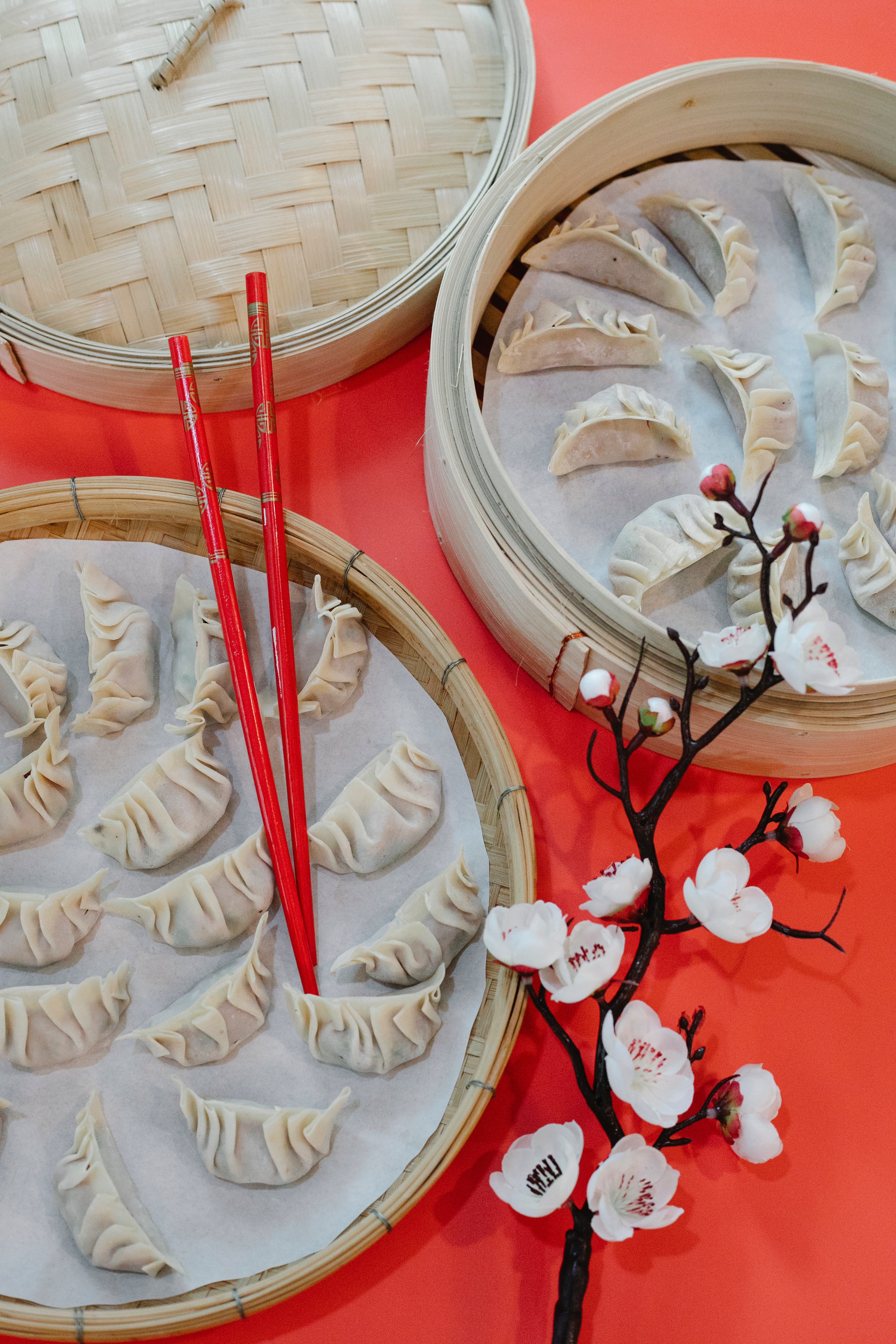
There are several ways to prepare, stuff and seal the traditional Jiaozi dumplings. However, during the Lunar New Year, they should permanently be closed in a boat-like shape, with the ends bent and pointed upwards. This shape is reminiscent of traditional Chinese gold ingots and thus embodies the coming of prosperity and riches. The more dumplings are eaten, the more money will flow during the New Year.
Our recommended wines:
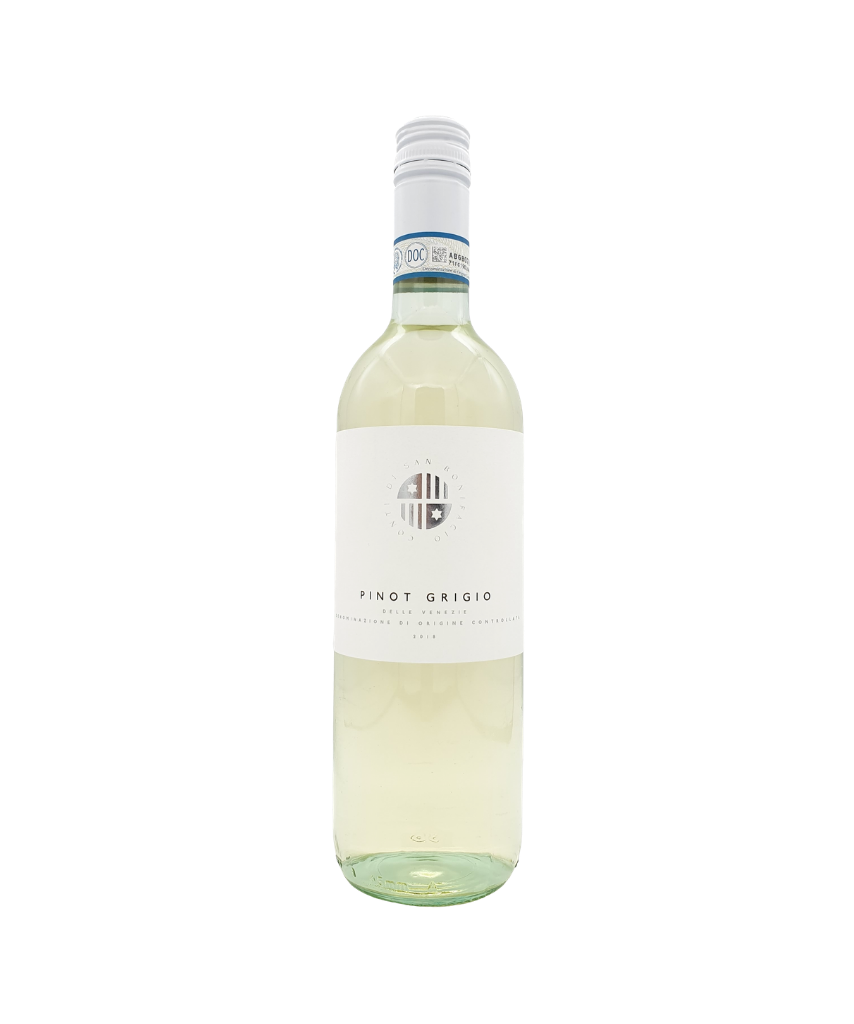
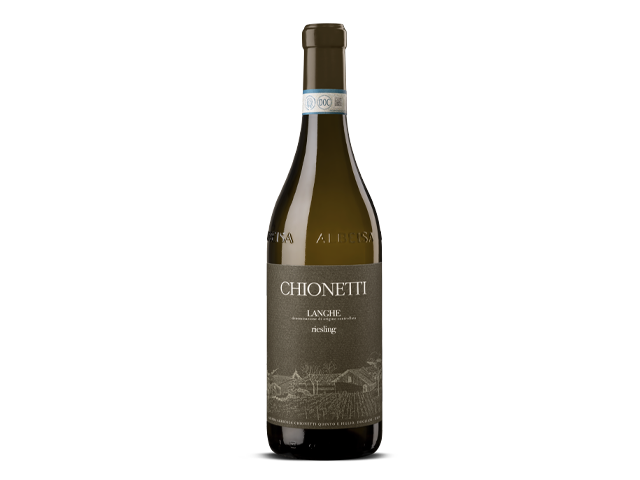
The sheer variety of Dim Sum dishes mean no wine can accompany them all. Owing to the wide range of vegetable, shrimp and fish Dim Sum dishes though, a very fresh white wine with a good acidity can properly accompany the texture and savoury flavour of these recipes.
━━━━━━ ◦ ❖ ◦ ━━━━━━
━━━━━━ ◦ ❖ ◦ ━━━━━━
Hot Pot - Chinese New Year
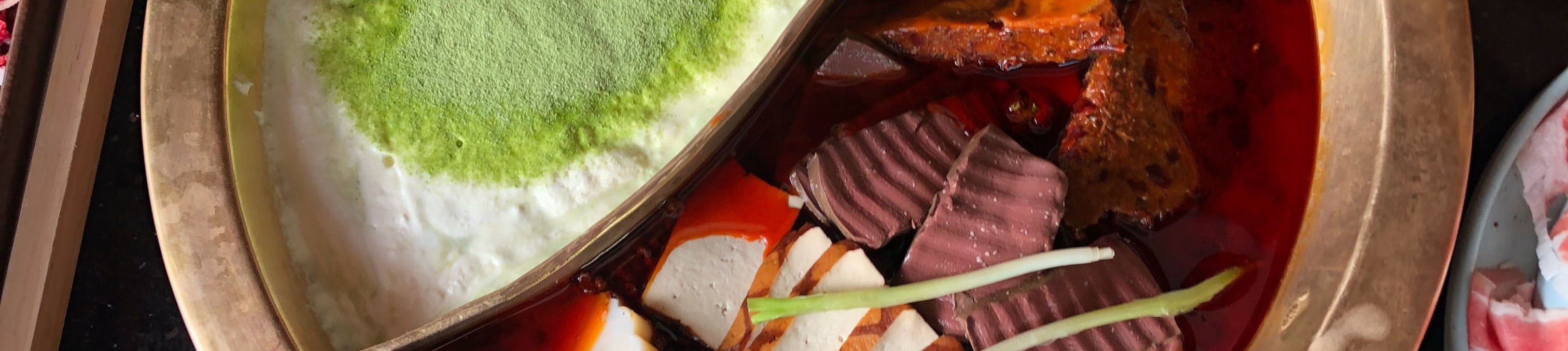
The ancient cooking method of Hot Pot (火鍋 huǒguō) is not always traditionally associated with the Lunar New Year. In recent years, however, it has been gaining popularity during this festive celebration thanks to its ability to bring people together around a shared pot of delicious soup. The broth can come in many different flavours and it's up to the diners to cook the meat and vegetables in the broth to their liking. Just like Dim Sum, Hot Pot can come in countless flavours, depending on the region of origin and the family (or restaurant) tradition. A range of 70 different spices are employed in different Hot Pot preparations, making it one of the more diverse preparations around.
Our Recommended Wines:
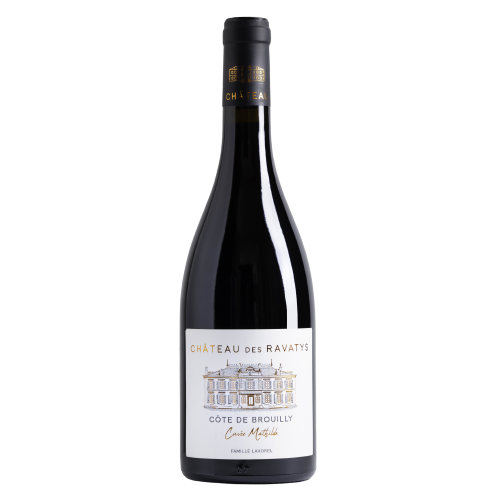
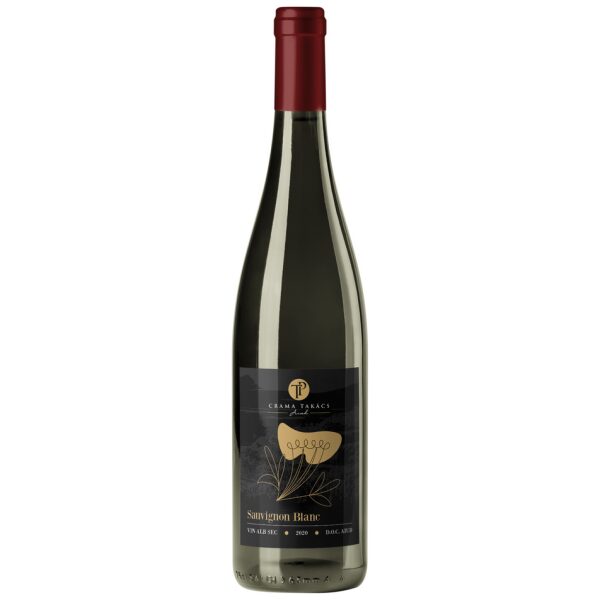
When accompanying a wine with your Hot Pot, spicyness is the most important thing to take into account. If you're having a spicy Hot Pot, stay away from red wines, as the tannins they contain can worsen the sensations of heat, in that case a white or a rosè would better serve the occasion. If your Hot Pot is not spicy, a red wine, such as a Beaujolais could on the other hand well complement the meaty and savoury flavours of the soup.
━━━━━━ ◦ ❖ ◦ ━━━━━━
━━━━━━ ◦ ❖ ◦ ━━━━━━
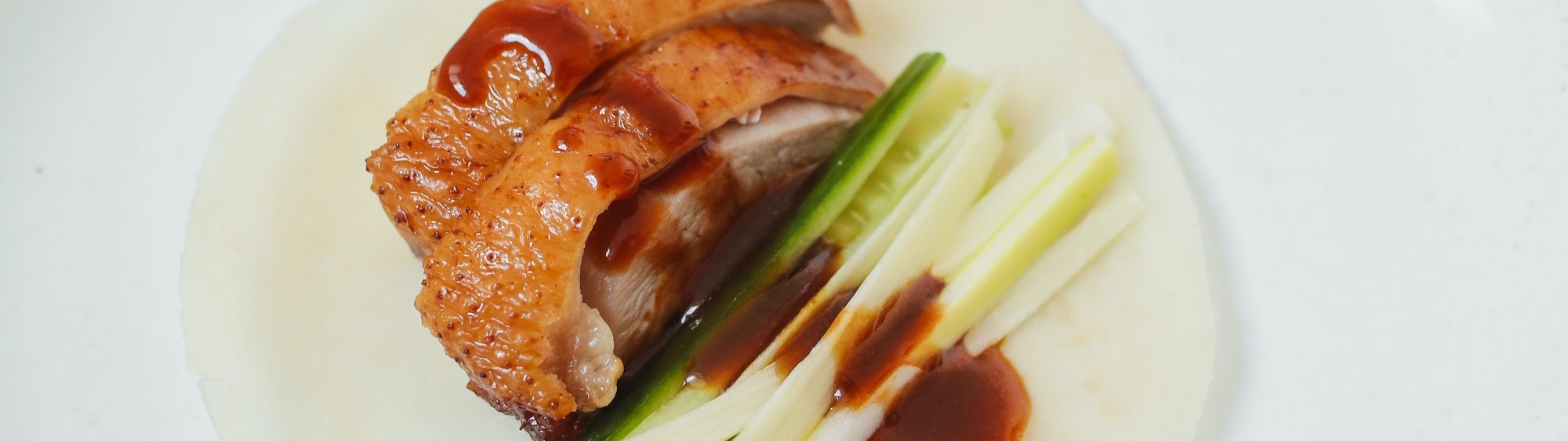
Peking Duck - Chinese New Year
Peking Duck (北京烤鸭) is one of the most iconic and traditional dishes of the Chinese cuisine. Chinese food dates its root far back in history and this delicious dish is no exception. Peking Duck has been prepared within the imperial courts in China for centuries. The name directly point to the origin of the dish, the city of Beijing (北京) often romanized as Peking in western languages.
The preparation for Peking Duck can be long and complex, especially when following traditional recipes with rigour and precision, but the result is a tender and crisp meat with few equals.
Did you know?
Two centuries old restaurants in Beijing contend for the title of "Best Peking Duck in Beijing". They are the Quanjude (全聚德 Quánjùdé) and Bianyifang (便宜坊 Biànyífānɡ). They employ two different roasting method for their iconic Peking Duck, the first one has perfect the hung oven roasting method, while the second one employs the much older closed oven method.
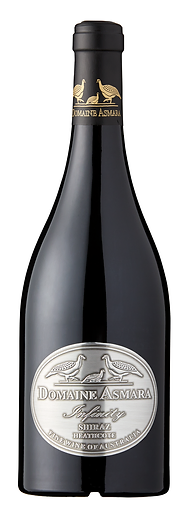
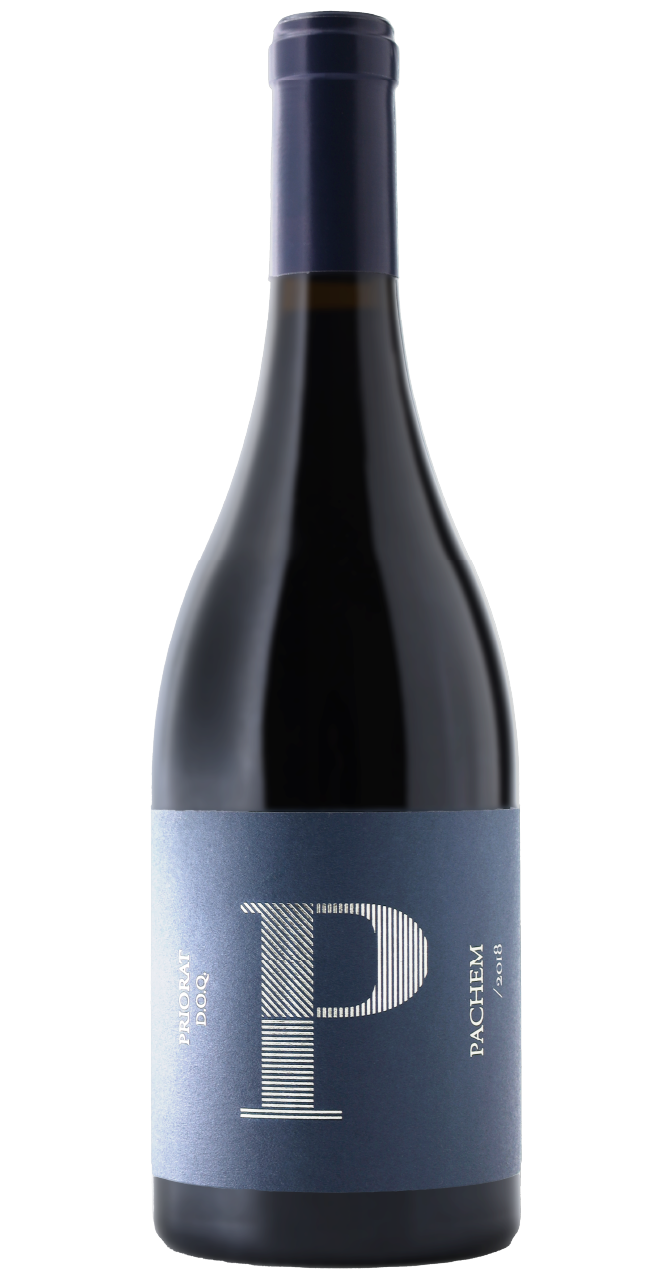
Our Recommended Wines:
While still being poultry, thus presenting a tender and malleable meat, duck tends to fall into the gamier type of meat, with stronger flavours and a more intense and crisp result depending on the level of roasting it is subjected to. Shiraz and Grenache wines, with their medium to dark tannic dispositions, could fit this type of meat perfectly. Don't forget you always need to take into account the spices employed in the preparation and whether sweet flavours, such as caramelized honey, are at play in your dish.
━━━━━━ ◦ ❖ ◦ ━━━━━━
━━━━━━ ◦ ❖ ◦ ━━━━━━
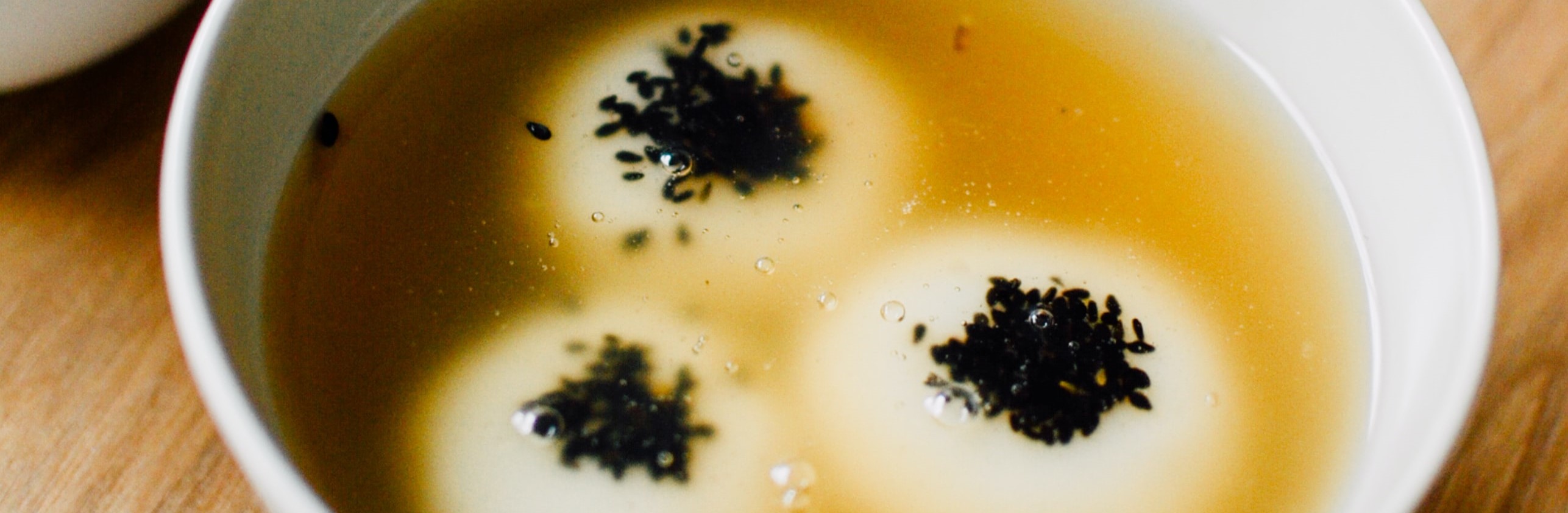
Traditional Desserts - Chinese New Year
Desserts, like other traditional courses, are an integral part to the Lunar New Year traditions and Chinese food. Dessert can symbolize special virtues or intents, or even convey messages to those they are gifted to. The themes of luck and prosperity is ever-recurring throughout the entirety of Chinese New Year and for this very reason, Nian Gao (年糕 nián'gāo), which translates to "cake of the year", is the most important and traditional dessert of them all. It is commonly known as "Rice Cake" and eating it during the Lunar New Year is a sure recipe for prosperity and riches for the year to come.
Two other delicious Chinese desserts which prove quite popular during the Lunar New Year are Sesame Seed Balls (麻球 máqiú) and Fried Dough Twists (麻花 máhuā). These two treats symbolize fullness and reunion. The spirit of the family joins together during the Chinese New Year and brings a sense of security and protection from misfortune to all those who participate in the celebrations.
━━━━━━ ◦ ❖ ◦ ━━━━━━
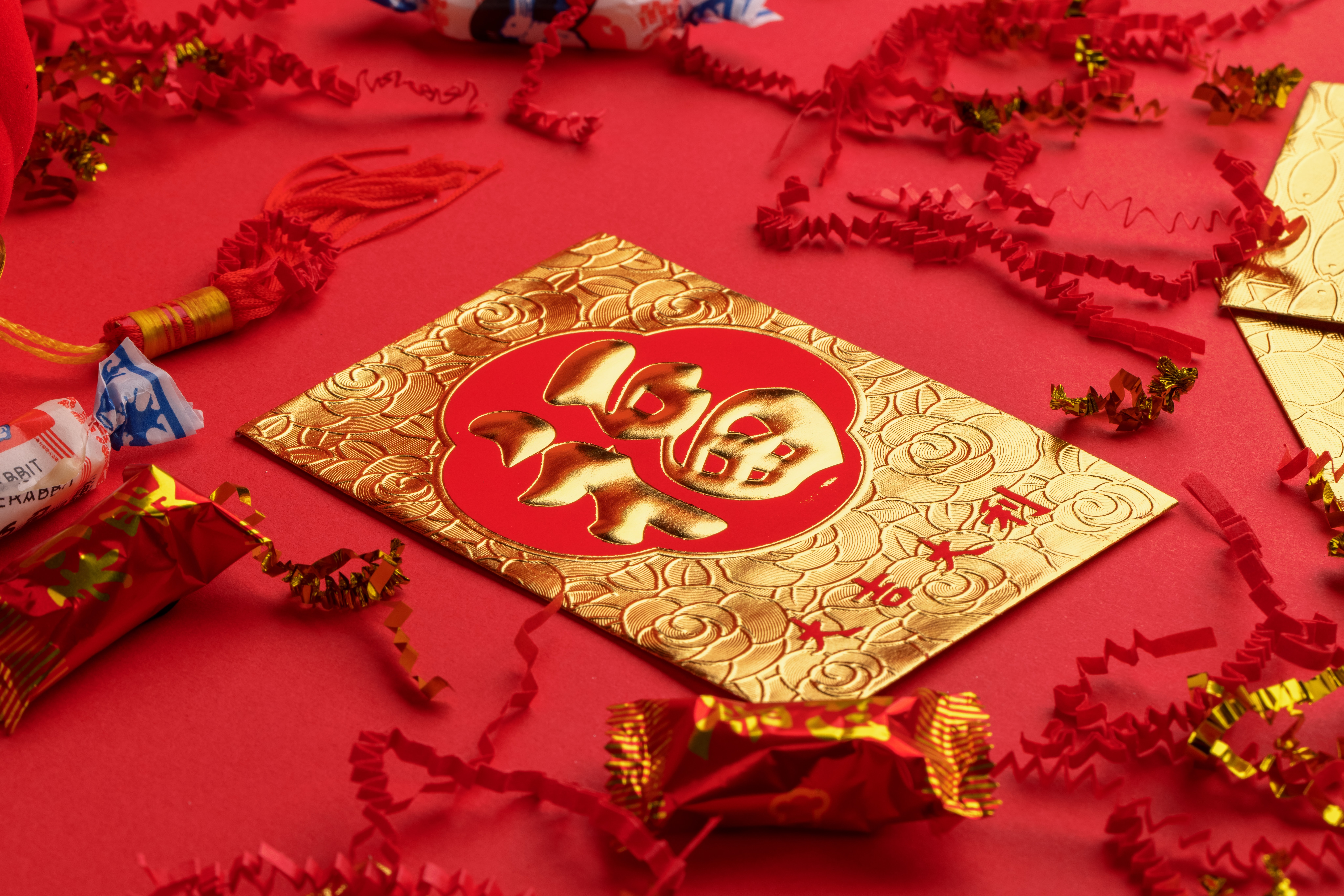
In Chinese culture and tradition, preparing Rice Cakes means appeasing the "Stove God". He is the deity presiding over the cooking fireplace in each and every house. Tradition says that, too busy chewing on the sticky cakes, the Stove God won't be able to complain about the family in front of the Jade Emperor, ruler of the Heavens, thus ensuring a peaceful and prosperous year.
Our Recommended Wines:
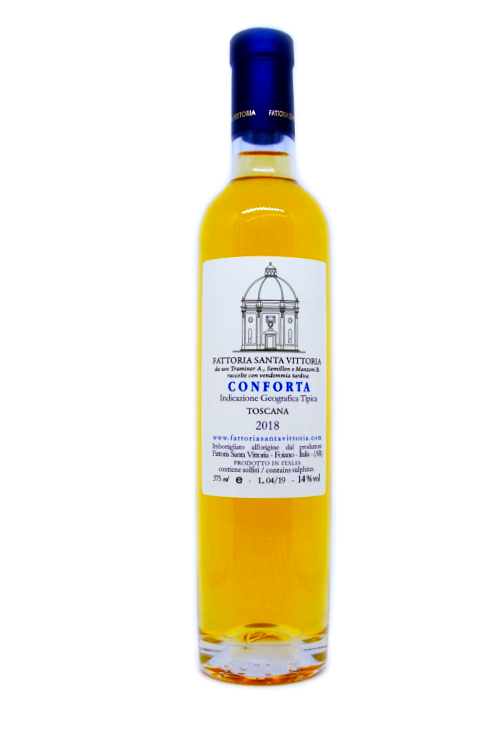
Chinese Desserts can greatly pair with sweet wines, thanks to the rich flavours of dishes such as Almond Tofu, glutinous rice balls and red bean paste. We recommend delicate and fruity, flowery wines that won't owepower the natural taste of Chinese desserts while still providing a lovely addition to the meal. Sweet Wines may not be that common in traditional Chinese cuisine and food, but in time they might find a way to meet and complement each other more and more.
━━━━━━ ◦ ❖ ◦ ━━━━━━
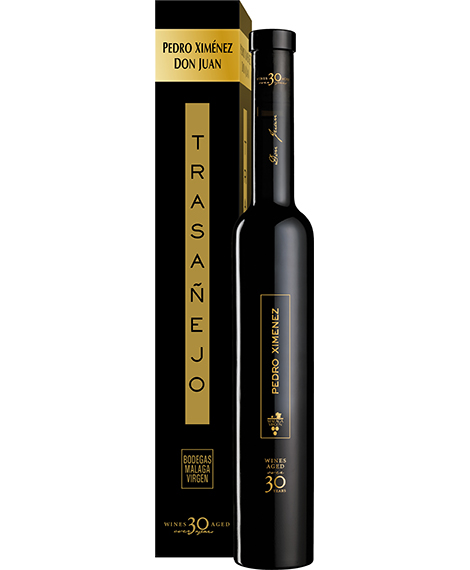
Pedro Ximénez Don Juan - Bodegas Malaga Virgen
- Aged over 30 years, naturally sweet and young
━━━━━━ ◦ ❖ ◦ ━━━━━━
Want To Know More About Chinese New Year?
Can you gift Wine for Chinese New Years?
What are the traditional Chinese New Year drinks?
What is Osmanthus Wine?
What are the four main Chinese regional cuisines?
1. Cantonese, located specifically in the Guangdong province in Southern China. This cuisine is known for light and delicate flavours and fresh ingredients such as seafood.
2. Sichuan, located in south western China and famous for the boldest spicy flavours and the use of peppercorns and chili peppers.
3. Lu Cuisine (Shandong), from Northern China, Lu cuisine has influenced the cooking styles of nearby regions including Beijing, Tianjin and the middle and lower reaches of the Yellow River. Even the imperial court cuisines of the Ming and Qing dynasties owe its rich legacy to the influence of Lu cuisine.
4. Jiangsu, in eastern China, home to delicate and refined flavours rich in fish, vegetables and fresh ingredients.


