
Complete guide to sweet wines
When talking about wines, there’s always a little confusion with the use of the words “sweet” and “fruity”. It is common to think that a fruit-forward wine automatically implies that the wine is sweet. Even though most sweet wines present strong aromas of a wide range of fruits, it is not always the case, as many wines with fruity bouquets can be dry or semi-dry.
That is why we put together this easy, but hopefully exhaustive, guide to better comprehend and get to know sweet wines. Sweet wines are the ultimate pairing partners for your desserts, mature cheeses and aperitifs, and produce in wonderful wine regions you might want to put on your next travel list.
How is a sweet wine made?
When it comes to the differences in the production between white wines and sweet wines, sweet wines contain non-fermented sugar, while for most wines the fermentation goes on until they are dry. There are several methods used to produce sweet wines, here’s a short list to know them all:
- Fortification: it consists of the addition of grape spirit into the mix. What happens is that the spirit kills the yeast, making it impossible for the fermentation to continue.
- Adding of a sweet component: this practice is widespread in Germany, where the added component is called Süssreserve. The component is added to dry wines that are ready to be bottled.
- The concentration of the grape’s sugars method is used for those grapes that are naturally sweet.
- Noble rot: this method is the best-known one because it is used to produce some of the world’s most famous sweet wines, like Tokaj and Sauternes just to name a few. The rotting process is caused by a fungus that punctures the grape skin and helps the development of unique flavours, such as honey, citrus and aromas of dried fruit.
- Passerillage: this technique consists of drying the grape once they’ve reached their full-sugar ripeness when they are still on the vine. This method is used in regions with dry and warm autumns.
- Drying grapes after picking: with dry and warm conditions it is also common to dry the grape after picking. This technique is mostly used for the production of passiti.
- Freezing of the grapes: grapes are left on the vine during the winter months. The freezing process is typical in Germany, where Eiswein is often produced.
How to choose a sweet wine glass?
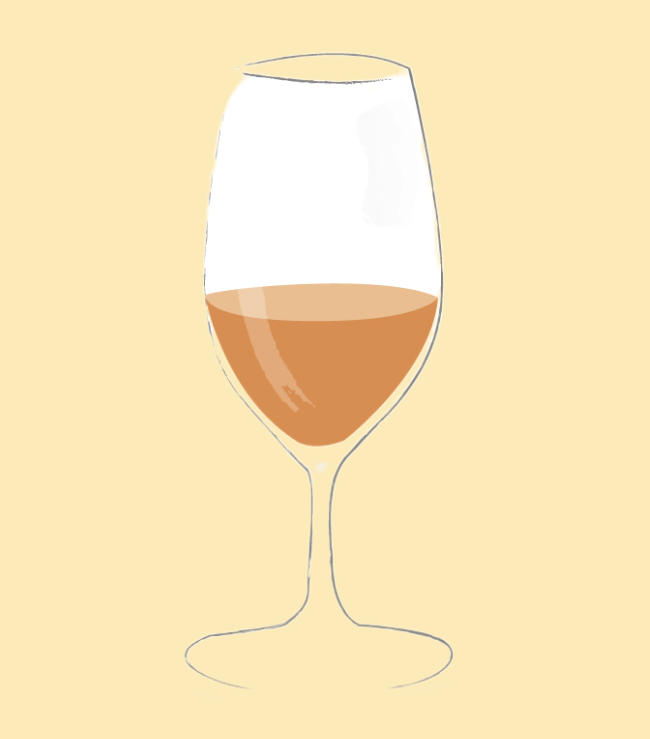
The glass shape, size, and material will have an effect on the wine. For example, the tighter-wrapped shape of a champagne flute boosts carbonation levels in the wine for more bubbles. The dessert wine glasses you choose can help to enhance the flavor of your wine in different ways.
If you are a sweet wine consumer you should definitely have an official Port glass. It is small in size and has a narrow mouth that reduces alcohol evaporation.
Where to taste the best sweet wines
Sauternes
We’re sure you all know the Bordeaux wine region for its full-bodied, iconic red wines but maybe less of you might know that there’s an area where white grapes are the most widespread. This wine region is called Sauternes and it represents the sweet side of Bordeaux. The three main white grapes cultivated in the region are Sémillon, Sauvignon Blanc and Muscadelle.

These grapes are used to produce the best-known French dessert wine, which exhibits sweet and delicious notes of honey, apricot, mango, caramel and ginger. Tropical fruits and citrus can also be detected as secondary aromas.
Sweet wines from Sauternes are mostly made using Sémillon grapes, which have a very thin skin that makes them ideal for the noble rot technique.
The best way to taste a nice glass of Sauternes and appreciate all its aromas is with Roquefort cheese or foie gras (couldn’t be more French!).
Tokaj for Tokaji Aszú
Royal, sophisticated and incredibly sweet. Who’s that you ask? Not a who but a delicious bottle of wine from the Hungarian wine region of Tokaj. Around the 18th century, Tokaj was one of the most appreciated wines in the world and now it is an example for many producers around the world.
There are 6 grapes that are allowed in the production of Tokaj sweet wines: Furmint, Hárslevelü, Kövérszölö, Zéta, Sárgamuskotály and Kabar. These grapes can be put together to create 4 styles of sweet wines, of which the two most famous are Aszù and Eszencia.
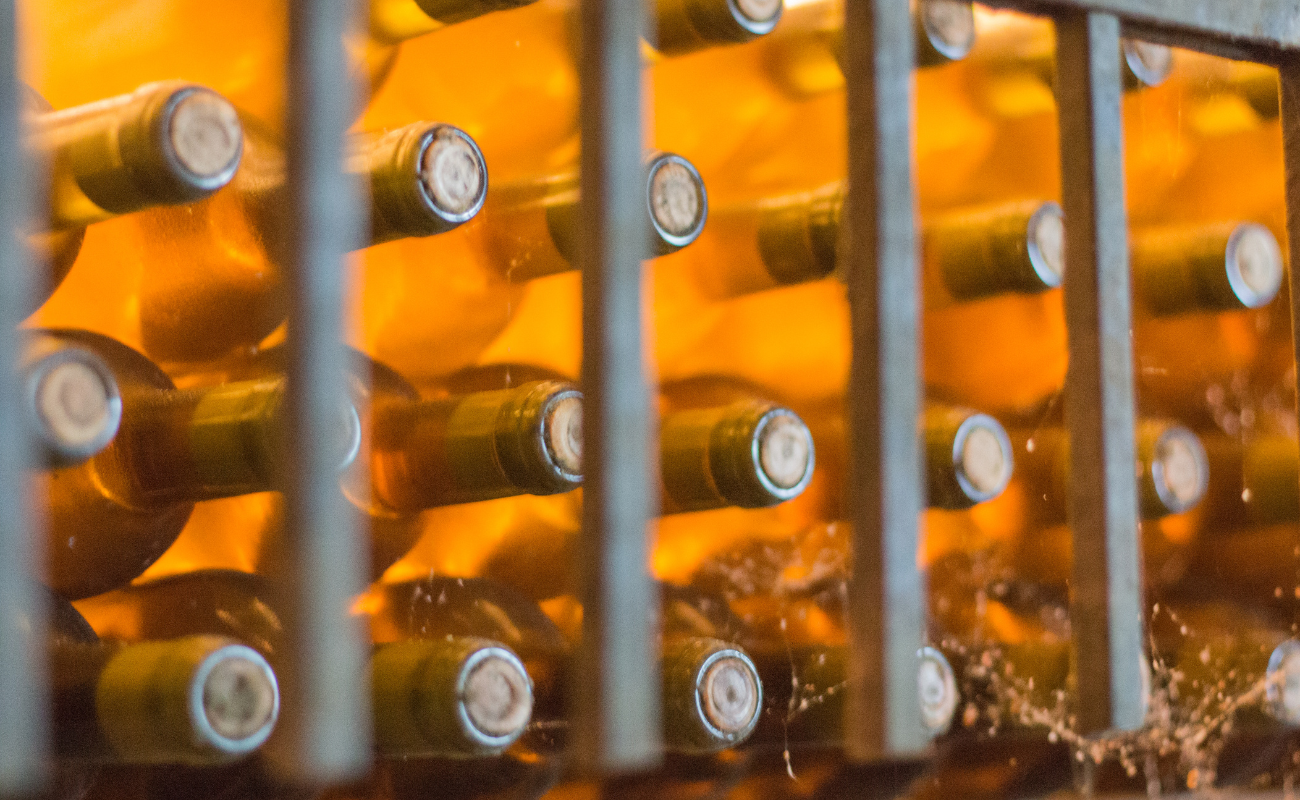
Aszù defines the noble rot producing method and it requires minimum 18 month of barrel ageing. Up until 2013, Aszù style Tokaj sweet wines had to show on the etiquette the number of types of grapes that underwent the noble rot to produce the wine.
On the other hand, Eszencia is probably one of the world’s sweetest and lower in alcohol wines. It’s syroupy texture makes it almost impossible to drink and gives it a very long fermentation period, in between 3 and 4 years.
If you get your hands on a bottle of Tokaj, serve it with cheese and charcutrie for an aperitivo or with asian food.
Piemonte for Moscato d'Asti
Like Bordeaux, Piemonte is a wine region appreciated for its regal red wines, but like Bordeaux, it also has a sweeter, more festive side called Moscato d’Asti DOCG. Moscato d’Asti is a sweet white wine produced using Moscato Bianco grapes that brings to the glass aromas of peach, honeysuckle, Williams pear and citrus. All of these flavors create a perfect balance with the wine’s subtle acidity and half-sparkling character.

Despite being a sweet wine, Moscato d’Asti only has 5.5% of alcohol, which makes it perfect to accompany traditional Italian desserts like Panettone and Colomba.
Wait, there’s more! In the land of red wines, there’s even a sweet red wine that can be served as the perfect pairing with chocolate desserts: Brachetto d’Acqui. Brachetto d’Acqui is a semi-sparkling sweet red wine that presents aromas of candided berries, orange zest, red fruits and cream. It’s a medium-light bodied red wine that can be classified as the sweeter cousin of Lambrusco.
Which of these two sweet kings of Piemonte are you serving together with your next holiday desserts?
Germany for sweet Rieslings
Even the most German of all wines has a sweeter side that you might want to look into. Riesling white wines, especially those coming from the Mosel wine region and the Pfalz wine region, are among the most appreciated white wines in the world and are mostly considered sweeter compared to other white wines. However, in wine regions such as Alsace or Washington, Rieslings are mostly dry.
Sweet Rieslings fall under the German Pradikat and are the most valuable ones. Among their shared characteristics, there’s a strong bouquet that immediately fills up your glass. The primary aromas are those of apricot, pear and crisp apples. After having swirled the wine in your glass, flavours of lime, jasmine, ginger and honey will arrive to your nose.

Because of its sweetness and high acidity, Riesling is the perfect wine to accompany a spicy Indian dinner, very well seasoned meat and roasted veggies.
Tuscany for Vin Santo
We’ve talked about royal and regal wines a few lines above, but this is where sweet wines are taken to a more spiritual level. In the enchanted land of Tuscany, winemakers produce a holy sweet wine, called Vin Santo. This sweet dessert wine is traditionally served with cantucci, almond biscuits from Tuscany. The two could easily be defined as a match made in heaven!
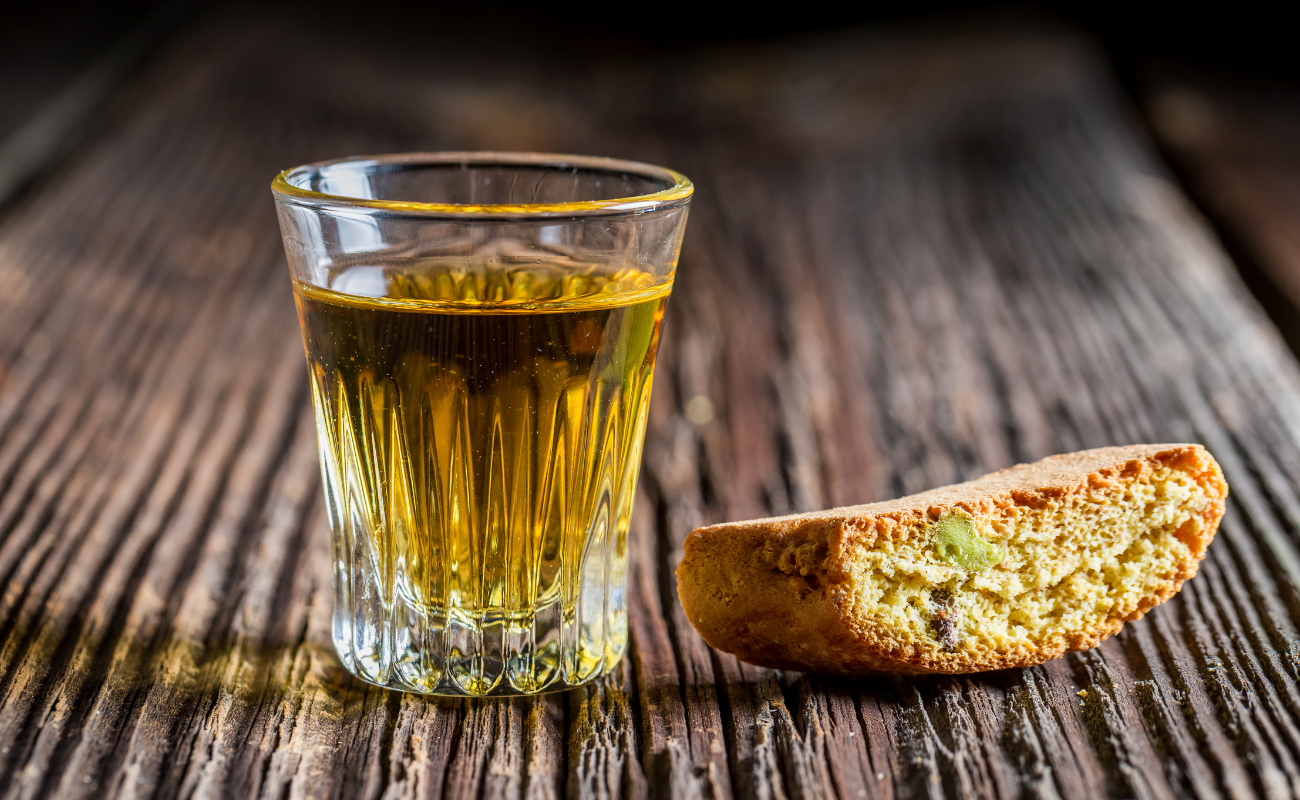
Vin Santo is a sweet wine very high in acidity and it presents a full-body. Its primary aromas are those of dried fruits, especially raisins, almonds, hazelnut and caramel.
What’s special about Vin Santo is its natural fermentation of Trebbiano grapes, which makes it so unique and so full of flavours.
Curiosities about sweet wines
- The more a white wine looks thick onceyou swirl it into your glass, the higher the sugar levels.
- The flavour of honey is typical of sweet wines from all over the world.
- If you read “late-harvest” on the etiquette of a wine, it most certainly is a sweet wine.
- A sweet wine that presents strong flavours of berries, it’s great with chocolate.
- Asti DOCG or Spumante d’Asti is the “prosecco” version of Moscato d’Asti.


