Experience the Essence of Veneto's Winemaking Tradition at La Pesenata
Taste History in Every Sip
Founded in 2019, La Pesenata is a testament to generations of winemaking in the family. The name "La Pesenata" comes from Palù Della Pesenata, a location with a rich history dating back to 1778. Our historic cellar, dating back to the 1700s, has been lovingly restored, featuring six original concrete tanks from the early 20th century. Here, we let nature take the lead, producing wine in a spontaneous and natural manner.
Organic Winemaking at Its Best
At La Pesenata, we believe that winemaking is an art form that thrives on a deep connection between the winemaker and the land. Our approach emphasizes minimal intervention, allowing the vines to express their true character. We avoid filtration, clarification, and chemical stabilization, ensuring that what you taste is pure and natural. We are currently pursuing Demeter biodynamic certification and are part of the 'Arena biodynamic' group, collaborating with other biodynamic farms in the Verona area.
The quality of our wines reflects the hard work and dedication that goes into every bottle, as well as the exceptional land that nurtures our vines.
The Lands of La Pesenata
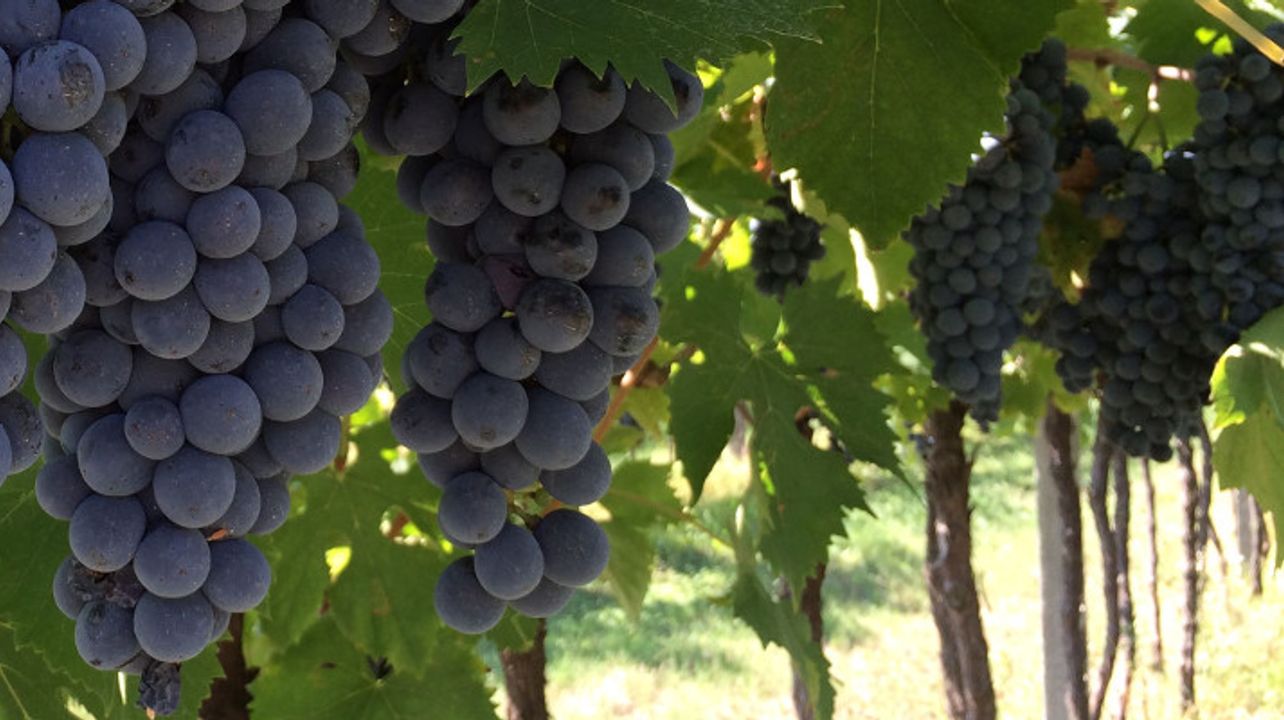
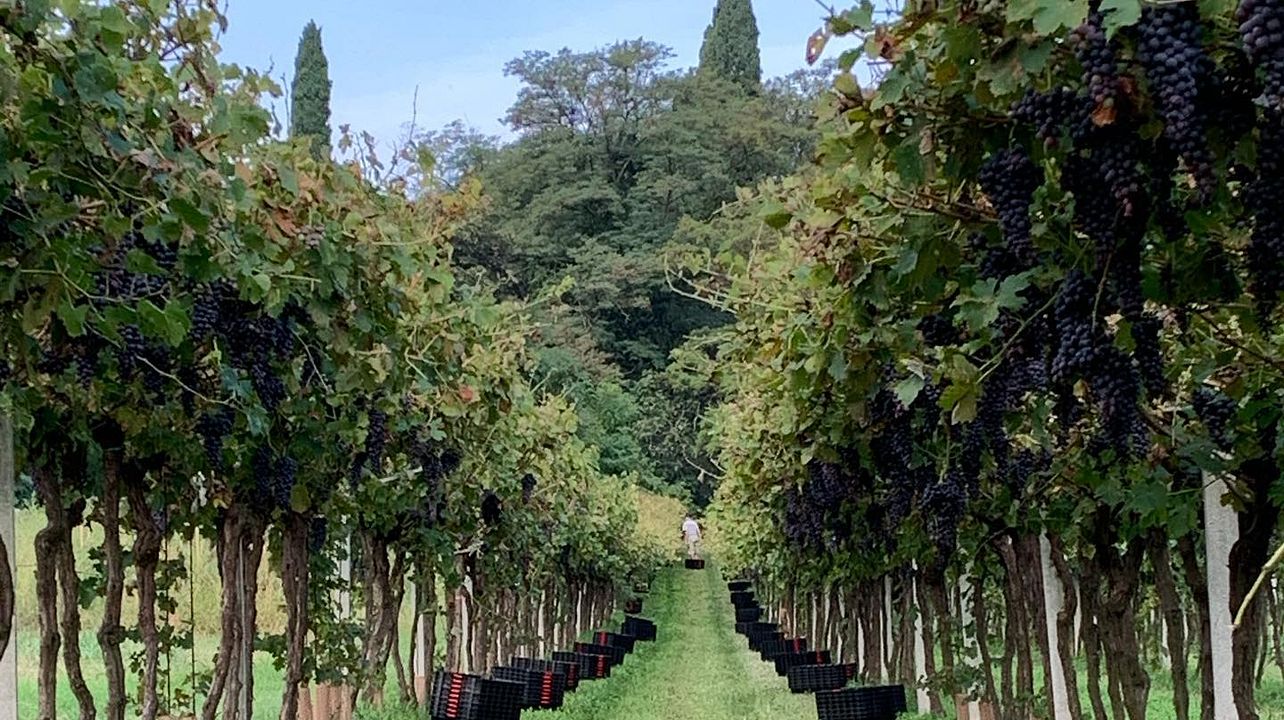
Our vineyard, established in 1996, features a double Veronese pergola with 60% Corvina and 40% Rondinella grapes. All vineyard work is done by hand, from pruning to defoliation. In winter, we enrich the soil with humified natural manure from our biodynamic compost heap, which consists of animal waste and plant residues. We also sow green manure to enhance soil health, minimizing mechanical intervention in the vineyard.
Vinification at The Winery
Our vinification process begins with producing white wine from red grapes. We press whole bunches gently to extract the flower must, yielding about 35% of the grape weight. This must ferments spontaneously in steel vats using a 'pied de cuve' prepared in advance.
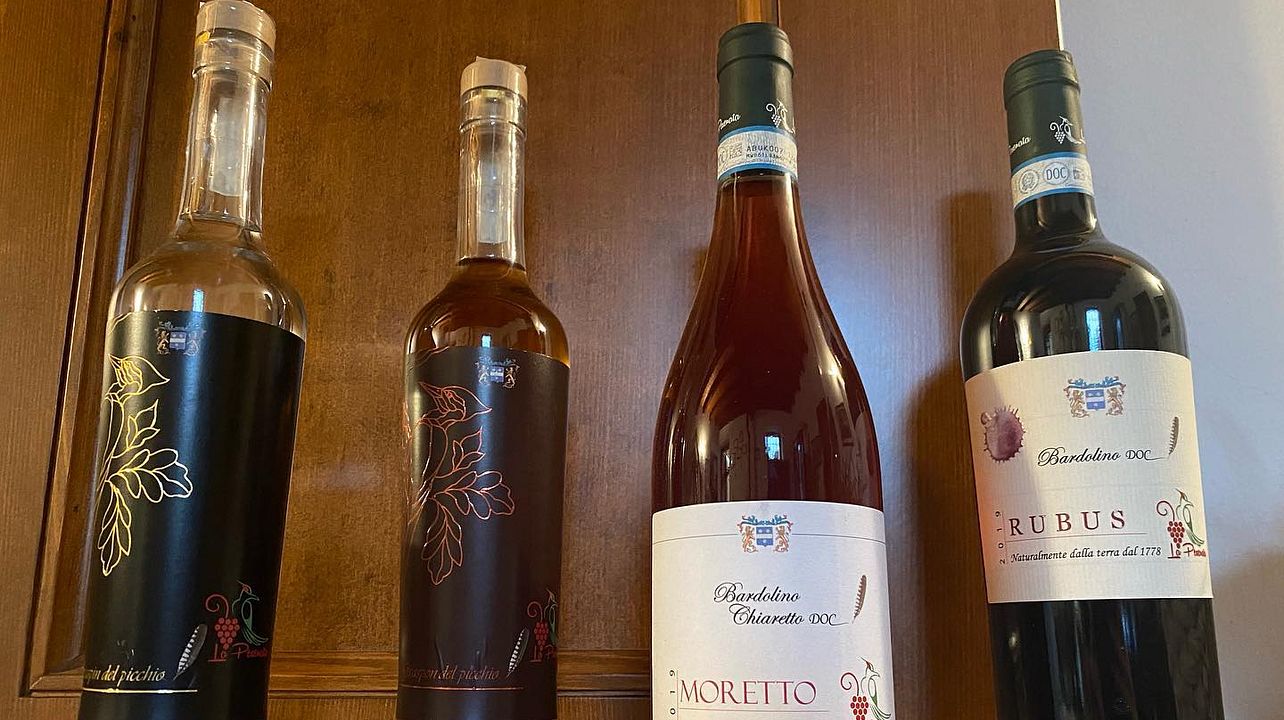
For rosé wine, we destem and crush the grapes gently, allowing 15% of the berries to remain whole. After a brief maceration of 10 to 12 hours, we use the "salasso" technique to create a rosé that ferments completely. We perform minimal racking operations, avoiding clarification, chemical stabilization, filtration, or temperature control.
Since taking over the vineyard in February 2019, we have observed significant improvements in plant vigor and uniformity. Our cultivation techniques are designed to help this 1996 vineyard reach its full potential, enhancing grape quality while respecting the environment and promoting agricultural biodiversity.
Our vinification process begins with producing white wine from red grapes. We press whole bunches gently to extract the flower must, yielding about 35% of the grape weight. This must ferments spontaneously in steel vats using a 'pied de cuve' prepared in advance.
For rosé wine, we destem and crush the grapes gently, allowing 15% of the berries to remain whole. After a brief maceration of 10 to 12 hours, we use the "salasso" technique to create a rosé that ferments completely. We perform minimal racking operations, avoiding clarification, chemical stabilization, filtration, or temperature control.
Since taking over the vineyard in February 2019, we have observed significant improvements in plant vigor and uniformity. Our cultivation techniques are designed to help this 1996 vineyard reach its full potential, enhancing grape quality while respecting the environment and promoting agricultural biodiversity.
Experiences to book at La Pesenata
Top reviews
Location
Services
Visiting Hours
Wine types
Grape varieties
Other wineries in Veneto
Discover cities near La Pesenata
Visitor reviews
What our community thinks about La Pesenata
Check out verified reviews from visitors who've enjoyed their time at La Pesenata.
Write a review