
Architecture has always been a quiet companion to winemaking. Some wineries look back, keeping centuries of history alive underground, while others look ahead, pushing boundaries through modern design and daring ideas.
In places like Bordeaux or Piedmont, old stone cellars still protect the wines as they have for generations. Their thick walls hold steady air and silence, and every passage remembers the hands that once rolled barrels through it. Here, winery architecture becomes a memory carved in stone. Elsewhere, glass, steel and concrete form bold geometries: angular, fluid, unexpected. Each designed to challenge what a winery can look like. These avant-garde creations turn winemaking into art and invite visitors to experience wine through the innovation surrounding them.
Together, these two worlds shape how we experience wine. From heritage cellars to futuristic landmarks, winery architecture defines the feeling of a visit: serenity and surprise, nostalgia and excitement, inspiration and joy. Let’s take a closer look at some of the most architecturally stunning wineries in the world and see how design transforms wine tourism.
The Icons of Winery Architecture
These are among the most beautiful wineries, each turning a visit into a journey through creativity. Being there feels like entering a winery architecture tour that leaves its own unique impression.
Antinori nel Chianti Classico (Italy)
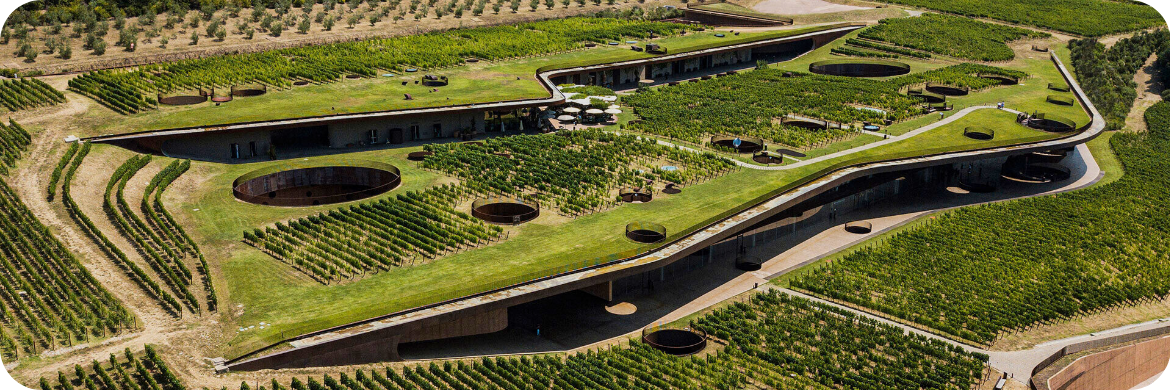
Hidden among the rolling hills of Tuscany, the Antinori nel Chianti Classico winery feels less like a building and more like a landscape. It’s a masterpiece of modern winery design, created by Marco Casamonti in 2012, one of Italy’s leading voices in contemporary architecture. The project reflects a deep integration with the land: vineyards grow right on the rooftop, and natural materials like terracotta and wood echo the colors and textures of the Tuscan hills.
Wide, open spaces and soft light make visitors slow down and notice more: the smell of wood, the quiet around them, the view of the vines outside. Standing on the rooftop, they pause with a glass in hand, feeling the calm that makes this place so easy to love.
Marqués de Riscal (Spain)
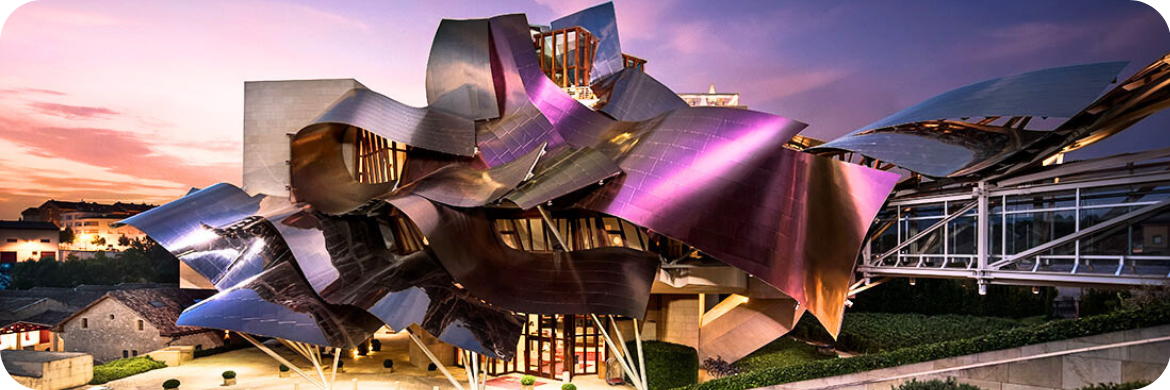
Marqués de Riscal is one of the world’s most iconic winery hotels, rising from the vineyards of Rioja Alavesa in 2006. Designed by Frank Gehry in his signature deconstructivism style, it’s a work of art shaped by curves and color, a swirl of titanium ribbons that shimmer gold and rose in the Spanish sun. Gehry’s concept was to spark emotion and combine tradition with an avant-garde spirit.
Inside, every angle catches the light differently, turning a simple winery tour into an experience of art and surprise. As travelers move through the space, they feel the playfulness of the design – nothing here is static or predictable. The reflections and shifting colors above make the visit feel alive, as if the building itself were celebrating wine.
Bodegas Ysios (Spain)
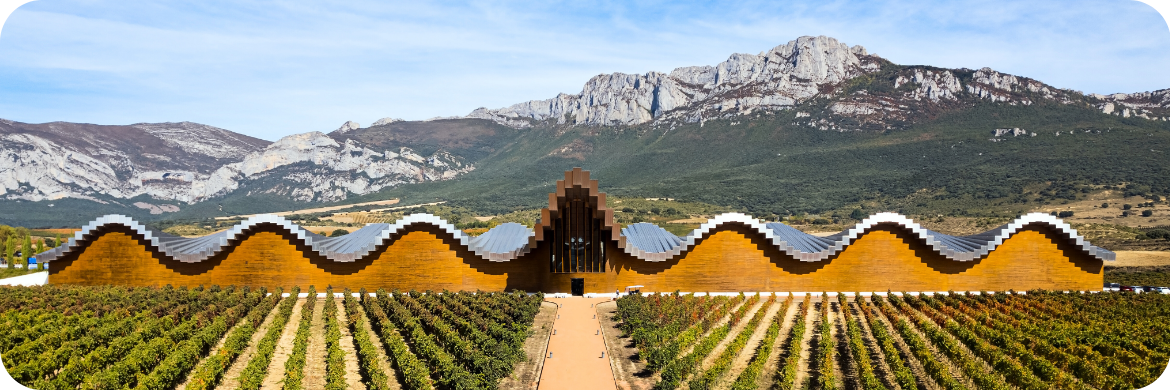
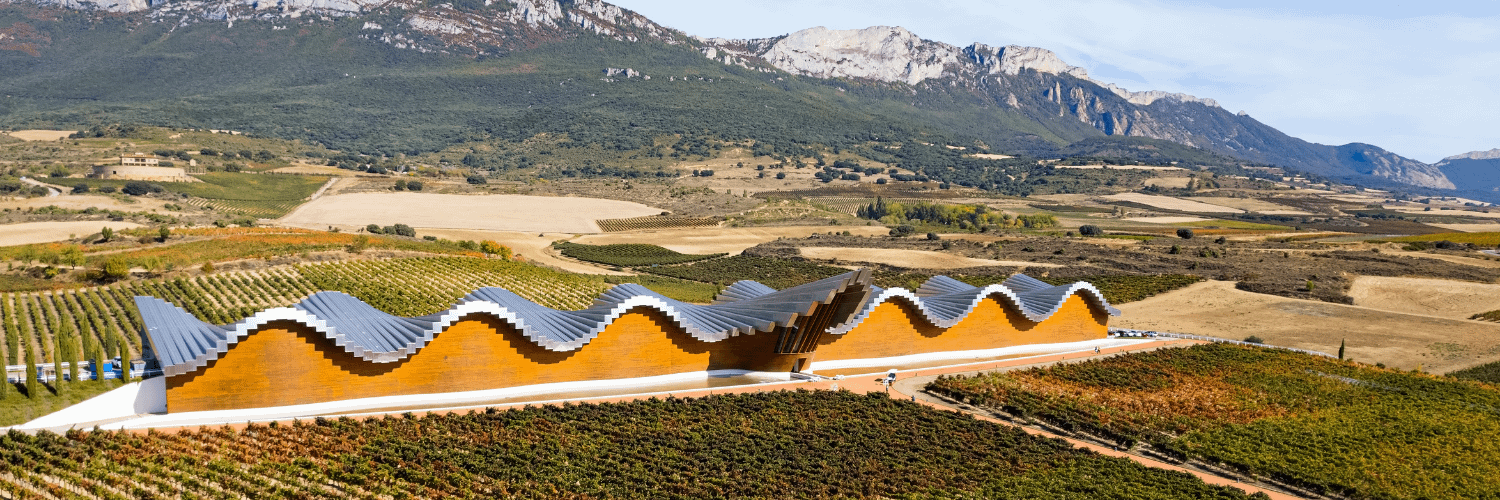
At the foot of the Sierra de Cantabria mountain range, Bodegas Ysios stretches across the land like a wave. Brought to life by Santiago Calatrava in 2001, the design turns the winery into a living reflection of its landscape, repeating the relief of the mountains behind it. The combination of aluminum and wood reflects the harmony between technology and nature.
Within the winery, warm sunlight touches cedar walls, and the symmetry of the space guides wine lovers through a calm, almost meditative experience. From the upper tasting room, panoramic views open over vineyards and hills, leaving a lasting sense of wonder that stays long after the visit ends.
Experience Marqués de Riscal and Ysios wineries on a modern wine and architecture tour from Bilbao.
Wineries You Can Book through WineTourism.com
Petra Winery (Italy)
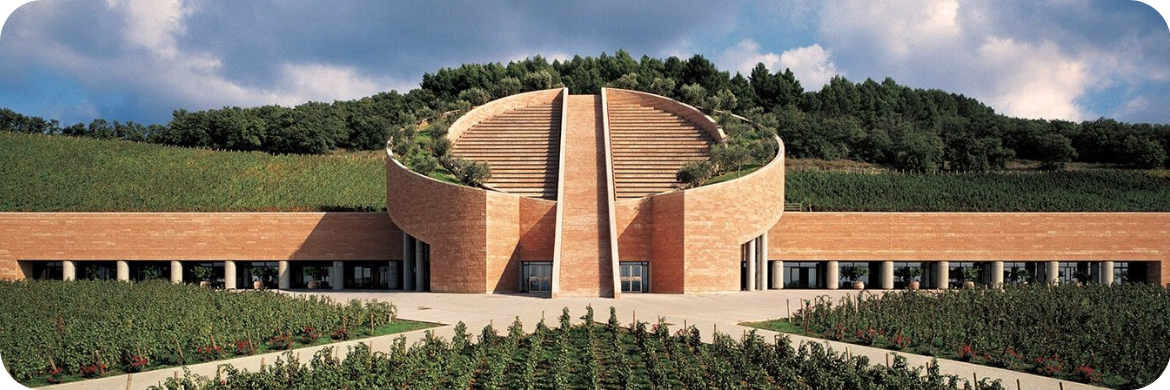
In southern Tuscany, Petra Winery rises like a sculpture carved into the landscape. In 2003, Mario Botta shaped the winery as a striking example of contemporary architecture that blends geometry with nature. The building cuts into the hillside, framed by tall stone walls that share the warm reddish tones of the surrounding Tuscan clay. The design follows the land’s incline, letting wine flow naturally by gravity, from the upper levels down to the cellars below.
A long central staircase runs through the facade, leading visitors upward toward the open scenic view. Beneath it, the winery extends deep underground, descending into the cool spaces where Petra wines mature. The whole visit feels calm and balanced, letting you sense nature's strength all around.
Castel Sallegg (Italy)
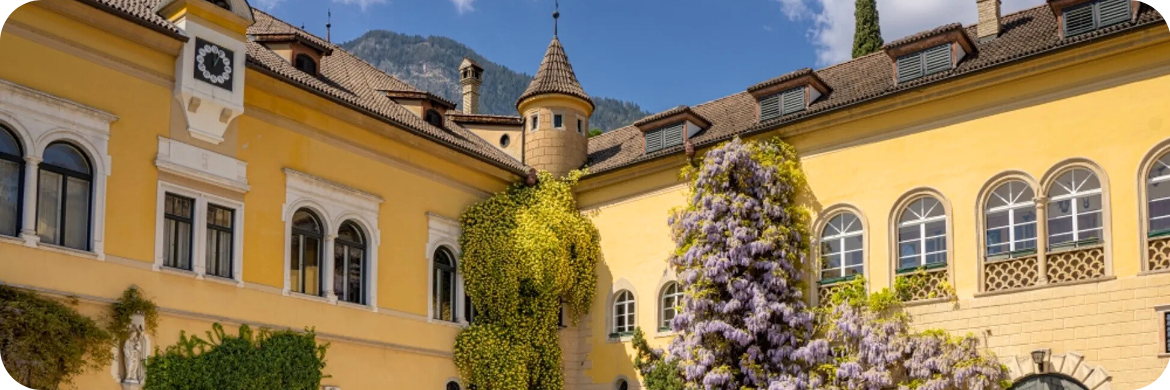
Castel Sallegg in South Tyrol traces its origins to the 16th century, when it was built as the residence of the Herren von Sall. In 1851, it became the estate of the Counts von Kuenburg, who transformed it into a renowned winery. The estate blends Tyrolean style with Renaissance-inspired details: towers, arched windows and pale ochre walls framed by stone. Ivy and wisteria climb across the walls, giving the castle a living charm.
The castle's compact size creates an intimate atmosphere. Wine tastings take place not in open modern halls but under the vaulted ceilings, where footsteps echo softly through the corridors. Travelers experience the quiet of an ancient home, the feeling of being a guest in a noble family’s house.
Herdade do Freixo (Portugal)
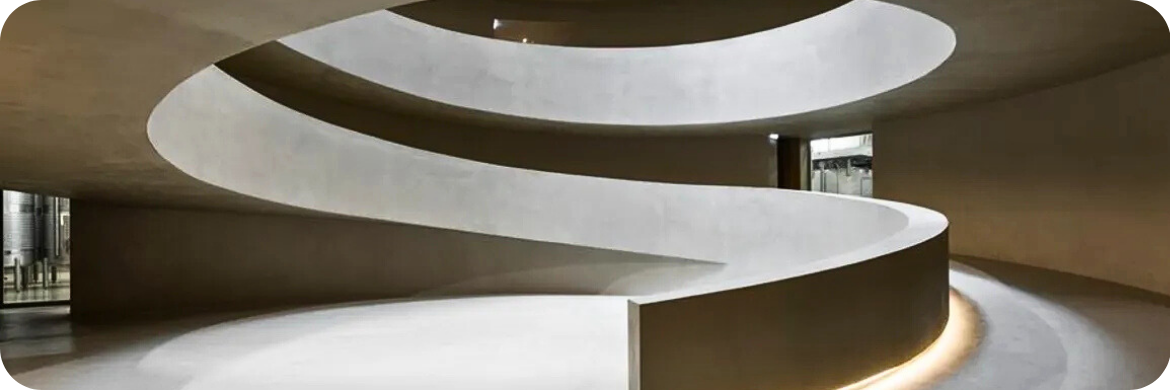
In the rolling plains of Alentejo, the Herdade do Freixo winery is mostly invisible: its production spaces hidden beneath the vineyards. Frederico Valsassina Arquitectos shaped the winery in 2016 as a bold project that merges with the land. The winery descends more than 40 meters underground to preserve the landscape above and harness gravity in the winemaking process.
The main architectural element is a central spiral ramp that symbolizes the winery’s gravity-flow design. Its smooth curves and muted tones create a slow, contemplative experience, making the space almost museum-like in atmosphere.
Vinícola de Nulles (Spain)
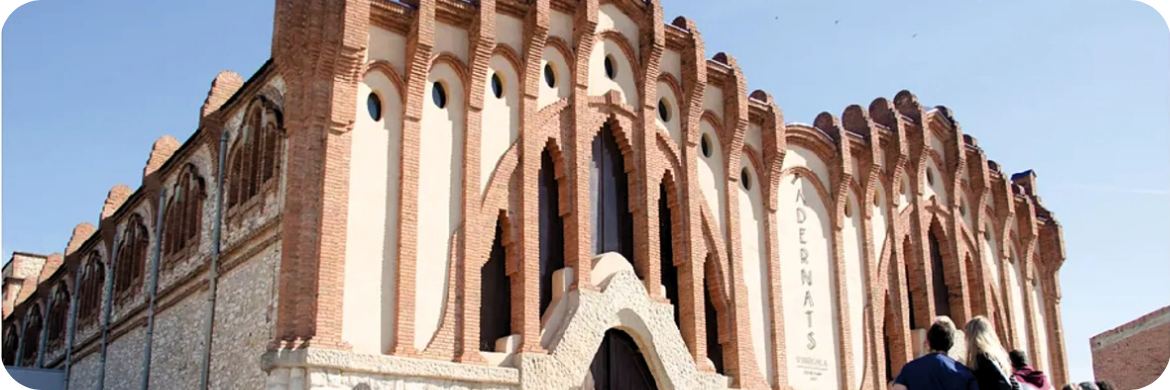
In the small Catalan town of Nulles stands one of Spain’s most remarkable examples of Catalan modernism. Built in the 1920s by Cèsar Martinell, a disciple of Gaudí, Vinícola de Nulles feels truly monumental. It was built from natural materials like brick, stone and ceramic, all drawn from the land around it. The Catalan vaults and tall arches create a feeling of spaciousness and solemnity, like being inside a temple, earning it the name “The Cathedral of Wine.”
The interior was designed to keep the air cool and the wine stable. Today, tastings of Adernats wines take place in the same space, where the scent of oak and stone still lingers. This place is historical and alive at the same time.
Tsinandali Estate (Georgia)
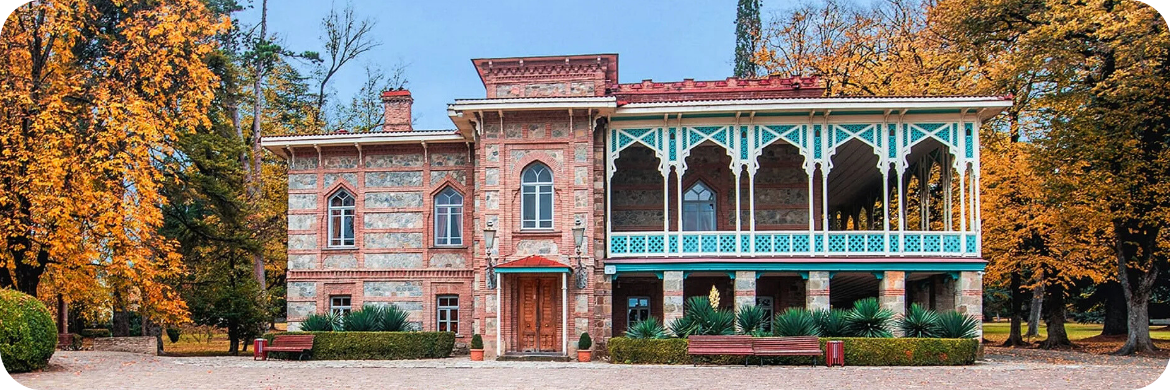
In Georgia’s Kakheti region, Tsinandali Estate catches the eye long before you reach its gates. In the early 1800s, Prince Alexander Chavchavadze transformed his family home into the country’s first estate to blend local wine tradition with European influence. He introduced oak barrels and cellars to the land of buried clay qvevri, bringing progress to local wine culture.
The manor stands bright and welcoming, with pink and blue tones on its facade. Balconies curl around the building, arcades open toward the garden, showing the Italian touch that softened Georgian classicism into something more graceful and light. Today, tourists can walk through its historic park and taste Tsinandali wines in the cellars below, within the same walls that once hosted poets and thinkers from across Europe.
Castello Vicchiomaggio (Italy)
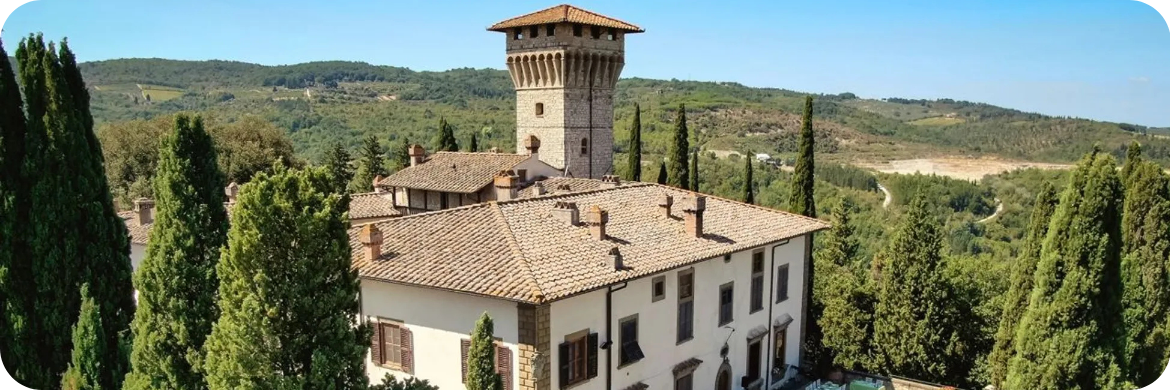
Perched on the hills of Chianti, Castello Vicchiomaggio is the oldest among these estates. Originally built in the 11th century as a medieval fortress, it was transformed into a Renaissance residence in the 16th century. The castle keeps the strength of a fortress, softened by the symmetry and refined proportions of classical design. Its stone walls, high tower and sunlit courtyard still carry the beauty of Tuscan tradition.
Today, visitors can not only taste the estate’s wines but also stay overnight within the castle walls. Each room is rich in history, offering an authentic glimpse into the life of a Tuscan heritage estate. Guests can even walk the same halls where Leonardo da Vinci once stayed while working on the iconic Mona Lisa.
Bodegas Beronia (Spain)
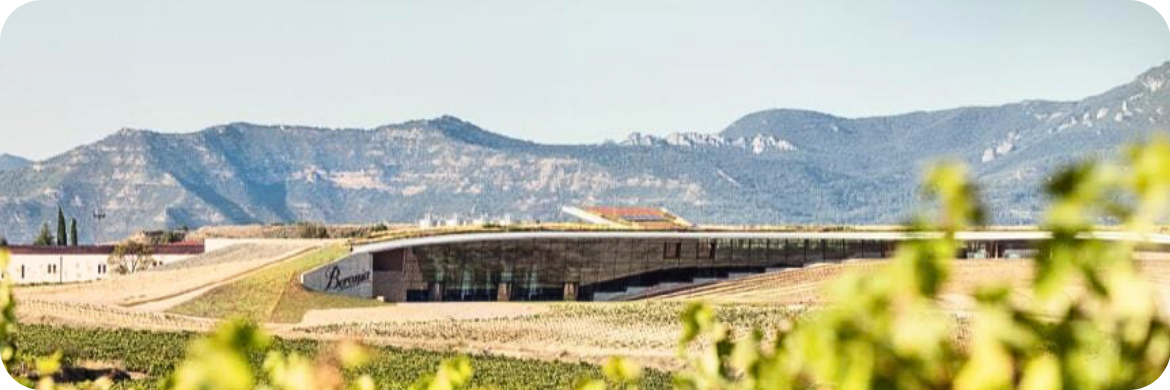
A gem of La Rioja Alta, Bodegas Beronia introduces a model of landscape-integrated architecture. Completed in 2018 by the architectural firm IDOM, the building anchors itself into the slope: the production halls lie half-buried beneath vineyards, while the tasting spaces rise gently above. A sweeping green roof and minimalist facade of glass let the winery merge into the surrounding vineyards.
Every detail of Beronia’s architecture reflects its philosophy of sustainability and harmony with nature. Its gravity-flow design, natural light and use of local materials create a sense of balance that visitors can feel the moment they arrive.
Bodegas Olarra (Spain)
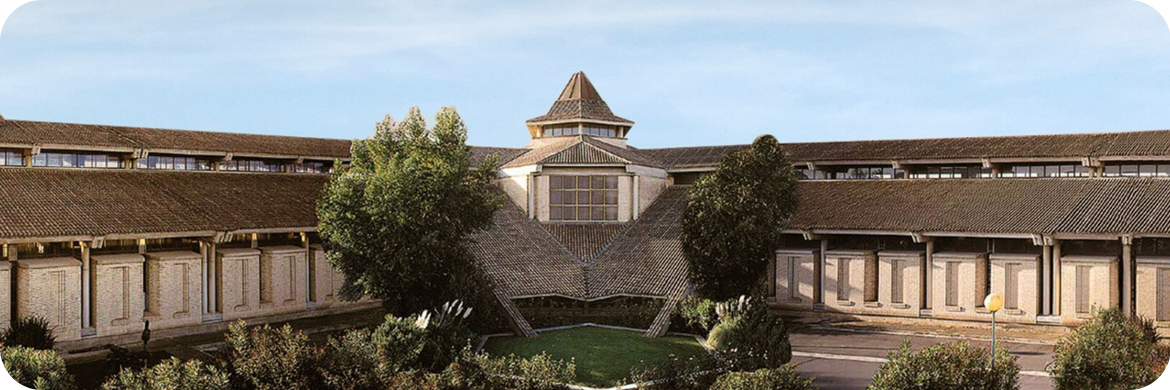
Amid Rioja’s vineyards, Bodegas Olarra stands as an icon of 20th-century winery architecture. Designed in 1973 by Juan Antonio Ridruejo, the building is famous for its striking roof of 111 hexagonal domes: a honeycomb structure that earned it the nickname “The Cathedral of Rioja.” Built of concrete and red brick, it reflects the symmetry and precision of 1970s modernism.
Natural light filters through the patterned roof, changing as the day goes on. The geometry and rhythm make guests stop and observe the architecture. Contemplation becomes part of the experience – it’s almost hypnotic.
The Intersection of Design and Wine Culture
When an architect approaches a winemaking project, they create a space that reflects the character and history of the land. In some cases, wineries are built into hillsides to preserve the natural topography. In others, they use materials from their surroundings: clay, stone, wood, whatever the land provides. This is the true reflection of the spirit of a place: when architecture ceases to be an external shell and becomes an extension of the terroir. Innovation here isn’t an abstract modernity but a search for new ways to respect wine. Gravity-led wineries, for example, remove pumps so the juice can flow naturally downward. Architecture becomes part of the technological cycle.
Today’s travelers seek places that engage every sense: the seclusion and mystery of old castles, the feeling of freedom on panoramic rooftops, the fascination of geometric forms, the grounding comfort of natural scents and textures. The architecture of a winery completely changes how wine is perceived, touching people on an emotional level.
For those inspired to explore, these architecturally stunning wineries open their doors to guests, offering experiences that stay with you long after the visit ends. Plan your journey and book your next tasting through WineTourism.com.