
€60.01
·
5.0
·
13 reviews
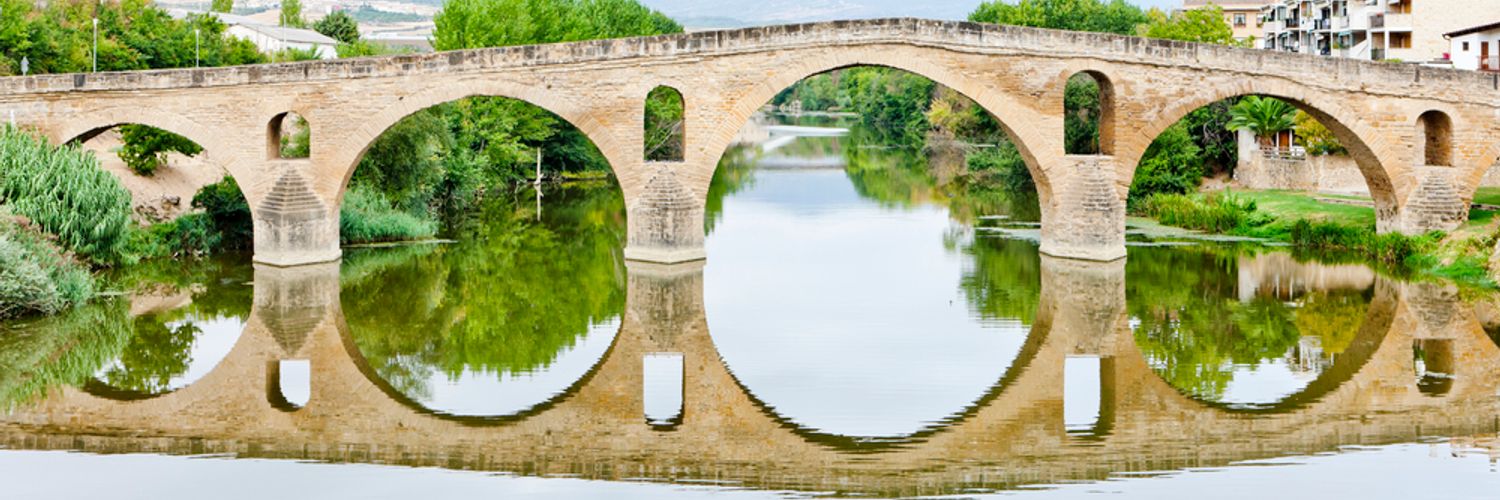
Valdizarbe, located in Spain’s Navarra region, invites wine enthusiasts to explore its unique vineyards and rich heritage. This area is celebrated for its distinctive blends of indigenous varieties such as Garnacha and Tempranillo, producing remarkable reds that reflect the local terroir. With scenic landscapes and charming wineries scattered across the appellation, visitors can immerse themselves in an authentic wine tourism experience while savoring the vibrant flavors of Valdizarbe's diverse wines.
The Valdizarbe valley is in the Foral Community of Navarra. The Merindad de Pamplona owns the entirety of the Valdizarbe subzone, which runs alongside the Arga River and is bordered by the Sierra de Anda. It is also known as the land of pines and Oaks. The vineyards are spread over 920 hectares. Valdizarbe is the most humid and verdant of the D.O. Navarra vineyards. The northern Sierras, like Tierra Estella, limit Atlantic influence, and vineyards tend to occupy the sunniest exposures.
Visit Bodega Otazu – one of the oldest wineries in Valdizarbe, located only 8 km away from Pamplona.
Valdizarbe is a small wine appellation located in the northernmost sub-zone of the Navarra wine region. The Valdizarbe is between the Sierra del Perdón and the Nekeas mountains and is crossed by the Arga River's middle section.
The Valdizarbe appellation was established in 1997, following a lengthy process that began on October 8, 1987, with the formation of the Valdizarbe denomination delimitation committee. The first meeting was held on October 14, 1987, and was chaired by Pedro Gómez de la Riva, who was also in charge of drafting a delimitation proposal. It took until 1995 to complete all necessary paperwork and regulations for this process to be completed and approved by the Ministry of Agriculture decree.
The Valdizarbe terroir is characterised by its clay and limestone soils and its continental climate with cold winters and hot summers. Vineyards are planted on slopes and terraces to maintain the natural inclination of the soil. Vineyards on alluvial valley floors, as well as the remains of the Arga and Salado River terraces and the Sierra del Perdón glacis, are almost flat, with no drainage issues and have deep, loamy, frequently stony soils.
The subregion has several grape varieties grown in its vineyards. Non-indigenous varietals such as Chardonnay, Cabernet Sauvignon, and Merlot were introduced in the 1980s. These varietals began to be grown alongside the region's native Viura, Garnacha, and Tempranillo, the latter being the most widely grown and popular varietal.
The wines produced from the white grapes grown in this appellation are usually light, fresh and fruity with a subtle floral aroma.
The red wines are dark ruby colour with kirsch, pomegranate, red currant, wet clay and subtle spice aromas.
Truchas a la Navarra is a traditional Spanish dish that originated in northern Navarre. You make it by combining trout, ham, flour, lemon and parsley, olive oil, and salt to get the dish seasoned and fried. The fish is stuffed with sautéed jamón serrano, and lemon juice is squeezed over it. It's usually topped with chopped ham and parsley before being served.
Ajoarriero is a traditional Basque and Navarre dish. It's made with shredded salt cod and chopped vegetables. Traditionally, the dish was prepared in a clay pot over a fire, and the amount of garlic used was determined by the number of diners. Crab or beaten eggs were added to the dish.
Pamplona is a small, beautiful, historical city on the banks of the Arga River. The impressive ramparts of the old city walls rise sharply over the river, and the historic bull ring anchors the San Fermn fest. Pamplona also has one of the best pincho routes in the world, which consists of a series of small street-side bars in the old quarter serving various foods skewered on sticks and served with beer or wine.
Puente la Reina is located on the Way of St. James pilgrimage route to Santiago de Compostela between Pamplona and Estella. It was founded on the bridge built by Queen Doa Mayor across the river Arga. The must visit sites in Puene la Reina are bridge over the Arga river, La reina bridge, El perdón wind farm church of santiago el mayor and El crucifijo church.The church of Santiago El Mayor, built in the 12th century and later expanded, stands out among its historic buildings. It features a lovely Romanesque main entrance with Moorish influences, a Latin cross plan, and star-shaped ogival vaults.
Navarra’s capital, Pamplona, is world-famous for the Running of The Bulls. Ernest Hemingway’s passion for watching bullfights and curiosity about the Running of The Bulls brought him to visit Pamplona several times.
Just getting started on your wine journey, or jumping back in?
Look through our collection of great wineries
Displaying 1-1 of 1 wineries
Just getting started on your wine journey, or jumping back in?
Look through our collection of great wineries

Discover the locations of wineries in Valdizarbe
Join our newsletter now to receive our free guide on how to plan the perfect wine tour
