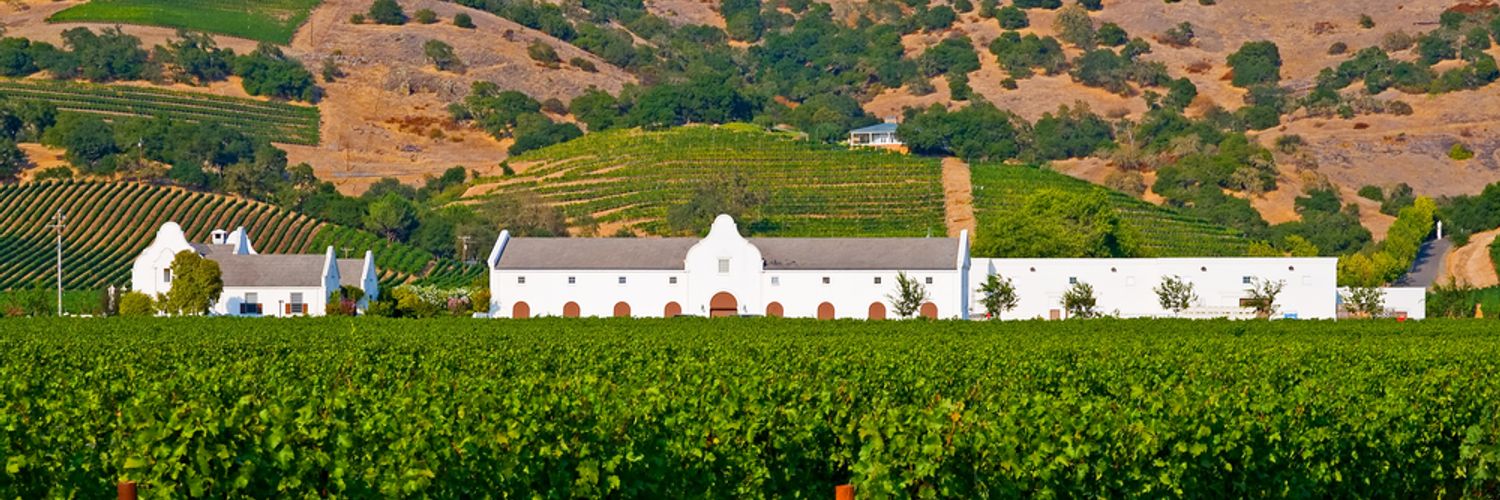

The California Sustainable Winegrowing Alliance is an American organization that works to sustainability certify wineries in California. California is the world's fourth-largest wine region, which also means that wine production has a major impact on the surrounding environment. The California Sustainable Winegrowing Alliance (CSWA) works to get more wineries to become sustainability certified and take advantage of the benefits it brings. Winetourism.com had an interview with the organization's Executive Director Allison Jordan who told more about the organization.
Why should wineries follow the principles behind California Sustainable Winegrowing Alliance?
Sustainable winegrowing means producing high quality grapes and wine while protecting the environment, being a good neighbor and employer and maintaining a thriving long-term business. This comprehensive approach has been broadly embraced by the California wine community first and foremost because being respectful neighbors and employers and being good stewards of the land are important business and personal values of the state’s growers and vintners.
While winegrowers have been using sustainable winegrowing practices for decades, with educational efforts beginning as early as the late 1950s, numerous educational and certification programs in California have emerged over the past two to three decades. Today, more than 80% of California wine is produced in a Certified California Sustainable Winery, and over half of the state's 655,000 vineyard acres are certified under a rigorous and transparent Certified California Sustainable Winegrowing or other sustainability program.
Beyond having a stewardship ethic, growers and vintners follow sustainability principles, and in some cases voluntarily choose to get certified as they are rewarded with multiple benefits. For instance, vineyards and wineries can reduce unnecessary inputs and outputs, reduce costs, and enhance economic viability, minimize risk and liability exposure, be proactive to increasing environmental pressures, respond effectively to social concerns, and join a network of peers who share their values.
By adding standards and third-party verification, certification can be helpful in terms of credibly communicating sustainability efforts to trade and consumers, receiving credit for sustainable practices, driving continuous improvement, increasing brand value, and responding to marketplace interest.
For more information on trade and consumer research, see: Consumer & Trade Research Shows Increased Demand for Sustainably Produced Wine.
What should people know about the sustainable approach in winemaking in California?
Sustainability is truly about being sustainable from grapes to glass – covering practices in the vineyard, in the winery, and in the community. Below are some examples that demonstrate the comprehensiveness of sustainable winegrowing:
- Conserving natural resources – being efficient with water and energy in both the vineyard and winery – and protecting water and air quality.
- Using responsible pest management that relies on nature – where falcons control birds, sheep control weeds and beneficial bugs control pests, and crop protection materials are used only when necessary and in a targeted way that mitigates risks to the environment or to people.
- Nurturing healthy soil, promoting soil conservation, fertility and regeneration to improve vine health, increase water infiltration and enhance wildlife habitat.
- Protecting the health and well-being of vineyard and the winery employees, bolstering vibrant family farms and businesses, and enhancing the community and quality of life.
- Considering the sustainability of services and products that vineyards and wineries bring into their operations – whether grapes, packaging, or cleaning supplies.
- Mitigating climate change by reducing emissions or capturing and storing carbon and adapting to climate change impacts to enhance resiliency.
Certified California Sustainable Winegrowing requirements include an annual independent verification by an auditor that a vineyard and/or winery adopts sustainable practices in the California Code of Sustainable Winegrowing, meets a minimum score threshold, measures and tracks resource use, adheres to restrictions on crop protection materials and shows continuous improvement. For more information about certification, visit: Learn | Certified California Sustainable.
Name 3 things that make California Sustainable Winegrowing Alliance (CSWA) special.
- Broad Winegrower Participation & Wide Adoption of Practices:
In addition to engaging a Sustainable Winegrowing Joint Committee – comprised of over 50 vintners and winegrape growers – to create the California Code of Sustainable Winegrowing, the educational Sustainable Winegrowing Program, and Certified California Sustainable Winegrowing – we had input from regional wine associations throughout the state, academic institutions, government agencies, non-profit organizations, and other issue-area and technical experts. As noted before, more than half of the California winegrape acreage is certified sustainable through our program or other sustainability certifications, and a vast majority of California wine is produced in a certified sustainable winery. CSWA has also hosted over 660 workshops for nearly 17,000 participants. As the fourth largest wine-producing region in the world, California has one of the most comprehensive and widely adopted sustainable winegrowing programs in the world, fostering a culture of continuous improvement and leadership in sustainability. See the 2020 California Wine Community Sustainability Report for examples of practices being adopted by over 2500 California vineyards and wineries that assessed their operations using the California Code of Sustainable Winegrowing.These reports are published every five years, publicly sharing aggregate data that California vintners and winegrape growers submit when self-assessing their operations using the Code. In addition, CSWA publishes annual certification reports, which are also publicly available on our website. These reports demonstrate broad adoption, show transparency to stakeholders and drive on-going improvement.
In 2017, when we updated the program, we underwent an SCS Global Services oversight evaluation to ensure Certified California Sustainable Winegrowing adheres to international sustainability standards. - Peer-to-Peer Spurs Sustainability and Innovation: I’ve been delighted to see that sustainability has become mainstream – it’s simply how California grows quality grapes and makes quality wine in an environmentally and socially responsible way. There’s almost a healthy competition between wineries wanting to be even more innovative and more environmentally friendly than their neighbors and peers. In many ways, this is how wine was already being made and grown in the state, but there is always room for improvement, and some of the magic is learning how to talk about it and to share vintner and grower stories about how they nurture the grapes, the land and their people. Nothing makes me more excited than hearing the passion in the voices of the people who make one of my favorite products as they talk about sustainability, and I learn something new every time! There’s always a sense of, “what’s next?”, “How can we be even better?”
- You Can Learn More & Find Sustainable Wines, Wineries & Vineyards: Interested consumers, trade, and media can learn more about sustainable winegrowing and certification in several ways.
- Visit CSWA’s certification website – californiasustainablewine.com – to learn key information about sustainability certification and find certified wineries, wines, and vineyards.
- Visit California Wines’ discovercaliforniawines.com website to learn more about California’s sustainability programs and practices, and to take a free one-hour online Sustainable Winegrowing Ambassador.
- Look for sustainability-related information on winery websites or labels and ask about their sustainable winegrowing practices during winery tours.
What does the future hold for CSWA?
The principles of continuous improvement and innovation also hold true for the California Sustainable Winegrowing Alliance, and we are always looking for ways to serve the state’s vintners and growers, to help them make on-the-ground improvements, to find partners that can help us with new practices, incentive programs or research, to break down barriers for those vineyards and wineries that may not yet be involved in an educational program or certification.
We’ve done quite a bit of work in the area of climate change in the past – e.g.:
- Many sustainable practices are also climate smart practices – for instance, those that are in the Energy and Water, Soil Management, and Air Quality chapters of the California Code of Sustainable Winegrowing.
- Certified vineyards and wineries also must be measuring energy and water use, applied nitrogen and greenhouse gas (GHG) emissions. Other California programs like LODI RULES, SIP Certified® and Napa Green also address these issues.
- We’ve worked with other wine regions around the world to develop an International Wine GHG Protocol back in 2007 and updated it five years later. We also commissioned a carbon footprint study of California Wine nearly a decade ago.
Yet, we know more needs to be done, and we are currently working on a strategy to help the industry both mitigate and adapt to climate change.
Finally, we’ve spent the first decade or more of the program communicating to growers and vintners, regional winegrowing associations, and partners, ensuring that we were “walking the walk” before “talking the talk.” More recently, we’ve developed some of the tools that I mentioned before – the Ambassadors Course, the californiasustainablewine.com website, and more – to enhance our communications to trade and consumers. Yet again, there’s always more we can do, and we’re now working with Wine Institute’s International Marketing and Communications teams to elevate the way that we talk about sustainability with key audiences, so they can truly understand the many ways that vineyards and wineries are using sustainable practices to build vibrant businesses, strong communities, and a healthy environment.
California Sustainable Winegrowing Alliance
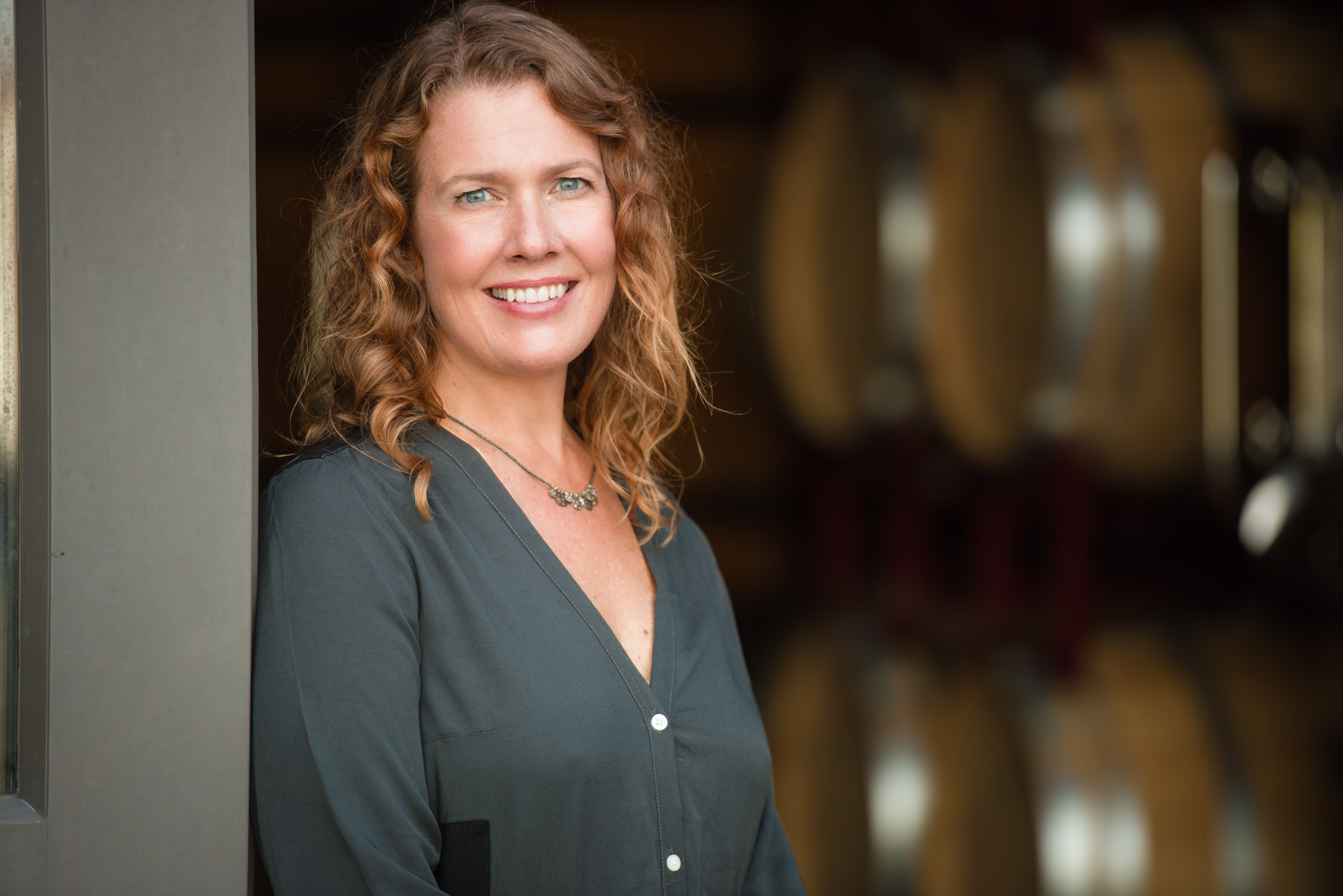
Executive Director Allison Jordan


