
Interview with Marinela Ardelean from Wines of Romania
Listen to the interview
Hello there! This is Ana Bonatto from WineTourism.com and today we are going to talk with Marinela Ardelean, from Wines of Romania. Our readership would like to know more about Romania as a wine country. Could you tell us a few words about the distinctive features of wine country Romania?
Romania has a great diversity of geographical relief, from fields to hills, mountains and highlands. Most of the country is suitable for grapevines from the western border to the eastern seashore and from the extreme south to the northernmost areas. Officially, there are 8 winemaking regions defined according to both geographically and historical specifics: the Transylvania Highlands, the Moldova Hills, the Hills of Oltenia & Muntenia, the Banat Hills, Crisana and Maramures, the Dobrogea Hills, the Danube Terraces, the Southern Sands and other favourable terrains in the south of Romania. This variety allows the production of high-quality white, rose and red wines covering all styles from fresh, high-acidity wines to rounded, full-bodied wines and in some areas, even botrytized wines. In winemaking, the industry released both local and international grape varieties, with local varieties gaining increased traction during the past 15 years.

The most widely planted, or the most well-known local varieties, are Fetească Regală Fetească Albă, Busuioaca de Bohotin, Feteasca Neagra and Crâmpoșie Selecționată. There are over 400 wineries currently operating in Romania and the number is growing significantly every year with both new plantations and revived old vineyards. Since 2005, the number of privately owned vineyards and wineries doubled every 5 years, representing more or less 20% annual growth.
A new generation of oenolog, agriculture and horticulture specialists & technicians is quickly replacing the volume-oriented generation of the communist era while wineries are increasingly interested in making high-quality wines.
- How did Wines of Romania appear and what's the mission of the organization?
Wines of Romania is the conjugated effort of several professionals with a long-standing position and authority on the Romanian wine market. From wine critics to professional tasters, international experts and journalists – its goal is to offer easy access to wine-related information like news, articles, analysis, promptly updated producers’ databases, recommendations, and other tools needed by both the general audience and the wine producers.

Far from being a PR platform, Wines of Romania aims at aggregating and consolidating a Romanian wine lovers community locally and internationally. We believe the history and tradition of Romanian wine is a treasure the world needs to discover, and we made it our goal to contribute in any way we can in taking the Romanian wine to its well-deserved place.
- Who is coming more to Romanian wineries? Romanians or foreigners?
Foreign tourists are still a rarity. However, several European travel agencies have achieved some degree of success in sending tourists to visit Romanian wineries, particularly among Northern Europe customers.
An increasing amount of foreign tourists has been observed in the audience of wine fairs frequently organized in all major cities. Things are bound to change during the coming years, with accelerated development of highways and express roads doubled by winery investments in accommodation facilities as a natural step following replanting and technology investments as well as a fast development of rural tourism.
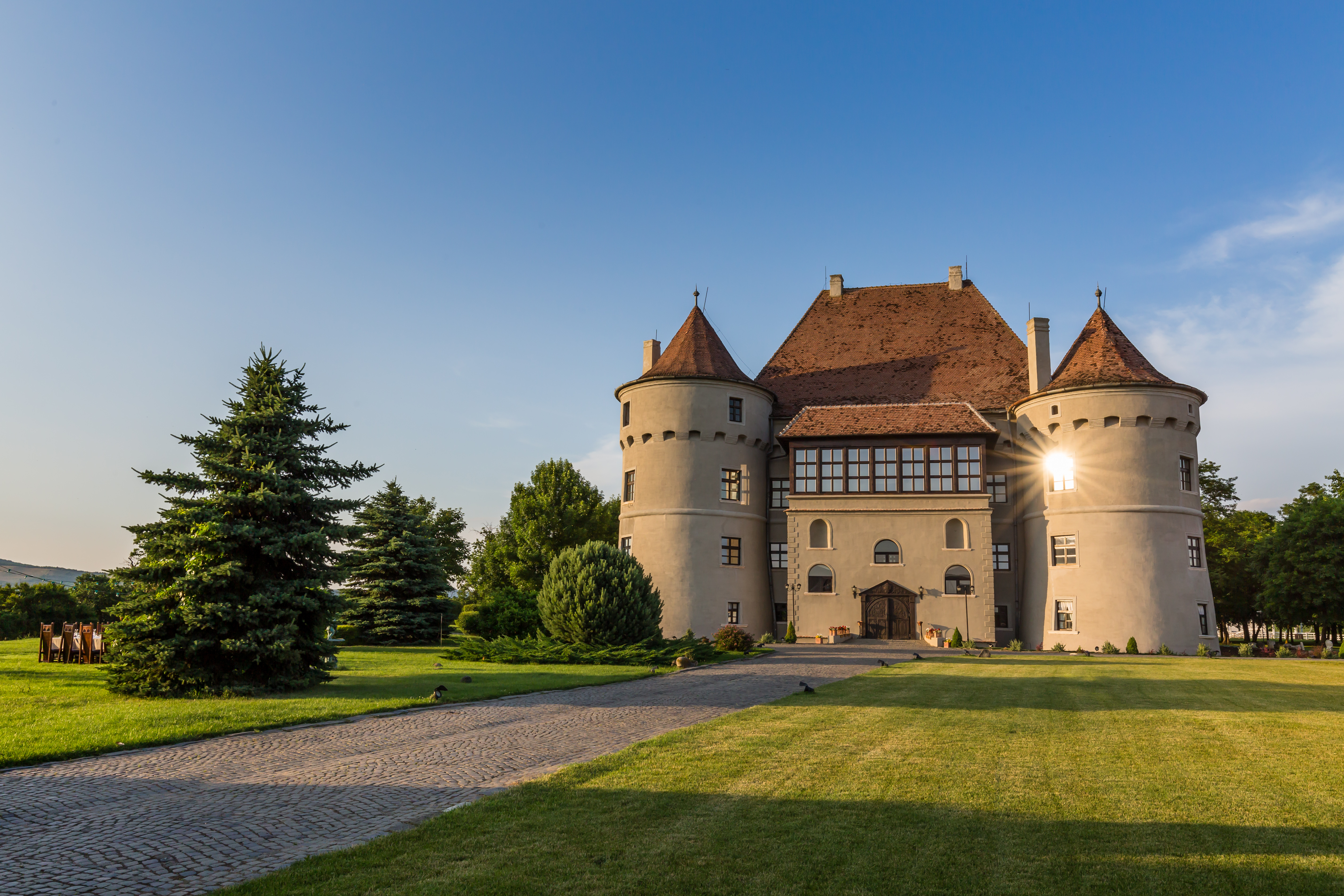
Castelul Bethlen-Haller / Jidvei Winery in Alba County, Transilvania provided by Wines of Romania.
- How is Romania wine tourism doing nowadays and what are the future perspectives of the industry?
Wine tourism is a young industry, and even this is an understatement, with most modern wineries opening between 1996 and 2010, producers have been heavily investing in vineyards and technology, first, and even if many of them offer a guide tour and tastings, finding proper accommodation and inspiring local gastronomic venues may still prove tricky.
Vineyards found in the proximity of large cities, like Bucharest, Iasi, Timișoara, Constanta are therefore a lot more accessible and offer a wide variety of hotels, motels and even privately rented apartments available via international platforms. The gastronomic experience in larger cities is obviously a lot more offering in terms of quality and variety. The future is bright regardless of the speed of the development rate. It all comes down to the way the Romanian wine will gain international recognition. The overcrowded market marks, it is difficult for new, somewhat exotic labels to gain authority. It is a slow process, but it is growing one step at a time. The satisfaction of foreign tourists and then increasing interest from major distribution companies are signs that we may soon witness assert in popularity.
- Does Wines of Romania participate in the development of the Romanian wine tourism industry?
We plan to offer various packages for both wine fairs and visits to the wineries as soon as we consolidate our international audience. Several of our partners already offer accommodation and gastronomic experiences, so we are at least available to consult anyone who wishes to explore the Romanian wine world. Still, our main focus remains in the promotion of Romanian wine, inviting all wine lovers to discover a New Old-wine universe.
- Our final question, what are the top 3 Romanian wine regions which Marinela Ardelean personally recommends visiting?
In terms of both ease of access and varieties, the Dealu Mare region is close to Bucharest and hosts dozens of high-quality wine producers. With a functional highway to Constanta and recently modernized roads towards the Danube Delta, the eastern region of Dobrogea, offers full package: local gastronomy, entertainment venues on the seashore and unforgettable experience in Europe’s best preserved Delta with amazing biodiversity and, of course, several quality wine producers, some even experienced in large audience events. Finally, it may prove a bit difficult to access, Transylvania is an absolutely spectacular region with untouched medieval treasures from churches and cathedrals, to castles and resorts. The local wineries specialise in cooler climate and higher altitude white lively wines but there is so much more to the local wine than first meets the eye.
Wineries To Discover In Romania

Lacerta
Lacerta Winery is a modern winery with the biggest barrique cellar in Romania. The winery complex includes the Dorobantu Manor House, built by the famous architect, Ion Mincu, in 1901 and renovated in 2005.
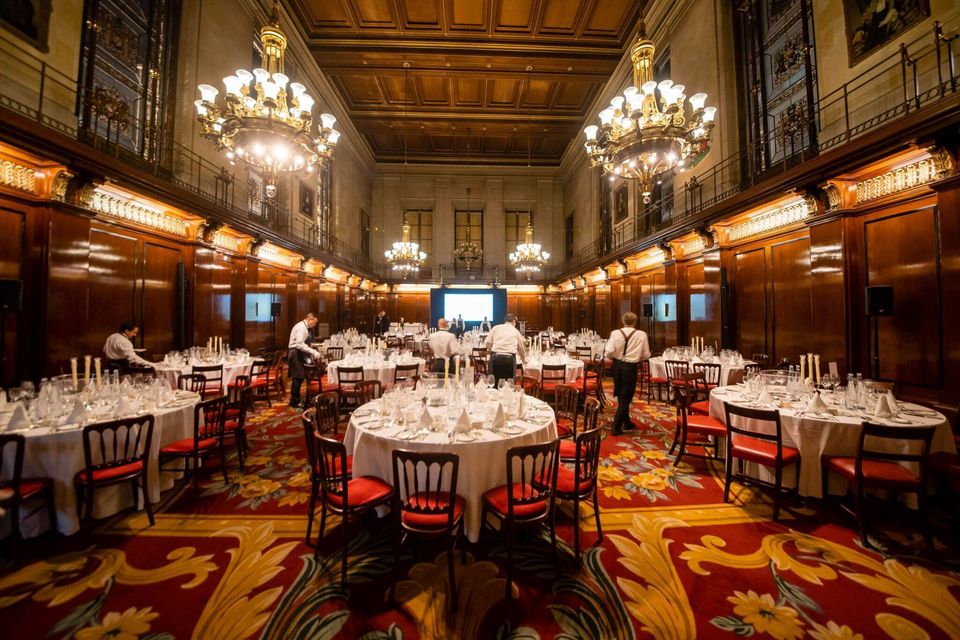
Carastelec Winery
Carastelec is the first winery in Romania that mainly focuses on sparkling wines production. It is located in the Crisana region - one of the oldest vinegrowing areas in Transylvania in close proximity to the Magura Simleului Mountain.
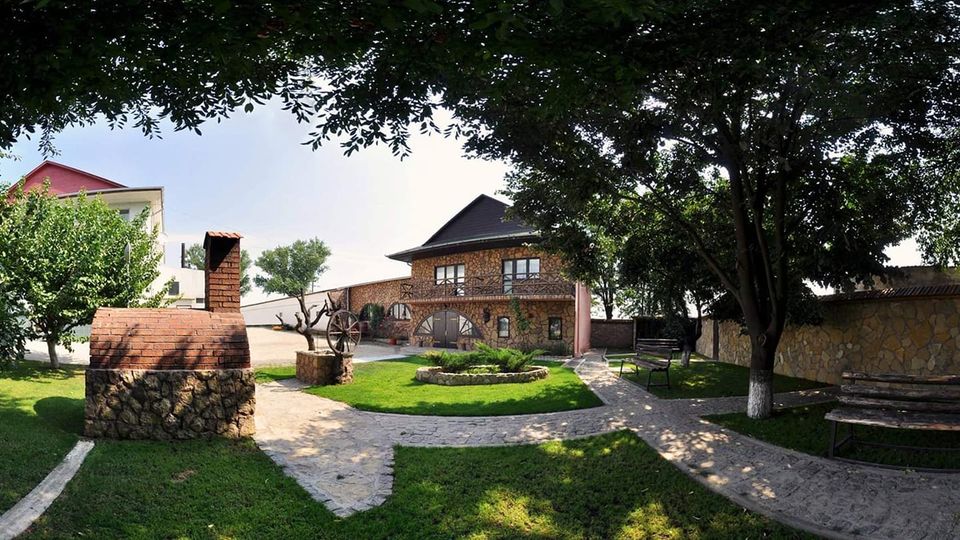
Măcin Winery
Based in Dobrogea, the Măcin winery is the official wine supplier of the Royal House of Romania.
Basilescu
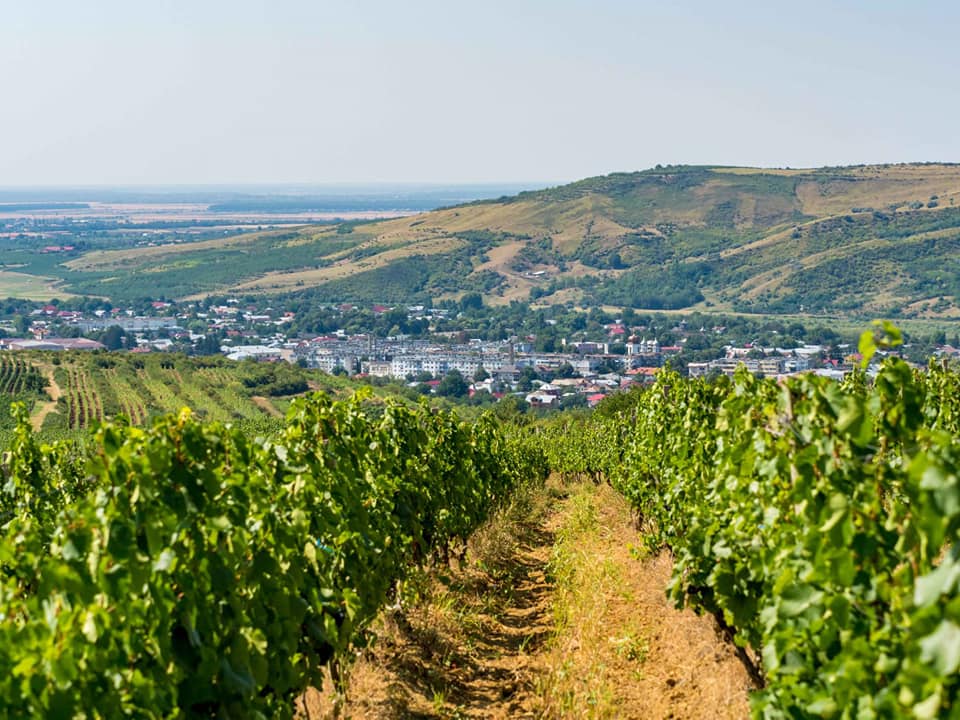
Crama Basilescu winery offers personality to its wines through the unique characteristics offered by the terroirs of Dealu Mare and Pietroasa.
Domeniile Franco-Romane
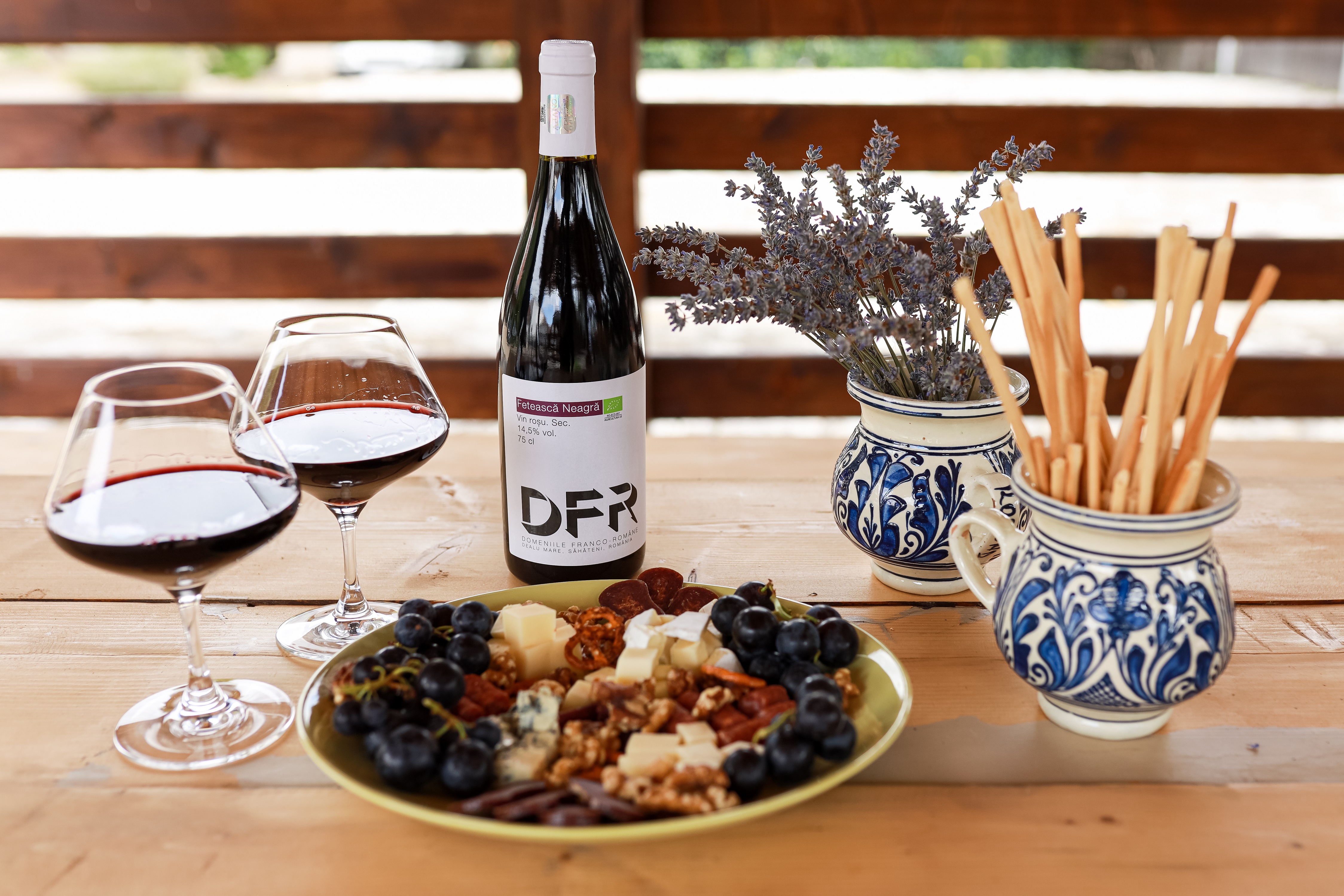
The story begins in 2000 in the Dealu Mare wine area with a visionary, Denis Thomas, owner and winemaker from Burgundy - France, who laid the foundations of the first BIO vineyard in Romania.


