
A traveler's guide to the world's oldest demarcated wine region — its terroir, its grapes, and the six quintas worth the drive.
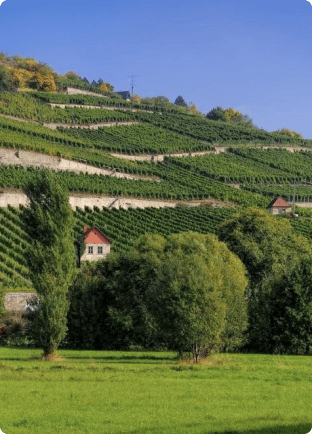
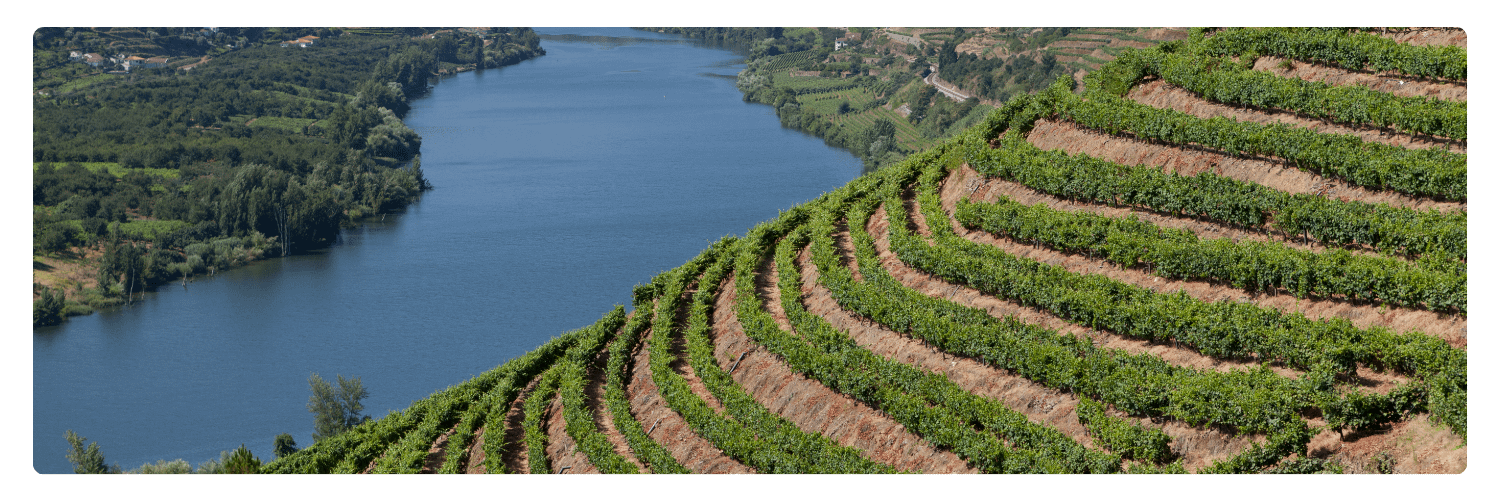
There is a moment on the drive east from Porto — somewhere around the 90-kilometer mark, past Amarante — when the road curves and the whole thing opens up in front of you. The Douro River, blue-grey and deep, cutting east through the mountains. Terraced vineyards, some laid down four hundred years ago, climbing almost vertically from the water to the sky. Whitewashed quintas scattered across the slopes like grains of rice. The occasional flat-bottomed rabelo boat drifting past on the current. This is the Douro Valley, and no photograph has ever done it justice.
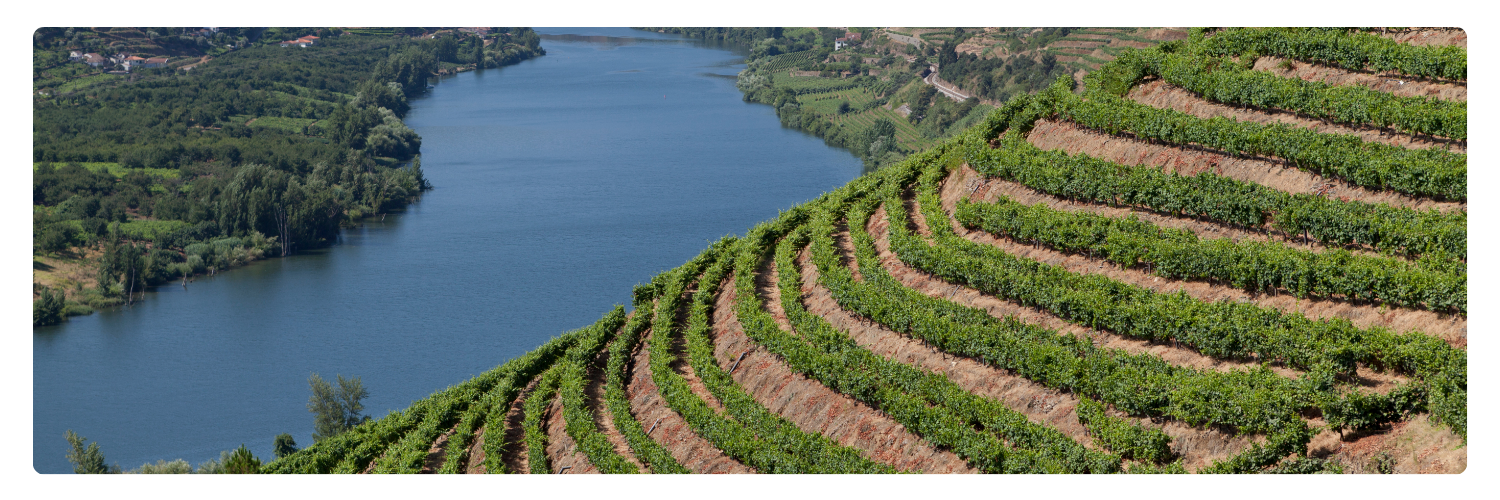
The Douro Valley is the world's oldest demarcated wine region — Marquis of Pombal drew its borders in 1756 — and one of the most dramatic wine landscapes on earth. UNESCO recognized the Alto Douro Wine Region as a World Heritage site in 2001, citing over two thousand years of continuous winemaking and terraces built by hand from schist stone. Modern travelers come for Port, of course. But increasingly they come for the region's superb still wines, the family quintas that welcome overnight guests, and a sense of place so intact it feels almost prehistoric.
This is a traveler's guide to the Douro Valley: the terroir, the grapes, the sub-regions, and the estates worth booking.
At a glance: Douro Valley
The Douro Valley is a UNESCO-listed wine region in northern Portugal, running east from about 90 kilometers inland from Porto to the Spanish border. It is the world's oldest demarcated wine appellation (1756) and famous for two categories of wine: Port (fortified) and Douro DOC (unfortified still reds and whites). Signature grapes include Touriga Nacional, Touriga Franca, Tinta Roriz (the Portuguese name for Tempranillo), Tinta Barroca, and Tinto Cão. The valley divides into three sub-regions: Baixo Corgo in the west, Cima Corgo in the heart (around Pinhão), and Douro Superior to the Spanish border. Best visited in late spring or during the September harvest (vindima).
Why the Douro Valley matters
Two thousand years of winemaking. A landscape shaped almost entirely by human hands, one schist wall at a time. The first legally demarcated wine region in the world, decades before Chianti, Bordeaux, or Champagne formalized their own borders. The birthplace of Port, one of the great fortified wines. And in the last thirty years, the site of a quiet revolution in unfortified still wine that has put Douro DOC reds on the world's finest wine lists.
The Douro Valley does something no other region does. The schist soils, the extreme continental climate (blazing summers, cold winters), the century-old vines, and the indigenous grape mix combine to produce reds that taste of dark fruit, mountain herbs, and warm stone — and ports that carry more history in a single glass than most regions manage across a century.
The three sub-regions of the Douro Valley
The Douro Valley runs about 100 kilometers east from Barqueiros to the Spanish border, and its character changes dramatically along the way.
Baixo Corgo ("Lower Corgo") is the western sub-region, wetter and cooler, home to the largest number of estates. Its 14,000 hectares produce more table wine than Port. The town of Peso da Régua is the commercial center and home to the excellent Museu do Douro.
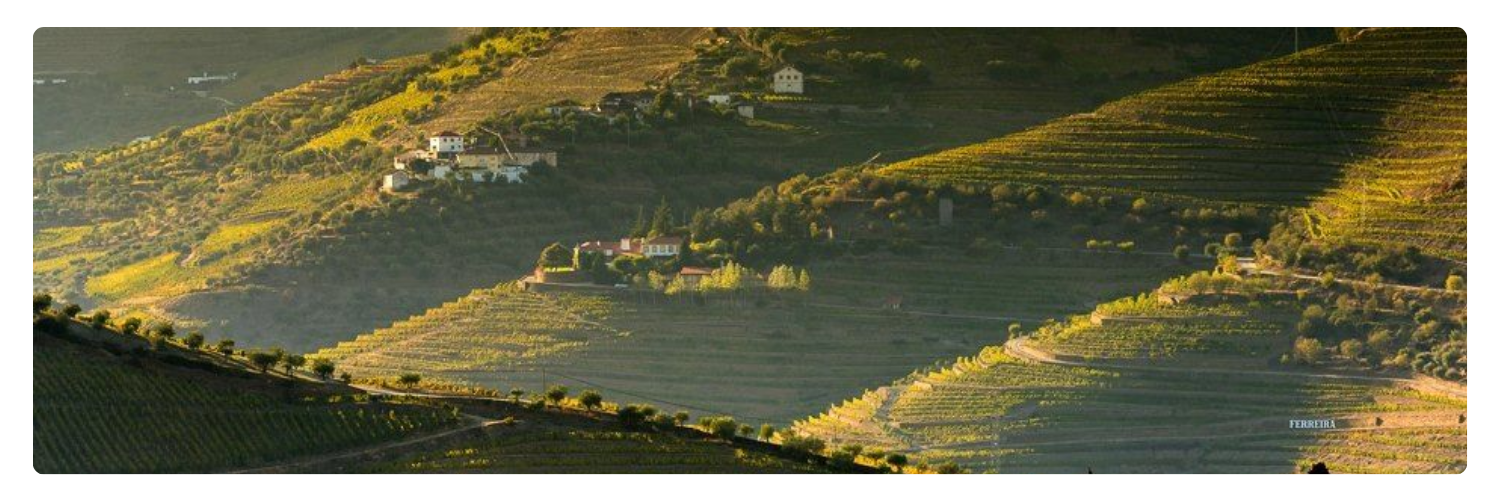
Cima Corgo ("Upper Corgo") is the heart of the region, centered on the village of Pinhão. The classic Douro landscape — tiled train stations, terraced vineyards falling to the river, the finest Port quintas — is here. Cima Corgo is where most Port grapes are grown and where most wine tourism happens.
Douro Superior is the easternmost sub-region, stretching to the Spanish border. The hottest, driest, and youngest of the three, with vineyards producing increasingly celebrated table wines from grapes that thrive in extreme sun.
Grape varieties: Touriga Nacional, Tinta Roriz, and the rest
The Douro Valley is a red wine region built on a small circle of indigenous grapes, blended rather than made as varietals. Five reds do most of the work:
Touriga Nacional is the star — floral, structured, powerful, capable of aging for decades. Portugal's finest red variety. Touriga Franca is more approachable, softer, and now the most-planted grape in the Douro. Tinta Roriz is the local name for Tempranillo (yes — the same grape as Rioja's) and brings freshness and dark fruit. Tinta Barroca contributes body and dark color. Tinto Cão is a low-yielding classical variety used sparingly for structure.
For whites, the Douro produces some of Portugal's most exciting bottles from Rabigato, Viosinho, Gouveio, and Códega do Larinho — high-altitude vineyards give tension and length that outclass most Portuguese whites from anywhere else.
Port and Douro DOC: the two categories
Everything you drink from the Douro Valley falls into one of two families. Port is fortified — grape spirit added during fermentation to preserve natural sweetness and boost alcohol to around 20 percent. Ruby, Tawny, LBV (Late Bottled Vintage), Colheita, and Vintage are the main styles, aging anywhere from a couple of years to a century. Port is aged mostly in Vila Nova de Gaia across the river from Porto.
Douro DOC is unfortified — normal table wine, made from the same grapes as Port. Reds dominate, but whites are gaining ground rapidly. The category was reinvigorated by producers in the 1990s who saw that grapes grown for great Port could also make great table wine. Today the best Douro DOC reds compete on the world stage with Napa, Bordeaux, and Tuscany.
Six Douro Valley experiences on WineTourism.com
Quinta Do Portal (Sabrosa, Cima Corgo). A family-owned boutique winery producing DOC Douro wines, premium Port, and rare Moscatel. Cellar tours in multiple languages; gourmet restaurant; swimming pool; self-service bar with all estate wines. Best for a quiet, romantic multi-day stay in the valley.
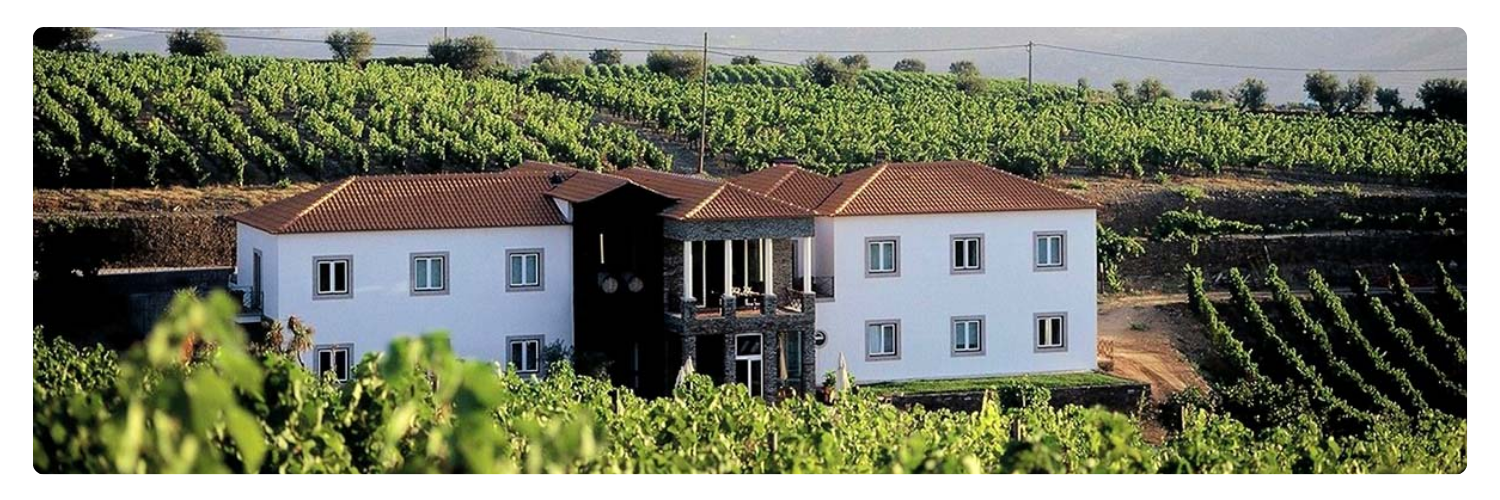
Quinta Do Vallado (near Peso da Régua, Baixo Corgo). One of the oldest quintas in the Douro Valley, housed in a historical 1700s manor with a modern annex and a granite-lined pool set among orange trees. Complimentary winery tours led by named guides like Jennifer and Marcos; excellent restaurant with fixed-menu dinners paired with premium estate wines. Best for the five-star Douro experience.
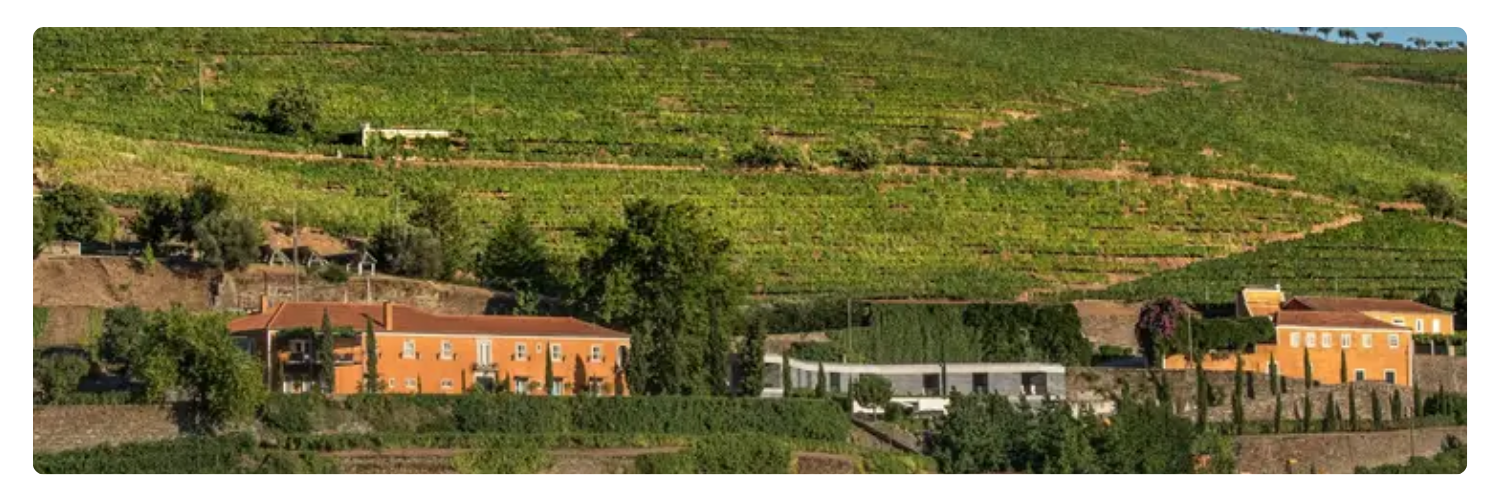
Quinta de S.Tiago (Baixo Corgo). A working family estate run by two brothers, Rafael and his sibling, under the Mãos e Irmãos ("Hands and Brothers") label. Guided vineyard walk, small cellar tour, three-wine tasting including old-vine reds, plus bread, meat, cheese, and estate olive oil. Family-friendly and unpretentious. Best for the "sharing wine with friends" atmosphere.
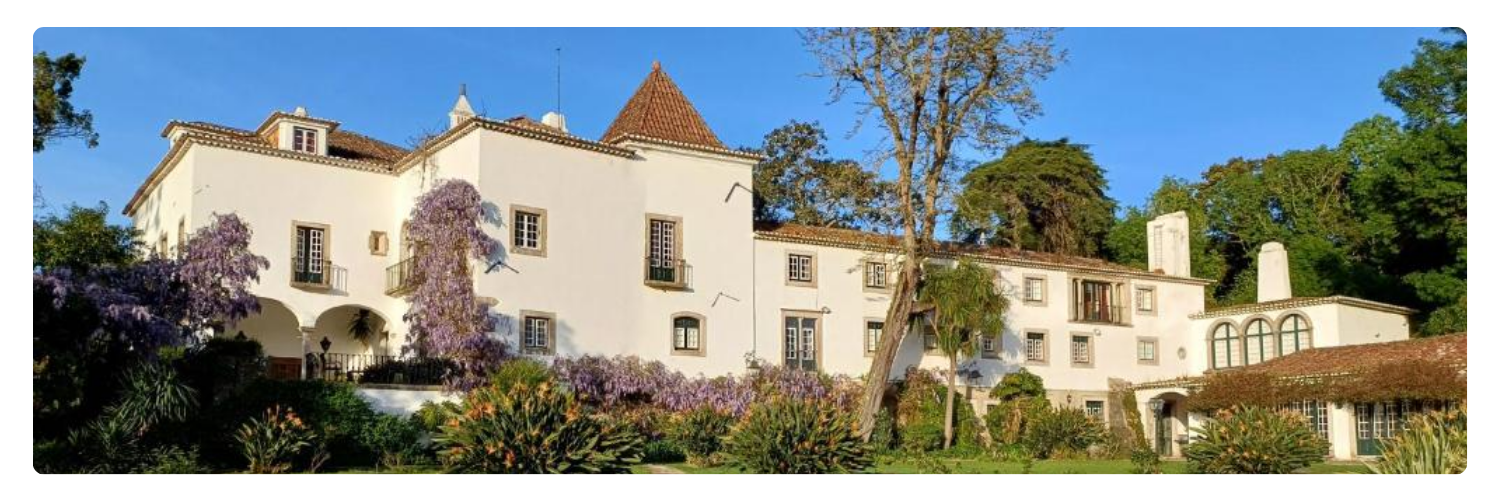
Quinta do Monte Travesso. A family estate first mentioned in the Viscount of Vilarinho de São Romão's 1896 book, still in the same family generations later. Sixteen hectares of schist terraces planted to the classic Douro red mix (Touriga Nacional, Touriga Franca, Tinta Roriz, Tinto Cão, Tinta Amarela, Tinta Barroca, Sousão), plus exceptional estate olive oil. Ask for guide Daniël when you book — visitors praise his dry humor and depth of knowledge.
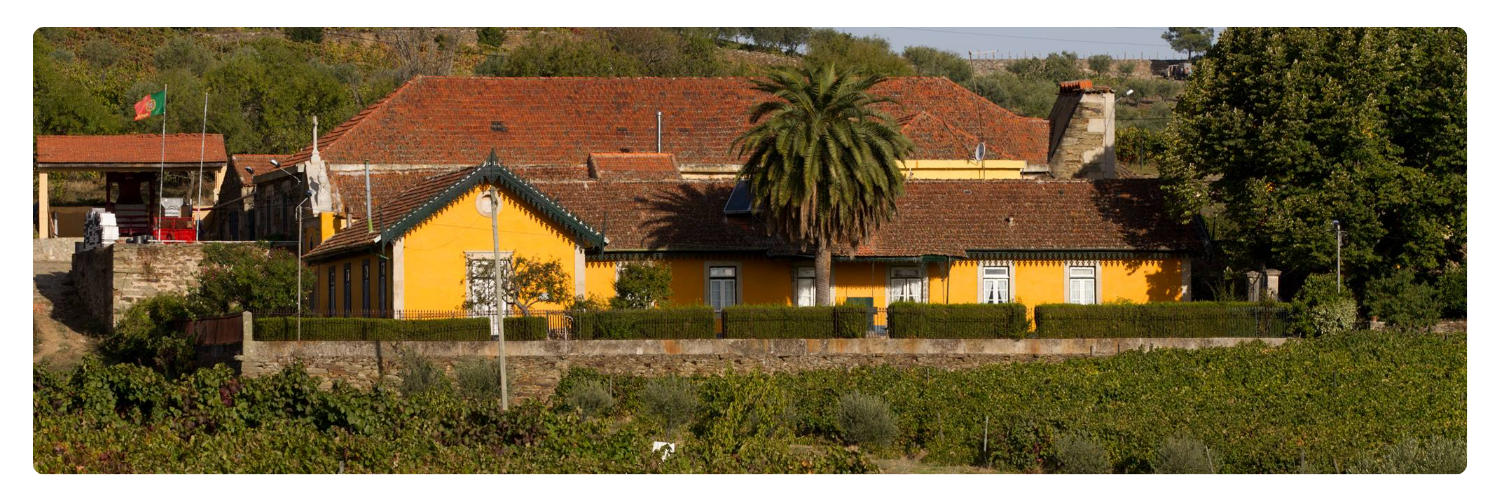
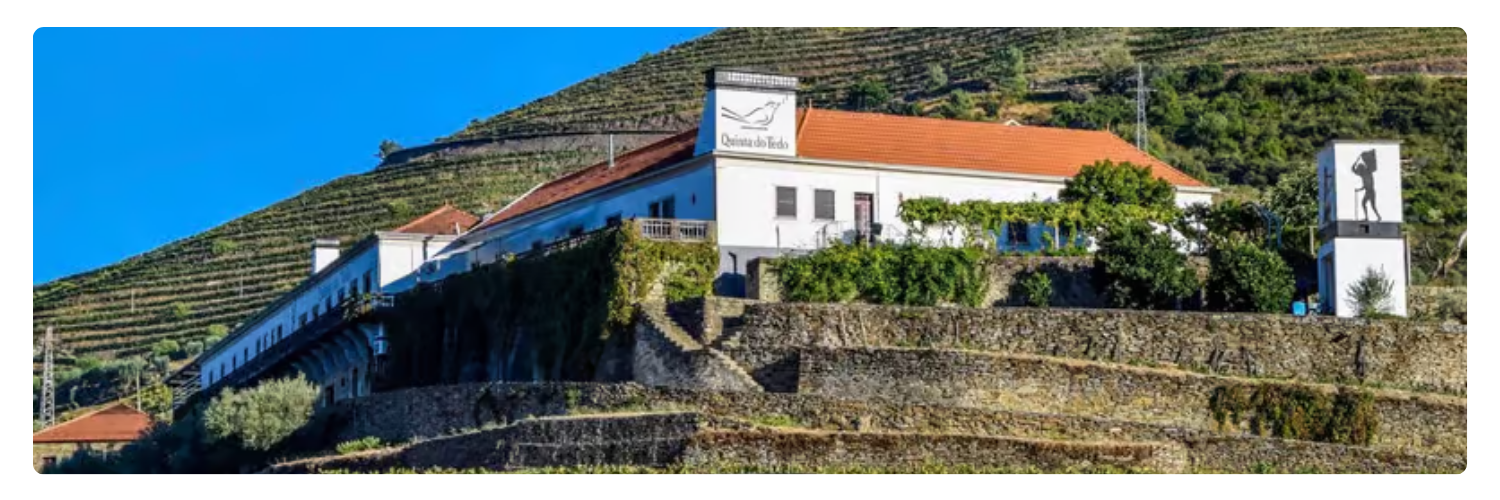
Quinta do Tedo (Cima Corgo). An 18th-century estate at the confluence of the Douro and Tedo rivers, owned by a Burgundian and a Californian who quietly built one of the region's benchmark organic properties. Certified organic since 2011, with a rare "A" classification held by less than 2% of Douro vineyards. B&B, terrace restaurant, and walking trails through vineyards and olive groves.
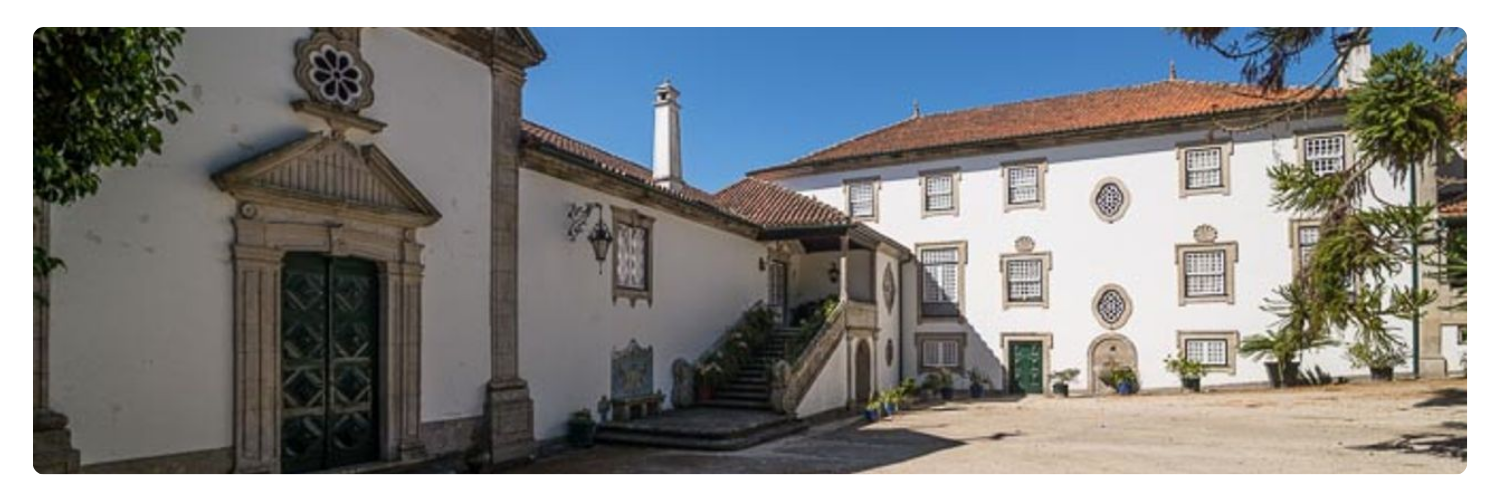
Quinta de Santa Júlia (Baixo Corgo). A serene estate offering one of the most authentic gastronomic experiences in the valley. Tasting led by the manager; lunch prepared by the chef on a wood-burning cooker, with rustic bread, estate wines, and dessert served with a small glass of Port. Afterward, walk the vineyards at your own pace.
When to visit and what festivals to catch
Late spring (May and early June) and September through mid-October are the best windows. Spring gives you full green vineyards, comfortable temperatures, and easier availability at small estates. September and early October coincide with Vindima, the traditional harvest — many quintas welcome visitors to see the picking and the traditional foot-treading in the lagares. It's the most memorable time to visit.
Other festivals worth timing for: São João do Porto (June 23–24), Portugal's raucous midsummer festival with fireworks over the Douro; the Régua Wine Festival in September; and the smaller village festas across summer.
Avoid August if you can — the Douro Superior can hit 40°C and many family estates close for holidays. Winter is cold but quiet and atmospheric.
Food pairings and local dishes
The Douro's food is northern Portuguese — hearty, slow-cooked, deeply satisfying. Try bacalhau à Brás (salt cod with eggs and potatoes) with a Douro DOC white. Cabrito assado (roast baby goat) is the region's celebration dish and marries beautifully with a serious Touriga Nacional. Posta à Mirandesa (a thick prime beef steak from the northeast) demands a mature Douro red. And after everything, a small glass of aged Tawny Port with pastel de nata or aged São Jorge cheese — one of the great final flourishes of any European dinner.
Frequently Asked Questions
Where is the Douro Valley?
How do you get to the Douro Valley from Porto?
What is the difference between Port and Douro wine?
What is Touriga Nacional?
How many days should I spend in the Douro Valley?
When is the harvest in the Douro Valley?
The valley you'll want to return to
The Douro Valley rewards attention. It is not the easiest wine region to reach, and its wines are not the ones you learned first. But once you've stood at the São Leonardo de Galafura viewpoint at dusk, or eaten lunch above the river at a quinta whose vines are older than any wine label in the tasting room, or watched a rabelo boat drift past while a winemaker tells you exactly why 2011 was a great vintage — you will find yourself already planning the second trip. Book one of the estates above for this autumn's vindima, arrive with an appetite and no fixed schedule, and let the terraces do the rest.