
Sardinian Food: An Island of Unique Cuisine
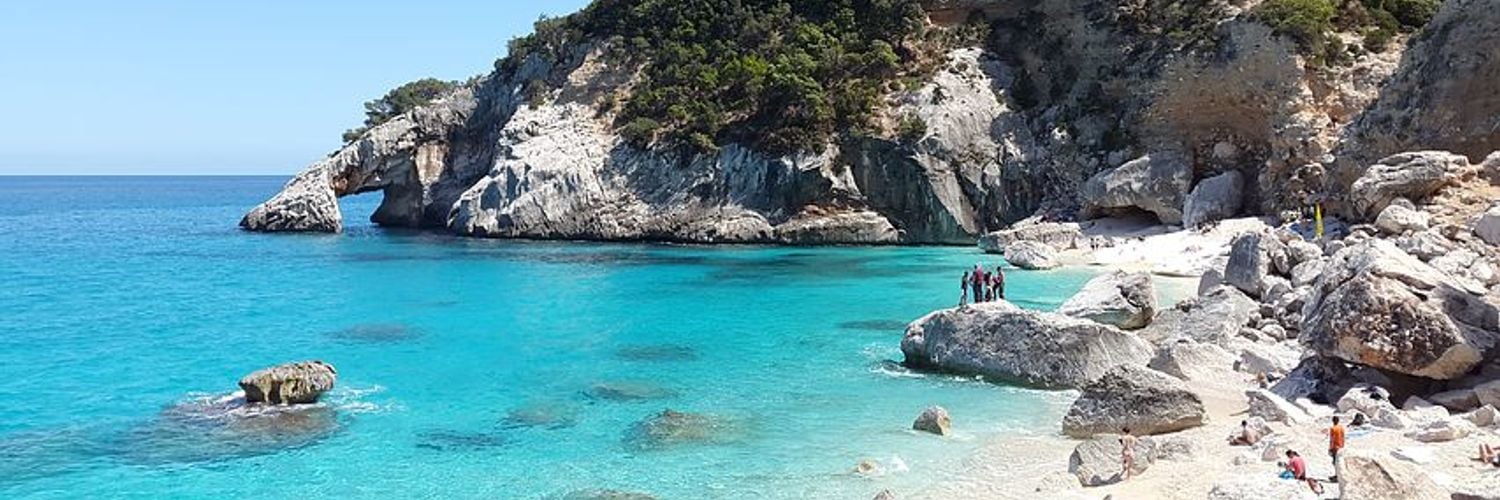
As the second largest island in the Southern European sea after Sicily, Sardinia has witnessed the coming and passing of history, civilizations and countless generations of inhabitants, blossoming into the beautiful destination that is today. Breathtaking locations such as San Teodoro and Badesi became famous throughout the years and still, today remain coveted by tourists from all over the world!
This land resembles no other place. Sardinia is something else. Enchanting spaces and distances to travel, nothing finished, nothing definitive. It is like freedom itself.
David Herbert Lawrence
Sardinia, a rugged land of mountains and hills, boasts a rich tradition of food and wine. Sardinian cuisine is celebrated worldwide for its delicious flavours and perfect wine pairings. This magical land is also known for its secrets, as one of the "Blue Zones" where people live exceptionally long and healthy lives.
Today we will take a short but meaningful trip around Sardinia, exploring some of the best “must-try” dishes and the essential food and ingredients which constitute Sardinian cuisine.
Bottarga - Sea Jewel of Sardinian Cuisine
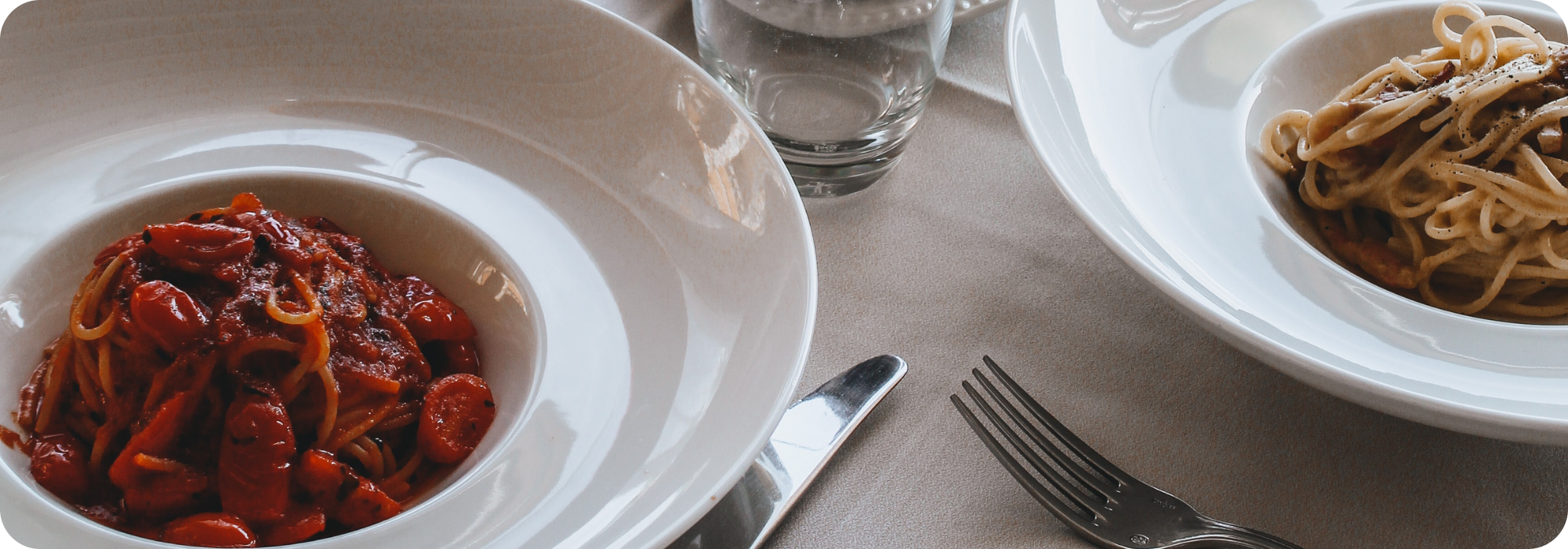
Bottarga, also known as the "caviar of the Mediterranean," is a delicacy made by salting and curing fish roe pouches. This savoury and salty food, with its rich golden orange colour, is a typical Sardinian speciality that is also produced in Italy and a few Asian countries. Sardinians commonly use bottarga to prepare small appetizers, paired with bread and Italian olive oil, or as a key ingredient in delicious pasta dishes, such as "pasta alla bottarga." When visiting Sardinia's iconic beaches, a rich plate of this essential food enjoyed in a typical "azienda agricola" might just be the perfect meal.
Bottarga - Our wine pairings:
Bottarga is commonly featured in oily and salty dishes, such as the well-known “spaghetti alla bottarga”. For this very reason, it requires a wine with good levels of acidity and freshness, to balance out the oily components and restore flavours to the mouth. Vermentino di Sardegna is ideal, its dry and slightly bitter aftertaste will marry well with the strong flavours of bottarga and the essential ingredients of this typical Sardinian food. Vermentino is a DOC wine produced in the Sardinian provinces of Cagliari, Nuoro, Oristano and Sassari. Another lovely pairing could be a good Prosecco di Valdobbiadene, which represents a great alternative on the sparkling wine side and will surely freshen up your palate sip after sip.
Culurgiones - Sardinian Food at Heart

This stuffed Sardinian pasta, somewhat reminiscent of ravioli, exists in plenty of local and regional versions, being an integral part of traditional Sardinian cuisine. 2015 was a great year for this Sardinian dish since it officially received recognition as an IGP food, a denomination aimed to protect locally identifiable servings and preparations. Culurgiones may be often produced with potatoes, Sardinian sheep cheese, commonly known as “Pecorino Sardo”, and hints of mint or other aromatic ingredients, including lemon and orange peels. Ogliastra has been identified as the mother province of this rich dish but don’t be afraid to experience different regional variants when visiting other Sardinian cities.
Culurgiones - Our Wine Pairings
Culurgiones is a powerful dish, its filling can vary in intensity between a softer vegetable mix to a more imposing meat blend, empowered even more by the aromas and flavours of this traditional Sardinian pasta. Barbera d'Alba Superiore represents a lovely pairing, bringing great fullness and all the personality of a Barbera wine. Its purple and red colour is a prediction of its great structure and considerable acidity, which will provide enough freshness to the meal, without overpowering the flavour of this Sardinian dish.
Islands of Unique Cheese
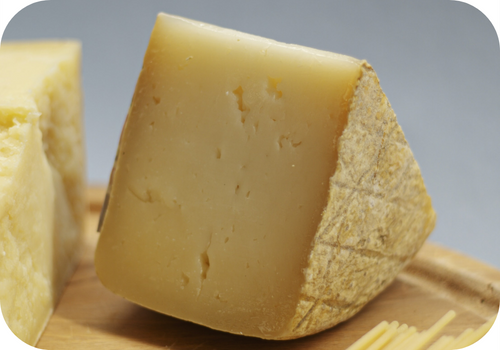
Cheese has been produced and prepared in Sardinia since ancient times, being an integral and essential food within the Sardinian shepherd’s diet. As a land of extremes, Sardinia gave birth to some very interesting cheese varieties. One of these, Casu Martzu, sometimes known as Casu Marzu is certainly not for everyone’s palate. This traditional Sardinian sheep milk cheese goes through a special process of fermentation and subsequent decomposition, obtained through the digestive effects of a specific fly larva. The result is an extremely savoury and soft cheese which should be eaten when the larvae are still alive. Not your average supermarket-shelf dairy product!
Sardinian Suckling Pig - King of Sardinian Essential Foods
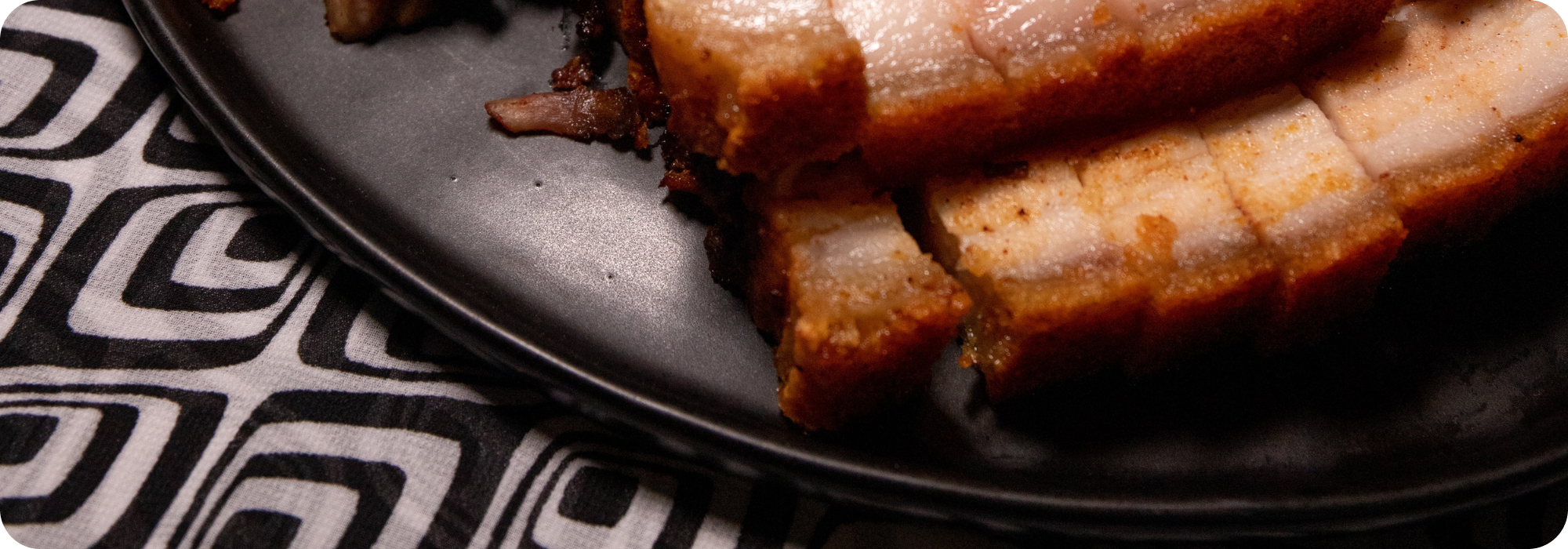
Not many traditional Sardinian recipes are as iconic as the Sardinian suckling pig, also known as “Porceddu” or “Porcheddhu”. The preparation for this very special dish is long and must be executed properly and expertly, to obtain a high-quality product. Each “azienda agricola” or restaurant may also employ slightly different spices and roasting methods, ensuring a final result that can widely vary from region to province. Generally speaking, the suckling pig chosen should be young and weigh less than 6 or 7 kgs, as the meat should remain tender and very soft throughout the whole preparation. A large skewer is utilised to allow proper and complete roasting and salt should be added to the suckling pig only mid-way through the preparation so that the outer layer of skin can finalise into a crunchy consistency. Another less common but equally traditional cooking method for the suckling pig is the so-called “a carraxiu” method, which takes place underground in a special hole prepared especially for the occasion.
Sardinia is out of time and history.
David Herbert Lawrence
Sardinian Suckling Pig - Our Wine Pairings
A strong and flavourful Sardinian dish, such as Porceddu, requires an equally strong wine to accompany the meal. It’s important to make sure that the several different aromas originating from this special and traditional type of roasting aren’t lost in a wine glass empty of personality. Cannonau di Sardegna is obtained from the beautiful Grenache red grapes typically cultivated in Spain, France and Italy, but more recently Australia and California as well. Hailing from another very close island, Etna Rosso is a powerful and rich red, which could perfect the meal with a proper combination of meat and refined tannins. Sicily and Sardinia are, after all, sisters of the Mediterranean sea.
Ricci di Mare - A Spiky Must-try of Sardinian Cuisine
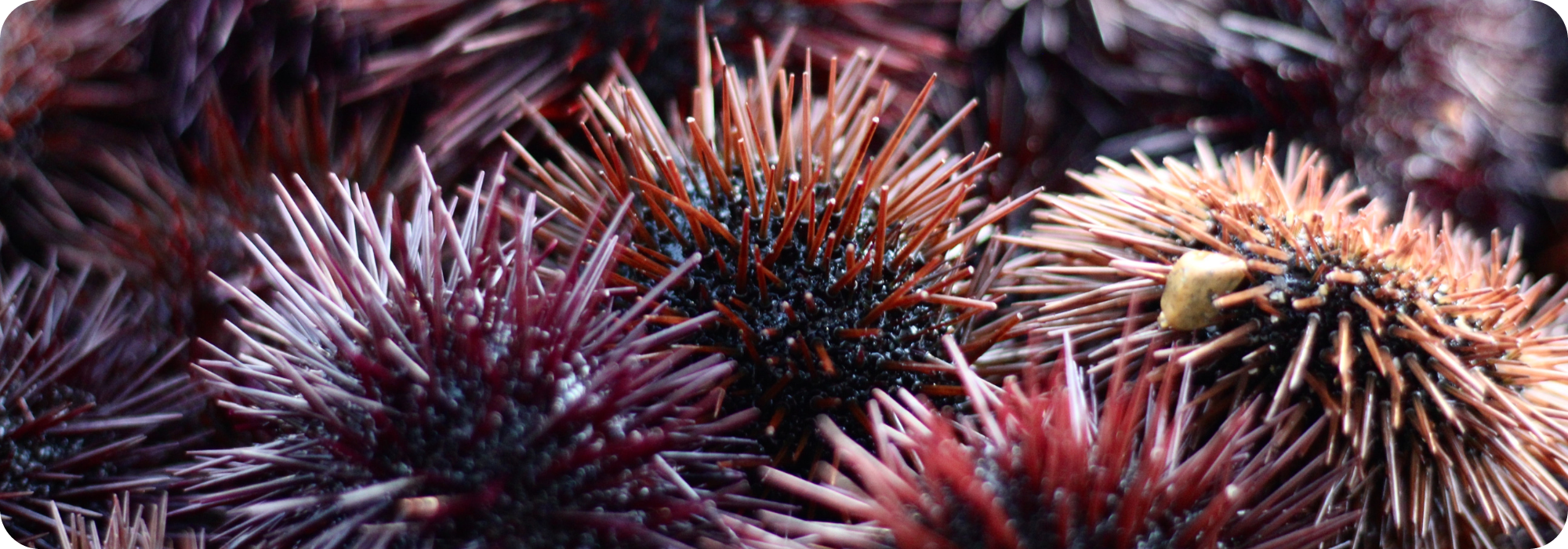
"Ricci di mare", or sea urchins, are a true jewel of the Sardinian sea, being an essential food of the island and a delicacy for locals and visitors alike. They’re held in high regard within Sardinian cuisine and are definitely a must-try for all tourists coming to appreciate all Sardinia has to offer. If you visit Sardinia, make sure you’re offered legally fished sea urchins and help protect this beautiful Mediterranean island and its nature.
The most common way to eat this delicacy is in a rich dish of spaghetti, where they can express their whole range of flavours and not be overpowered by other ingredients or cooking methods. Without ricci di mare, a holiday in Sardinia would just not be the same.
Sardinian Ricci di Mare - Our Wine Pairings
The briny and delicate taste of “ricci di mare” cannot easily accommodate all kinds of wine. White wines tend to accompany seafood the best, thanks to their subtle notes and lighter profile. “Vernaccia” wine is particularly indicated, being a local white wine famously produced in Sardinia, particularly in the province of Oristano, since ancient times. For anyone wishing to experience a more luxurious pairing then Champagne will be a perfect choice. A bottle of Trianon Prestige embodies all the richness and complexity of Champagne in its extra brut form. The blend of Chardonnay and Pinot Noir will satisfy even the most demanding palate.
Bread For the Shepherd
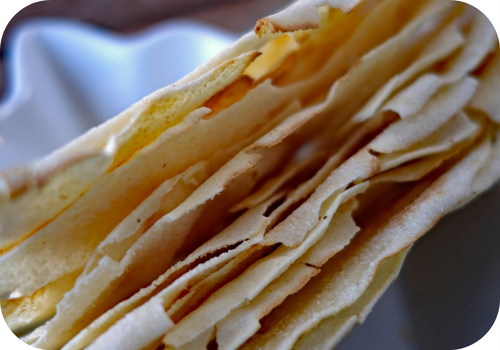
Did you know? "Pane Carasau" is a typical Sardinian paper thin crunchy bread, sometimes called "music sheets" because of its resemblance to paper. Traditionally, it was the bread shepherds would bring with them when leaving for weeks and months to the mountains, in order to take care of the herds. Pane Carasau could last for a very long time before going bad. It could often be eaten with "fiore sardo", traditional sardinian cheese such as Pecorino Sardo, Casu Marzu and many other pairings.
Sardinian Octopus Salad - A Taste of Mediterranean
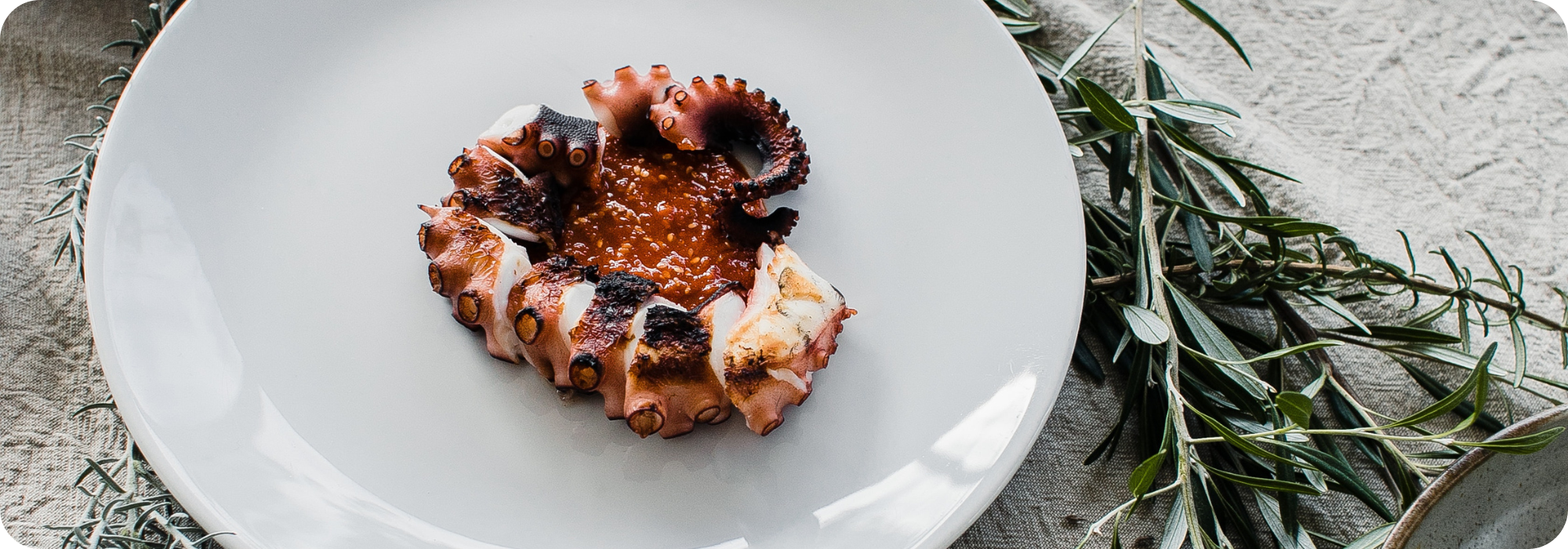
When the summer temperatures hit the highest values and the days are the hottest, a fresh salad feels like the perfect dish to satisfy that mid-day hunger. Sardinian cuisine holds the recipe for a traditional Mediterranean dish, part of the essential foods on the island and a must-try for the summer season holiday in Sardinia... We’re of course talking about octopus salad, specifically its Sardinian variant: “Insalata di polpo alla sarda”. The ingredients can widely vary, with some recipes including the classic potatoes, tomatoes and olives together with the octopus. Chickpeas or celery can sometimes be included and topped with pepper and extra virgin olive oil, for a fresh and satisfying finish. Octopus salad and its variants are extremely healthy when properly prepared and represent the perfect way to eat well while keeping light and hydrated during warmer months.
Sardinian Octopus Salad - Our Wine Pairings
When it comes to such a fresh and summery dish, we can only point toward a delicious and refreshing white wine. A Vermentino Mersino, from Tuscany this time, will be fully capable of enhancing the intense but harmonious sea flavours coming from the octopus, with floral and mineral notes, for a complete taste experience. If we’re bound to leave Italy for a little while, then the Galicia region in Spain might provide the perfect alternative for this traditional Sardinian food. A good glass of Anadigna, produced from Albariño grapes, can complement the octopus salad as well as its other ingredients, with its citric and balsamic notes, further solidifying the summer holiday feeling.
Sardinian Wineries & Experiences


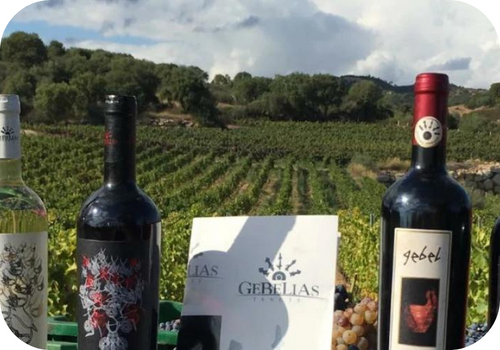
Cantine Gebelias
The local terroir and its Mediterranean herbs blend together in the high-quality of these true Sardinian wines.
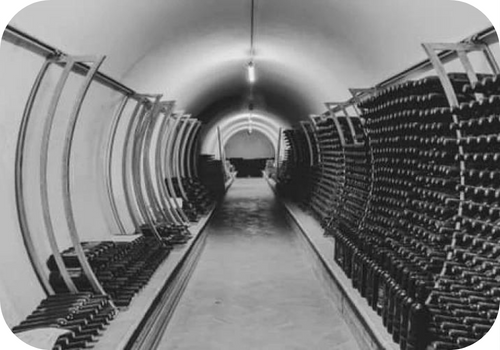
Cantina Giuseppe Sedilesu
This family winery, located in the true heart of Barbagia, focuses on the production of the local Cannonau.
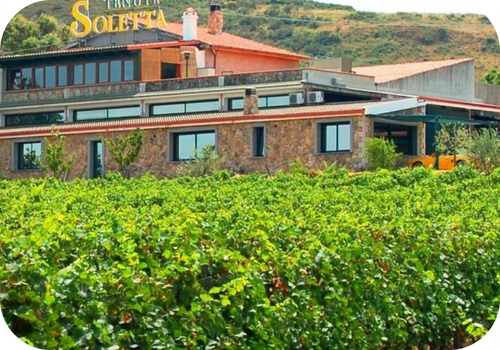
Tenute Soletta
In the province of Sassari this family owned tenuta represents a small oasis of peace and relaxation, where food and wine can play protagonists in the natural setting.
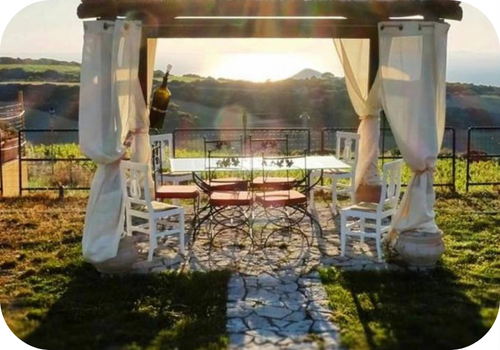
Tenute Dettori
The gulf of Turritano is a gentle host to this beautiful and scenographic azienda agricola winery, housed on soil cultivated since ancient times.
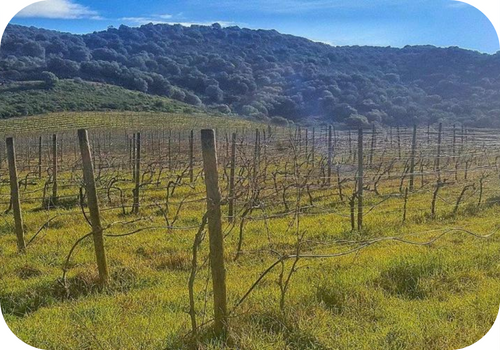
Colline del Vento
Enjoy a meal with the winemakers while they present to you the fruits of their hard-working passion, turning the tough Sardinian terroir into iconic local wines.
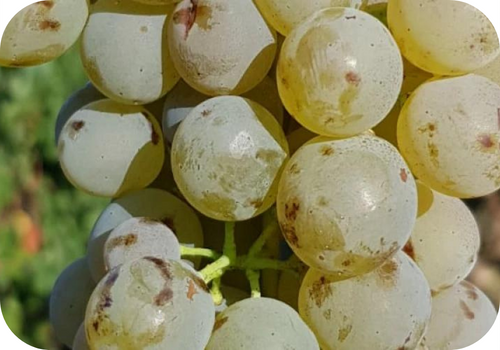
Cantina Jankara
📍Sant'Antonio di Gallura, Italy
The precious veins of San Leonardo and Mamoiada, at a steep altitude of 800 m above the seal level, produce Vermentino and Cannonau of high quality through the passion of this small family winery.


