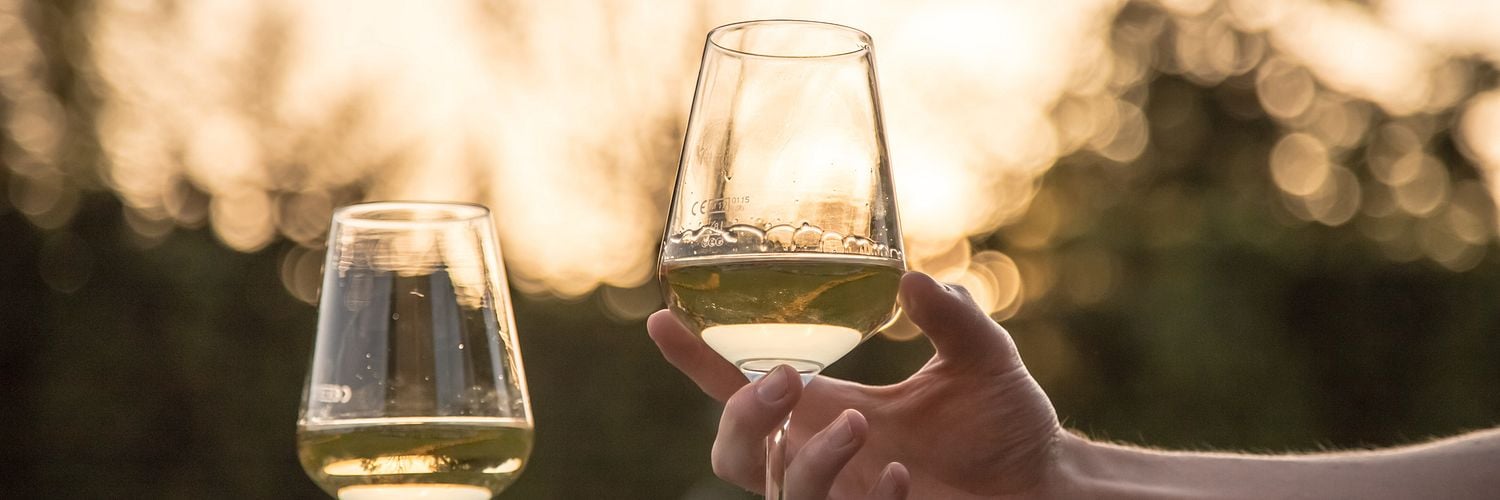

The days are growing warmer, and soon the pleasant summer will arrive – it's time to move to white wines! A perfect pairing for a vacation to the countryside and a lively party before dawn, a romantic dinner or Sunday brunch. White wine has always been linked with elegance and refinement. We adore white wines for their versatility; a glass of semi-sweet white will complement any meal in the morning, afternoon, or evening. The wine has a lot of intriguing subtleties of the region where it is born, as well as dozens of brilliant representatives. The wines display intriguing subtleties of the region where they were born, and there are a multitude of brilliant variations even within these regions.
Fans of white wines, take a look at our guide below, dive in and find your personal favourite white wine!
What should you know about white wine?
- White wine can be made from grapes other than white grapes. The berry's skin might be dark or red, but the key point is that its juice is light. The color is determined not by the variety, but by the skin contact time.
- Dessert wines, semi-sweet wines, semi-dry wines, dry wines, and sparkling wines are all types of white wines.The type of drink is in many cases determined by the sugar concentration, which ranges from sufficient in dessert to nearly none in dry.
- Depending on the production process, the alcohol content might range from 6% to 20%.
- Among all wine-producing countries, Austria, Germany, and France make more than half of all white wine.
- The fundamental attribute of white wine is its acidity. The acids included in grape berries give this drink a fresh aroma, similar to biting into a sour apple.
- Some vitamins, essential oils, and trace elements found in white wine are not found in grape juice. This is entirely the result of alcoholic fermentation.

Shades of white wine
Light body: low in alcohol, sugar content & high acidity.
Average body: average in alcohol, sugar content & average acidity.
Full body: higher in alcohol, sugar content & low acidity.
How is a white wine made?
In general, the winemaking process of white wines is pretty similar to one of red. The stages are the same, however, there are significant differences in the details. Furthermore, producers are always experimenting. This does not exclude us from explaining the broadest framework of this process here.
- The harvest of grapes for white wine is determined by the style of the wine and happens when the grape gets the required sugar level.
- The grapes are then sorted and separated from undesirable bunches before being pressed for a complete squeeze of grape juice, followed by the separation of the peel from the juice. This is done to prevent tannins from the skin from entering the juice and changing its color and flavor.
- Filtration of the wine is done in a variety of methods by the winemaker. The simplest method is to transfer wine from one vessel to another, leaving sediment behind. Clarification is another method to purify the wine.

- Following that, fermentation occurs, which is when the majority of the spectacular wine transformations happen. Slow fermentation is usually preferred by winemakers since too fast fermentation might cause the yeast culture to die. And, after extended contact with yeast, the wine develops a distinct aroma and taste that is carefully managed by oenologists.
Winemaker's choices
The winemaker is the winery's artist, thus he/she decides when to stop the fermentation process. During fermentation, yeast is sometimes able to convert the majority of the sugar into alcohol. Eventually, dry white wine is processed. To generate a semi-sweet or sweet wine, the fermentation process is often stopped earlier. That is, some of the sugar will remain in the wine and will not be converted into alcohol.
This stage of preparation takes roughly 1-2 months. However, the timing varies depending on the type of drink. And again, everything is at the will of the winemaker. Finally, when the "removal from the residual" is completed and poured into the maturation tanks, followed by bottling.
White wines are then beautifully matured in stainless steel tanks or oak barrels for a period of time. Thus, the drink's taste and aromatic attributes are developed, and its qualities are harmonized. The wine master makes this decision once more.
And, once the finished white wine is bottled, the producer determines what to do with it. Either immediately sell it or leave it in the cellar to mature further.
Different styles of white wines and aroma characteristics
The bouquet of white wine is influenced by the composition of the soil, humidity, the number of sunny days a year, and the subtleties of the technology used by a particular winery. Wines from grapes of the same variety, but from different hillsides can vary quite a lot in taste and aroma.
The basic style of wine is formed by the vine, that is, the grape variety, which determines the variety of flavors and aromas. Each variety has its own character. Let's try to understand the main styles of white wines by their aromatic characteristics.
Light and fresh white wines that are like subtle matters
The first associations with white wines are weightlessness and freshness, delicate aromas of flowers, herbs, white berries and various fruits. This is how representatives of the "light" group can be characterized. These wines either did not know the barrels at all, or spent very little time in oak, and therefore preserved as much as possible the bright varietal flavors that sommeliers also call primary.
Among the most famous representatives of this style are the Albariño, Verdejo, the French Muscadet and Chardonnay, the Italian Pinot Grigio and Cortese, the Austrian Grüner Veltliner and others.
If you are a fresh and fruity white wine lover, you can also include
- Restrained classics of France: Sancerre, Pouilly Fume, Pessac LeognanDelicate representatives of northern Italy: Alto Adige and Friuli.
- Bright tropical fruits from hot regions of Chile, USA.
- Elegant examples with the hints of gooseberry and elderflower from New Zealand.
Powerful and saturated - white wines with gentle strength
The opposite side of white wine characteristics is a delicate power, depth, and richness, which is often attributed to aging in oak barrels. Secondary flavors develop in the cellar, ranging from vanilla and coconut to toast, caramel, and spices. The fruit and floral elements soften and fade into the background, enhancing the creamy texture. There are fewer well-known kinds that are prone to aging, but there are many to select from.
There are fewer well-known kinds that are prone to aging, but there are many to select from. The second category includes Macabeo from Spain, Trebbiano from Italy, Burgundian Chardonnay, Viognier from Northern Rhône and Semillon. The latter variety is well-known not only for Rhône Valley wines, but also for successful versions from South Africa, Argentina, Chile, Australia, and New Zealand.
Aromatic and sweet, embrace of fragrances
A separate group includes highly rich wine aromas that evoke associations with a perfume shop, a greenhouse, the tropics, and an oriental bazaar.
In such wines, enticing, rich flowery shades are substituted with notes of exotic fruits twisted to perfection, which match peppery, citrus, and honey aspects. The stars of aromatic wines are Riesling, Gewürztraminer, Muscat, Torrontés and Malvasia.
These are some of the oldest cultivated varieties still in use today, and each produces both dry and sweet wines. Strict and balanced Alsatian and Northern Italian examples are appropriate for experimenting with the style, while intense wines from hot regions will not turn off true admirers of the type.
Dry white wines
Such wines have a low alcohol content, they are easy to drink and perfectly quench thirst. The bouquet is dominated by floral and fruity shades. The main grape varieties are Chardonnay, Pinot blanc, Sauvignon Blanc, and Silvaner.
Semi-dry, semi-sweet and sweet white wines
These wines are characterized by a predominantly sweet taste. They have a soft, pleasant body, and in the case of the sweetest varieties — even a little viscous. This variety is characterized by fruity, honey notes with a rich aroma and a long aftertaste. The main grape varieties: Gewurztraminer, Chenin, Sauvignon blanc, Semillon, Muscat, Pinot Gris, Riesling.
Check out our guide - Top-10 white wine regions to visit.
Most popular white wines and grapes
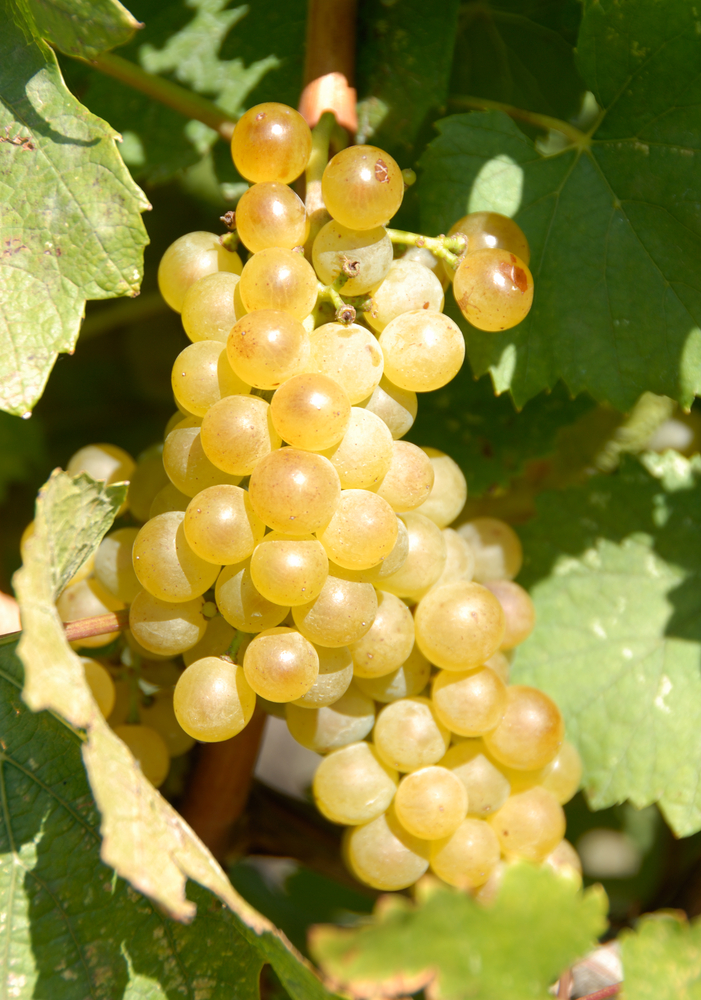
Chardonnay - All the great wines of Burgundy are made from this variety, which, like Pinot Noir, prefers chalky soil. It is the main component of most champagnes. The bouquet of Chardonnay is dominated by shades of hazelnut, bitter almond, hawthorn, acacia, which are almost always emphasized by notes of butter and toasted bread. In Chablis, it acquires some unique characteristics, among which are shades of mint.
Sauvignon Blanc - One of the most fashionable and widespread grape varieties today. This grape variety prefers chalky or clay soil. Its strong vine yields a moderate amount of berries that are exposed to the fungus "Botrytis cinerea" , in other words, "noble rot". It has an elegant well-known herbal aroma.
Semillon - This variety is lucky, because in the fall it is attacked by "botrytis". This variety is a treasure of the Sauternes district, where it makes up 80% of the grapes. As the wine matures, it is replenished with shades of honey and the whole spectrum of smells of exotic and candied fruits: pear, apricot, quince, pineapple with notes of vanilla. Some of these wines carry wonderful shades of saffron.
Riesling - This is a magical grape variety common in the Rhine River Valley. Riesling has a rich body, structure and bouquet. In semi-dry and sweet wines, the aromas of tropical fruits such as grapefruit and orange are abundant.
Muscadel - This grape variety has numerous variants, but they all have a strong aromatic feature in common, similar to the scent of coriander seeds. This grape type is grown in the south of France and is used in a wine combination of sweet Sauternes and Monbazillac.
Pinot Gris - The origin of the variety comes from Burgundy. It yields very aromatic wines, sometimes delicate, sometimes robust, with a fresh and rich bouquet. This wine grows in a nice, slow manner. Its aroma is frequently fruity and floral, with nuances of apple, pear, and acacia. This variety is also known as "Tokay" in Alsace.
White wine food pairing
White wine with cheese
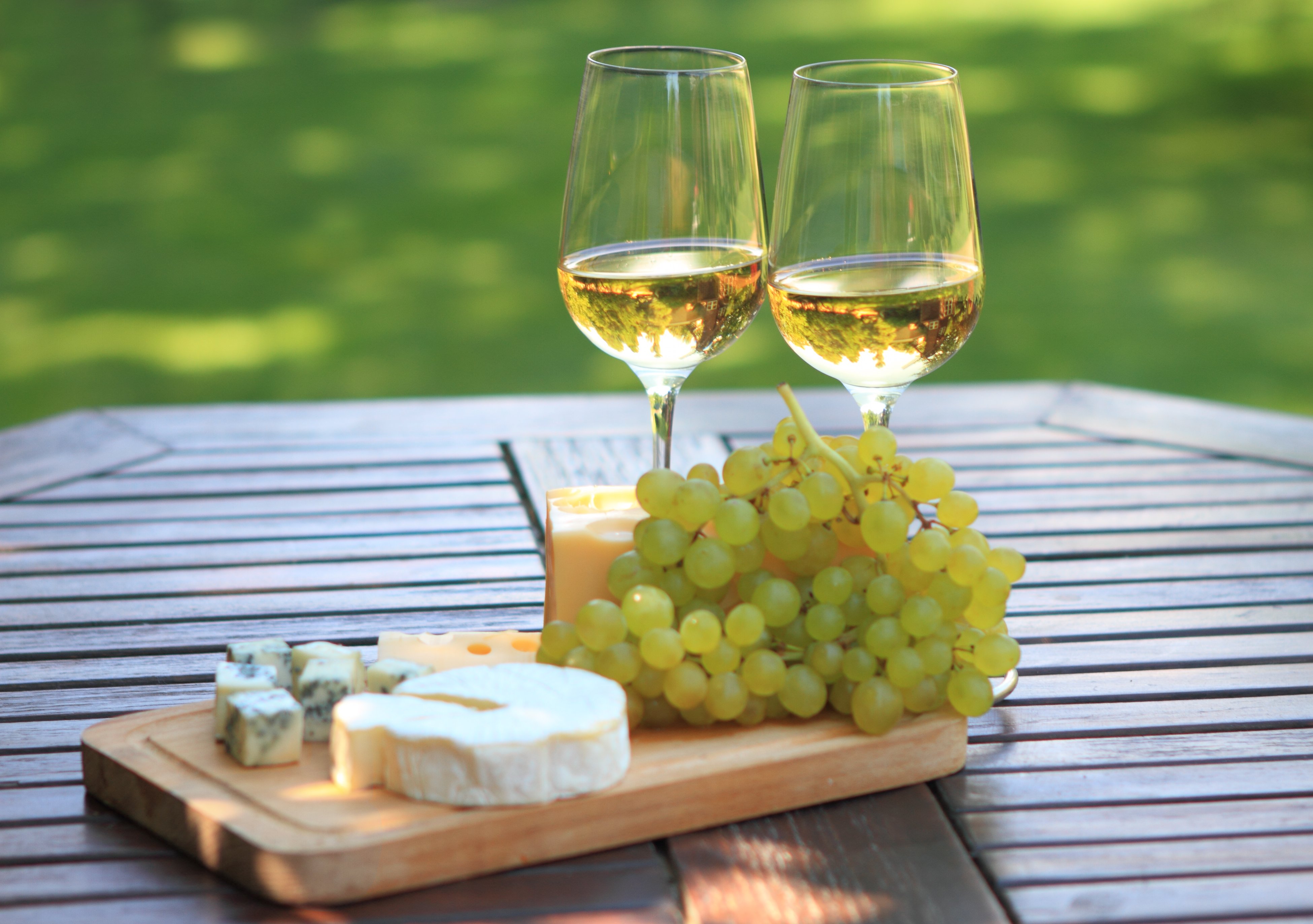
It is believed that cheeses are best combined with white wines. And this is quite justified since there are no tart tannins in whire wines, which in a duet with cheeses often give bitterness. When choosing cheese for white wine, it’s good to keep focus on the degree of sweetness of the wine.
- Dry wine + Fatty cheese (Parmesan, Edam, Maasdam, Emmental).
- Semi-sweet, semi-dry white wines + curd and creamy cheeses.
- Sweet wines + Soft and semi-hard cheeses (Brie, Camembert, Gouda, Cheddar).
White wine with lamb
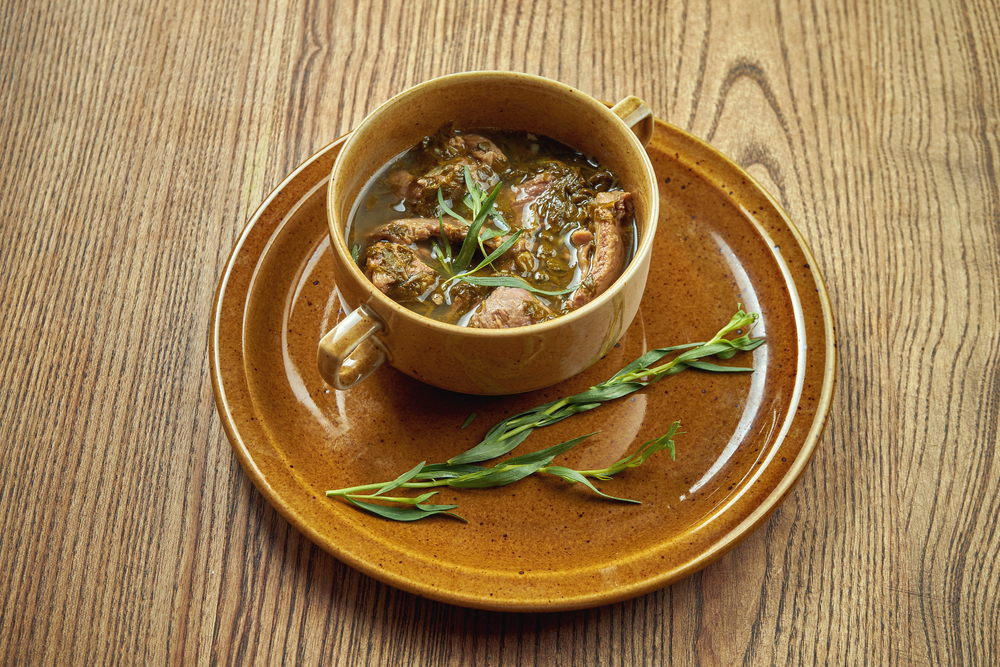
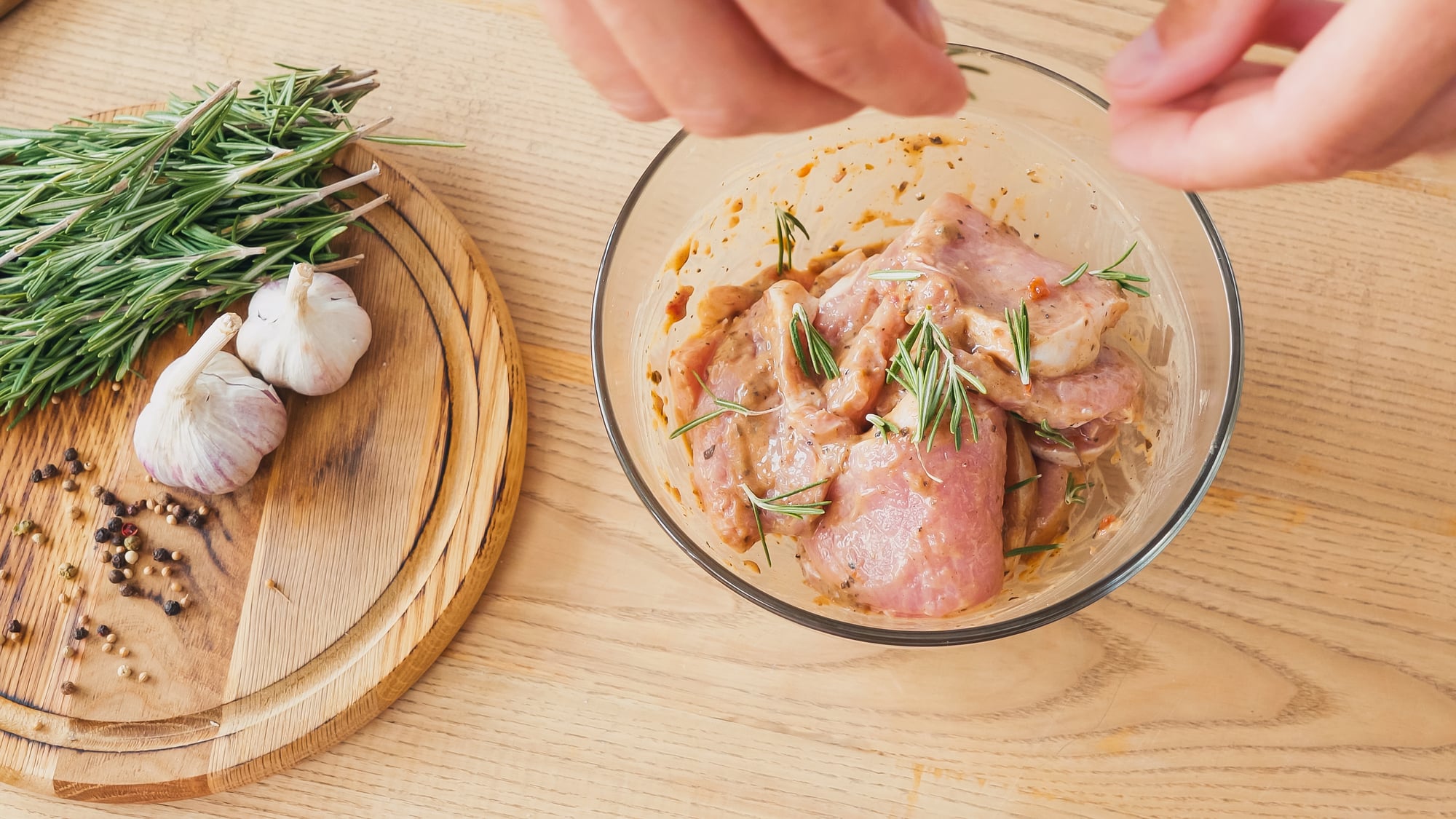
Sounds like something unusual, right? Lamb flavor complemented with rosemary and cooked with herbs makes a pretty good pair with an oaked Chardonnay or Viognier.

White wine with fish
Nature has gifted the fish with a mild and delicate flavor that matches well with white wines. Many fish dishes have a lot of salt, which does not go well with tannins. That is why fish + white wines are one of the best combinations.
Do you want to make a tender steamed dish? It's worth picking up a bottle of Loire Valley white wines. Are you planning to serve smoked delicacies to your guests? Choose a fruity wine like Gewurztraminer, Pinot Gris, or Riesling that has good acidity and adds additional elements to the flavor of fish.
A number of fish meals are served with cream sauce. This sauce goes well with white Burgundy wine, which has a rich bouquet and good structure.
White wine with chicken
Both white and red wine go well with chicken meals. Choosing a drink, it’s important to take into account the peculiarities of cooking. Fried chicken is served with light alcohol with a pleasant sourness. For example, chardonnay, riesling, sauvignon blanc, and viognier. Chicken meat in salads, soups is tender, without a pronounced flavor. The lightest white wines are perfect for these dishes. Deep-fried chicken can be supplemented with sparkling wines or champagne.


