
“The amphora allows us to discover the origins of wine, display its native character, and prevent foreign flavor while keeping the purity of the grapes.”
Amphora: forward to the past – Why do we still use amphorae?
This is the philosophy of modern winemakers who prefer clay vessels. Thousands of years ago, history was repeated, and it is being replayed now. To highlight the terroir, winemakers use amphora for vinification and aging, preferring natural yeast and natural processes.
Amphora wines are adored or despised, and winemakers that still produce them are called ‘rebels’ or ‘creatives’; but they are not confused by such comments, continuing to produce wine according to their “terroir” concept and gaining appeal among interested wine enthusiasts.
What is amphora wine?
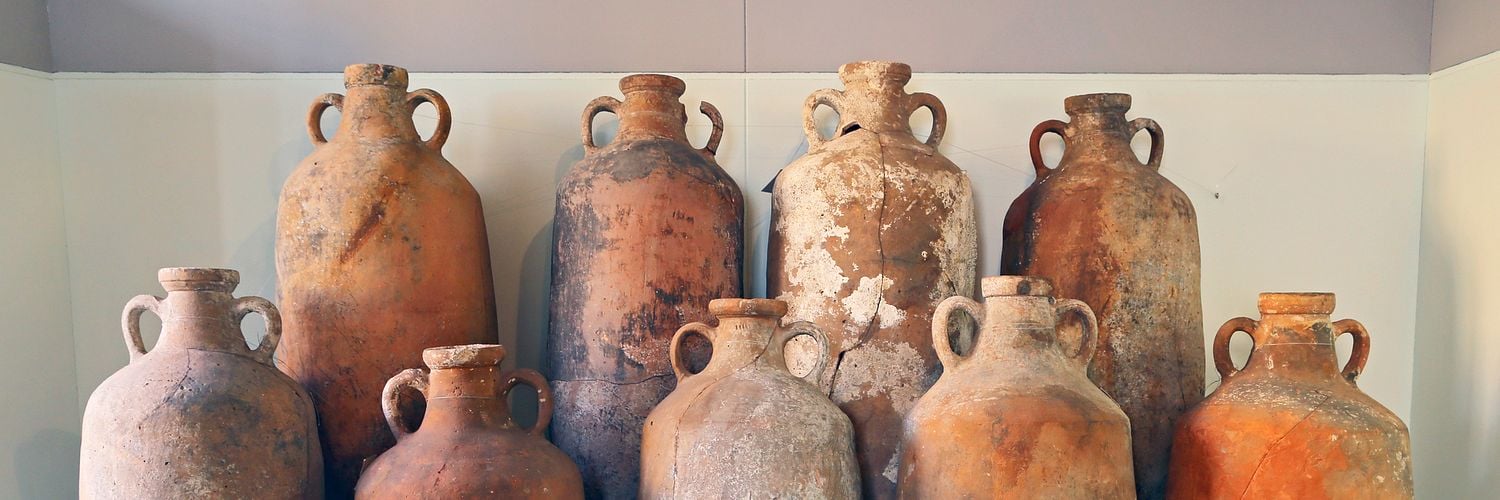
Wine connoisseurs are likely to have come across “amphora wines” during their tasting sessions. This is the name given to wines for which a clay vessel was used at some point during the production process—either during fermentation, aging or both. The term “amphora” is used as a worldwide unifying for such a vessel, despite the fact that names and appearances vary per country.
In Spain, the ceramic wine cup is called “tinaja” and it has a very peculiar egg shape. In Georgia, the term “qvevri” is used and the forms of it may vary according to where you go in the country. The same type of vessel is known as “talha” in Portugal and “karas” in Armenia, but specifically amphora are called vessels in Italy.
Names of clay vessels in different countries

Anfora – Italy;
Qvevri – Georgia;
Tinaja – Spain;
Talha – Portugal;
Karas – Armenia;
Dolium – Ancient Rome;
Pithos – Ancient Greece.
Greetings from the past
In modern winemaking, steel vats with temperature control, pneumatic presses, and other complex equipment are used. Nevertheless, now we can meet courageous winemakers who are going back in time and experimenting with amphora techniques used to create wines 8000 years ago. Shards of amphorae and remains of culture grapes were discovered in modern-day Georgian soil attest to this. In addition, ancient clay pot fragments have been discovered in the vineyards around Portugal, Spain, France, and Italy.
Georgia was the primary pillar of amphora winemaking for a long time. The practice expanded throughout Europe from there, arriving in countries like Italy, Slovenia, Austria, France, Spain, and Portugal. Fans of pots may be found in both emerging and traditional winemaking regions like Bordeaux and Champagne.
Why age wine in amphora?
Experts explain that the vessels made of clay have pores, therefore they are breathable and provide micro oxidation of wine, comparable to what happens during vinification and aging in oak barrels, but without the influence of oak on the taste. Clay is a neutral container that prevents the wine from oxidizing and reducing, and the Georgian Qvevri itself is waxed on the inside to avoid disease growth.
As the clay has high thermal conductivity, expert winemakers may note that the amphora creates a unique temperature regime for the wort without the need for external thermal management. And esotericists will easily justify that all the uniqueness lies in amphorae that present a shape close to that of an egg and they will sing an ode to its smooth outlines, in which energy flows are wrapped in a special way.
What flavors did clay amphoras add to the wine?
Wines are exposed to more air as they mature, because of the clay’s porosity. The tertiary taste development is accelerated by oxygen, which softens tannins and brings beautiful aromas of nuts, baked fruit, and chocolate.
How are amphoras used in winemaking?
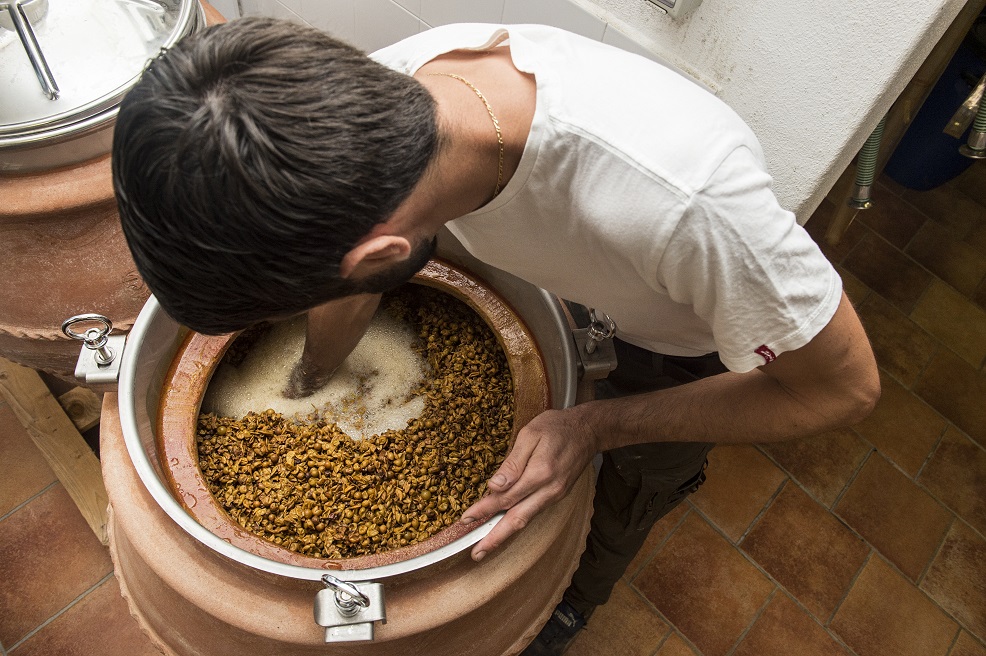
Amphorae are used in a variety of ways in the production process. An amphora can be used to ferment grapes with or without ridges. In Gerogia, white grapes are placed into the Qvevri with full brushes, without comb separation, according to the Kakheti technique. Fermentation and aging are carried out on the full pulp bulk. After fermentation is complete, the entire mass settles to the bottom of the vessel, which is then securely shut until spring, or for a period of 4-6 months. Grapes are progressively loaded without ridges to remove extra astringency, according to the modern interpretation. The Kakheti technique was formally acknowledged and placed in the UNESCO list of intangible cultural heritage in 2013, which is a source of pride for Georgians.
Where to drink amphora wine?
As more wineries are producing wines using clay vessels, the team of winetourism.com has prepared a list of wineries where you may sample and learn about unique wines from across the world.
Portugal
The Alentejo area in south-east Portugal is home to an old winemaking practice: producing wine in clay amphorae known as “Talhas.” This winemaking process is considered traditional in Portugal and has been practiced since the Roman era. This wine tradition, which dates back over 2000 years, has never died out and is still alive and used in many parts of the Alentejo area.
Throughout history, the art of winemaking in amphorae has been passed down from generation to generation practically unaltered. At the same time, within the scope of this shared heritage of Portugal, you may encounter regional differences.
Regardless of the classic or modernized procedures, this wine is the embodiment of a thousand-year-old wine culture in Alentejo, and wine produced in Talhas is unique.
Talha wines to discover in Portugal:
Sovibor – Sociedade De Vinhos De Borba
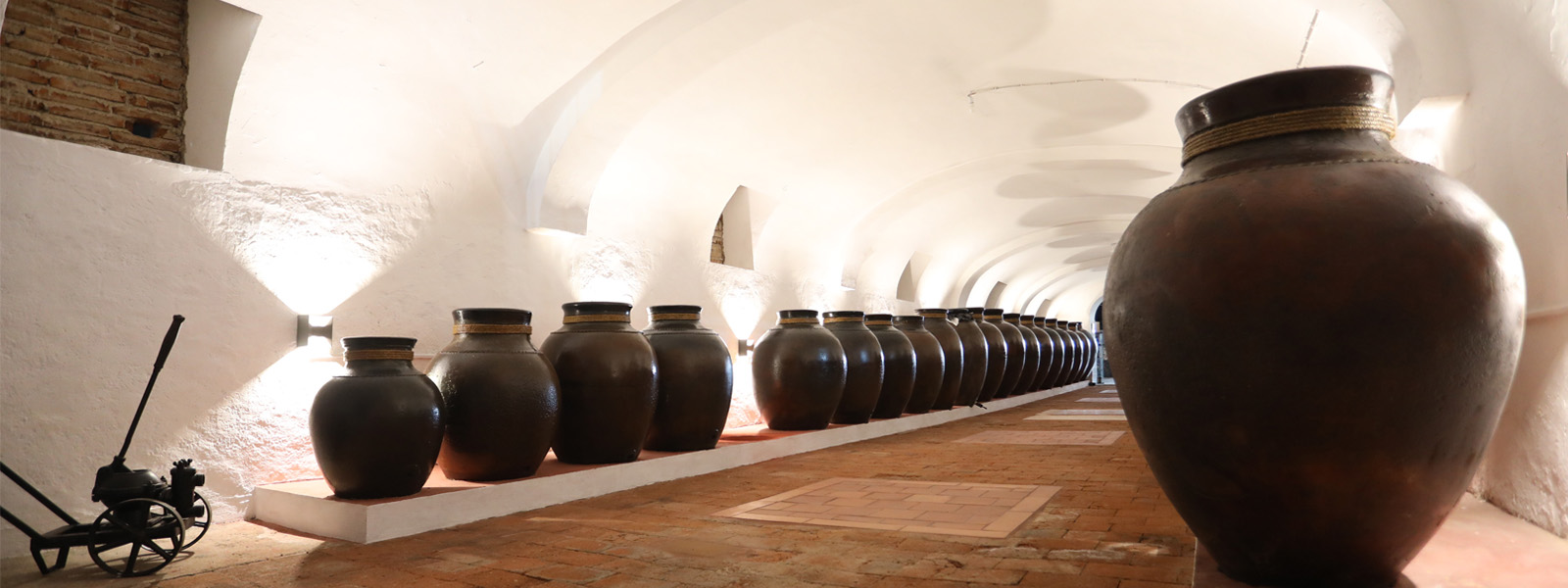
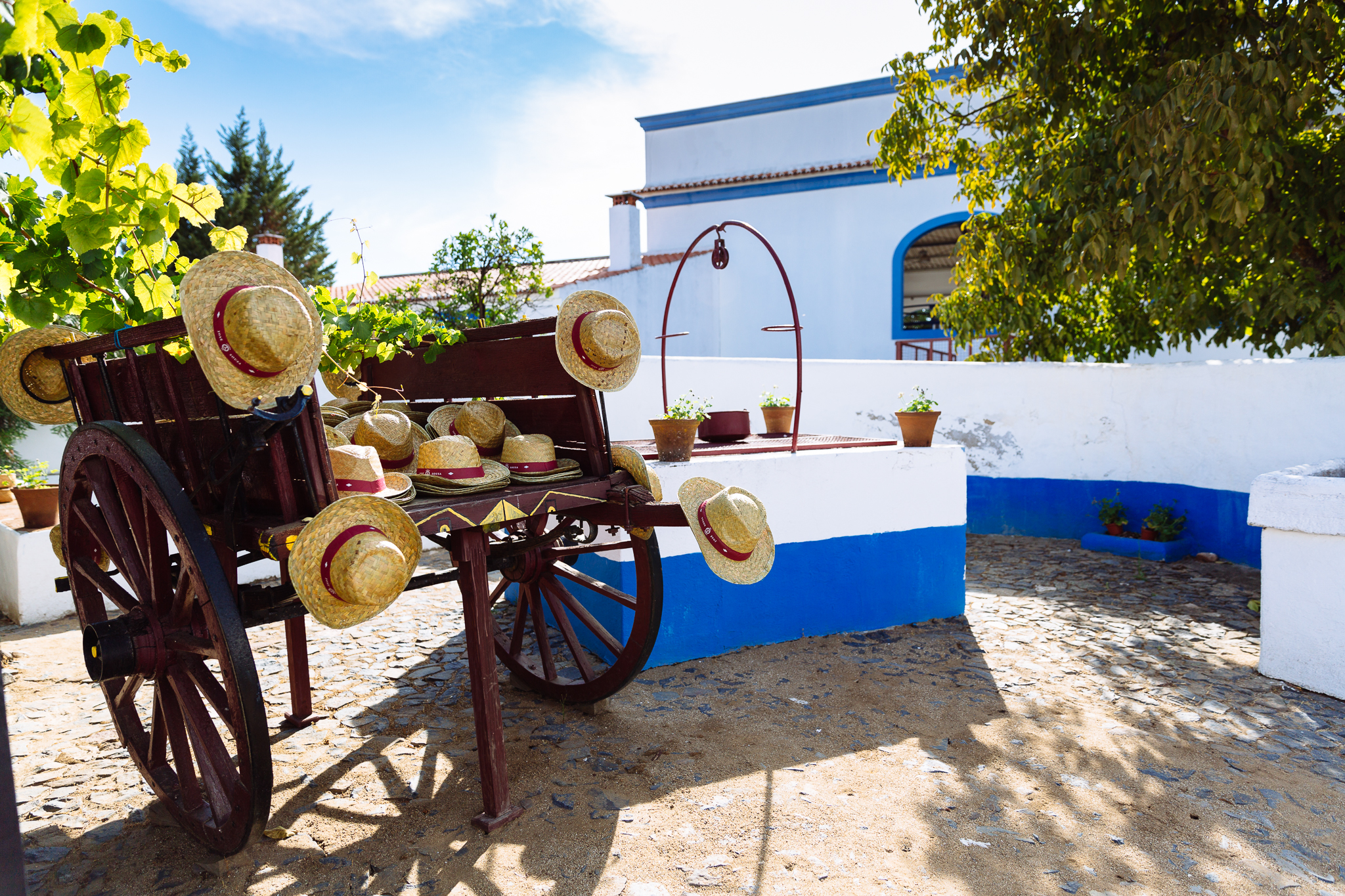
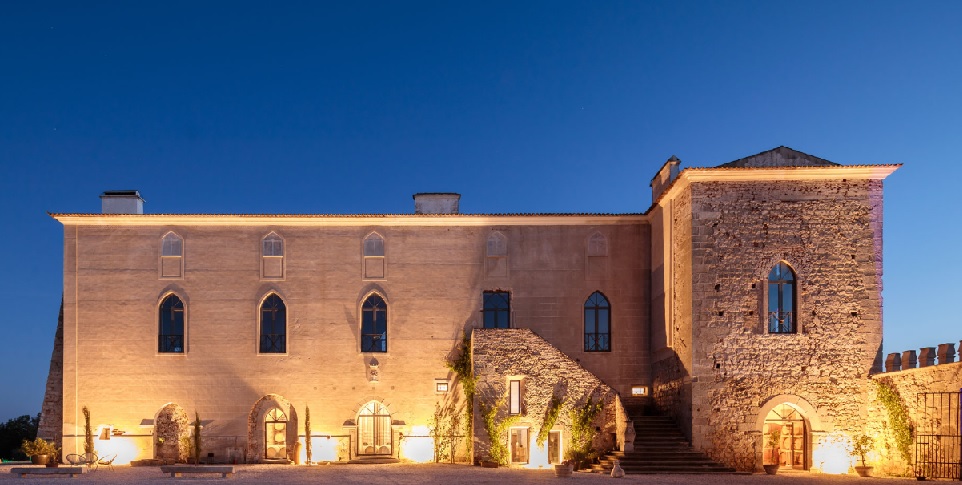
Discover exquisite Alentejo wines in their DOC Borba, where Sovibor winery produces amphora wines for more than two centuries.
Georgia
Georgia has been producing wine for over 8,000 years. There is scarcely any other nation in the world that can boast of such a long wine heritage. Wine has been prepared the same manner for millennia, maturing in Qvevri clay jars on pulp (Georgians say “on chacha”).
An entire country has willingly kept this temporal link, encased in a simple mechanism that is entirely within the power of nature. These wines, which date back to antiquity, are nevertheless quite fresh and relevant today and are becoming the hallmark of modern Georgian winemaking.
Qvevri wines to discover in Georgia:
Leksos Marani
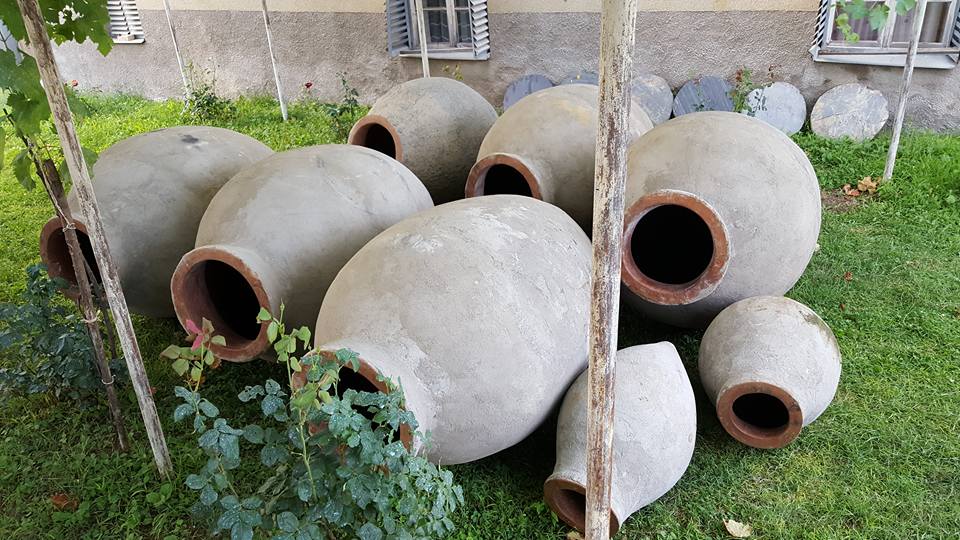
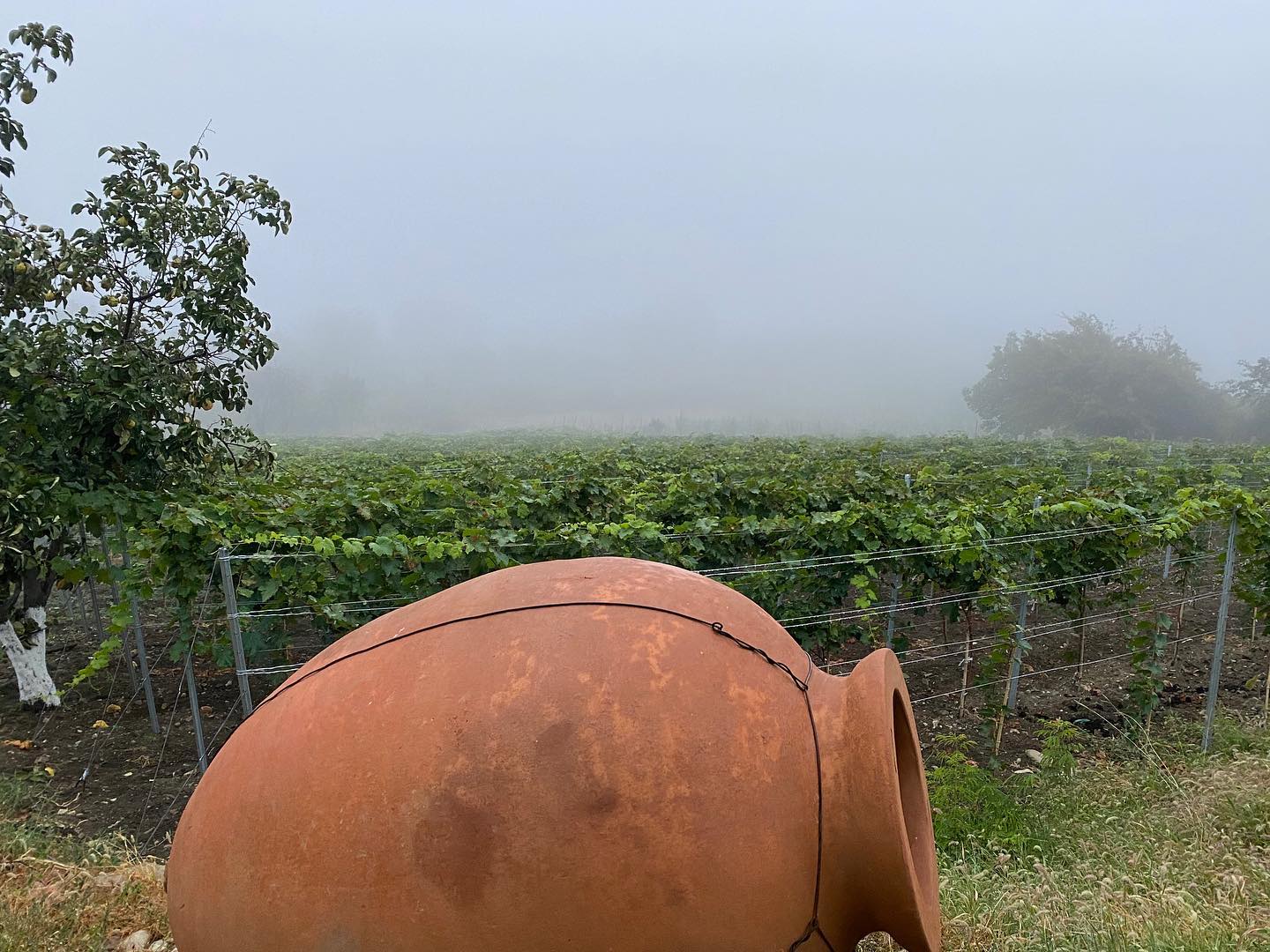
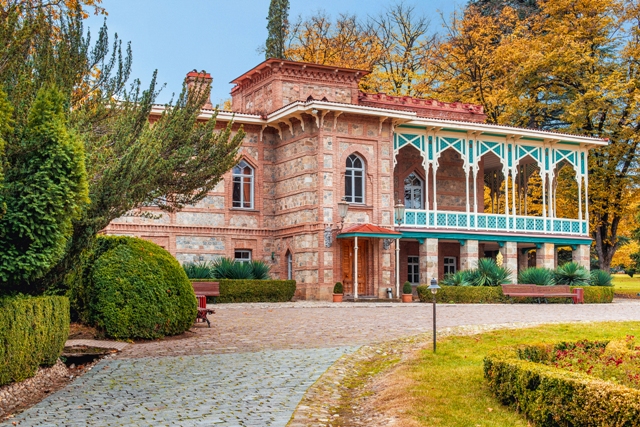
Discover family winery in picturesque Alazani river valley where they make natural, traditional wines.
Spain
Tinaja wines are an example of an old Spanish winemaking technique that is still in use today. It is associated with the employment of tinajas for grape fermentation. This name refers to large clay pots in which a modest Spanish family can easily fit. Thus, Spanish winemakers had to deal with the issue of wine oxidation but the percentage of grapes that came into touch with the air was quite low using this approach. During the fermenting process, just the portion that rose to the top of the lid was then used in Tinajas.
Tinaja wines to discover in Spain:
La Bodega De Las Estrellas
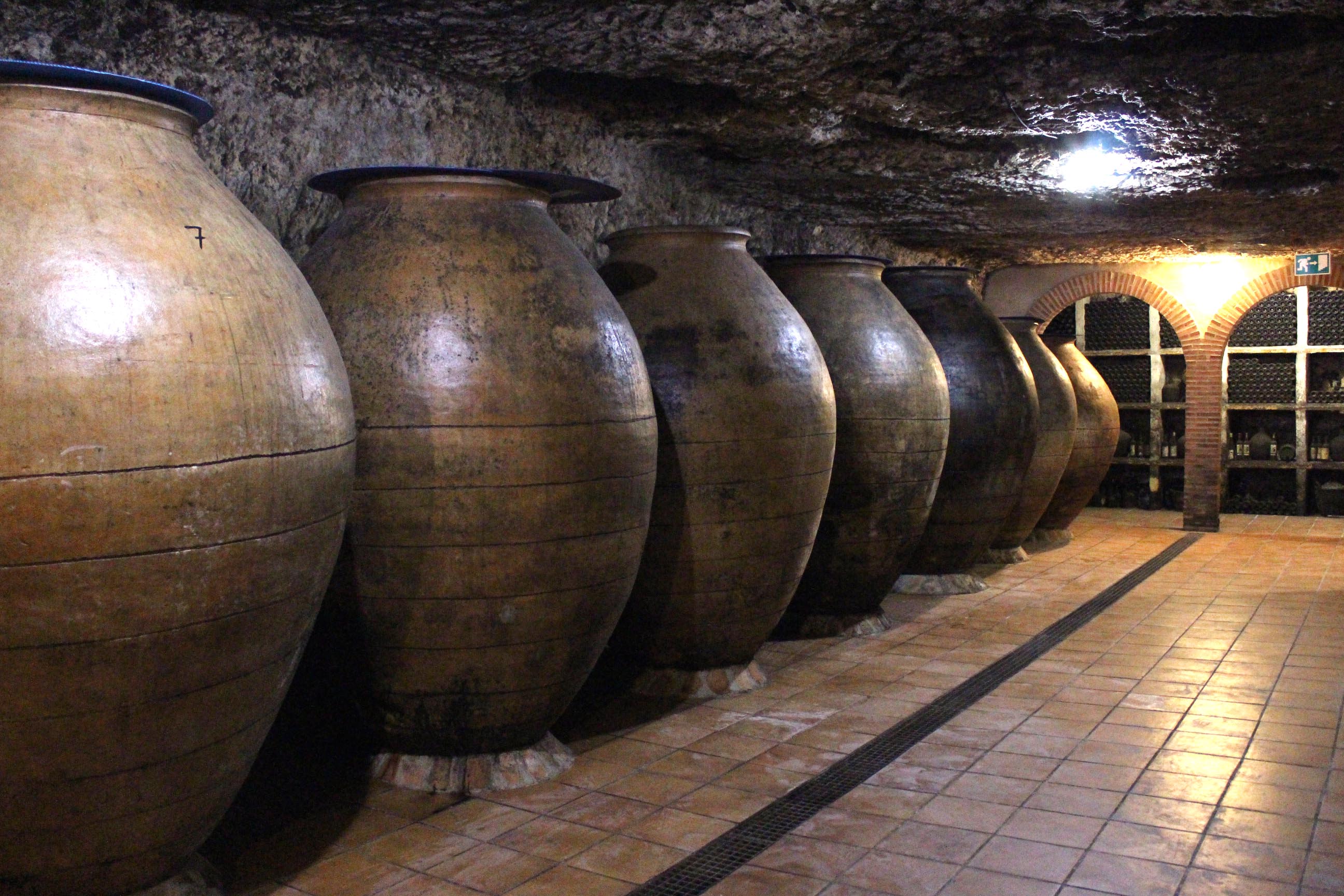
Family winery producing unique tinaja wines in the region of Castilla-La Mancha.
Viña Memorias
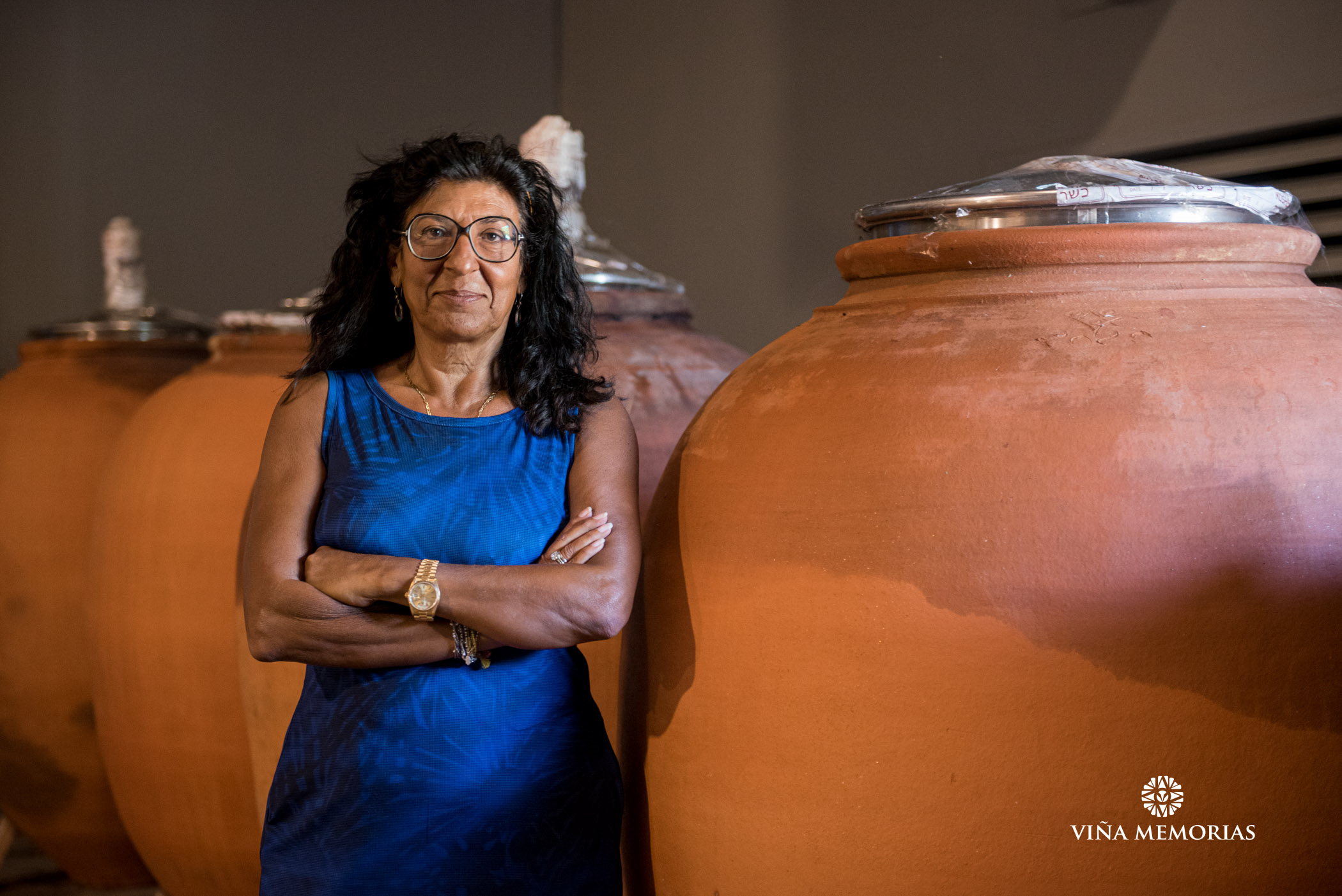
Viña Memorias produces a special edition wine called YUNIKKO, fermented and aged ina Tinaja. YUNIKKO is a handcrafted wine that represents the ultimate expression of the terroir where the grapes grow. It is harvested by hand in mid October, from over hundred years old vines of Bobal in the heart of The Land of Bobal.
Italy
The amphora has a lengthy history in Italy, where the vessel is renowned for its neutrality. Winemakers like the amphora technique are fully aware that it can help them get the truest expression of their fruits and terroir. The fermentation and maturing of wines in clay amphorae is gaining popularity in Italy again, with a growing number of wineries embracing the “amphorist” movement.