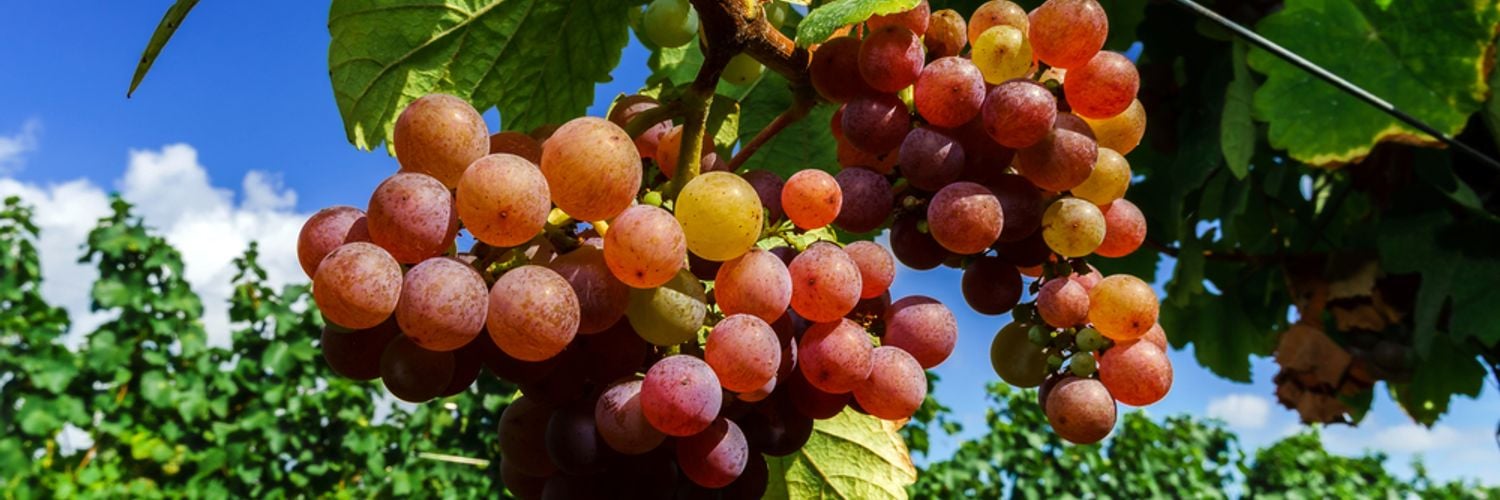

Gewürztraminer is a grape with a complex sweetness and low acidity. It grows in colder climates, has a pinkish skin and strong aroma potential. Gewürztraminer is known for a revealing lychee scent with floral notes of tropical fruits. The grape is characterized by its high level of natural sugar and produces some of the most aromatic and distinct wines.

Where is Gewürztraminer from?
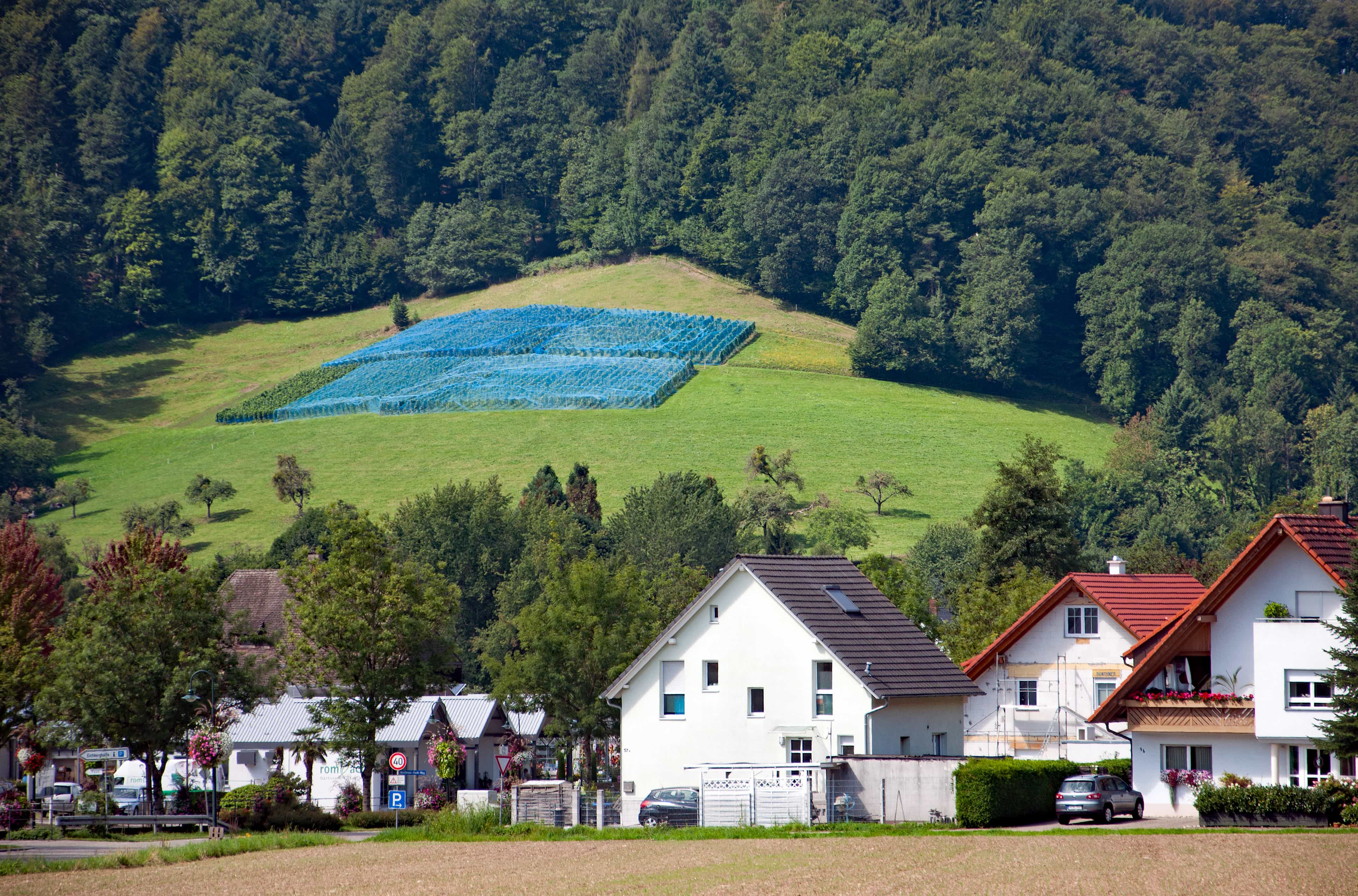
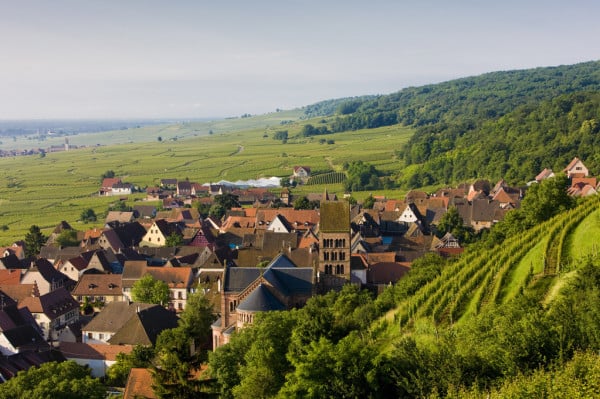
Gewürztraminer is originally from Trentino-Alto Adige, Northern Italy. Today, this grape is very common to be planted in the vineyards of Germany and Alsace (a region in France which borders Germany and Switzerland) where it is the second most planted grape. Also you can find wineries that produce Gewurztraminer wines in such countries as Austria, Italy, and Spain. In the New World, it grows successfully in cooler areas of the United States, Chile, Australia, Mexico, and Argentina.
Interesting story about Gewürztraminer
The name of the grape originates from Tramin, a village in the northeastern part of Italy where many people still speak German. Gewürztraminer means herbal Traminer from the German "Gewürz" - herb. According to history, the grape was brought to the region by Duke Karl Friedrich of Baden around 1780 from Italian Chiavenna, which the Germans used to call Cleven.
Gewürztraminer grape characteristics
Gewürztraminer buds early but ripens late, making it susceptible to cold autumn afternoons. Its late ripening requires hot summers. Although its vines are powerful, Gewürztraminer grape is very picky about the soil and climate in which it grows, preferring soil rich in clay. This grape does not grow very well in calcareous soils.
Gewürztraminer Wines
By many, Gewürztraminer from Alsace is considered the best wine of this grape variety - it is available there in both dry and sweet styles. The grape's high natural sweetness makes it excellent for production of dessert wine. There are some wines made of so-called vendange tardive (late harvest) meaning that the grapes are allowed to hang on their bunches until they start to raisin. Sometimes grapes are deliberately exposed to mold in the same way as blue mold cheese - the process is called botrytisation after the mold botrytis cinerea.
What to pair with Gewürztraminer?
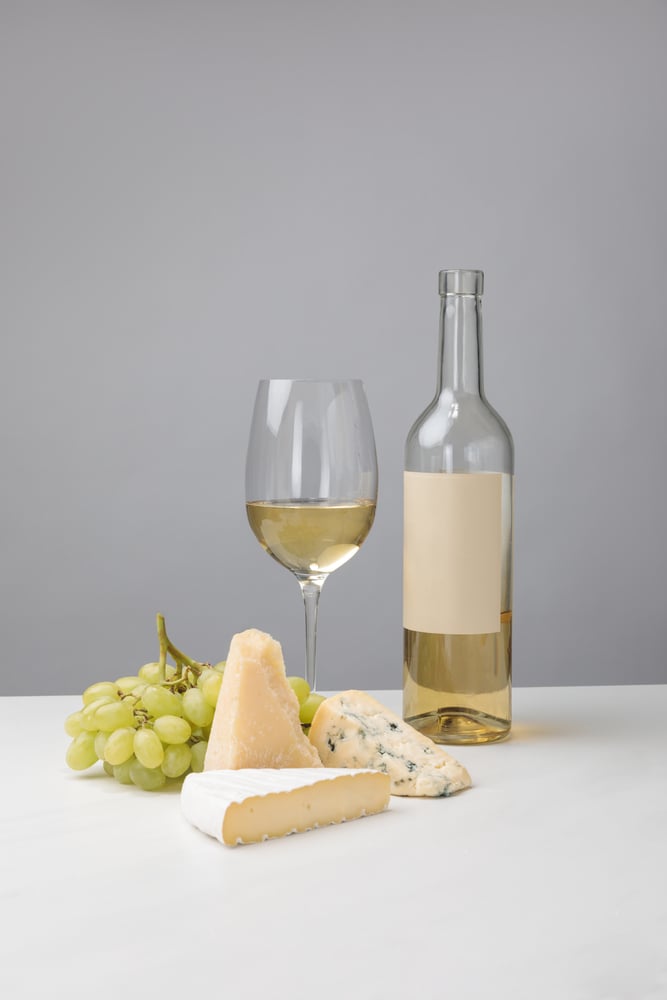
This aromatic sweet wine goes well with spicy Asian and African food. For vegetarian dishes, grilled vegetables with artichoke are recommended. Gewürztraminer also goes well with many French cheeses such as Maroilles, Livarot, and Munster.
Where to find the best Gewürztraminer wines
61f3d89b62dca.png)
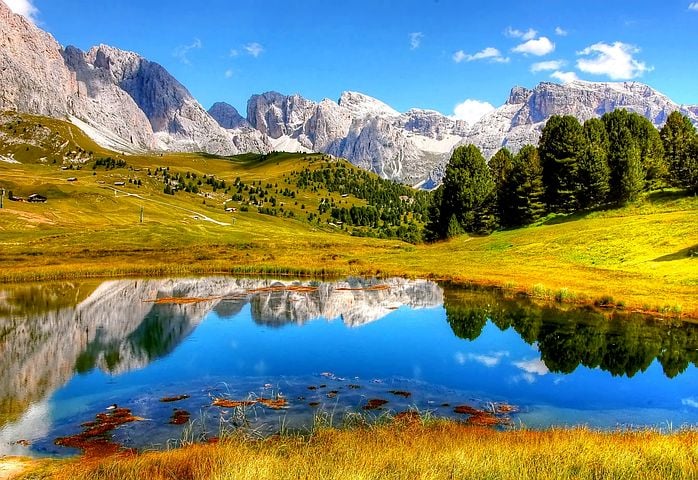
Trentino-Alto Adige
Here are some wineries in Trentino-Alto Adige where you can taste the best Gewürztraminer wines:
Alsace
Here are some wineries in Alsace where you can taste the best Gewürztraminer wines:
Baden
Here are some wineries in Baden where you can taste the best Gewürztraminer wines: