

Explore Bulgarian Wine Regions
Bulgaria's rich winemaking heritage invites exploration through its diverse wine regions, from the sun-drenched valleys of the Thracian Lowlands to the rolling hills of the Danubian Plain. Here, indigenous grape varieties such as Mavrud and Pamid flourish, producing intriguing reds and refreshing whites. Wine tourism in Bulgaria offers unique winery visits, allowing travelers to immerse themselves in local culture and savor exceptional tasting experiences that reflect the country’s historical tapestry and passion for viticulture.
- Regions
- 5 Regions
- Wineries
- 37 Wineries
- Experiences
- 53 Experiences
Explore Wine Regions in Bulgaria


Bulgaria Wine Regions: The Complete Guide
Bulgaria is one of the countries with the oldest viticultural tradition in Europe. The origins go back to ancient Thrace, which includes parts of Greece and Bulgaria as well as the European part of Turkey. Archaeological finds and traditional texts indicate that it started 5,000 years ago.
One of the oldest wine-growing regions in the world
The country now has a cultivated area of around 60,000 hectares. PDO stands for quality wine according to the EU wine market regulation, PGI for local wine, and wine without a geographical indication for the simpler table wine. Within the quality wine, there is also a Premium seal that indicates that the wine is being made from a single variety of the region. In addition to other subdivisions, there are also the barrique wines that have to be aged in oak barrels.
Check out the list of the best wineries in Bulgaria
Climate in Bulgarian wine regions
The climate and soil conditions offer excellent conditions for viticulture. The country lies in the center of the Balkan Peninsula on the same latitudes as Tuscany and Bordeaux between the temperate continental and the Mediterranean climate belt. The various mountain formations such as Pirin, Rhodope Mountains, and above all the Balkan mountain range running east-west across the country protect the country from Aegean and Adriatic climatic influences. The damp Atlantic influences have the greatest climate-determining role.
Five Bulgarian Wine Regions
There are five regions in Bulgaria wine country, which are divided into smaller sub-regions:
Dunavska Ravnina - Danubian Plain
The gently undulating landscape between the Danube and the Balkan Mountains is crossed by many rivers and offers the vines ideal growth conditions. The region is known as Danubian Plain and is famous for its red, dessert and sparkling wines, with the main red wines being Cabernet Franc, Cabernet Sauvignon, Evmolpia, Gamay, Gamza (90% of the area of this variety), Merlot, Pinot Noir, and Syrah. Important white wine varieties are Aligoté, Chardonnay, Dymiat, Misket Vrachanski, Muskat-Ottonel, Riesling, Rkatsiteli, Sauvignon Blanc, and Tamianka (Muscat Blanc). Known growing areas are Biala, Dve Mogili, Ljaskovetz, Lom, Magura, Nikopol, Novo Selo, Orjahovo, Pavlikeni, Pleven, Rousse, Suhindol, Svishtov and Vidin.
Chernomorski Rayon - Black Sea region
The Black Sea Coast wine region borders the Danube and Romania in the north and the Black Sea in the east. The area is best known for its excellent white wines. Accordingly, the following white grape varieties can be found here: Aligoté, Dymiat, Gewürztraminer, Misket Cherven, Muskat-Ottonel, Riesling, Rkatsiteli, Sauvignon Blanc, Ugni Blanc (Trebbiano Toscano) and Viognier. But red wines are also produced, albeit in smaller numbers, from classic international varieties such as Cabernet Sauvignon, Merlot and Pinot Noir, as well as from the local Pamid. The latter produces light red wines in Bulgaria that should be drunk young. Known growing areas are Burgas, Euxinograd, Kableschkovo, Kavarna, Khan Krum, Novi Pazar, Pomorie, Preslav, Razgrad, Shumen, Silistra, Targovischte and Varna.
Rozova Dolina - Rose Valley or Sub-Balkan region
Rozova Dolina wine region is also known as Valley of Roses and it extends to the east on all flat foothills of the Balkan and Sredna Gora Mountains. The main areas are in the vicinity of the cities of Karlovo, Karnobat, Nikolaevo, Schivatchevo, Slaviantzi, Sliven, Straldja, and Sungurlare. The following types of red wine can be found here: Cabernet Franc, Cabernet Sauvignon, Mavrud, Merlot, and Pinot Noir. Important white wine varieties are Chardonnay, Gewürztraminer, Misket Rozov, Rkatsiteli, Riesling, and Viognier. The region is known for its dessert white wines and grape distillates from the areas of Elenovo, Straldja, Karnobat and Sungurlare.
Trakijska Nizina - Thracian Valley

Dolinata na Struma - Struma Valley
Struma Valley lies in the narrow valley of the Struma River on the border with Greece and North Macedonia. It is particularly known for the red wines from the Shiroka Melnishka (Melnik) and Ranna Melnishka Loza (Early Melnik) varieties. Mainly red wine varieties are cultivated here in around 75% of the area. Important ones are Cabernet Franc, Cabernet Sauvignon, Grenache Noir, Marselan, Mavrud, Merlot, Mourvèdre (Monastrell), Petit Verdot, Pinot Noir, Roubine, Ruen, and Sangiovese. Important white wine varieties are Chardonnay, Gewürztraminer, Keratsuda (a local specialty), Pinot Gris, Tamianka (Muscat Blanc), Sauvignon Blanc, and Viognier.
Plan your visit in Bulgaria




Best Wineries to Visit in Bulgaria


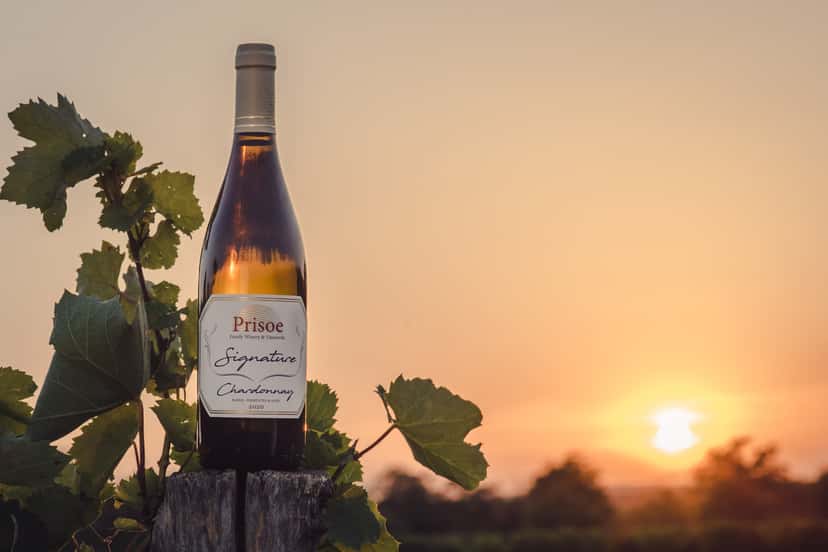



Best Wine Tastings in Bulgaria


Tailor-Made For You
Your perfect wine trip, planned for you
Tell us what you're dreaming of and a local wine expert will build a personalized itinerary — no obligation, no service fee.
Top Rated Local Guides in Bulgaria


Frequently Asked Questions
Is Bulgaria a wine country?
Does Bulgaria have good wine?
What are the main Bulgarian wine regions?
What is the best wine region in Bulgaria?
What wine is Bulgaria known for?
Join our newsletter now to receive our free guide on how to plan the perfect wine tour.