

Wineries in Castilla-La Mancha
Book tastings, tours and unique experiences directly with 4,000+ wineries across 50+ countries.
Flexible planning for a stress-free journey.
Personalized recommendations from our wine experts.
Support producers who prioritize the planet.
21 wineries
Search results

Showing 1–21 of 21 wineries
Browse Wineries by Country





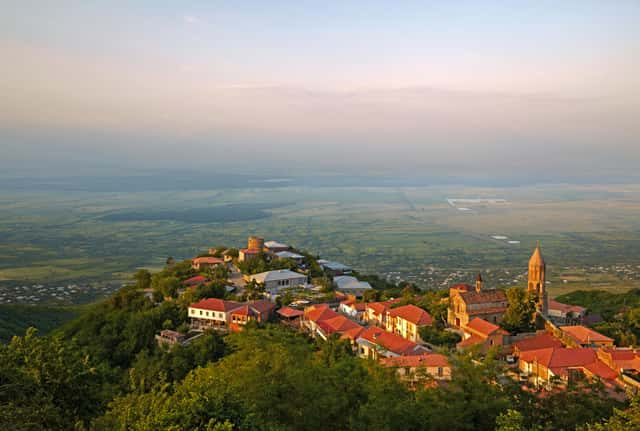

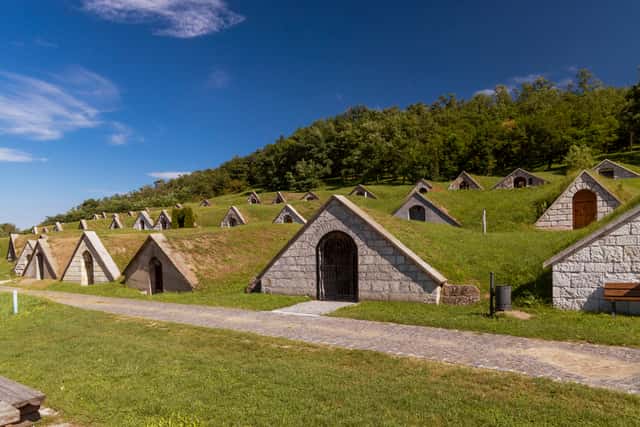





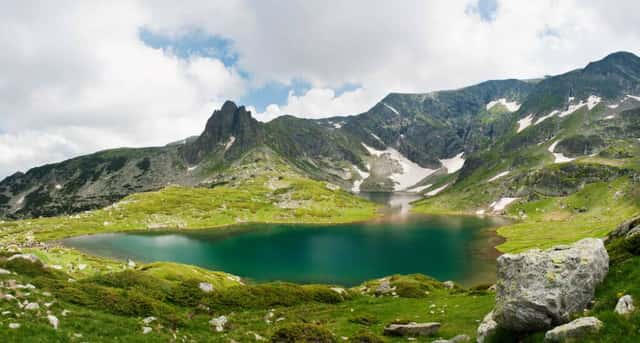

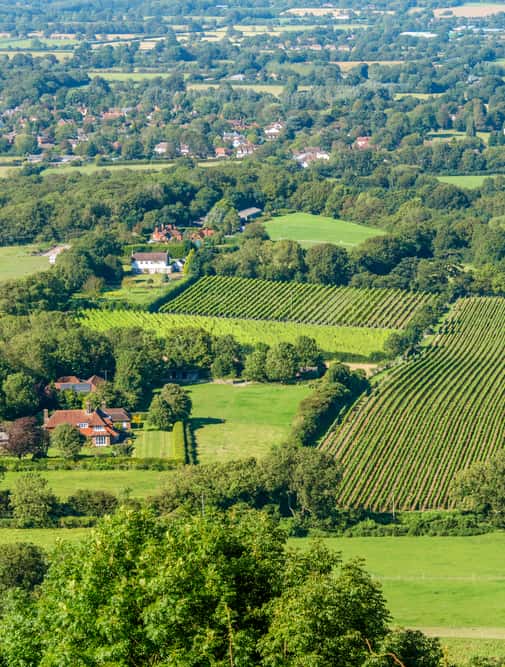






Plan your wine journey
Itineraries, primers and harvest reports — straight from our editors and hosts.


Price Range
Per person, before taxes
🌿 Organic
Languages
On this plateau, where Miguel de Cervantes placed his hero Don Quixote, Castilla-La Mancha wineries produce almost half of Spain’s wine. Castilla-La Mancha is the largest wine region in Spain, around the capital Madrid. For centuries Castilla-La Mancha wineries took advantage of the harsh land and the dry climate, cultivating grapes where vine diseases are practically unknown and the bush-shaped plants make life easy for the winemakers during pruning time. In the land of tradition and history Castilla-La Mancha wineries, the last 40 years, with the instrumental aid of Carlos Falcó Fernandez de Córdova, became the modern heroes by producing high-quality wines.
Frequently Asked Questions
FAQ
The best season to visit wineries in Castilla-La Mancha
Castilla-La Mancha has a continental Mediterranean climate. The temperatures can be extreme for not benefiting from the influence of the sea: it is very hot in summer, when the temperatures often exceed 30 °C, and very cold in winter when they are often below 0 °C. This being said, it is no surprise that it snows regularly in winter. Therefore, before you decide to visit the wineries in Castilla-La Mancha try to avoid winter and the hot days of summer. It is full of festivals from February to October.
What are the wineries in Castilla-La Mancha like?
Wineries in Castilla-La Mancha belong to passionate winemakers, mostly family-owned wineries, producing high-quality wines. Matching tradition to modern technology, with great respect towards sustainability and organic viticulture, wineries in Castilla-La Mancha offer wines of excellent price-quality ratio. Among other wineries in Castilla-La Mancha, you have the chance to visit a winery following the cosmic rhythms and lunar cycle and a winery consortium consisting of 28 smaller winemakers!
Most common grape varieties and styles of wines produced in Castilla-La Mancha
Winemakers in Castilla-La Mancha did not have a large selection of grape varieties cultivated in their vineyards. In fact, there was only one, Airen! Literally! It was the most durable white variety enduring long anhydrous summers and freezing winters. Over the years, wineries in Castilla-La Mancha have broadened their portfolios. Pardilla (Pardillo) and Viura (Macabeo) compose the puzzle of the native varieties along with Sauvignon Blanc and Chardonnay.
Language tips for visiting wineries in Castilla-La Mancha
If you visit wineries in Castilla-La Mancha, here are some language tips you might found useful:
| English | Spanish |
|---|---|
| WIne | Vino |
| Winery | Bodega |
| Vineyard | Viñedo |
| Wine tasting | Degustación de vino |
| Wine route | Ruta de vino |
| Cheers! | Salud! |
FAQ
These are the best wineries to visit in Castilla-La-Mancha:
- Vinicola De Tomelloso
- Dehesa De Luna
- Hacienda Albae
- Pago Del Vicario
These wineries in Castilla-La-Mancha have restaurants:
- Vinicola De Tomelloso
- Dehesa De Luna
- Hacienda Albae
- Pago Del Vicario
These wineries in Castilla-La-Mancha have accommodation:
- Hacienda Albae
- Pago Del Vicario
- Pagos De Familia Vega Tolosa
- Bodega Iniesta
Most of the wineries in Castilla-La-Mancha are located in the wine regions in the countryside. The best way to prepare a visit to a winery in Castilla-La-Mancha is to book your visit in advance on our website.
The best wineries to visit during your holiday or vacation to Castilla-La-Mancha are:
- Hacienda Albae
- Pago Del Vicario
- Bodega Iniesta
- Pagos De Familia Vega Tolosa
These wineries in Castilla-La-Mancha have cellar door sales:
- Vinicola De Tomelloso
- Dehesa De Luna
- Hacienda Albae
- Pago Del Vicario
These wineries in Castilla-La-Mancha are open to the public with booking in advance:
This is our selection of small & boutique wineries in Castilla-La-Mancha that you can visit:
These are the best family wineries in Castilla-La-Mancha that you can visit:
Use our interactive Castilla-La-Mancha winery map to browse wineries near Toledo, Albacete and Tomelloso.
Established in a vast region, Castilla-La Mancha wineries offer almost all kinds of conveniences for the visitors to have memorable times. When visiting wineries in the region, the wine enthusiast will reach places with authentic furniture as well as authentic wine tastings in astonishing cellars. Lots of wineries offer luxurious stays at the hotels and the opportunity for fine dining in the restaurants, all located in the estates! Amenities for physically challenged persons, areas where the younger members of a family can amuse themselves, and the personnel of the wineries show great love and affection to companion animals. Shops in the Castilla-La Mancha wineries give you the chance to buy winery products or order a shipment.
The largest winery in Castilla-La Mancha, a renowned wine region in Spain, is Bodegas Félix Solís. Established in 1952, Bodegas Félix Solís has grown to become one of the largest wine producers in the country
Castilla-La Mancha wineries in Spain stand out for their vast vineyard extent, historical significance, and focus on indigenous grape varieties. With a commitment to sustainability and organic practices, they offer a diverse range of high-quality wines.
There are over 600 wineries in the Castilla-La Mancha region, these wineries vary in size, from small family-owned operations to larger commercial estates.