
Your Chardonnay Guide to Styles and Regions
Chardonnay changes its character with surprising ease. This quality comes from the way the grape responds to the choices made during winemaking, because different methods create very different results. The place where it grows adds its own impact, as temperature and sunlight guide the acidity and overall expression. When these natural conditions meet the decisions inside the cellar, the result is a broad range of possible styles.
You can see this contrast clearly when looking at two well-known regions. Chablis offers a lean and mineral expression with bright tension, while California shows a fuller and more generous profile with a creamy texture. Such a wide spectrum makes this variety especially engaging to explore. Our Chardonnay Guide looks at the reasons behind that flexibility and how they appear across various regions.
What Makes Chardonnay So Versatile:
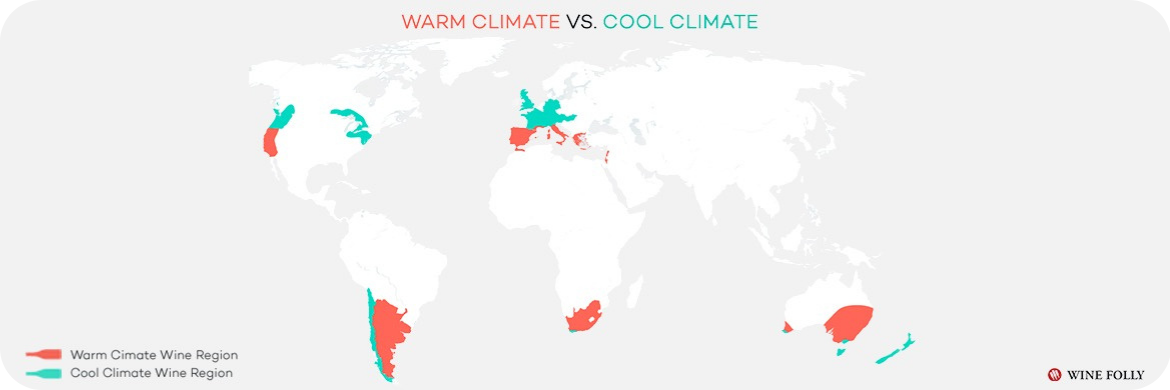
Climate sets the foundation for every Chardonnay. Cooler regions create bright, crisp wines with citrus and green-fruit notes. Warmer areas offer riper flavors, a fuller body and a naturally rounder style.
Chardonnay has a gentle and neutral taste, so the winemaker has a strong influence on its final character. One of the first choices is the vessel, where the juice ferments and starts to take shape. Stainless steel tanks protect it from oxygen and keep the flavors clean and fresh. Oak barrels let a small amount of oxygen pass through the wood, which adds warmth and depth as the wine develops. New oak brings aromatic notes like vanilla, toast or spice, whereas old oak acts almost like a neutral vessel, similar to stainless steel in flavor impact, but still allows the wine to evolve slowly. Because of this, a Chardonnay aged in old oak is often stylistically close to an unoaked one, which is why the contrast between oaked vs unoaked Chardonnay is so noticeable in the final glass.
Further, a winemaker can guide the style using specific techniques. One example is malolactic fermentation, which turns sharp malic acid into softer lactic acid and gives a smooth feel on the palate. Another is sur lie aging, which keeps the wine in contact with its yeast sediment and adds a creamy note.
The term sur lie comes from French and simply means “on the lees.”
Chardonnay wine regions span nearly every corner of the winemaking world, and each place gives the grape a distinct personality. From cool coastlines to warm valleys, these settings shape the many types of Chardonnay you’ll meet in the glass. The map below highlights the key stops on this journey. Now let’s explore these places one by one and see how their climates and traditions turn the same grape into completely different expressions.

Chablis – The Purest, Leanest Expression
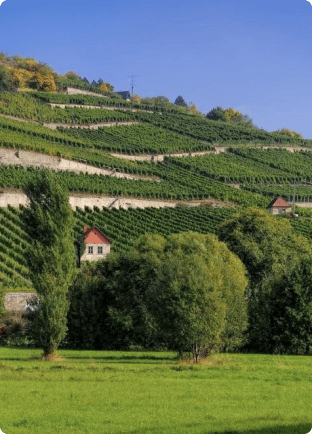
Chablis sits in the northernmost part of Burgundy and grows Chardonnay in one of the coolest climates for this grape. Most vineyards stand on Kimmeridgian limestone – a pale, fossil-rich soil formed from the seabed that covered the area millions of years ago. These soils are relatively cool and drain quickly, helping preserve the grape’s acidity. The taste of Chablis is easy to recognize. The acidity is high and the flavors lean toward citrus, green apple and stone fruit. There is a clear mineral line that often feels almost salty on the finish. Oak is used very sparingly, so the wine keeps its clean shape.
The region has a four-level classification based on where the vines grow. It reflect the varying exposure, soil depth and slope of the vineyards.
- Petit Chablis usually comes from slightly higher or windier sites and tastes the lightest.
- Chablis is the main level and shows the classic expression most people associate with the region.
- Premier Cru vineyards offer more depth and a longer finish.
- Grand Cru sits on the best slopes and gives the fullest and most layered expression.
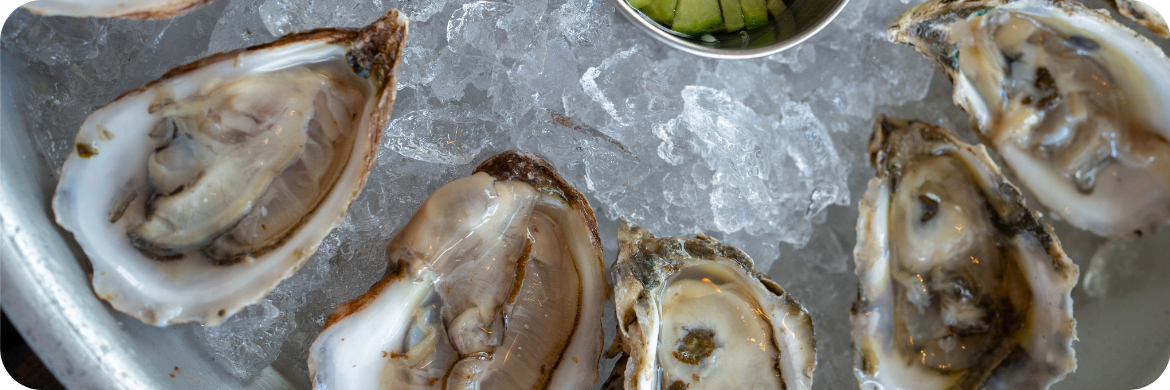
This wine works well with simple, clean dishes. Oysters are a classic match, their salty taste lining up naturally with the wine’s sea-shaped character. Light fish, fresh goat cheese and delicate vegetable dishes taste brighter beside Chablis, as the wine lifts their flavors instead of covering them. Creamy sauces work too, adding a calm, velvety touch to the plate.
Chablis Chardonnay remains a benchmark because it shows what the grape can taste like when nothing gets in the way. It shows this variety in its clearest form: with no heavy oak or ripe notes to distract. It becomes the reference point for understanding every other expression of Chardonnay.
Burgundy Beyond Chablis – Elegance & Precision
Burgundy Chardonnay changes its tone once you move south from Chablis. Côte de Beaune is a well-established Chardonnay area in Burgundy where the climate feels warmer, so the grape ripens more evenly and develops a slightly fuller feel. Meursault, Puligny-Montrachet and Chassagne-Montrachet are the main Chardonnay villages in this area.
- Meursault is known for a rounder mouthfeel with gentle nutty and creamy hints, followed by a small baked-apple touch.
- Puligny-Montrachet is the most delicate of the three, with a clear mineral line and a light lemon zest touch.
- Chassagne-Montrachet sits in the middle, offering both warmth and freshness, with soft floral and ripe citrus accents.
These styles come from winemaking that leans toward a gentle touch rather than bold shaping. Oak barrels are common, but they’re used with a light hand, adding a bit of roundness without pushing strong oak flavors into the wine. Lees work is also part of the approach here. As the wine rests on its yeast sediment, the texture becomes smoother and the depth grows in a slow, steady way. The structure stays balanced, with enough acidity to keep the wine lively. Even the fuller styles from Meursault stay balanced without feeling heavy, and the leaner examples from Puligny keep their clarity rather than fading into anything blurry.
Food pairings come naturally. Puligny-Montrachet suits lighter dishes with clean flavors, like seared scallops, white fish or simple vegetable plates. Meursault handles slightly richer plates, such as roast chicken, mild creamy pasta or sautéed mushrooms. Chassagne-Montrachet fits comfortably between the two.
Wineries Worth Exploring in Burgundy
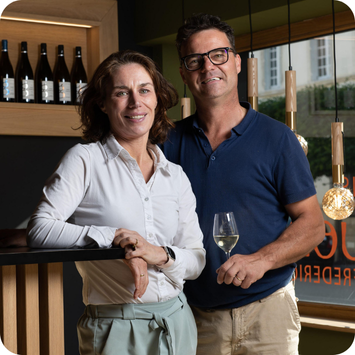
Domaine Céline & Frédéric Gueguen: Located in the heart of Chablis, this organic, family-run estate renowned for its sustainable approach and bright, contemporary style.
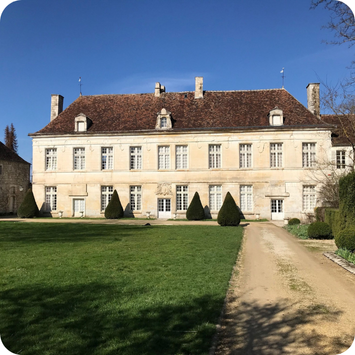
Domaine Du Chateau De Viviers: Rooted in a 12th-century estate near Chablis, this château combines centuries-old heritage with elegant, organically farmed Chardonnay.
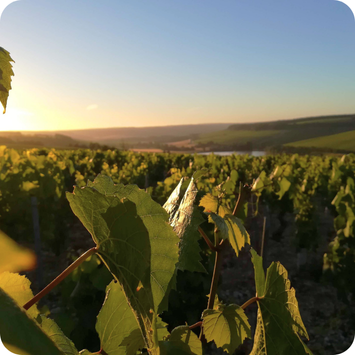
Domaine Mosnier: Based in Chablis in northern Burgundy, the estate produces pure, terroir-focused Chardonnay and is certified for its high environmental standards (HVE).
Discover more wineries in Burgundy
California – From Buttery Classics to Modern Cool-Climate Freshness
California covers a wide range of styles. Some wines take the fuller style that made the region famous decades ago. Others follow a fresher and more restrained direction shaped by coastal vineyards. Winemakers also work with both new and older oak barrels, and each type influences the flavor and texture in its own way. Napa Valley and Sonoma show this contrast clearly, each offering its own version.
Napa Valley
Napa Valley lies in a warm inland pocket of northern California, where steady sunshine shapes Chardonnay into a richer style. The warmer climate brings riper fruit, so the flavors lean toward yellow apple, ripe peach and soft tropical hints. Many producers choose full malolactic fermentation and new oak, which creates the viscous feel along with notes of vanilla, sweet spice and a toasty hint. Napa is one of the most recognizable fuller styles of Chardonnay, known worldwide for its generous texture and buttery character.
Sonoma / Carneros
Chardonnay from the Sonoma Coast and Carneros creates a contrast. This is a true coastal zone, where fog, wind and cooler temperatures slow ripening and keep the acidity higher, so the wines feel brighter. Citrus and light stone-fruit notes take the lead here, and the body is softer than in Napa. Winemakers often use older barrels or stainless steel to keep the profile clear, letting the bright character stay at the front.
Wineries Worth Exploring in California
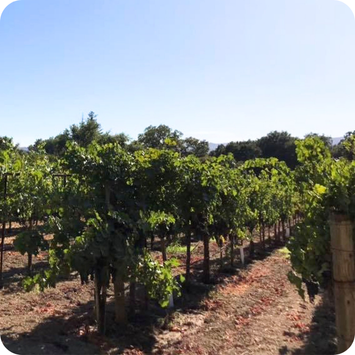
Avinodos Winery: A small-batch Napa winery crafting limited-edition wines with a hands-on, boutique approach.
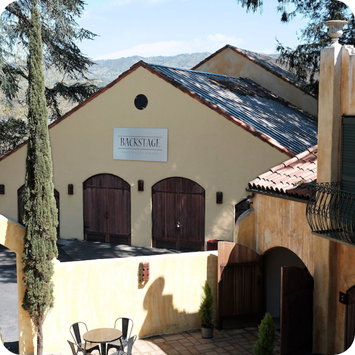
Backstage Winery: Set just outside Napa, this intimate estate produces handcrafted single-vineyard wines with an easy, Tuscan-villa charm.
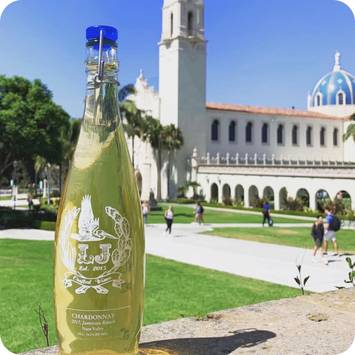
LJ Crafted Wines: Based in La Jolla, the winery crafts its wines from Napa and Sonoma grapes and is known for its distinctive barrel-to-glass tastings.
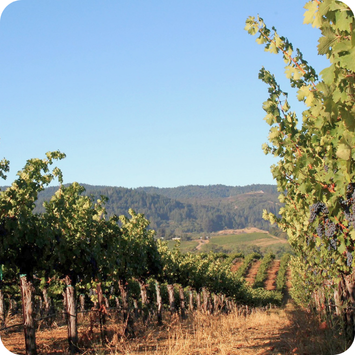
Meadowcroft Wines: Located in Sonoma, the winery produces handcrafted wines that blend European heritage with bold Californian character.
Discover more wineries in California
Australia – From Big & Bold to Refined & Coastal
Australian Chardonnay has evolved noticeably over time. The country once leaned toward a fuller and richer approach, but over the years many producers shifted to fresher and more restrained expressions. Warm inland regions and cooler coastal areas now exist side by side, giving Australia a broad range of Chardonnay styles.
Old-school Australia
The classic old-school Australian style is full and bold. Many of these inland vineyards lie far from the coast, in open landscapes where sunlight dominates the season. Warm, sunny regions like Hunter Valley ripen the grapes quickly, so the flavors move toward ripe peach, pineapple and soft mango notes. New oak was often used with a heavier hand, giving the wines strong toasted, vanilla and sweet-spice notes. This big, confident style is the one that made Australian Chardonnay famous in the 1990s.
Modern Australia
Modern Australian Chardonnay takes a very different direction. Coastal regions like Margaret River and Yarra Valley have cooler breezes, more cloud cover and slower ripening, so the wines keep higher acidity and a cleaner shape. Citrus, light stone fruit and gentle herbal touches appear more often, and the texture stays light. Older barrels and partial malolactic fermentation build a more elegant, balanced style.
Wineries Worth Exploring in Australia
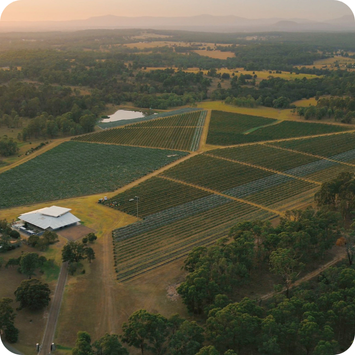
De Iuliis Wines: Located in Hunter Valley, the winery produces expressive, small-lot wines defined by low-yield intensity and a clean character.
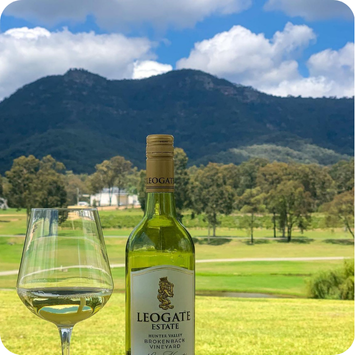
Leogate Estate Wines: At the foot of the Brokenback Range in Hunter Valley, the winery is known for high-altitude vineyards and refined estate wines.
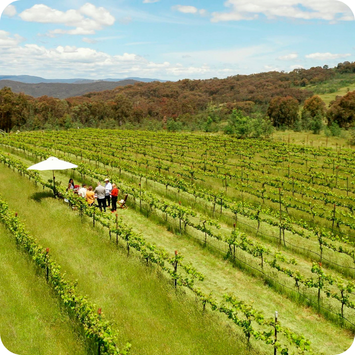
Flyfaire Wines: Located in Woomargama National Park, the winery produces sustainable, small-batch wines with pure cool-climate fruit.
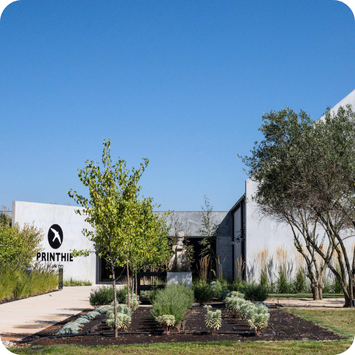
Printhie Wines: From the cool, high-elevation Orange region, the estate crafts elegant Chardonnay and award-winning sparkling wines.
Discover more wineries in Australia
South Africa – Bright, Textured and Underrated
South African Chardonnay doesn’t receive as much attention as it deserves, mostly because the country is still better known for its reds. Yet the style has a quiet appeal of its own and has been gaining more global attention in recent years. Stellenbosch and Walker Bay are two key areas, each offering a distinct expression.
Stellenbosch
Stellenbosch has a warm and dry climate with plenty of sunshine, so the fruit develops a generous shape with notes of ripe citrus, yellow apple and soft stone fruit. At the same time, Chardonnay naturally keeps enough acidity to stay lively, so the profile here feels smooth but not heavy. It lands somewhere between the fullness you find in Napa and the cleaner, cooler style of Burgundy, bringing both freshness and weight into the same glass.
Walker Bay
Walker Bay is one of the coolest areas for winemaking in South Africa. It sits right by the ocean on the south coast of the Cape, where cool air, steady breezes and morning fog slow ripening. This keeps the acidity high, and the flavors focus on lemon, green apple and light pear. A faint flinty note sometimes appears, shaped by the cooler season and the ocean air. The texture stays firm, giving a style that feels closer to Chablis or modern Sonoma Coast in its clarity, but still unmistakably South African.
Wineries Worth Exploring in South Africa
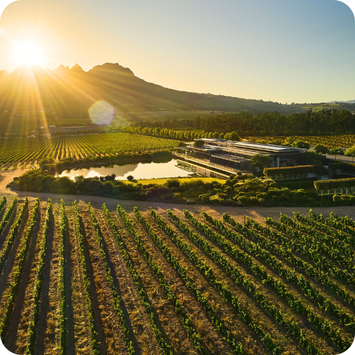
Cavalli Estate: Set in the Helderberg region near Stellenbosch, this contemporary estate is known for its sustainable design and refined South African wines.
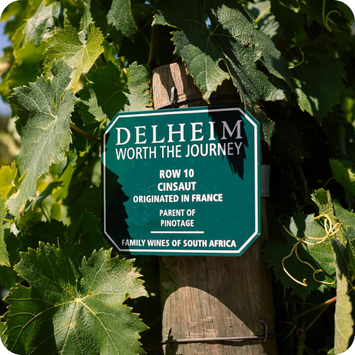
Delheim Winery: Set on the Simonsberg slopes near Stellenbosch, this family estate is known for its organic farming and expressive, biodiversity-driven wines.
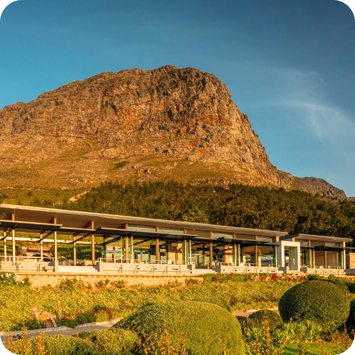
Haute Cabrière Winery: Located in the Franschhoek Valley, the estate crafts elegant Chardonnay and Pinot Noir, drawing on the region’s deep French heritage.
Discover more wineries in South Africa
Food Pairing Guide
Pairing Chardonnay with food becomes much easier once you pay attention to just a few clues. Start with texture: lighter wines feel good beside lighter dishes, and rounder, fuller styles welcome richer food. Then check the acidity: if the wine tastes zesty, it will lift anything that needs freshness. If it feels smoother, it pairs nicely with dishes that have creaminess. And finally, notice the oak: no oak keeps things crisp, gentle oak adds warmth, and bolder oak calls for dishes with enough flavor to meet it halfway.
With these simple pointers, you can match any Chardonnay to the right plate. Here’s how it plays out in practice:
- Fresh, unoaked style (Chablis, Sonoma Coast / Carneros, modern Australia, South African Walker Bay)
→ chilled oysters and prawns, ceviche with lime, goat cheese, zesty seafood salad
These wines taste their best beside food that’s crisp, cool or citrusy. Their bright acidity sharpens the flavors of seafood and keeps every bite feeling lively. Even simple dishes taste more vivid, almost as if a touch of lemon has been added.
- Burgundy-style (Meursault, Puligny-Montrachet, Chassagne-Montrachet)
→ roast chicken, creamy pasta, sautéed mushrooms, silky risotto, delicate white fish
The gentle texture of these wines fits naturally with warm, comforting dishes. Creamy sauces feel smoother, roast chicken tastes juicier, and mushrooms pick up a soft, earthy glow. The wine simply ties all the flavors together.
- Buttery-style (classic Napa Valley and old-school Australia)
→ grilled lobster, caramelized scallops, rich butter sauces, baked halibut
Here the wine matches richness with richness. Grilled seafood with its soft sweetness and toasty notes echoes the wine’s roundness and creates a smooth, satisfying match. Every bite becomes comfy and pleasant, and the pairing feels almost indulgent in the best possible way.
- Sparkling Chardonnay (Blanc de Blancs)
→ fresh sushi, crispy fries, crunchy salty snacks, light tempura, cool oysters
Bubbles refresh the palate instantly, so anything salty, crunchy or lightly fried feels brighter. Sushi tastes cleaner, fries taste lighter, and tempura feels almost weightless. It’s the kind of pairing that keeps you reaching for the next bite without thinking.
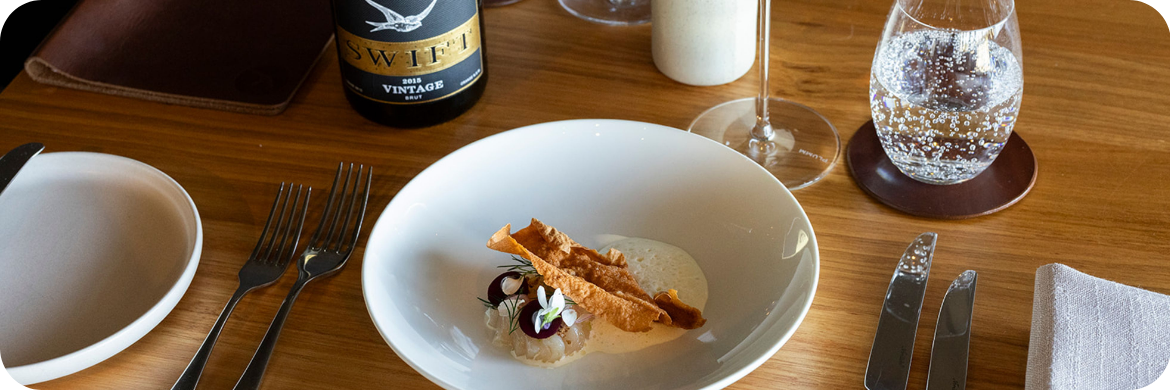
How to Choose a Chardonnay You’ll Love
- Identify what you enjoy. If you love crisp, refreshing whites, choose cool-climate or unoaked Chardonnay. If you prefer something rounder and softer, look for warm-climate bottles or wines aged in oak.
- Check the alcohol level. Lower alcohol (around 12–13%) usually means brighter, lighter styles; higher alcohol (13.5%+) often points to riper, fuller wines.
- Notice the region to predict the style. Cool areas like Chablis, Sonoma Coast or Walker Bay signal fresh, lean profiles. Warmer places like Napa Valley or old-school Australian Hunter Valley tend to taste fuller and richer.
- Read the label carefully. Words such as oak-aged, barrel-fermented, unoaked, lightly oaked or sur lie give a quick snapshot of the style before you even open the bottle.
Chardonnay has more personalities than almost any other white wine, and that’s what makes it so rewarding to explore. Use this guide as a compass rather than a rulebook, follow the flavors that speak to you, and let curiosity lead the way. With a grape as adaptable as Chardonnay, there is always another bottle and another discovery waiting for you.
FAQ
What makes Chardonnay taste so different from one region to another?
How does climate influence the style of Chardonnay?
Cool climates → high acidity, lean body, flavors of lemon, green apple, wet stone.
Warm climates → lower acidity, fuller body, flavors of peach, pineapple and ripe melon.
Because Chardonnay is a neutral variety, it reflects temperature very clearly, so even small climate differences can noticeably change the taste.
What’s the difference between oaked and unoaked Chardonnay?
Unoaked Chardonnay is aged in stainless steel, so it keeps a clean, crisp, fruit-forward profile with no spice or butteriness.
The contrast between the two can be dramatic: from sleek and mineral to rich and buttery. Which is why it’s one of the most important distinctions in Chardonnay.
Why do winemaking techniques matter so much for Chardonnay?
Oak aging adds warmth, spice, and texture.
Malolactic fermentation softens acidity and creates buttery notes.
Sur lie aging adds creaminess and a subtle brioche-like richness.
Winemakers can combine these steps in different ways, which is why Chardonnay can feel so different, even within the same region.