
Discovering Riesling: Aromas, Flavors, and Destinations
Few grape varieties capture both elegance and expression like Riesling. Unlike many white wines that rely on richness or oak, Riesling speaks with purity — a voice shaped by its land, its air, and its patience. One sip might shimmer with lime and green apple, another one softly with honey and stone. A shift in soil, a cooler slope, or a later harvest can transform its character entirely. That sensitivity is what makes Riesling so captivating: it listens deeply to where it grows and tells that story faithfully.
This relationship between wine and place — between Riesling and its terroir — is at the heart of its beauty. The grape mirrors its surroundings like few others can, revealing the minerality of slate, the warmth of sunlit valleys, or the crisp breath of mountain air. Each bottle is both geography and time, captured in liquid form.
For wine travelers, exploring Riesling regions is more than a tasting experience — it’s a journey through landscapes shaped by centuries of viticulture, local culture, and terroir. Each destination reveals a new side of this versatile grape, inviting visitors to sip, learn, and immerse themselves in the world of Riesling wine.
Everything You Need to Know About Riesling Wine
For winemakers, Riesling is both a test of skill and a celebration of nature’s nuance.
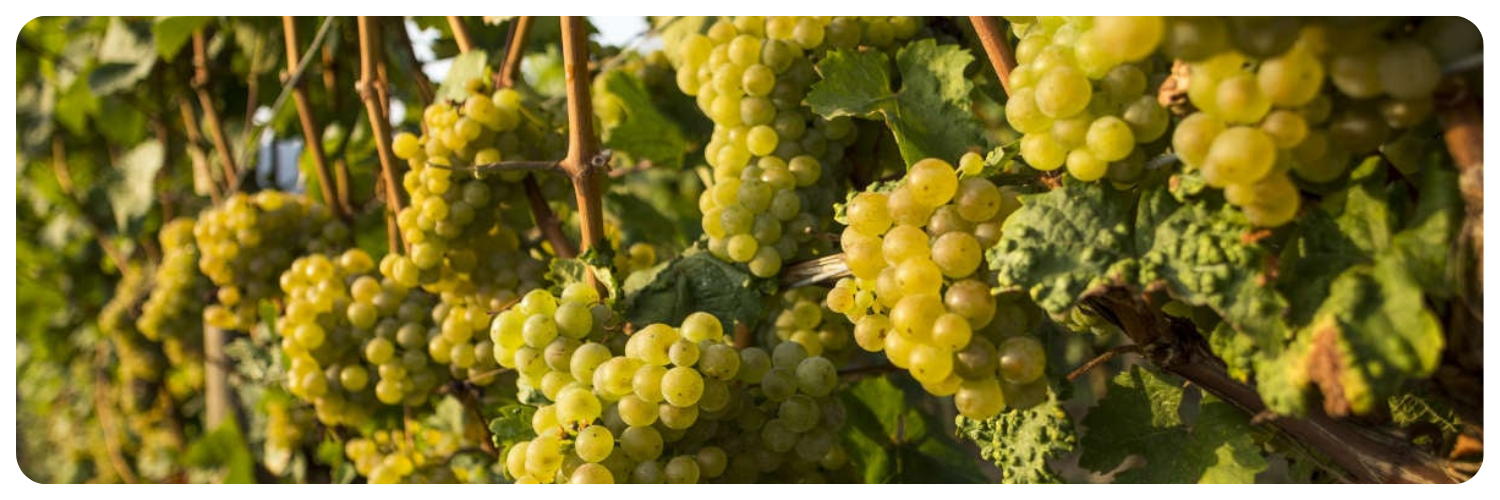
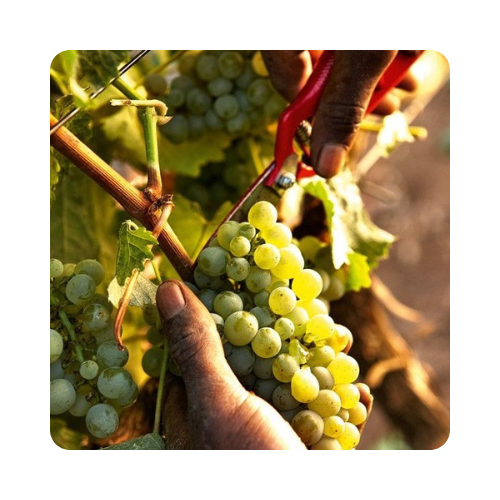
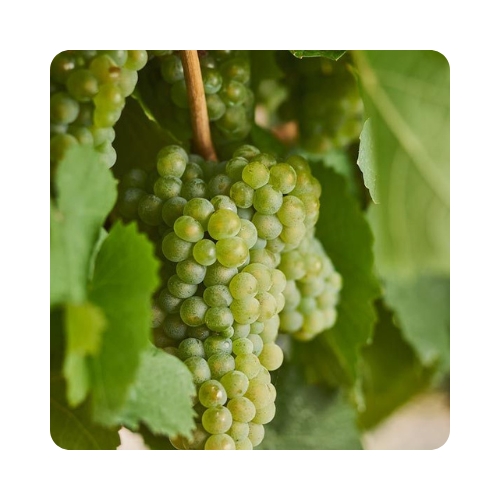
The Riesling grape is famously thin-skinned and tightly clustered — sensitive to every change in temperature, every morning fog, every breath of wind. It buds early, risking frost in spring, and ripens late, relying on cool nights to preserve its vibrant acidity. Its adaptability is its secret power: it can thrive on steep slate hillsides or gentle limestone slopes, producing wines that range from bone-dry to luxuriously sweet.
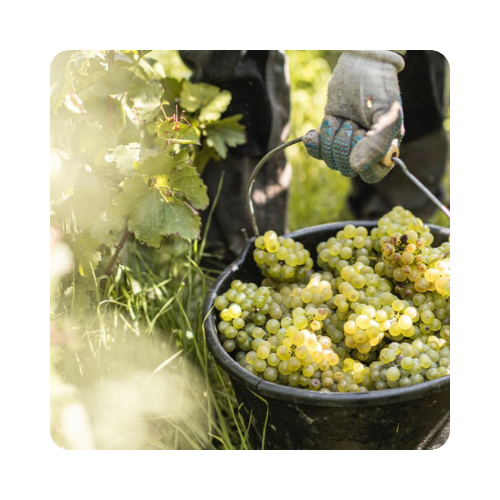
Because of this, no two Rieslings are ever quite the same. Each reflects not only the soil beneath its roots but also the choices of the hands that guide it — when to harvest, how long to ferment, whether to chase freshness or richness. That conversation between grape, grower, and ground is what gives Riesling wine its incredible diversity and its unmistakable soul.
Riesling Wine: Dry or Sweet?
One of the most common questions wine lovers ask is: “Is Riesling dry or sweet?” The answer is both — and everything in between.
The sweetness of Riesling wine depends on a combination of factors, including climate, harvest timing, and winemaking style. In Germany, sweetness levels range from Trocken (dry) to Kabinett, Spätlese, and Auslese, each indicating progressively riper and sweeter fruit. Cool climates tend to produce fresher, lighter wines, while warmer regions yield richer, fruitier styles.
In Alsace and Australia’s Clare Valley, most Rieslings lean toward dry, showing crisp acidity and minerality. Meanwhile, regions like the Mosel produce world-renowned off-dry and sweet Rieslings, known for their balance of sugar and acidity.
Ultimately, Riesling wine is celebrated for its versatility — whether dry or sweet, it always delivers vibrant fruit, electric freshness, and a true taste of its origin.
Discover the Taste of Riesling: From Crisp to Sweet
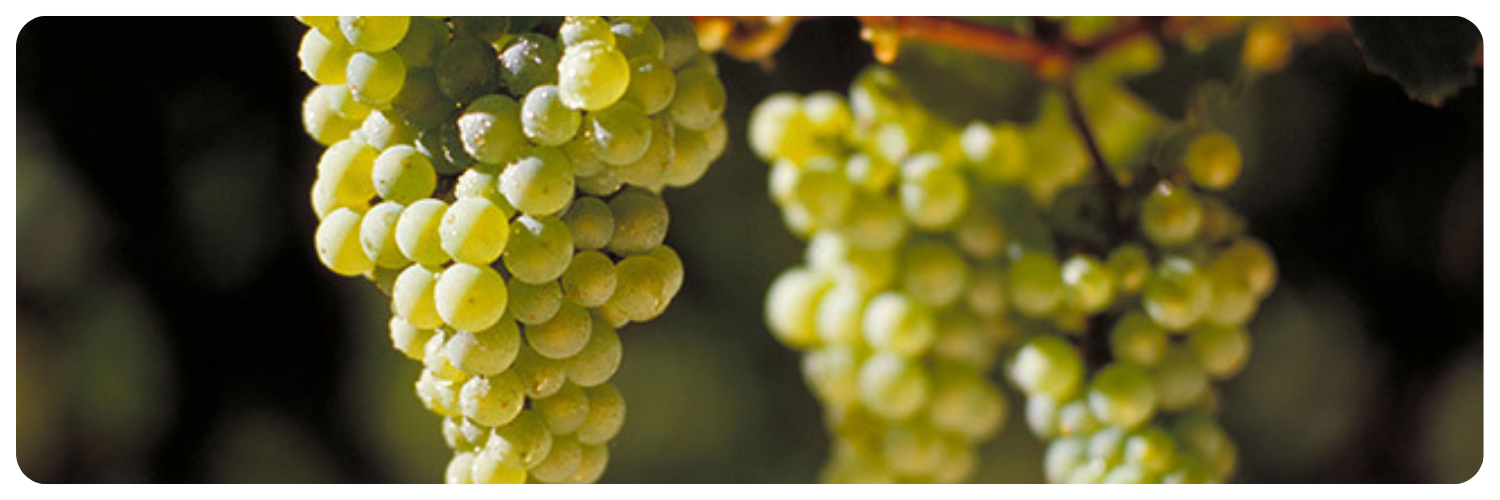
So, how does Riesling taste like? To taste Riesling wine is to experience clarity. It begins with bright citrus — lime, lemon, or mandarin — layered with orchard fruits like apple and pear. Depending on where it’s grown, you might sense hints of jasmine, stone fruit, or crushed slate. With age, the aromas deepen, revealing notes of honey, petrol, and spice that only time can create.
The texture is vibrant, carried by high acidity that makes the wine feel alive. In cool regions, Riesling dances with energy and freshness; in warmer climates, it softens, showing riper fruit and warmth. Sweetness levels vary — from crisp and dry to luscious and dessert-like — but what defines every Riesling is balance: a tension between fruit and acid, sweetness and minerality, sunlight and stone.
Each bottle is a reflection of its origin — Mosel’s slate elegance, Rheingau’s structure, Alsace’s richness, or Clare Valley’s citrus purity. Few grapes tell their story so clearly, or with such grace.
Exploring Riesling: Must-Visit Wine Regions
Across the world, Riesling tells many stories — some whispered through misty river valleys, others sung under the southern sun. Each region shapes the grape differently, showing its adaptability and depth. From Germany’s ancient vineyards to France’s sunlit slopes and Australia’s windswept hills, these are the places where Riesling truly finds its voice.
Germany: The Heart of Riesling — Mosel and Rheingau
Mosel: Where Nature and Terroir Define Riesling
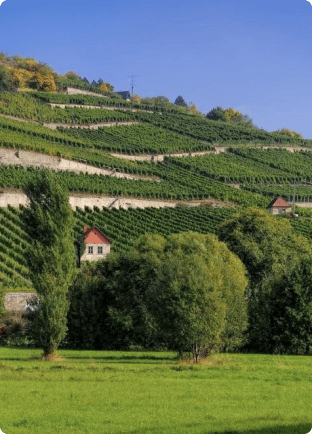
In the Mosel Valley, vines cling to impossibly steep hillsides that rise above the river like green ribbons of history. The slate soil holds the day’s warmth and releases it gently through the cool nights, coaxing the Riesling grape to perfect ripeness.
The wines here are delicate, light as silk, and often touched by a whisper of sweetness that balances their striking acidity. Every sip carries the memory of slate and river mist — floral, citrusy, and endlessly fresh.
The best time to visit is late spring through early autumn, when the valley glows with life and wineries open their terraces to the sun.
Wineries to Discover in Mosel
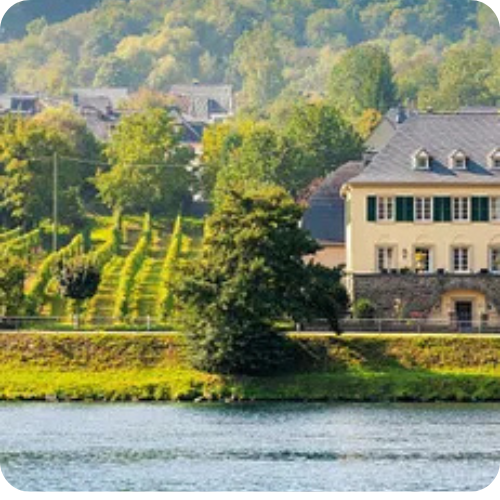
VDP-Weingut S.A.Prüm-Perched on the steep slate slopes of Germany’s Mosel Valley, S.A. Prüm crafts Rieslings that define elegance and terroir. Each bottle reflects the region’s cool climate and mineral-rich soils — vibrant acidity, notes of peach, citrus, and honey, and a crystalline purity that only old-vine Mosel fruit can deliver.
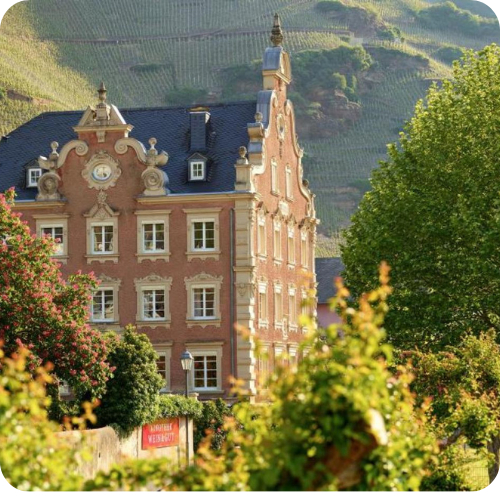
Weingut Mönchhof, in the heart of the Mosel Valley, crafts Rieslings from some of the region’s steepest, slate-rich vineyards. From crisp Kabinett to luscious Auslese, their wines showcase vibrant acidity, minerality, and stone-fruit elegance—true expressions of Mosel terroir.
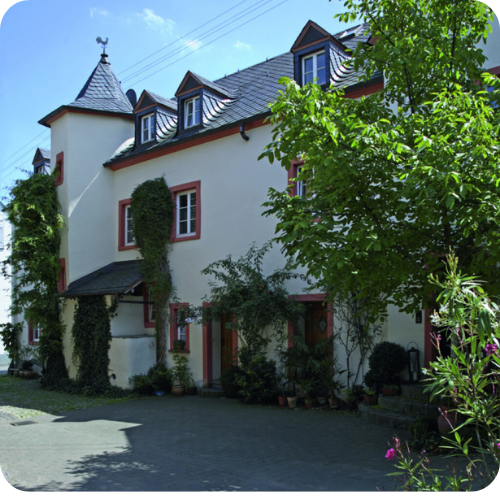
Weingut Heinz Schneider, in Leiwen’s steep Mosel terraces, crafts Rieslings with crisp acidity, stony minerality, and elegant fruit—true expressions of Mosel terroir.
Rheingau — The Noble Face of Riesling
A short drive west brings you to the Rheingau, where the Rhine River widens and the sun lingers a little longer. Here, Riesling takes on a deeper, more structured personality — fuller on the palate, yet still carrying that vivid acidity that defines the grape.
The south-facing slopes and limestone-rich soils create wines that age gracefully, revealing layers of peach, apricot, and gentle spice over time. Rheingau Rieslings feel confident — elegant yet powerful, like a melody played on a stronger note.
The best time to visit is from May to October, when the vineyards shimmer under long golden days and the region’s wine festivals fill the air with celebration.
Wineries to Discover in Rheingau
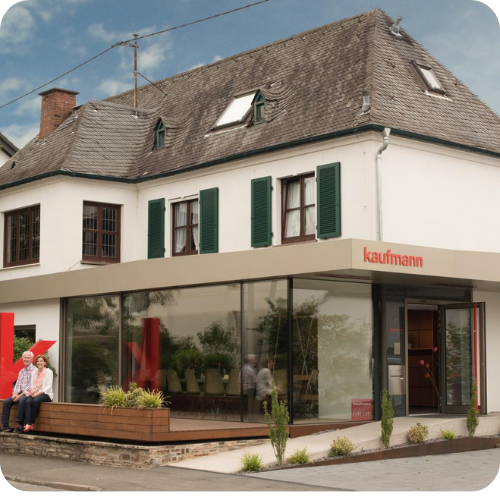
Weingut Kaufmann-Nestled in the Rheingau wine region, this biodynamic estate focuses on expressive Riesling (and select Pinot Noir) from premium parcels — clean, minerally, and driven by nature.
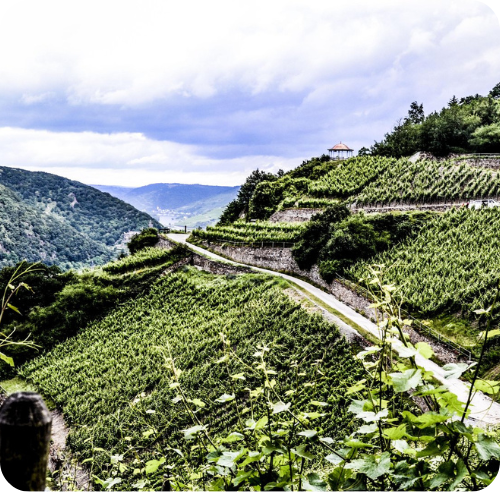
Weingut Robert König- family‑run estate in the Rheingau focuses on bold, finely crafted Pinot Noir (Spätburgunder) grown on steep, historic slopes—elegant, expressive and full of character.
Weingut Dr. Nägler-Located on the steep, south‑facing slopes of the Rüdesheimer Berg in the Rheingau, this family estate devotes 90% of its vineyards to Riesling, producing wines of pure elegance, crisp acidity and mineral depth.
Clare Valley’s Riesling Heritage: Purity, Climate, and Craftsmanship
Half a world away, in South Australia’s Clare Valley, Riesling takes on a new identity — bold yet beautifully balanced. The sun blazes by day, but the nights are cool, preserving the grape’s natural acidity and freshness. The result is a Riesling wine that’s dry, crisp, and alive with flavors of lime, lemon, and spring herbs.
Here, the aroma is electric — citrus and blossoms leap from the glass, followed by a mineral streak that makes each sip feel clean and precise. These wines age gracefully too, developing subtle honey and toast notes without losing their brightness.
The best time to visit is between October and April, when the vineyards glow gold under blue skies and cellar doors welcome travelers with easy warmth.
Wineries to Discover in Clare Valley, Australia
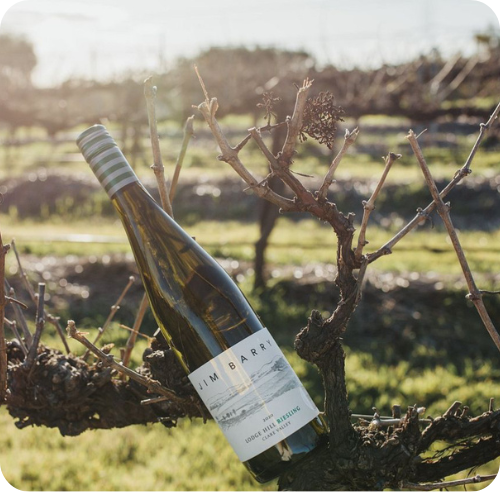
Jim Barry Wines-Founded in 1959 and still family‑run in Australia’s Clare Valley, Jim Barry Wines grows estate fruit across 17 vineyards and crafts standout whites like their Florita Riesling alongside bold reds.
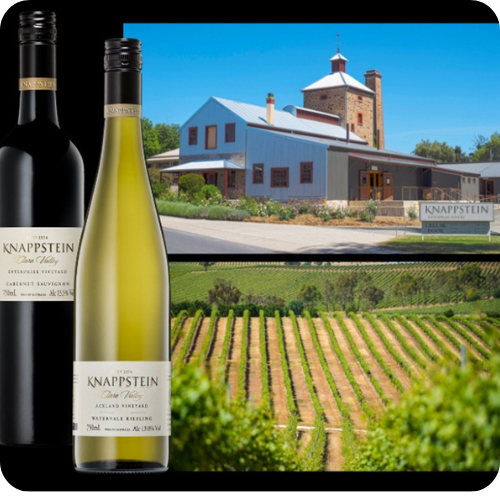
Knappstein Wines-Founded in 1974 in the historic “Enterprise Brewery” building, this Clare Valley estate celebrates site‑specific Rieslings, Shiraz and Cabernet with a “distinguished vineyards” philosophy: fruit‑driven, regionally expressive and reliably premium.
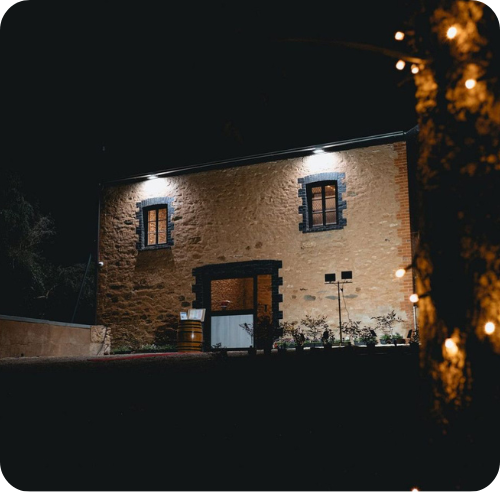
Koonowla Wines- in the heart of Australia’s Clare Valley, this historic estate (est. 1896) features beautifully restored stone buildings and vineyards producing expressive Riesling, Shiraz and Cabernet — characterful wines in a timeless setting.
Discover wineries in Clare Valley
Alsace, France — A Legacy of Light, Balance, and Craft
Cross the Rhine into Alsace, and Riesling changes its accent. Here, on the eastern slopes of the Vosges Mountains, vineyards bask in one of France’s driest, sunniest climates. The soils — a mosaic of granite, limestone, and clay — give each wine its own voice.
Alsace Rieslings are typically dry, pure, and aromatic. They speak in notes of lemon zest, white flowers, and stone fruit, carried by a precise, mineral backbone. Over time, they gain richness and depth, yet always remain luminous and clear.
Beyond the vineyards, Alsace feels like a fairy-tale — half-timbered villages, flower-filled balconies, and winding cobbled streets. Late spring and early autumn are ideal for wandering through its Route des Vins d’Alsace, where every turn leads to another tasting and another story.
Wineries to Discover in Alsace, France
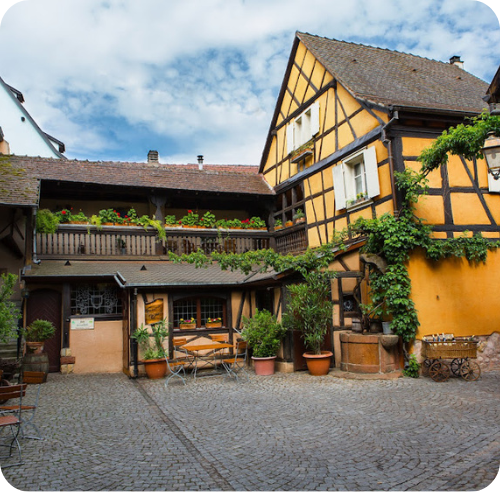
Francois Baur- In the heart of Alsace (Turckheim) and family‑run since 1741, Francois Baur crafts biodynamic wines from granite‑rich slopes — think expressive Riesling, Pinot Blanc, Gewürztraminer & the iconic Pinot Noir “Sang du Dragon”.
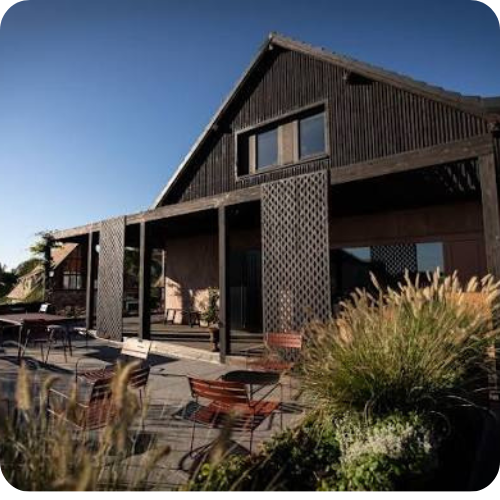
Maison Jean Huttard-Family‑run since 1860 in the heart of Alsace, this organic estate crafts wines from 45 little plots across varied soils—expect finesse, mineral clarity and terroir‑driven personality.Their Riesling is grown on clay‑limestone soils around Zellenberg in Alsace, crafted with organic practices and minimal intervention.
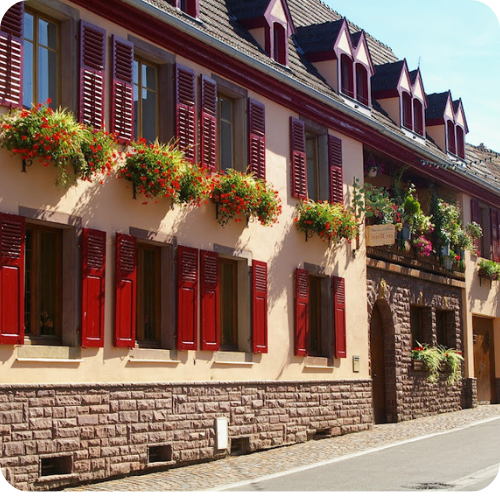
Domaine Aimé Stentz, in Alsace’s Wettolsheim, crafts organic Rieslings with bright citrus, stone‑fruit aromas, crisp acidity, and a mineral-driven elegance.
To follow Riesling is to follow the language of place — the echo of river stones, the whisper of wind between vines, the sunlight captured in every grape. From Germany’s cool valleys to France’s sunlit hillsides and Australia’s open skies, this grape translates nature into poetry. Every glass is an invitation to slow down, to listen, and to taste the world through its purest, most honest voice.