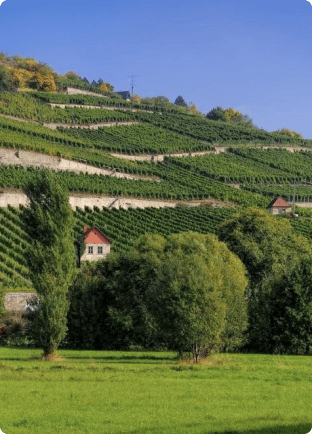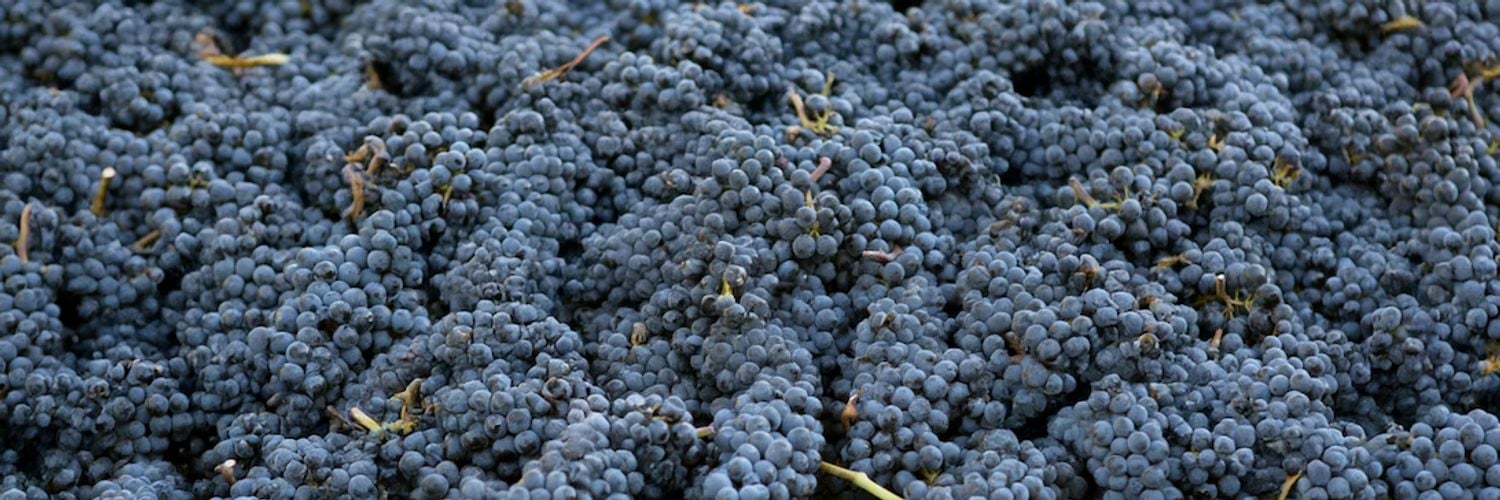

There’s a quiet mystery behind every glass of Pinot Noir. Its charm lies in elegance rather than power. Every sip seems to carry the memory of where it was born. A slight change in soil, a cooler breeze, a few days of extra sun, and the wine turns its character from bright and floral to deep and earthy. This is what winemakers call terroir: the unique combination of land, climate, and human touch that shapes a wine’s character. This connection between terroir and wine makes Pinot Noir so endlessly fascinating. It reflects the place it grows with honesty, and sometimes with fragility.
Terroir comes from the French word terre, meaning “land” or “earth”.
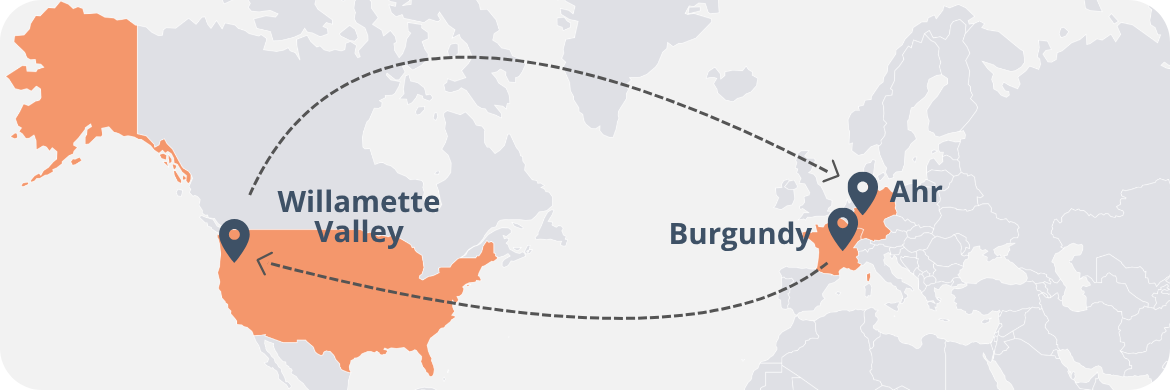
Let’s travel through some of the best Pinot Noir regions, where the grape shows different sides of its character – the limestone hills of Burgundy in France, the misty valleys of Oregon’s Willamette, and the slate slopes of Germany’s Ahr. Each of them carries its own narrative about this remarkable grape.
What Makes Pinot Noir So Special
For winemakers, Pinot Noir is both a challenge and a reward.
This variety is unusually sensitive because of the way its vines and berries are built. Its thin skin and tightly packed clusters make it sensitive to every shift in weather. After a dry spell, even gentle rain can make the berries swell and split, letting mold spread fast and putting the whole harvest at risk. At other times, the vine wakes early in spring, pushing out tender buds while frost may still linger in the air, and one cold night can burn them, erasing months of care. Even the soil must be just right: too heavy and wet – and the roots suffocate; too light and dry – and the vine struggles to survive. Growing Pinot Noir demands constant attention. Perhaps that is why this grape is so treasured: every healthy cluster is a small triumph over nature’s unpredictability.
Learn more about the nature of Pinot Noir here.
Flavour Profile of Pinot Noir
Pinot Noir is known for the subtle beauty of its aromas. With the first swirl, it reveals red berries like cherry, raspberry, and cranberry, often joined by floral notes of violets or rose petals. With air or age, earthiness appears, from forest floor to mushroom, along with gentle spice. The color is often lighter than other reds, the tannins are fine, and the texture feels like silk. Every sip balances lightness with depth.
Much of Pinot Noir’s allure lies in how faithfully it reflects its home, its terroir. In cooler regions, it tastes light and fresh, full of bright red fruit aromas. In warmer ones, the fruit becomes darker, and the flavors feel riper. The soil plays its part too: limestone keeps the natural acidity high, clay leads to a softer texture and fuller body, while volcanic and slate soils add a touch of minerality and spice. And then there are the people. In gentle hands, the grape keeps its grace; with a bolder approach, it gains flesh and warmth. Each element of terroir finds its quiet echo in the glass.
Exploring Three Iconic Terroirs
Now, let’s look closer at some of the most iconic Pinot Noir terroirs, each showing a different expression of place and character.
Burgundy, France – The Spiritual Home of Pinot Noir
Burgundy is the birthplace of Pinot Noir, and its finest expressions come from the Côte d’Or subregion, a vine-growing area that runs south from Dijon. It holds the highest concentration of prestigious vineyards.
Pinot Noir has been cultivated here since Roman times. The monks of the Middle Ages carefully studied every slope, soil, and exposure, learning how subtle changes shaped the wine. They divided the land into small vineyard parcels – climats, each with its own name and character. Their work laid the foundation for Burgundy’s terroir-based classification, which still defines the region today.
- Grand Cru marks the most exceptional slopes, combining soil, drainage, and sunlight to produce Burgundy’s most powerful and age-worthy wines.
- Premier Cru ranks just below Grand Cru in quality, offering wines of great finesse and distinct character.
- Village and Regional wines come from broader areas around the villages, showing a more approachable expression of the region’s character.
The Côte d’Or is divided into two parts: Côte de Nuits, known for its fuller, more structured Pinot Noirs, and Côte de Beaune, where the reds tend to be softer and more delicate (and is also renowned for its exceptional Chardonnays).
In the north lies the Côte de Nuits, home to some of the most celebrated and age-worthy Pinot Noir in the world. Out of Burgundy’s 33 Grands Crus, 24 lie here. Its cool, continental climate, with chilly nights and misty mornings, slows ripening, preserves acidity, and concentrates flavor. The soils here are mostly limestone with touches of clay, dating back to the Jurassic seas that once covered this land, giving the wines their firm structure and remarkable aging potential. The wines often show black cherry, blackberry, plum, spice, and earthy notes.
Further south, the Côte de Beaune offers a softer, more delicate interpretation of Pinot Noir. The slopes are slightly gentler and the climate a little warmer, so the grapes ripen a bit earlier, bringing wines with softer tannins. The soils here include slightly more clay alongside the same limestone base, which brings roundness and a silkier texture. They are more graceful than powerful, showing the finesse that makes Burgundy Pinot Noir so captivating. The wines often show red cherry, raspberry, red currant, rose, forest floor, and gentle spice.
The Côte de Nuits and Côte de Beaune lie so close that one seems to flow into the other. Yet even small shifts in soil, slope, or sunlight can change how Pinot Noir feels and tastes, reminding us how finely it mirrors the land it comes from.
Wineries to Discover in Burgundy
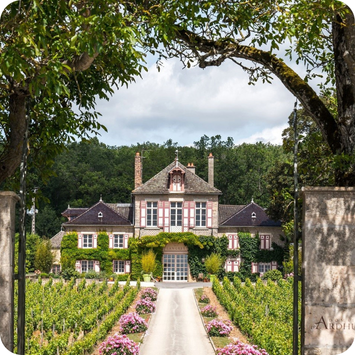
Domaine d'Ardhuy: A biodynamic family estate in the Côte d’Or, producing wines from 6 Grands Crus and 15 Premiers Crus vineyards. Pure expressions of Burgundy’s terroir.
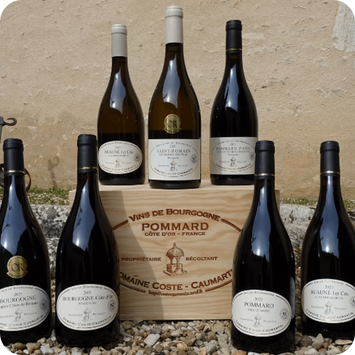
Domaine Coste-Caumartin: A historic Pommard winery founded in 1793, uniting centuries-old heritage with sustainable viticulture and modern precision.
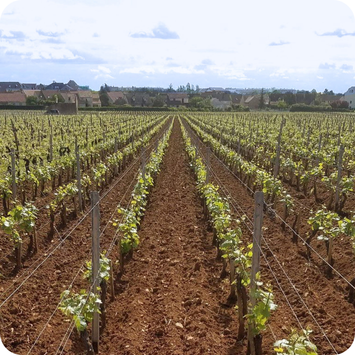
Domaine Besancenot: Six generations of winemakers in Beaune are crafting authentic Pinot Noir with deep respect for their legacy, family roots, and the land.
Discover more wineries in Burgundy
From the limestone slopes of Burgundy, we cross the ocean to explore a new world expression of this timeless grape.
Willamette Valley, Oregon, USA – New World Grace
Pinot Noir found its way to Oregon only in the 1960s, when a few pioneering winemakers saw in the cool, green Willamette Valley something reminiscent of Burgundy. The early wines surprised even the Burgundians themselves, showing that Pinot Noir could thrive in the New World as its own graceful and elegant voice.
Nestled between the Coast Range and the Cascade Mountains, the Willamette Valley enjoys a cool, temperate climate that stretches the growing season into autumn. Rain falls mostly in winter, while mild summer lets Pinot Noir ripen slowly, developing layered aromas without losing freshness. Beneath the vines lie old volcanic Jory soils (red clay rich in iron), along with marine sediment, once part of an ancient sea. They give the wines a range of character: from the silky texture and fine minerality of volcanic hills to the structured styles shaped by former seabeds. This interplay of cool air and varied soils shapes the unmistakable purity of Willamette Valley wine.
In the glass, Willamette Valley Pinot Noir feels full of red cherry, raspberry, and cranberry, sometimes deepened by darker berry tones and lifted by hints of earth and herbs. The texture is supple, the acidity crisp, and the finish clean and lingering. Compared with Burgundy, the style is more open and fruit-forward, yet it keeps the same sense of balance and finesse. Willamette Valley Pinot Noir stands between the subtlety of Burgundy and the ripeness of California.
Wineries to Discover in the Willamette Valley
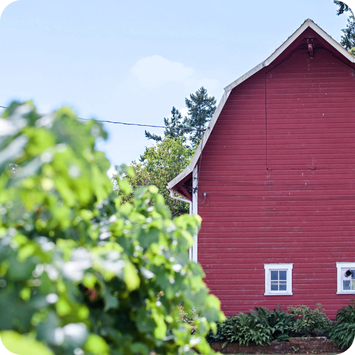
Hanson Vineyards: A fourth-generation family winery rooted in sustainability, crafting Pinot Noir from estate-grown vines in Oregon’s landscape.
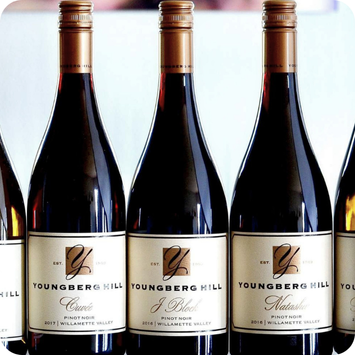
Youngberg Hill Winery: A panoramic hilltop estate where organic vineyards meet ocean breezes, producing elegant Pinot Noir with remarkable depth and purity.
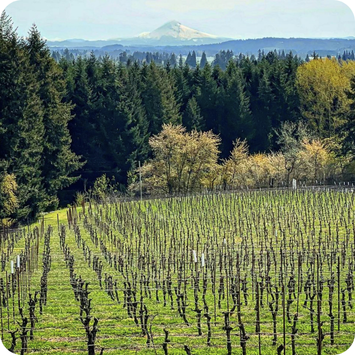
Sidereus Vineyard & Winery: A boutique winery blending craftsmanship and artistry, known for expressive, site-driven reds shaped by the valley’s diverse terroir.
Discover more wineries in Willamette Valley
From Oregon’s misty valleys, we travel back to Europe, to another reflection of Pinot Noir’s elegance.
Ahr, Germany – The Rising Star of Spätburgunder
The Ahr is one of the world’s most northerly red-wine-focused regions. Here, Pinot Noir is a rising star, known locally as Spätburgunder. Though vines have been cultivated since Roman times, it was only after the devastation of World War II that the region found new life, rebuilding vineyard terraces and reviving its long tradition of crafting reds. Today, Pinot Noir here speaks with delicate, distinctly northern charm.
Spätburgunder in German means “late Burgundy", reflecting both its ripening pace and its Burgundian roots.
Tucked into a narrow valley along the Ahr River, the region experiences a cool continental climate with warm summers and long, gentle autumns, allowing the grapes to mature gradually and keeping vivid freshness. Vineyards line the steep, south-facing slopes, where every ray of sunlight brings a touch of warmth to the valley. The slate soils here hold and reflect heat, giving the wines their distinctive mineral clarity and refined structure that define Ahr’s cool-climate harmony.
On the palate, Ahr Valley Pinot Noir is light-bodied yet deeply expressive, with notes of red cherry and raspberry, edged with slate mineral and gentle smoke. The texture feels seamless, the acidity lively, and the finish long and clean. Among the world’s Pinot Noir regions, the Ahr stands apart – small in scale, but remarkable in how purely it captures the essence of cool-climate winemaking.
Wineries to Discover in Ahr
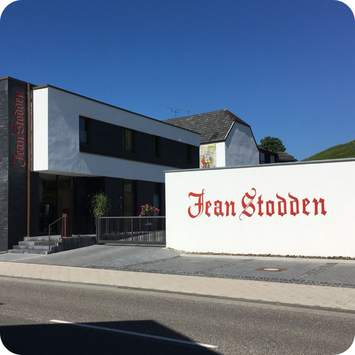
Jean Stodden Winery: A family estate devoted to Spätburgunder mastery, shaping wines of depth and precision from Ahr’s slate-rich slopes.
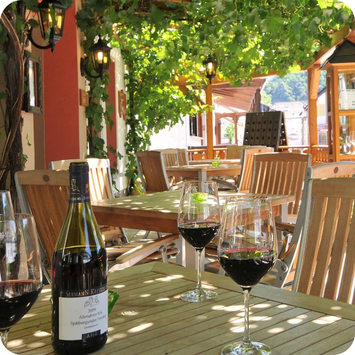
Weingut Sermann: A historic seven-generation winery crafting elegant Spätburgunder and sparkling wines with timeless care and riverside charm.
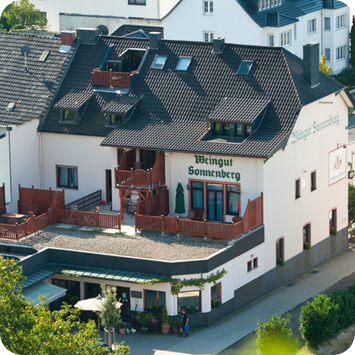
Weingut Sonnenberg: An innovative producer blending sustainability and modern technique to create pure, expressive reds from the Ahr hills.
Pinot Noir has a rare gift – the ability to cross borders while always remaining true to its origin. From the limestone slopes of Burgundy to Oregon’s volcanic soils and the slate hills of the Ahr, it transforms with each landscape, keeping the same soul. Every region tells its own version of that story, shaped by terroir, the harmony of soil, climate, and human touch.
To truly know Pinot Noir, you need to travel, whether across continents or simply through the glass: tasting its many expressions is like tracing a single melody through different instruments. Each sip reveals a new shade of its personality.
Understanding Pinot Noir takes time. It grows with you, changes as you do. And the journey of exploration can last a lifetime.