
Industrial-chic cellars, local energy and wine made just steps from the city streets. Welcome to the world of urban wineries.
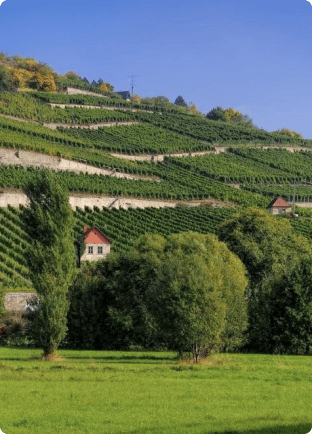
An urban winery is a fully equipped winemaking facility located within a city, where grapes are sourced from vineyards outside the urban area and transformed into wine on-site. This innovative model combines the craftsmanship of traditional winemaking with the convenience of city living. Wine no longer needs to be born only among endless vineyards – it can now emerge between brick and concrete, beneath industrial beams and urban skylines.
What started as a niche movement in places like San Francisco, London and Vienna has now evolved into a global trend, powered by convenience and culture. City dwellers can enjoy authentic urban wines crafted locally, discover unique blends from diverse regions and meet the winemakers behind them. Instead of long drives to distant estates, they can explore winemaking in the same neighborhoods where they work, dine and meet friends. It's wine culture that feels modern, inclusive and distinctly connected to the rhythm of wine cities.
Why the City?
For producers, the benefits go beyond convenience. Operating within city limits means direct access to a large, curious consumer base, as well as lower long-term costs compared to owning and maintaining vineyard land. Freed from the constraints of geography, urban winemakers can source grapes from multiple regions, crafting blends that capture diversity rather than terroir alone. It’s a model built on flexibility.
Visiting an urban winery feels different from touring a rural estate. You trade panoramic vineyard views for industrial beauty, music and the buzz of conversation. The experience is more intimate, more spontaneous. You can step off the tram, walk into a cellar lined with barrels and sip something that was crushed and bottled just meters away. Here, tradition isn’t lost. It’s reimagined to fit the pace and pulse of modern life.
The Ultimate City Wine Tour: A Guide to Top Urban Wineries Across the Globe
Across the globe, urban wineries reveal how wine, culture and city life coexist. Here are four cities that capture this spirit, each in its own distinct way.
Porto, Portugal: Where Wine Heritage Meets Urban Energy
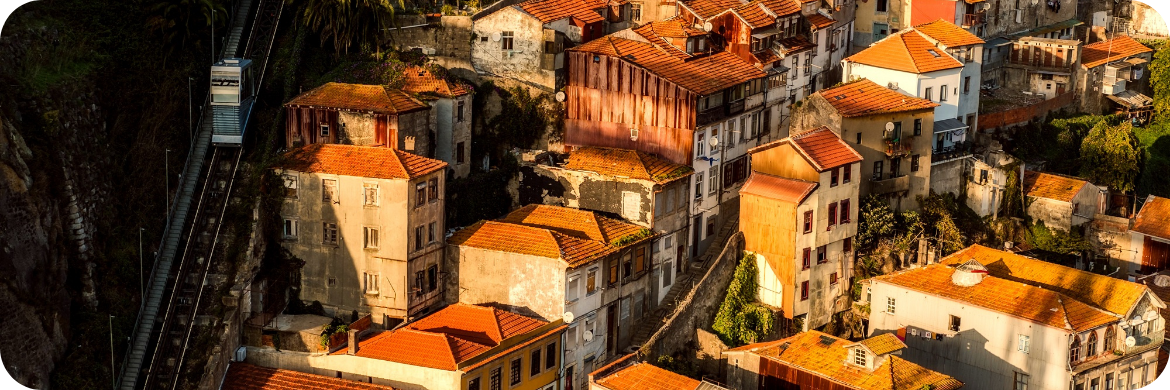
Few places express the spirit of urban winemaking as clearly as Porto. On the south bank of the Douro lies Vila Nova de Gaia – the historic heart of the port trade and home to the most legendary wineries near Porto. Port Houses are the historical model of the urban winery concept (sourcing grapes outside, making wine in the city). Here, world-famous port houses such as Taylor’s, Graham’s, Sandeman and Burmester have aged wines made from Douro Valley grapes since the 1700s – long before “urban wineries” became a modern trend. Today, many of these historic spaces have opened their doors to visitors, combining industrial charm with elegant tasting rooms and rooftop views over Porto’s orange rooftops.
Discover Port Houses you can visit
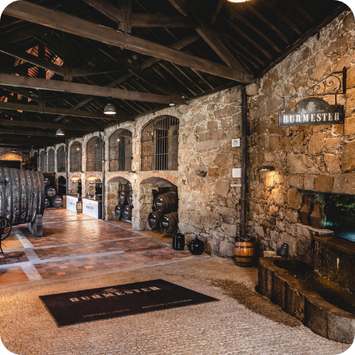
Burmester: A riverside cellar blending historic charm with sleek design, offering intimate tastings beneath the iconic Dom Luís I Bridge.

The World of Wine (WOW): A wine and culture complex built in restored cellars, reviving Porto’s wine legacy through museums, gastronomy and design.
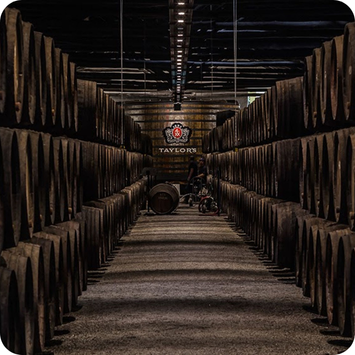
Taylor's Port: One of the oldest Port houses, with historic cellars, expert-led tastings and panoramic views over the Douro River.
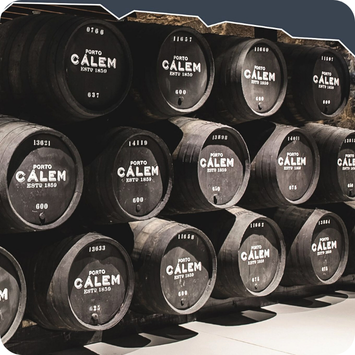
Cálem: A classic Gaia winery combining traditional port aging with interactive tours and lively tastings along the riverfront.
Vienna, Austria: A City Built on Vines
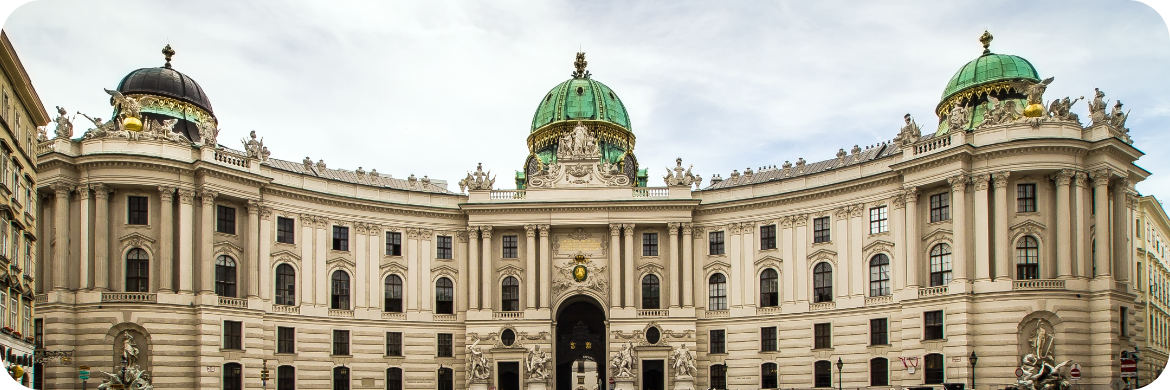
Vienna has quietly become Europe’s capital of urban wineries. Here, vineyards climb the slopes of Kahlenberg and Nussberg within the city limits, producing crisp Gemischter Satz and elegant Rieslings just minutes from the historic center. A short drive north, the Weinviertel region mirrors this same harmony between urban life and vineyard tradition. Generations of winemakers have cultivated grapes here for centuries, and today’s producers continue that heritage. Those looking for wineries near Vienna will find that the boundary between the city and the vines is almost invisible – wine truly grows into urban life here.
Featured Wineries
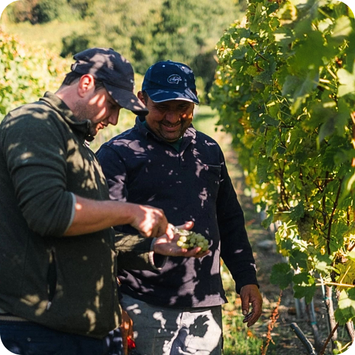
Fuhrgassl-Huber: One of the largest vineyard growers in Vienna, blending family tradition, hillside charm and authentic heuriger hospitality.
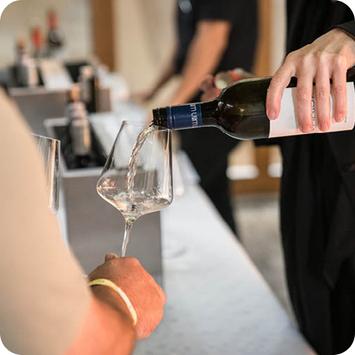
Weingut & Heuriger Christ: A modern winery rooted in Jedlersdorf, marrying sustainable viticulture with elegant local expressions.
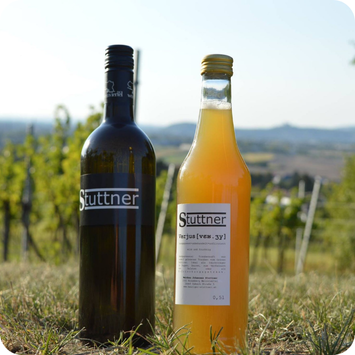
DI Johanes Stuttner: A family-run winery crafting wines on the slopes of Bisamberg, where every grape is still hand-picked and pressed with care.
Bordeaux, France: Where Every Street Tells a Wine Story
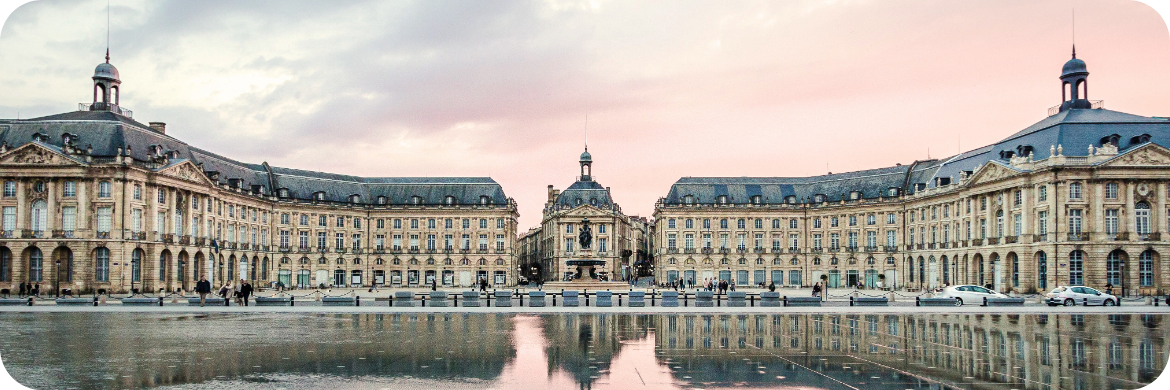
Bordeaux is a city shaped by wine. Though most wineries lie just beyond the city limits, Bordeaux remains the vibrant center of French wine commerce and urban tasting culture. You don’t have to travel far to feel the influence of vineyards – the streets carry their energy, and wine is part of everyday life. Just outside the city, wineries near Bordeaux reflect the region’s depth and character. A short drive takes you to elegant estates where smooth reds and crisp whites come to life.
Featured Wineries
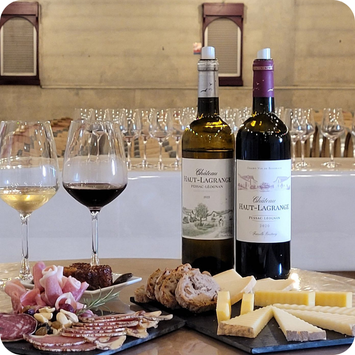
Château Haut-Lagrange: A family estate in the heart of Pessac-Léognan, crafting elegant reds and whites with generations of expertise.
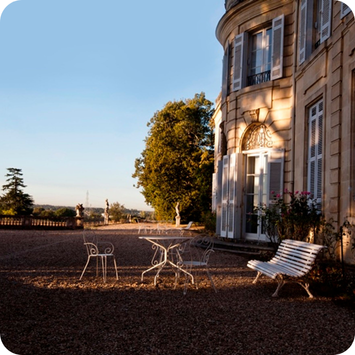
Château du Taillan: One of the few Médoc estates led by women, where heritage meets innovation amid pink-marble cellars.
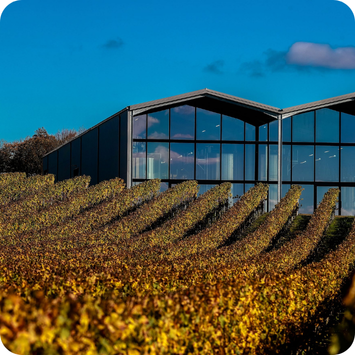
Château Lauduc: A 100-hectare organic winery near Bordeaux, run by two brothers producing Merlot-driven blends.
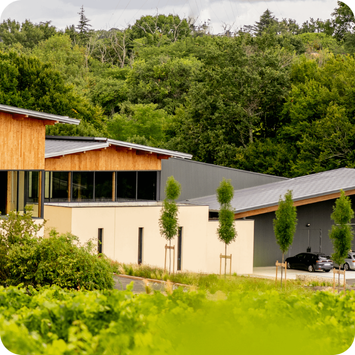
Château de Malherbes: An organic estate on Cadillac’s limestone slopes, known for gravity-led cellars and scenic tastings.
Bilbao, Spain: A Gateway to Architecture and Gastronomy
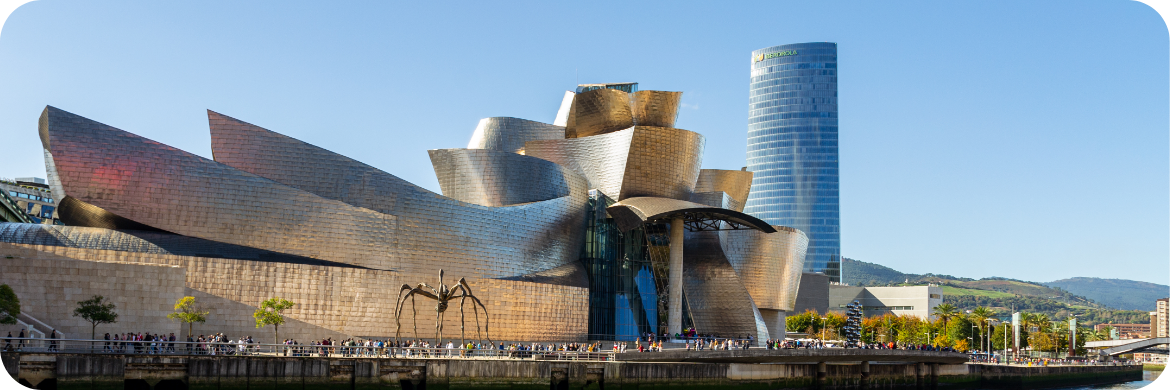
While Bilbao itself has no wineries within its cityscape, it has become a dynamic gateway to the Basque Country’s wine regions, where architecture, gastronomy and winemaking intersect. It’s the perfect starting point for a unique wine adventure, surrounded by the vineyards of Rioja Alavesa and the green valleys of the Basque Country. Just a short trip from the city, wineries near Bilbao showcase the region’s creativity – from innovative architecture to the fresh, lightly sparkling Txakoli poured in local bars and enjoyed with pintxos, the Basque answer to tapas.
Wineries to visit near Bilbao
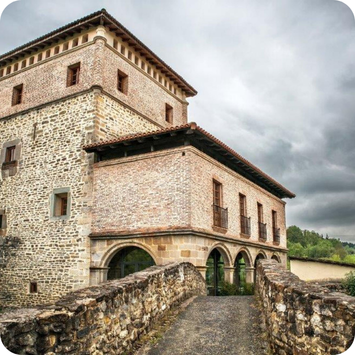
Torre De Murga: Set inside a restored medieval tower, this boutique estate blends Basque history with modern winemaking.
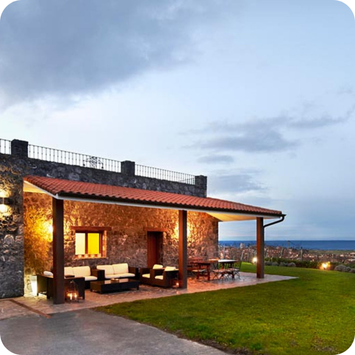
Rezabal: Perched above Getaria, this coastal family winery captures the freshness of the ocean in every bottle of its Txakoli.
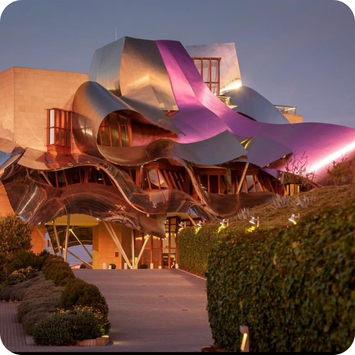
Marqués de Riscal: A Rioja icon where Frank Gehry’s striking design meets fine Reserva wines, showing elegance in every detail.
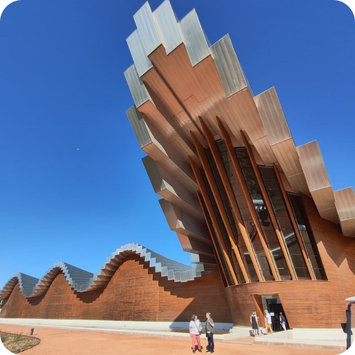
Ysios: Designed by Santiago Calatrava, this sculptural Rioja winery crafts wines reflecting the artistry of their surroundings.
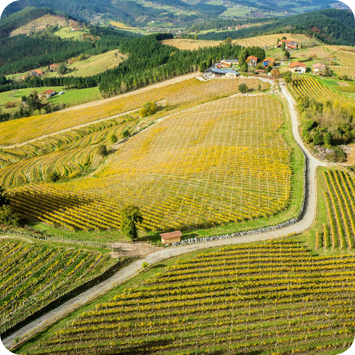
Bodega Berroja: A family-run winery in the hills of Urdaibai Biosphere Reserve, producing expressive Txakoli wines.
Tour & Tasting Tips:
Visiting an urban winery offers a different kind of experience. There are no sprawling vineyards, but you can see the full production process up close, from fermentation to bottling. Whether you’re planning your first visit or looking to discover new city wineries, here are a few practical tips to make the most of your tasting experience.
- Most tastings can be easily booked online in advance.
- Look for experiences that include curated wine flights or local food pairings. It’s a great way to explore local flavors and seasonal specialties.
- Thanks to their central locations, many urban wineries are easily reached by public transport, making wine exploration part of the city’s everyday rhythm.
- Weekday visits are calmer and allow you to avoid crowds, giving you more time to chat with the winemakers and enjoy tasting at your own pace.
The urban winery has become a vital bridge between winemakers and city dwellers, making wine culture part of the city's craft beverage scene.
Beyond winemaking, the urban winery now serves as a meeting point – a place where production, tasting and culture come together under one roof. It brings the vineyard closer to everyday life, turning wine from a distant rural tradition into part of the city’s craft beverage scene. In doing so, it redefines how wine is experienced – as a shared, accessible and evolving part of modern urban culture.