
Wineries in Portugal – Page 4
Book tastings, tours and unique experiences directly with 4,000+ wineries across 50+ countries.
Flexible planning for a stress-free journey.
Personalized recommendations from our wine experts.
Support producers who prioritize the planet.
201 wineries
Search results
Showing 121–160 of 201 wineries
Key facts about wineries in Portugal
- Red wine
- White wine
- Sparkling wine
- Rosé wine
- Fortified wine
Signature wines: Port · Douro reds · Vinho Verde · Madeira · Alentejo reds · Dão Touriga Nacional · Bairrada Baga
- January: Quiet season
- February: Quiet season
- March: Quiet season
- April: Best — mild, cellars open
- May: Best — mild, cellars open
- June: Best — mild, cellars open
- July: Peak — hot and busy
- August: Peak — hot and busy · Harvest
- September: Best — mild, cellars open · Harvest
- October: Best — mild, cellars open · Harvest
- November: Quiet season
- December: Quiet season
- Best — mild, cellars open
- Peak — hot and busy
- Quiet season
- Harvest · vindima
Tip: Douro quintas need booking and a car or the Régua train; Port lodges in Gaia take walk-ins; tastings €10–30; roads are narrow and slow.
- DOC
- Denominação de Origem Controlada — delimited origin, regulated varieties and yields
- Vinho Regional
- Indicação Geográfica — regional wines, broader variety list
- Vinho
- No geographic claim
- Porto
- Douro (1.5h), Vinho Verde, Port lodges in Gaia
- Lisbon
- Lisboa, Colares, Setúbal, Tejo
- Évora
- Alentejo
- Viseu
- Dão, Bairrada
- Funchal
- Madeira lodges
- Vineyard area
- 171,000 ha (2025)
- Grape varieties
- 250+ native varieties
- Climate
- Atlantic north, hot continental Douro and Alentejo interior, subtropical Madeira
- Soils
- Schist (Douro), granite (Vinho Verde, Dão), clay-limestone (Bairrada), volcanic (Azores)
- Most wine from
- Douro · Alentejo · Lisboa · Vinho Verde
- Language
- Portuguese
- Currency
- Euro
- Wine history
- 2,000+ years (Romans); Douro demarcated 1756, the world's first
- Suggested stay
- 3–4 days Douro, 2–3 Alentejo
- UNESCO wine landscapes
- Alto Douro Wine Region (2001) · Landscape of the Pico Island Vineyard Culture (2004)
Key figures and sources
Browse Wineries by Country




















Plan your wine journey
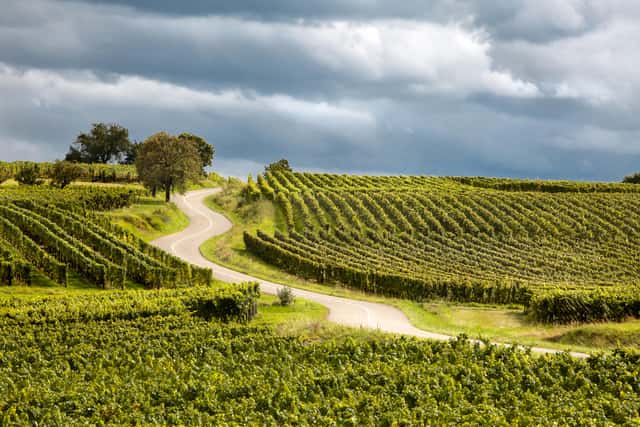
Itineraries, primers and harvest reports — straight from our editors and hosts.



Price Range
Per person, before taxes
🌿 Organic
Languages
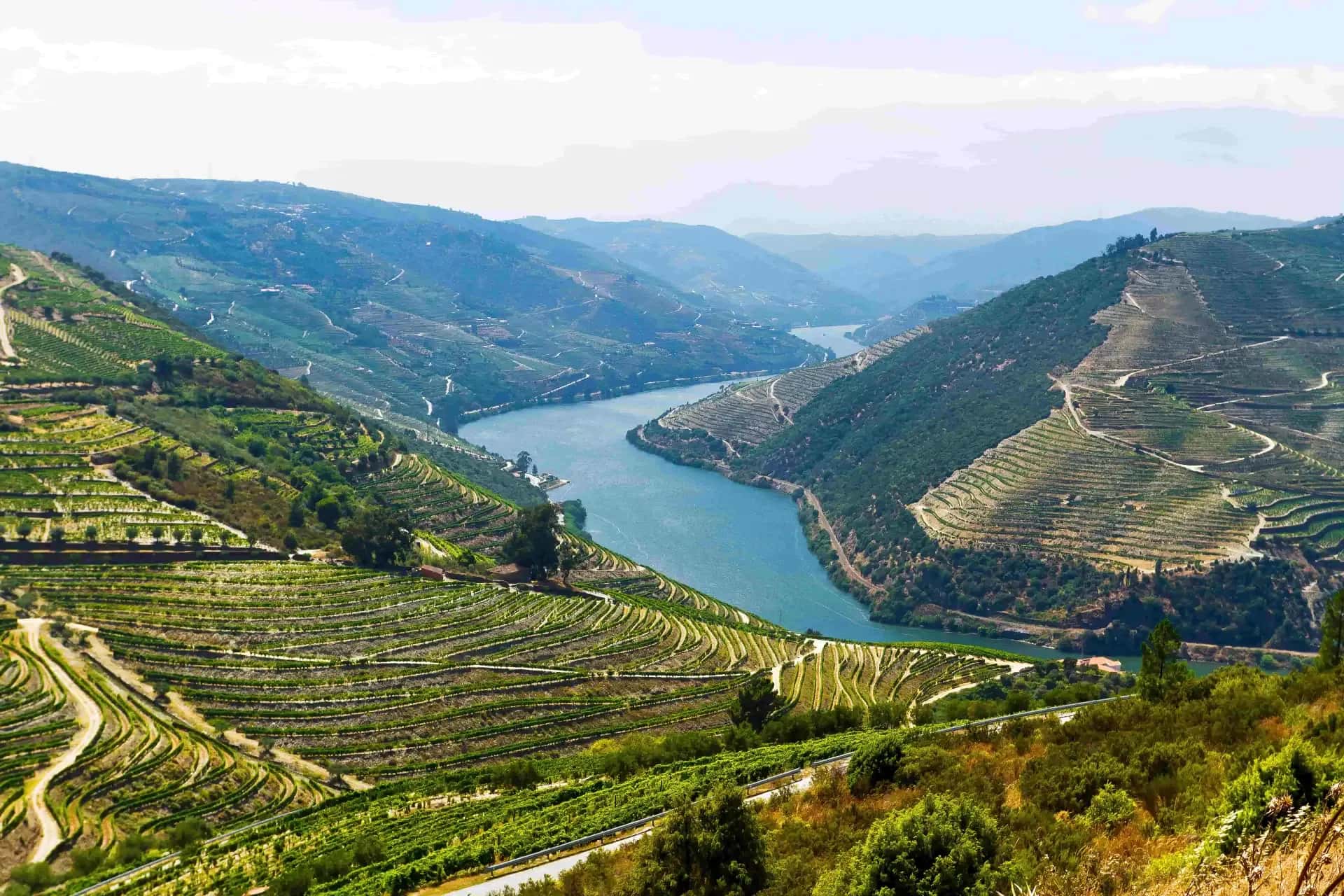
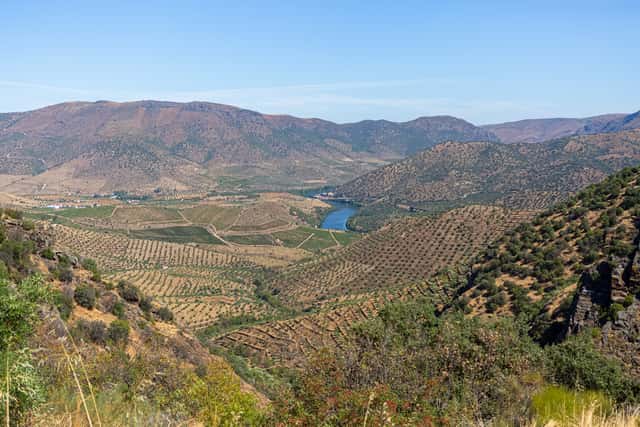
When thinking about visiting wineries in Portugal, the first thing that comes up to our mind is Port wine produced in gorgeous Douro Valley however, wineries in different parts of Portugal produce all sorts of wines from the local grape varieties.
Viticulture in Portugal started 4000 years ago and today, it is home to a big number of local grape varieties. That's why wineries in Portugal have a wealth to produce wines in a wide range of styles from fruity to full-bodied reds, refreshing white wines and renowned fortified wines.
If you are planning to visit wineries in Portugal, you will have to carefully choose where to go first and start looking for the best region for you. There are plenty of unique wineries in Portugal, spread all over the country from Vinho Verde and Douro Valley in the north to Alentejo in the south-east. All wineries in Portugal have their own story to tell, winemaking techniques, and unique wines to offer their guests.
Frequently Asked Questions
FAQ
To reach the region of Minho, Dao, or Transmontano, the closest airport is in Porto (OPO).
To enjoy Duoro Valley, transportation might take longer, as you should fly into Porto and then take a train to the Duoro Valley.
To reach the regions of Lisbon, Tejo, and Setubal, recommended to use the Lisbon Humberto Delgado Airport.
To visit the wineries in Algarve, the closest option is Faro Airport, which is only 5 km away.
The same airport can be used to travel in Alentejo, only 115 km away.
If you travel through Spain, Santiago Airport (SCQ) would be a good option.
Wineries in Portugal are easily accessible by car. The country has a well-maintained road system. This is why most of them are toll roads. The fare is different depending on the Portuguese or foreign registration.
Below, are some of the main roads to reach the best Wineries in Portugal:
The A1 road can take you all the way from Lisbon to Tejo, Bairrada, Dao, and Vinho Verde.
The A 22 road, covers most of the Algarve Area.
The A2 road connects Algarve to Lisbon.
If you prefer to use a train to visit the best wineries in Portugal, most destinations around the country can be reached by railway from Lisbon.
The Eurail train system connects Lisbon to Porto, Braga, Coimbra and Faro.
The same destinations can be reached by high-speed or regional trains, you can check out the tickets of Interrail and book in advance.
FAQ
About 4700 wineries can be counted in Portugal.
Wineries in Portugal are located in 13 wine regions.
Some of our partner wineries in Portugal, would be happy to offer accommodation:
1) Quinta Do Piloto
2) Herdade Da Calada
3) Medeiros
4) Turra Wines
5) Monte Da Casteleja
Most of the wineries in Portugal produce amazing red wines.
We would recommend trying Alfrocheiro Preto produced in Dao region.
While visiting the wineries in Portugal, to find the best white wines, visit the Vinho Verde area, and definitely try Alvarinho.
At some of the best wineries of Portugal, you can try the - Espumante, which is a local sparkling wine.
The best Espumante is produced by the vineyards in the Bairrada region.
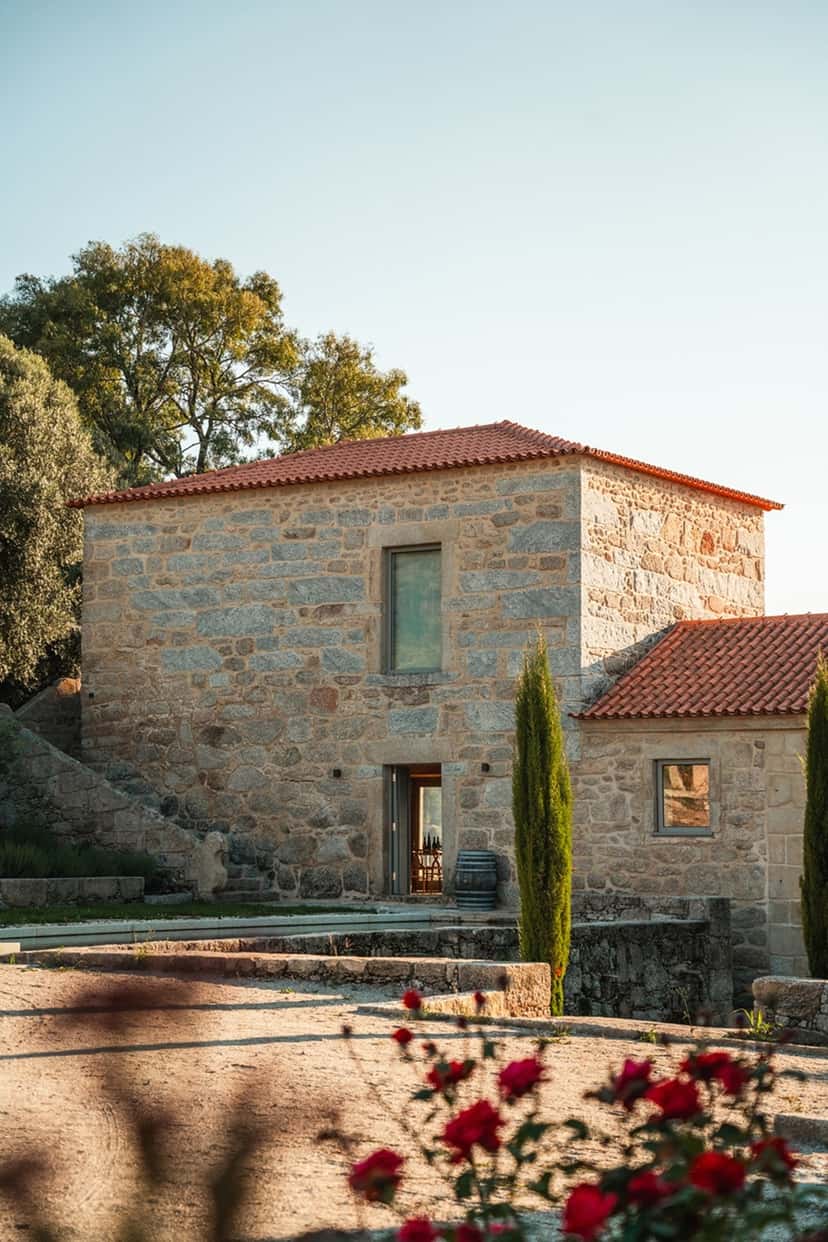
In Portugal, wineries are commonly referred to as "quintas." The term "quinta" originally referred to a rural estate or farmstead but has evolved to specifically denote a winery or vineyard. Many of Portugal's renowned wine producers are identified as quintas, reflecting the tradition, heritage, and dedication to winemaking in the country.
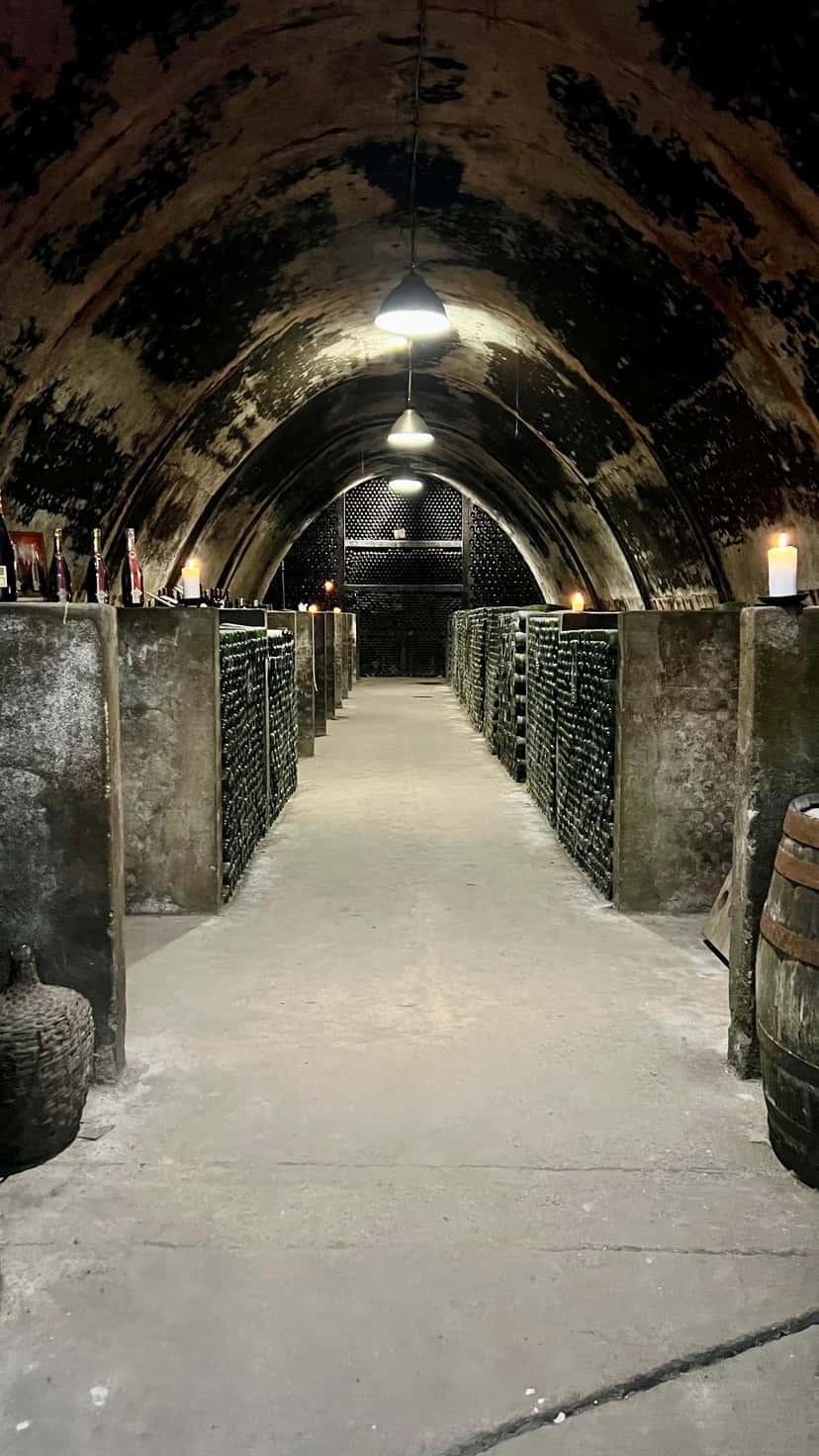
Porto is widely regarded as the wine capital of Portugal. Situated in the Douro Valley, Porto is famous for its production and historical connection to Port wine. The city offers a range of port wine cellars, a rich wine heritage, and a picturesque setting along the Douro River, making it a top destination for wine enthusiasts.
The most famous wine from Portugal is Port wine. Port wine is a fortified wine produced in the Douro Valley region, specifically in and around the city of Porto. It is known for its rich, sweet flavors and higher alcohol content, resulting from the addition of brandy during fermentation. Port wine has gained international acclaim and is recognized as one of the world's great fortified wines.