
Wineries in Austria
Book tastings, tours and unique experiences directly with 4,000+ wineries across 50+ countries.
Flexible planning for a stress-free journey.
Personalized recommendations from our wine experts.
Support producers who prioritize the planet.
90 wineries
Search results


Showing 1–40 of 90 wineries
Key facts about wineries in Austria
- White wine
- Red wine
- Sweet wine
- Sparkling wine
 ZweigeltBlaufränkischBlauer PortugieserSt. LaurentMerlotBlauer Wildbacher
 Grüner VeltlinerWelschrieslingRieslingWeißburgunderSauvignon BlancChardonnay (Morillon)
Signature wines: Grüner Veltliner Smaragd · Riesling Heiligenstein · Blaufränkisch · Ruster Ausbruch · Sauvignon Blanc · Wiener Gemischter Satz · Schilcher
- January: Quiet season
- February: Quiet season
- March: Quiet season
- April: Best — mild, cellars open
- May: Best — mild, cellars open
- June: Best — mild, cellars open
- July: Peak — hot and busy
- August: Peak — hot and busy
- September: Best — mild, cellars open · Harvest
- October: Best — mild, cellars open · Harvest
- November: Quiet season
- December: Quiet season
- Best — mild, cellars open
- Peak — hot and busy
- Quiet season
- Harvest · Weinlese
Tip: Heurigen and Buschenschank taverns need no booking; estate tastings do. Cellar-door sales are the norm and often free if you buy. Steep terraces: drive or cycle the Danube.
- DAC
- Districtus Austriae Controllatus — region-typical Qualitätswein in Gebiets-, Orts- and Riedenwein tiers; 18 districts
- Prädikatswein
- Spätlese to Trockenbeerenauslese, Eiswein and Ausbruch; ripeness-defined
- Qualitätswein
- PDO wine with a state test number and the red-white-red capsule
- Landwein
- PGI wine from Weinland, Steirerland or Bergland
- Vienna
- Wien, Thermenregion, Carnuntum, Wagram
- Krems
- Wachau, Kremstal, Kamptal, Traisental
- Eisenstadt
- Leithaberg, Neusiedlersee, Rust, Mittelburgenland
- Graz
- Südsteiermark, Vulkanland, Weststeiermark
- Linz
- Wachau, Wagram, western Weinviertel
- Vineyard area
- 44,210 ha (2024)
- Grape varieties
- Grüner Veltliner 32% of the vineyard area (14,296 ha); Zweigelt 13%
- Climate
- Cool-continental Pannonian east, Danube valleys, Alpine-Illyrian Styria
- Soils
- Loess and gneiss terraces (Danube), limestone and schist (Burgenland)
- Most wine from
- Niederösterreich · Burgenland · Steiermark · Wien
- Language
- German
- Currency
- Euro
- Wine history
- Celtic and Roman vines; Cistercian terraces; the 1985 scandal forced a quality reboot
- Suggested stay
- 3–4 days: Wachau and Vienna's Heurigen, or a Südsteiermark loop
- UNESCO wine landscapes
- Wachau Cultural Landscape (2000) · Fertö / Neusiedlersee Cultural Landscape (2001)
Key figures and sources
| Fact | Value | Year | Source |
|---|---|---|---|
| Wine regions | 4 — generic regions (Niederösterreich, Burgenland, Steiermark, Wien) with 18 DAC districts inside them | 2025 | oew_doku |
| Appellations | 18 DAC — DAC · Qualitätswein · Landwein · Prädikatswein | 2025 | oew_doku |
| World production | #17 — 2.5 mhl · 1.1% of the world | 2025 | OIV |
| Vineyard area | 44,210 ha | 2024 | oew_doku |
| Grape varieties | Grüner Veltliner 32% — of the vineyard area (14,296 ha); Zweigelt 13% | 2024 | oew_doku |
Browse Wineries by Country









Plan your wine journey
Itineraries, primers and harvest reports — straight from our editors and hosts.


Price Range
Per person, before taxes
🌿 Organic
Languages
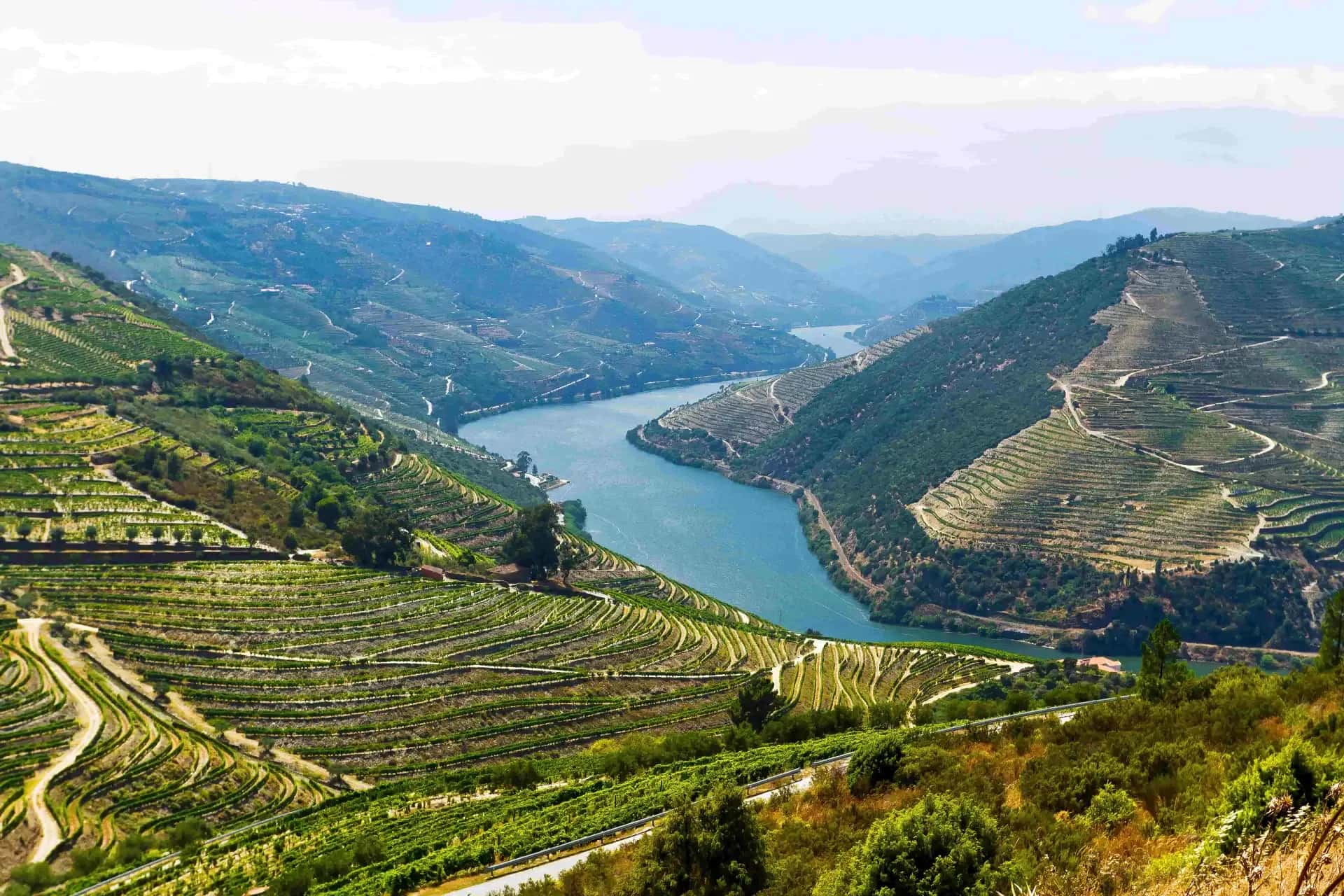
Terraced vineyards, lush green meadows, beautiful lakes and mountains are what make Austria one of the top destinations for wine lovers.
Wineries in Austria combine a number of elements needed to make outstanding wines. The landscape, climate, soil, and great grape varieties provide some delicious wines to pair with traditional Austrian meals.
If you are planning to visit wineries in Austria, you will have to carefully choose where to go first and start looking for the best region for you. There are plenty of gorgeous wineries in Austria, spread all over each region. All wineries in Austria have their own story to tell, winemaking techniques, and unique wines to offer their guests.
Frequently Asked Questions
FAQ
If you would like fly into the country to enjoy some of the best wineries in Austria, we recommend to fly into Vienna or Graz.
Vienna International Airport (VIE), or Graz Airprot (GRZ) are the most convenient options.
To drive around and visit the best wineries in Austria, make sure to get the Vignette sticker to use the toll highways.
The roads are well-maintained and easy to use.
Drive around the Styria region and the wineries in Austria with the highways E59, 65, A2, or 64.
Use the roads E59, E60, S6, and S4 to visit wineries in Burgenland.
In Lower Austria, you have many options to reach the region's wineries. Drive along the highways A5, S3, 40, 46, and 49.
In the urban wine region of Vienna, you have numerous options to drive. For example, highways A1, A4, A5, and many more.
The whole Austria is connected by the railway system. However, to travel around the wine-making regions, we recommend to take the train from Vienna to Graz.
The ticket price starts from 9 Euros and needs to be pre-booked, the journey will take about 2 hours and 40 minutes, check-out the ÖBB Sparschiene tickets and choose the most comfortable option to visit the best wineries in Austria.
FAQ
There are about 23000 wineries in Austria, most of them are small, family-run wineries.
Austria has 4 main wine regions:
1. Styria
2. Burgenland
3. Lower Austria
4. Vienna
The south of Austria, has the best conditions to grow full-bodied red wines.
Try Pinot Noir, Blaufränkisch, or Zweigelt at one of our partner wineries in Austria.
The cool climate and proximity of the Alps, make the west and North areas the best regions for making white wines.
Try some Grüner veltliner, Riesling or Pino Blanc at one of our partner wineries in Austria.
For sparkling wines, better to visit the Lower Austria.
Visit the wineries in Austria, in the appelations of Weinviertel and Niederösterreich to try some of the best sparkling wines.
Austria hosts various wine festivals and events throughout the year. For example, the Vienna Wine Hiking Day (Wiener Weinwandertag) in the Vienna Woods offers wine tastings while hiking through scenic vineyards. The Wein & Genuss Festival in Salzburg and the Wine Village Festival in Langenlois are other notable events to celebrate Austrian wines.
Many wineries in Austria provide educational experiences where you can learn about the winemaking process, grape varieties, and regional traditions. Guided tours often include visits to vineyards, cellars, and sometimes even barrel rooms, offering insights into the craftsmanship behind Austrian wines.