

Bordeaux stands as a cornerstone of wine tourism, celebrated for its exceptional vineyards and rich heritage. This iconic region boasts prestigious appellations such as Médoc, Saint-Émilion, Pomerol, and Graves, each offering distinctive terroirs and a diverse range of wines. Visitors can delve into the world of Cabernet Sauvignon, Merlot, and Malbec while enjoying stunning landscapes and historic châteaux. Explore local wineries and immerse yourself in the culture of Bordeaux for an unforgettable tasting experience.
Located in south-west France, the Bordeaux wine region is one of the world’s most famous wine destinations, known for historic châteaux, diverse wine styles, and elegant vineyard landscapes. Visitors can enjoy wine tastings at Grand Cru estates, explore UNESCO-listed Saint-Émilion, discover Bordeaux city, and take day trips to the Atlantic coast. On WineTourism.com, you can book Bordeaux wine tastings, tours, and winery stays directly with local wineries, from iconic estates to family-run châteaux.
Check out wine tastings & tours in Bordeaux.
Bordeaux wines and where to taste them
Culinary specialties of Bordeaux

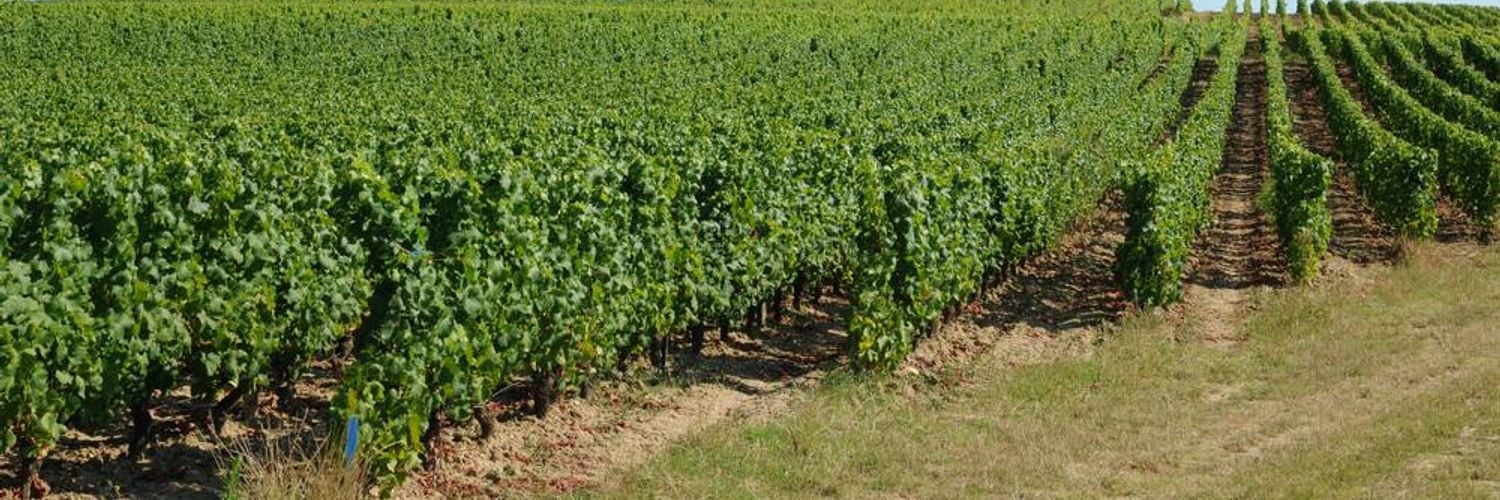
The Bordeaux wine region surrounds the city of Bordeaux, approximately 2 hours by train from Paris and 45 minutes from the Atlantic coast. Vineyards stretch along the Garonne and Dordogne rivers, creating the famous Left Bank, Right Bank, and Entre-Deux-Mers areas.
Most wineries are reachable within 30–60 minutes from Bordeaux city, making the region ideal for both day trips and multi-day wine itineraries.
Garonne and Dordogne Rivers devices Bordeaux Wine Region into two main parts, the Left Bank and the Right Bank, and the territory between two rivers called Entre-Deux-Mers. Bordeaux includes 57 appellations(AOC) and 38 sub-regions, which makes it the largest appellation wine producer in France. The main grape varieties used in the production of world-known Bordeaux wines are Merlot and Cabernet Sauvignon, often accompanied by Cabernet Franc and Petit Verdot. Bordeaux wines produced of these red varieties are globally recognized as “Bordeaux Blend”. Even though 90% of the wine produced here is red, there as well exists a white Bordeaux blend - its primary grapes are Sauvignon Blanc and Sémillon. Muscadelle is also involved in this blend in some cases.

Best for: Grand Cru lovers, classic château visits
Wine style: Cabernet Sauvignon-dominant blends
Highlights: Médoc, Margaux, Pauillac, Graves, Pessac-Léognan
Typical experiences: Château tastings, vertical tastings, vineyard tours
👉 Explore Médoc châteaux wine tours
Best for: Scenic villages, Merlot lovers, boutique estates
Wine style: Merlot-focused, plush and elegant
Highlights: Saint-Émilion, Pomerol, Lalande-de-Pomerol
Typical experiences: Wine tastings, medieval village walks, cellar visits
👉 Discover Saint-Émilion wine tastings & tours
Best for: Relaxed wine travel, cycling routes, value tastings
Wine style: Fresh whites, approachable reds
Typical experiences: Family wineries, bike tours, countryside lunches
Best for: Sweet wine lovers, gastronomy experiences
Wine style: World-famous sweet wines
Typical experiences: Barrel tastings, food & wine pairings
👉 Book Sauternes wine tastings
As already mentioned in the intro, Gironde Estuary divided the Bordeaux wine region into right and left banks. This division also defines the style of Bordeaux blends and splits Bordeaux into distinctive territories that are must-visit while you are traveling in the region. The Left bank area includes famous appellations such as Médoc, Graves, Margaux, and Pauillac, where Cabernet Sauvignon is the predominant grape variety whereas on the Right bank you will find Saint-Émilion, Pomerol, Libournais, and Bourg and Blaye with the dominance of Merlot.


The right bank of the Bordeaux wine region includes renowned wine appellations such as Pomerol and Saint-Emilion. Wines produced here unlike left banks are more Merlot-based, with Cabernet-Franc, Cabernet Sauvignon, Malbec, and Petit Verdot used in blending. Bordeaux wines from the right bank are more fruity, lower in acidity, and tannins. Visiting Saint-Emilion is a must for everyone travelling to Bordeaux. Later you will discover what makes this little village so special.
The wines of the Left bank (particularly, Medoc and Graves wine regions) display fruit aromas and flavors of berries as well as dark cherry, vanilla, and coffee beans. The Bordeaux wines here are spicier and have also peppery flavors and bold tannins. The major factors, which influence the characteristics of these wines, are soils and the favorable climate of the territory (clement winter and hot summer). Cabernet Sauvignon is a primary grape in the blend of the Left bank wines. It is also responsible for the powerful characteristics of the wine.
Medoc gathers many renowned appellations as well as Grand Crus - French wine classification level given to the wineries of the most superior grade with the highest excellence Bordeaux vineyards.
''Bordeaux has a very unique and specific way of trading wine, which makes it traditional and modern at the same time.''
Mattia Antonio Cianca - Local sommelier about Bordeaux

Entre-Deux-Mers means "between two seas/tides" but actually, the territory lies between the Dordogne and Garonne rivers.
Located in the South East of Bordeaux, Entre-Deux-Mers occupies 7000 hectares, which makes it the largest winemaking area of the Bordeaux.
The huge diversity of soils in this wine area allows the production of red and white wine. Here, they produce dry and sweet white Bordeaux wines from Sauvignon and Sémillon grapes. To produce high-quality red Bordeaux wines, wine-growers use the Merlot.
Entre-Deux-Mers wines are well-balanced and crispy with pale golden color. Normally, they are consumed young but they can be aged well thanks to Sauvignon Blanc's potential.
Interested in customizing your Bordeaux wine vacation? Simply send us your preferences here, and our team of experts will tailor the perfect itinerary for you.
For wine lovers wondering where to stay in Bordeaux, vineyard accommodations offer the most authentic experience. From elegant château stays to intimate winery guesthouses, winery accommodations in Bordeaux place travelers at the heart of the vineyards, close to wine tastings, cellar visits, and regional gastronomy—all within easy reach of Bordeaux’s iconic wine regions.
Escape to the serene surroundings of Château Monichot, where our charming bed and breakfast is nestled in the heart of an organic vineyard. Tucked away from busy roads, our property offers a peaceful retreat for wine lovers and nature enthusiasts alike.
From pétanque and badminton to horse riding and fun bingo nights, there’s something for everyone nearby. Villa La Maison L'Eperon is ideal for both laid-back stays and active getaways.
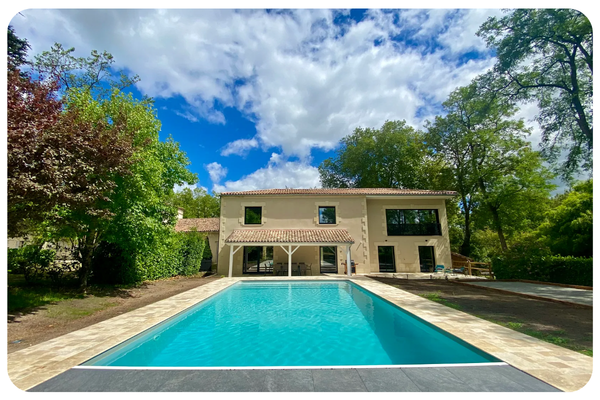
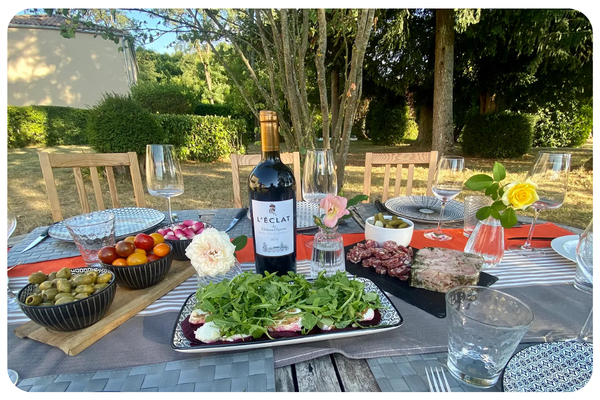
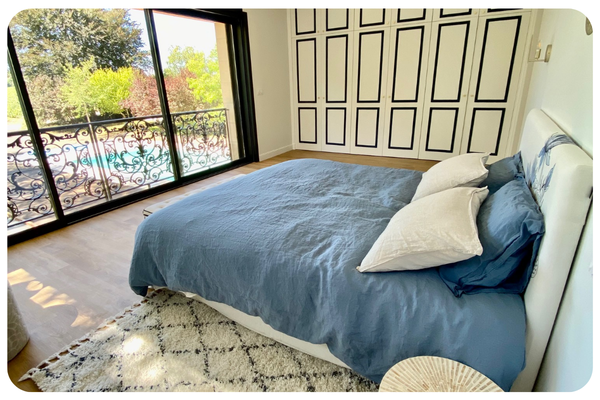
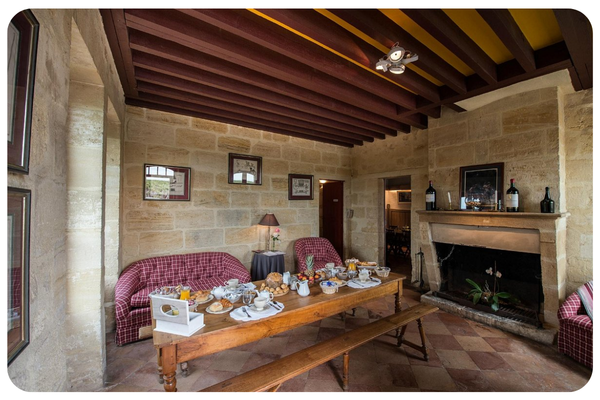
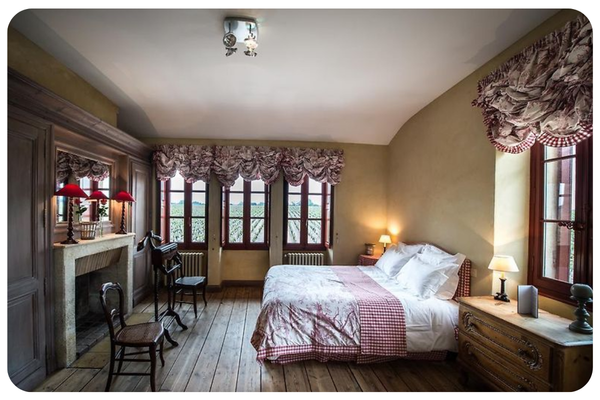
Château Giscours is an ideal choice for those seeking tranquility and comfort. Our family-friendly atmosphere and proximity to excellent dining options make it easy to savor the best of the Médoc and the Margaux appellation.
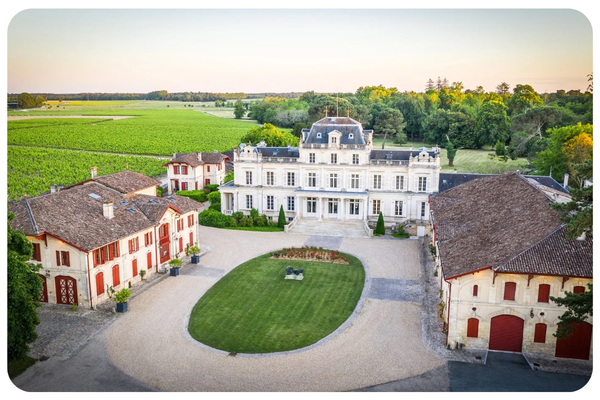
Check out other places to stay in Bordeaux.
Bordeaux city is the cultural and gastronomic heart of the region. Walk through Place de la Bourse and its iconic Water Mirror, stroll along the Garonne riverfront, and explore vibrant neighborhoods filled with wine bars and bistros. A visit to La Cité du Vin offers an immersive introduction to global wine culture, while the city’s dining scene ranges from casual local markets to Michelin-listed restaurants, making Bordeaux an essential stop for wine lovers.
The Bordeaux wine region is home to thousands of wineries, from legendary Grand Cru Classé châteaux to small, family-run and organic estates. Visitors can enjoy guided tastings, vineyard walks, cellar visits, and food-and-wine pairings across the Left Bank, Right Bank, and Entre-Deux-Mers. Many experiences can be booked in advance online, making it easy to plan visits around your itinerary. Book wine expereinces in Bordeaux.
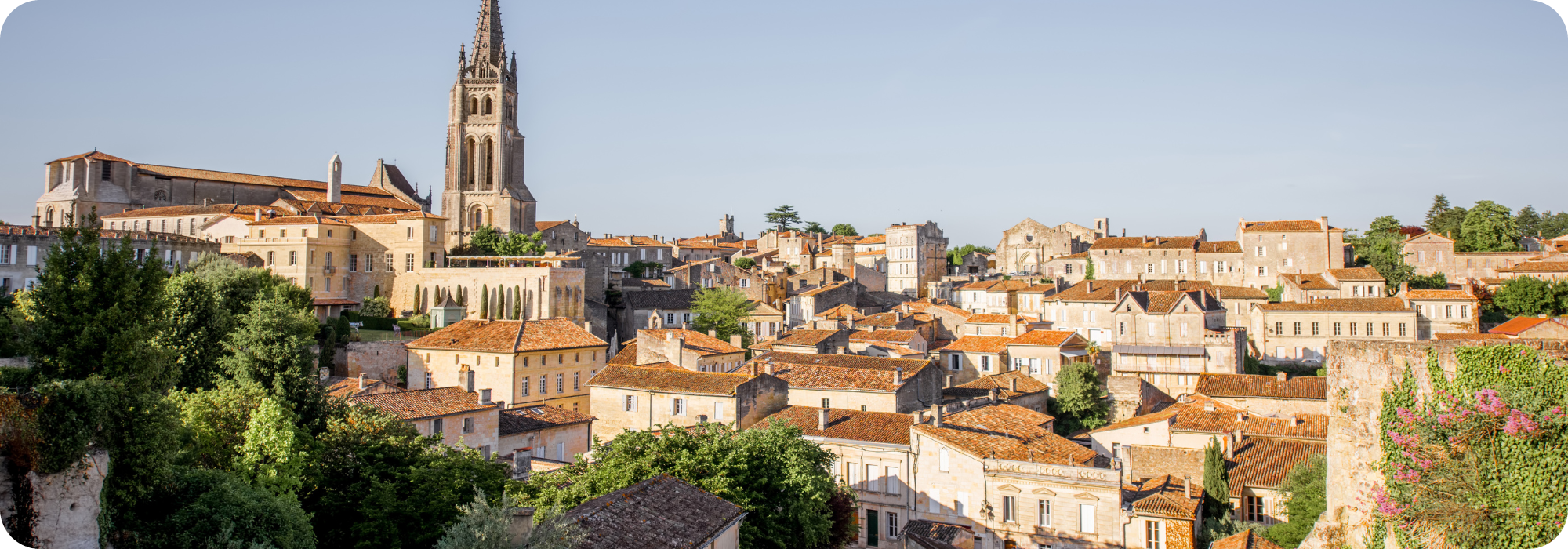
A UNESCO World Heritage Site, Saint-Émilion combines world-class wine with rich history and stunning scenery. Wander through medieval streets, visit monolithic underground cellars carved into limestone, and enjoy panoramic views over the vineyards. The village is ideal for travelers who want to pair wine tastings with culture, architecture, and local gastronomy, all within walking distance.
Saint-Emilion is famous for its huge vineyards, the quality of wines, architecture, and cultural heritage. The village hosts thousands of wine enthusiasts every year because of its wines. However, not everybody knows that Saint-Emilion was the first vineyard written on the World Heritage List by UNESCO in 1999 for having an outstanding universal value. And we don't talk only about Bordeaux wines and vineyards here. The town has incredible architecture and a great history.
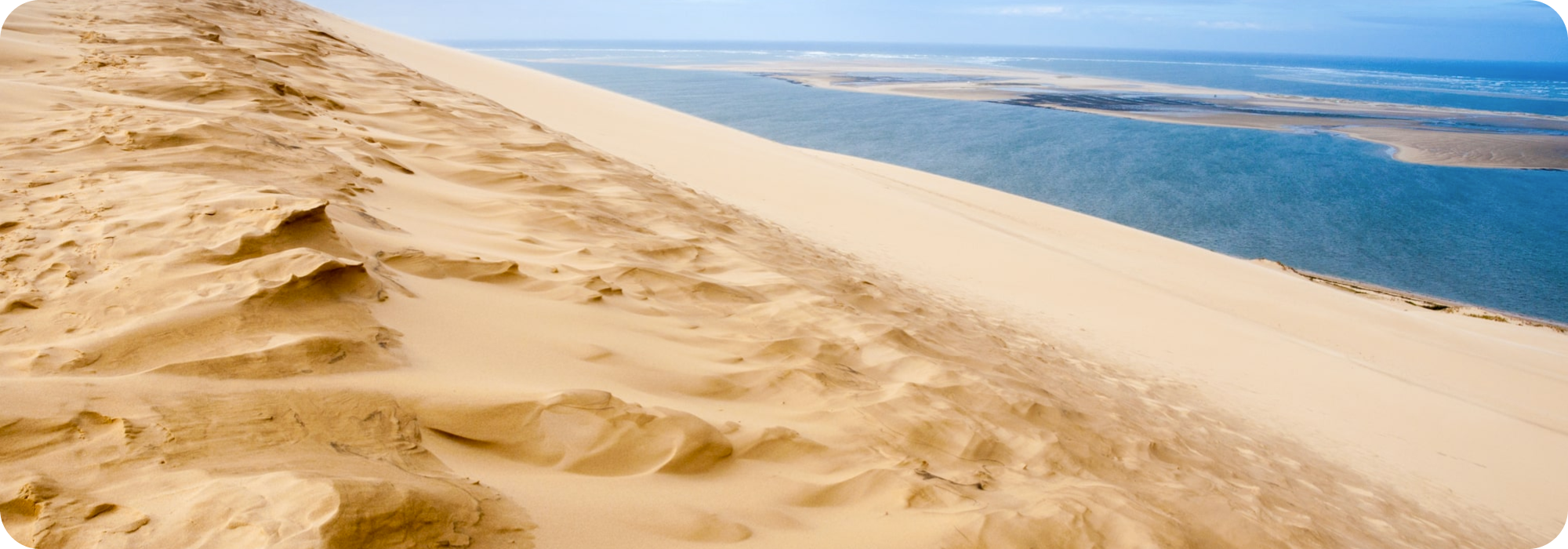
Just under an hour from Bordeaux, Arcachon Bay offers a refreshing coastal escape. Visitors can enjoy fresh oysters at seaside huts, explore pine forests, or climb the Dune du Pilat, the tallest sand dune in Europe, for sweeping views of the Atlantic Ocean. This day trip adds a natural, seaside dimension to a Bordeaux wine itinerary.
Bordeaux is a flexible destination that suits both short breaks and longer wine-focused journeys. A 2–3 day stay allows time to explore Bordeaux city and visit Saint-Émilion. With 4–5 days, travelers can add a château route through Médoc or Graves for deeper wine exploration. A 6–7 day itinerary is ideal for discovering the full wine region at a relaxed pace, including a coastal escape to Arcachon.
The Bordeaux wine region can be visited year-round, but April to June offers mild weather, blooming vineyards, and fewer crowds, making it ideal for winery visits. September and October coincide with harvest season, when vineyards are at their most vibrant and many wineries host special tastings and events. July and August are lively and warm, with festivals and long days, though popular areas can be busier and prices higher.
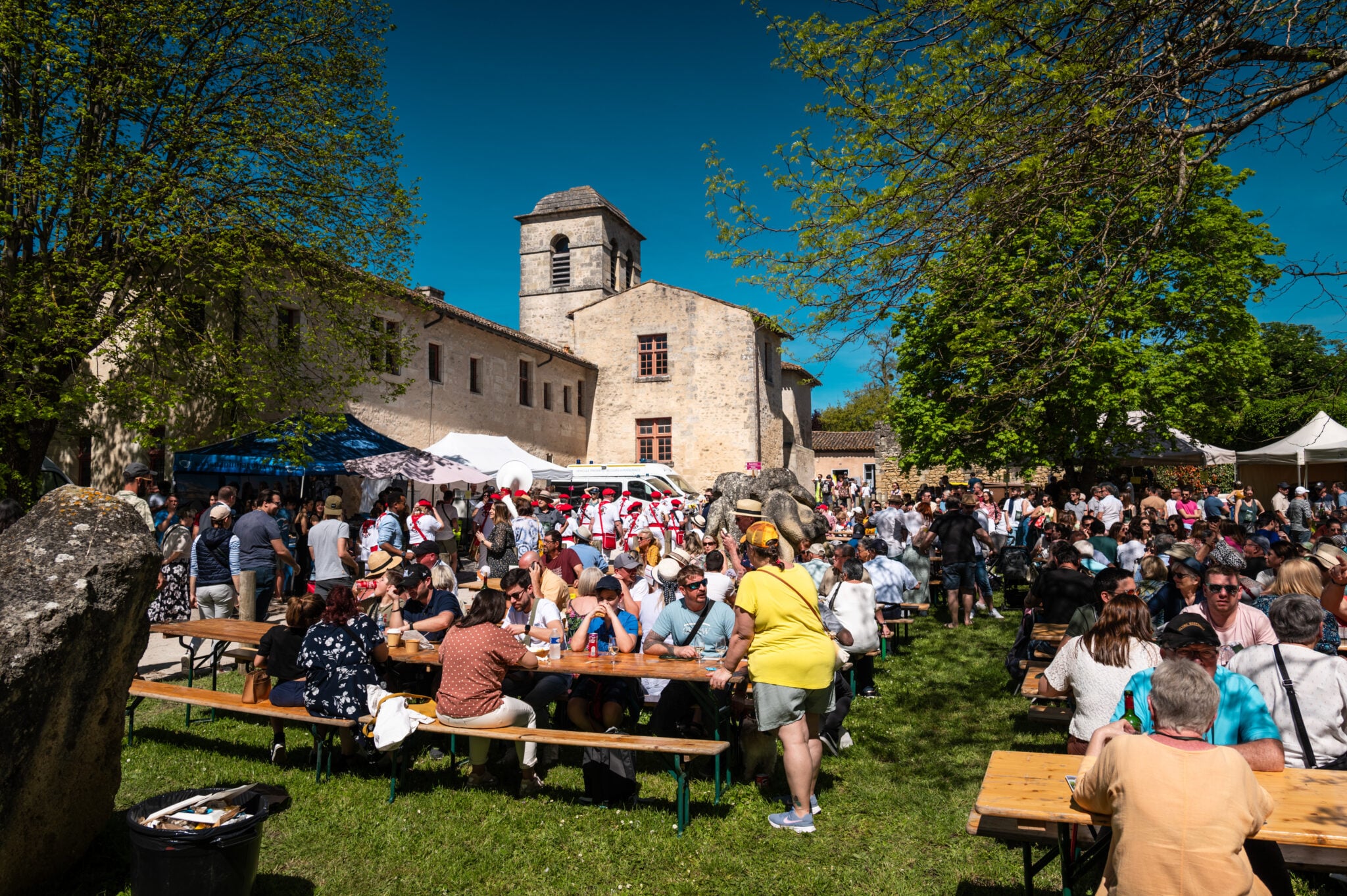
🍇 Key wine events include Bordeaux Fête le Vin, Printemps des Vins de Blaye, and the Independent Winegrowers’ Fair, which offer excellent opportunities to taste a wide range of regional wines in a festive setting.
Discover the finest Bordeaux Wine Tour Guide and embark on unforgettable Guided Wine Tours in the heart of Bordeaux.
Discover Culinary Specialities in Bordeaux. The location as a port and a trading city has affected the peculiarities of its gastronomy. Bordeaux wine region's gastronomical scene is pretty diverse. You will find everything from high-end gourmet restaurants and bistros to wine bars and marketplaces, where you can taste authentic food and products. Here you will find the three most characteristic dishes that represent the region the best.
The old Aquitaine recipe from Middle ages.
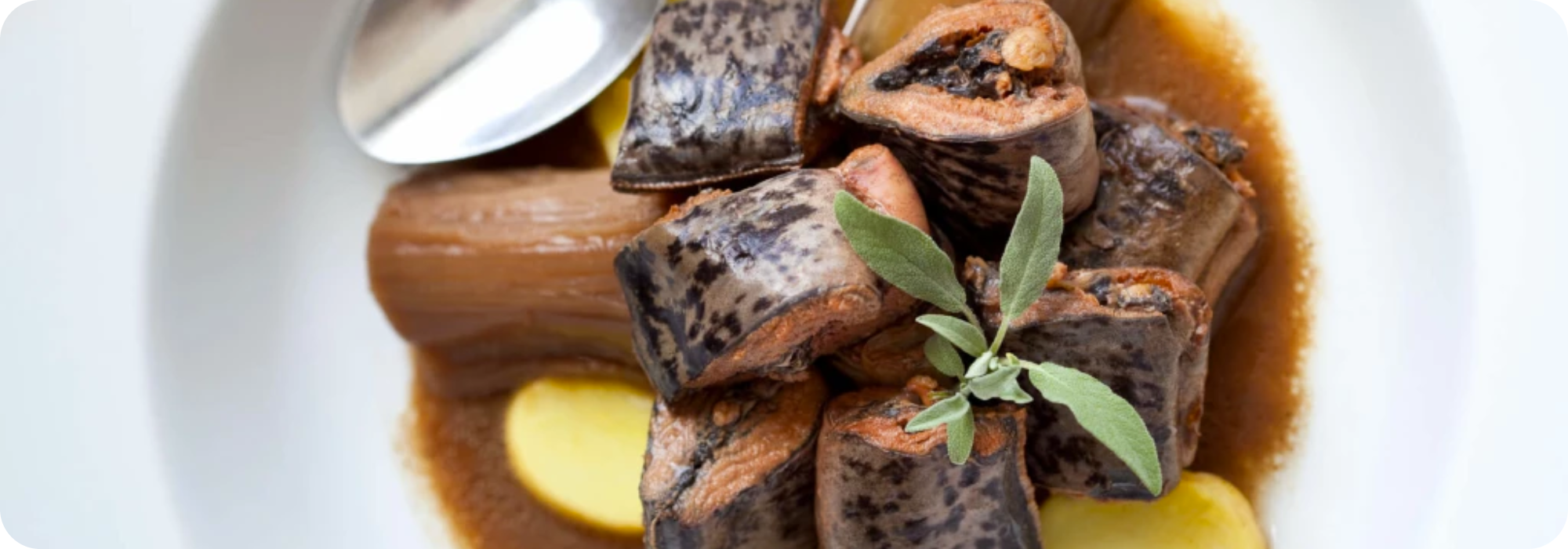
Not a pleasant story to be told how they prepare this dish. However, it is considered to be a delicacy in Atlantic coastal areas of France as well as in Spain and Portugal. Between February and March, the fish come back at Gironde and Dordogne confluence to lay their eggs. This is when fishermen catch Lamprey, which is the only fish to bleed alive.
the preparation of the dish starts with extracting blood from the fish, which is later mixed with red wine to prepare the sauce. Then, Lamprey is cooked with leeks and added the sauce. You can serve it with garlic croutons, fresh pasta or boiled potatoes.
Caviar d’Aquitaine is one of the most famous caviar in the world and part of the Aquitaine gastronomy. The Caviar comes from sturgeons raised in high-quality rivers and ponds. That’s why the Caviar d’Aquitaine is recognized by Michelin-starred chefs.
The best way to taste Caviar is to eat it alone to don’t change its amazing flavour. Avoid taking the Caviar with silver or stainless steel spoon to don’t oxidize it.
Taste it with dry white wine, brut or extra brut champagne, or fresh vodka!
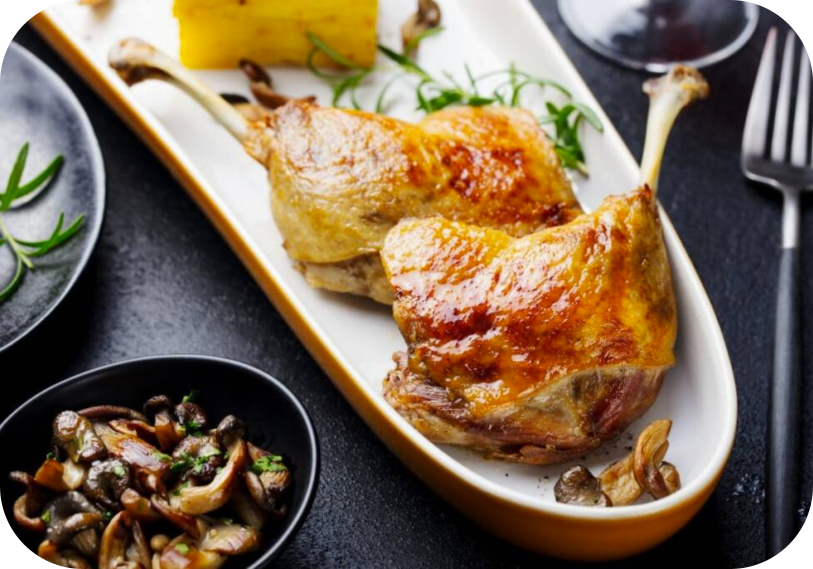
First, the aim of this recipe was to conserve the meat and protect it from the air thanks to the grease. Then, it became a real traditional recipe from the south-west of France.
After choosing Landes's duck, put the wings and thighs aside as well as the grease.
During 24 hours, the duck is covered with salt to dry up it before to be cooked. The meat is cooked for 2 hours in order to be tender. It can be tasted directly or it can be kept in its grease and to eat later.
The canelé is a vanilla and rum-flavored delicious little cake with a tender heart and crispy, caramelized crust. The Canelé's origins are still uncertain but the legend says it was invented by nuns of the Annonciades' convent. Yet, during the last archaeological digs, any cakes pans weren't found.
This pastry disappeared during several decades to come back in force during the '20s. There is some trouble with the cake's name: how many "n" need the word? The answer: only one since 1985 with the creation of canelé's association.
Would you like to read a bit more about Bordeaux wine and food? Have a look also at our blog post about Bordeaux food and wine experiences!
Discover the locations of wineries in Bordeaux
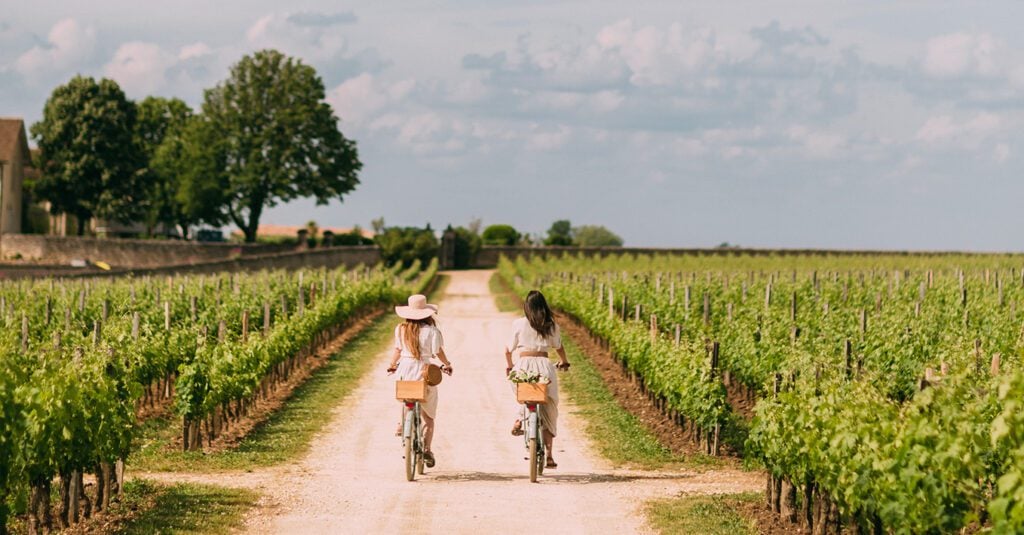
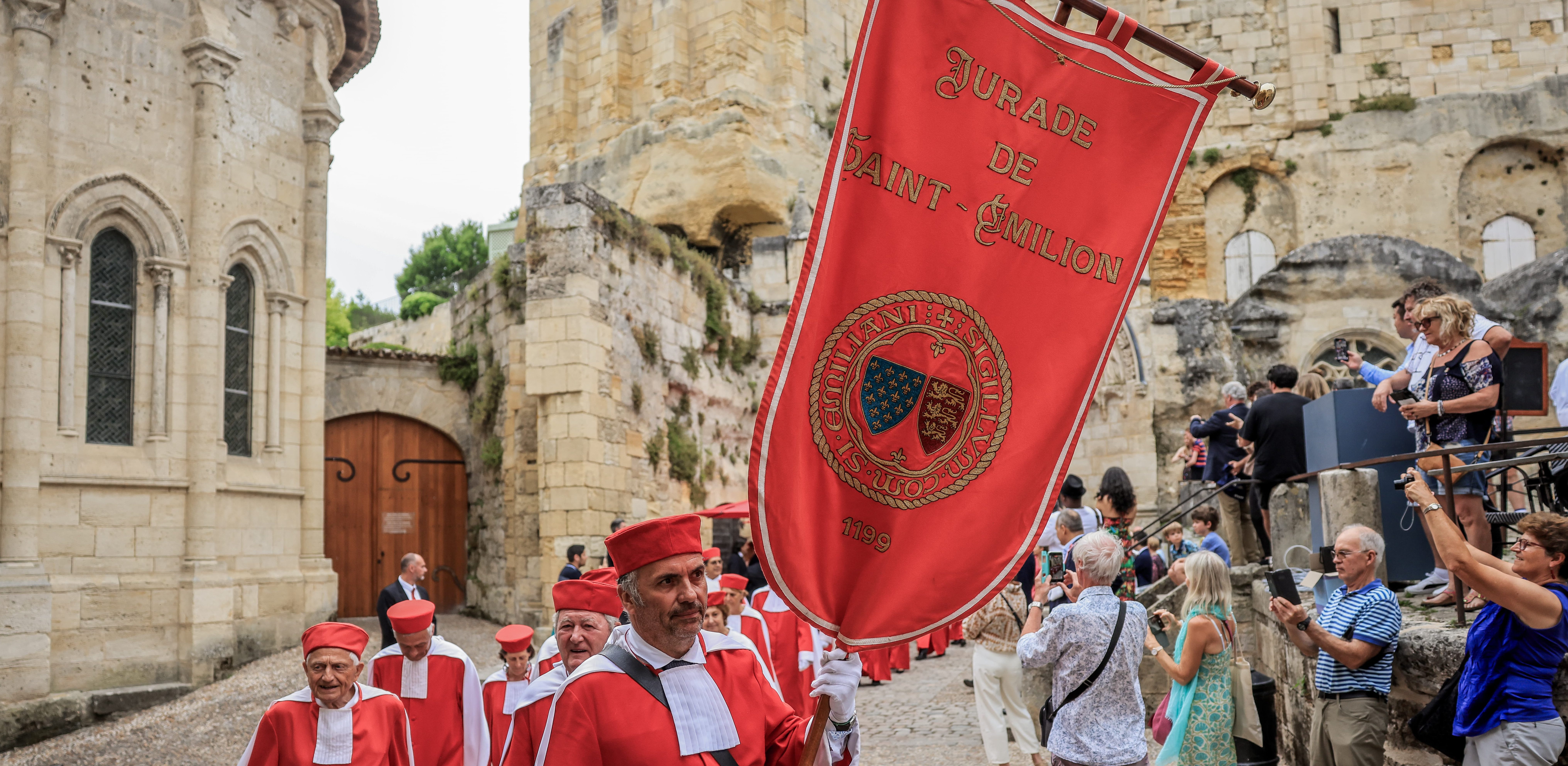
Bordeaux, France
Annual 21 June 2026 (Third Sunday of June)
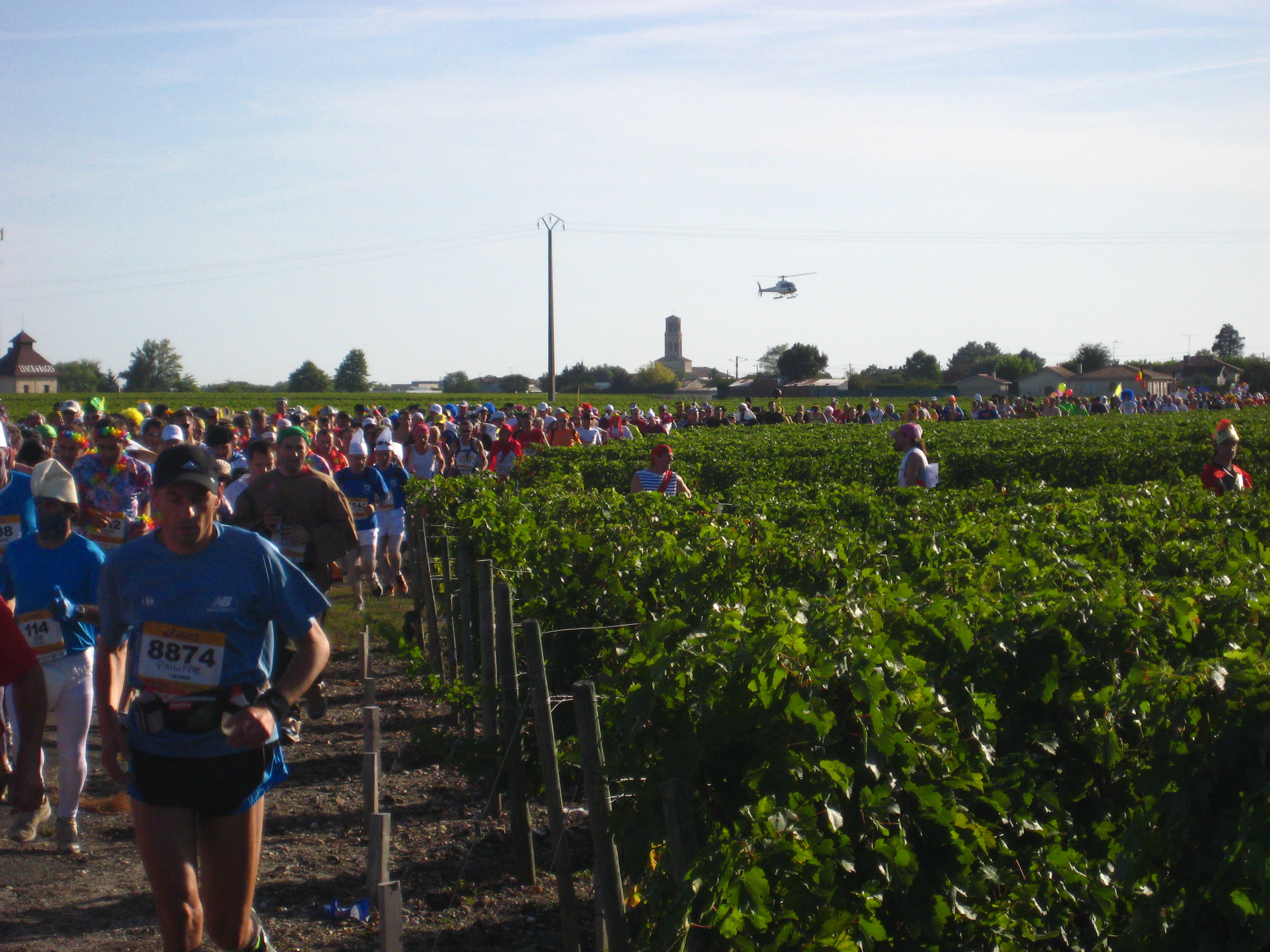
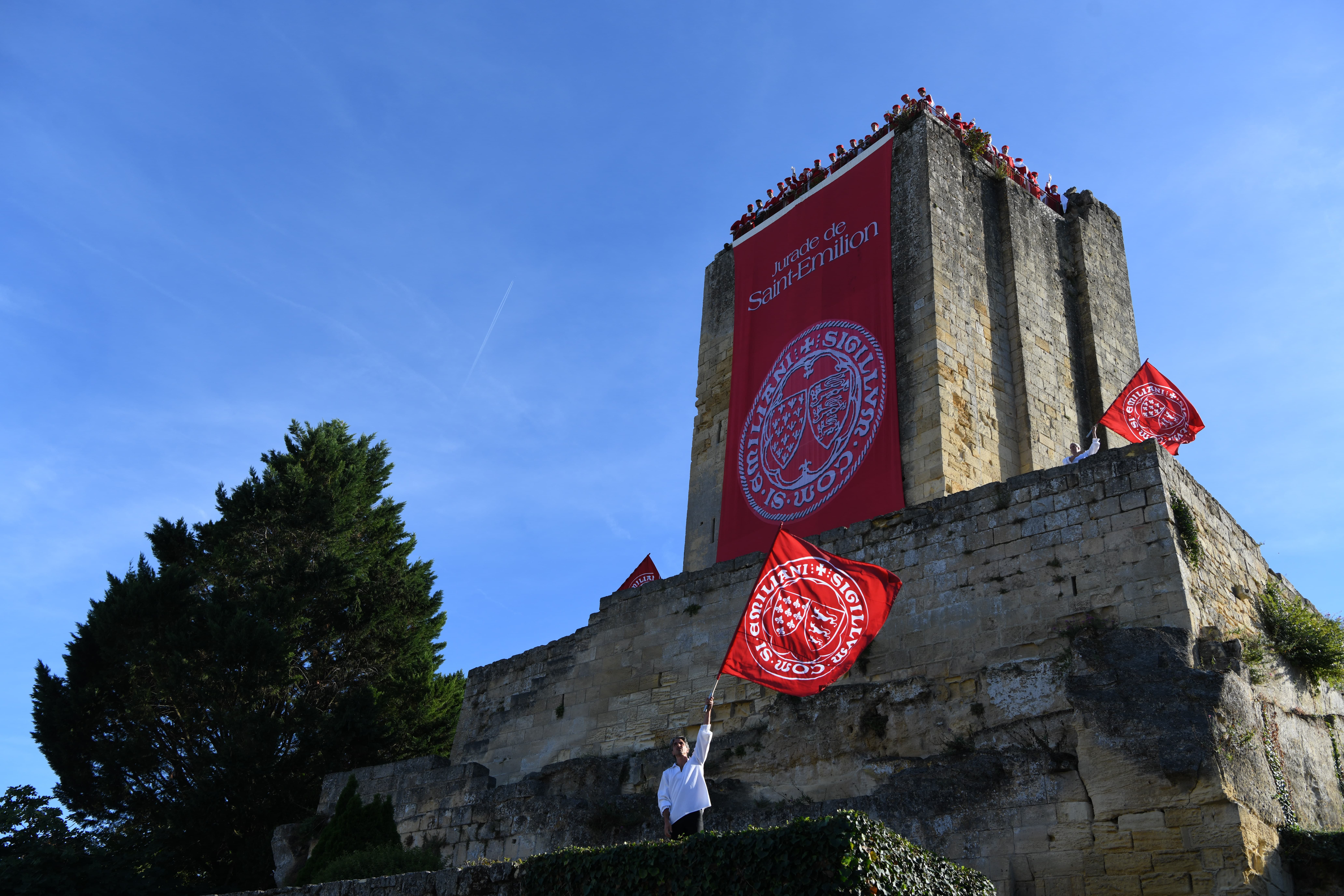
Bordeaux, France
Annual 20 September 2026 (Third Sunday of September)
Train Routes Through Wine Regions: A Slow Journey to Flavorful Discoveries There's a particular pleasure that belongs to taking the train through wine country. The car waits at the station; the road maps stay folded. You sit by a window, watch terraced vineyards turn the river silver below you,...
2026/06/24
Bordeaux is one of the most famous wine regions in the world, and it’s easy to see why. With thousands of wineries spread across legendary appellations like Médoc, Saint-Émilion, Pomerol, and Graves, it offers the kind of wine experience many travelers dream about. Bordeaux is best known for its...
2026/03/16
Das Timing ist in Bordeaux entscheidend. Der Rhythmus des Weinbergs – Austrieb, Blüte, Lese und Winterruhe – prägt nicht nur die Landschaft, sondern auch die Art der Weinerlebnisse, die du haben wirst. Das Wetter beeinflusst den Zugang zu den Weinbergen und die Art der Touren, während der...
2026/02/18
Join our newsletter now to receive our free guide on how to plan the perfect wine tour