
Carmenere
Andrii Savchenko
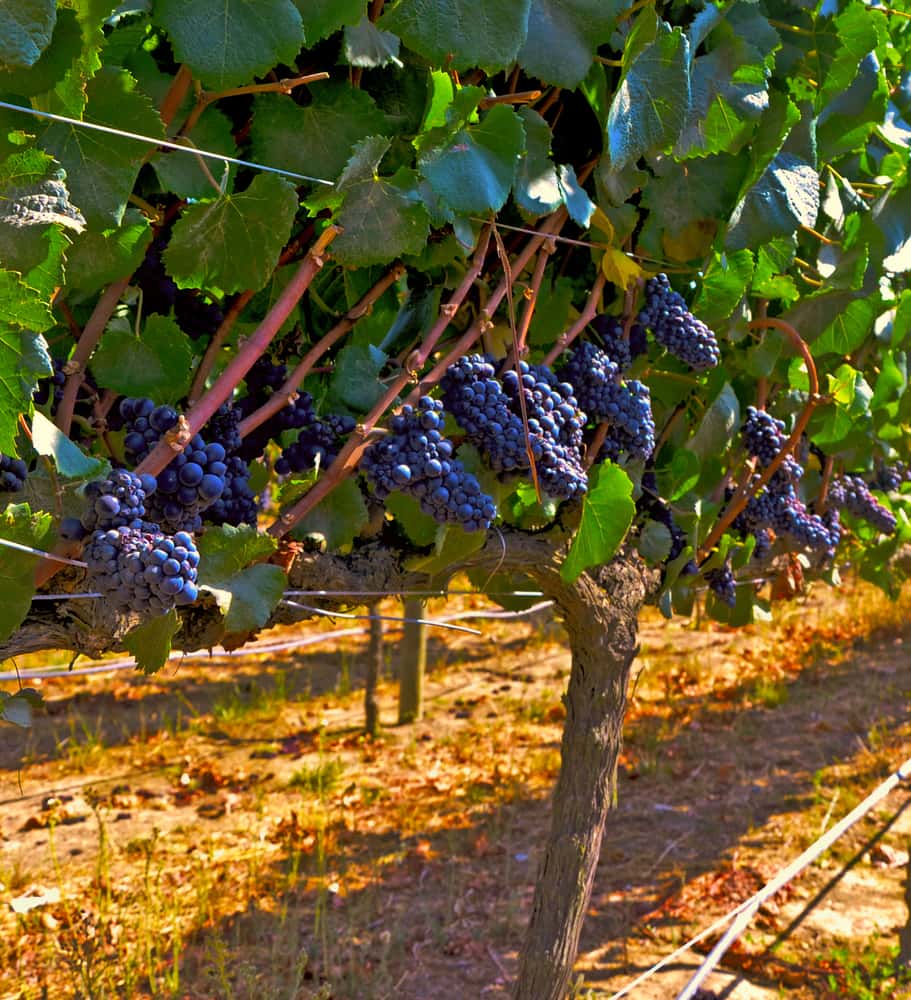
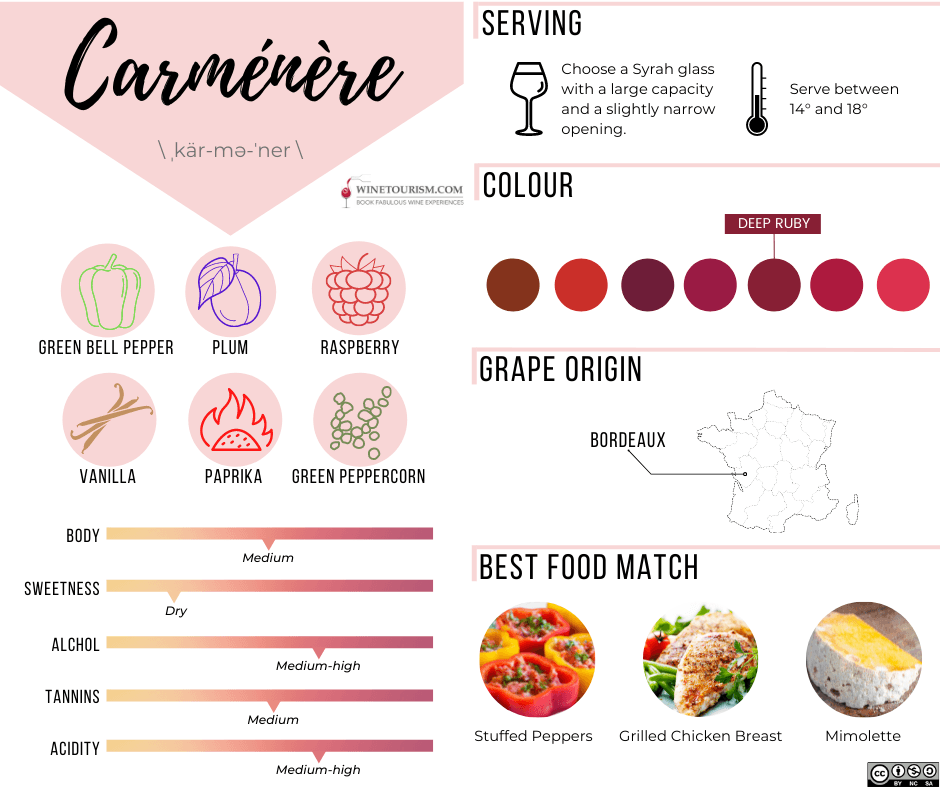
Carménère is a French red grape that originates from Bordeaux and was long thought to be extinct. It is a grape with dark skin, medium tannins, and medium body. On palate, one can find notes of red and black fruits. Also, Carménère has a distinct aroma of peppers thanks to the high levels of pyrazines. This grape produces elegant wines of deep color. In 1994, it was discovered that about 50% of what was thought to be Merlot in Chile was actually Carménère. No surprise, as these grape varieties have very similar vine leaves.
Where is Carmenere from?
Carménère was considered extinct after the Phylloxera plague of 1857, which nearly wiped out most of its vineyards in Europe. Carménère, however, went to the New World, to the Central Valley in Chile, where it was first mistaken for Merlot. Today, Chile is the largest producer of this grape. We can also find large quantities of Carménère in Italy and China, followed by Argentina, France, Croatia, and the USA.
Interesting story about Carmenere
The name Carménère, comes from the French word carmín which is the color that the vine leaves get in autumn. This grape found its success when it left its homeland after the Phylloxera plague almost wiped it out of Europe.
Carmenere grape characteristics
Carménère is a late-ripening grape. It easily made its way into the New World as this grape thrives in hot climates with intense summers, which allows it to reach its full potential. It does not like too much water, especially during harvest time.
Carmenere Wines
Immature grapes have bitter and herbaceous tones while fully ripe grapes give us more fruity flavors. Aged in oak barrels Carménère gives tones of earth, dark chocolate, and tobacco. The grape is usually blended with such grapes as Petit Verdot, Syrah, Cabernet Sauvignon, and Merlot.
What to pair with Carmenere?
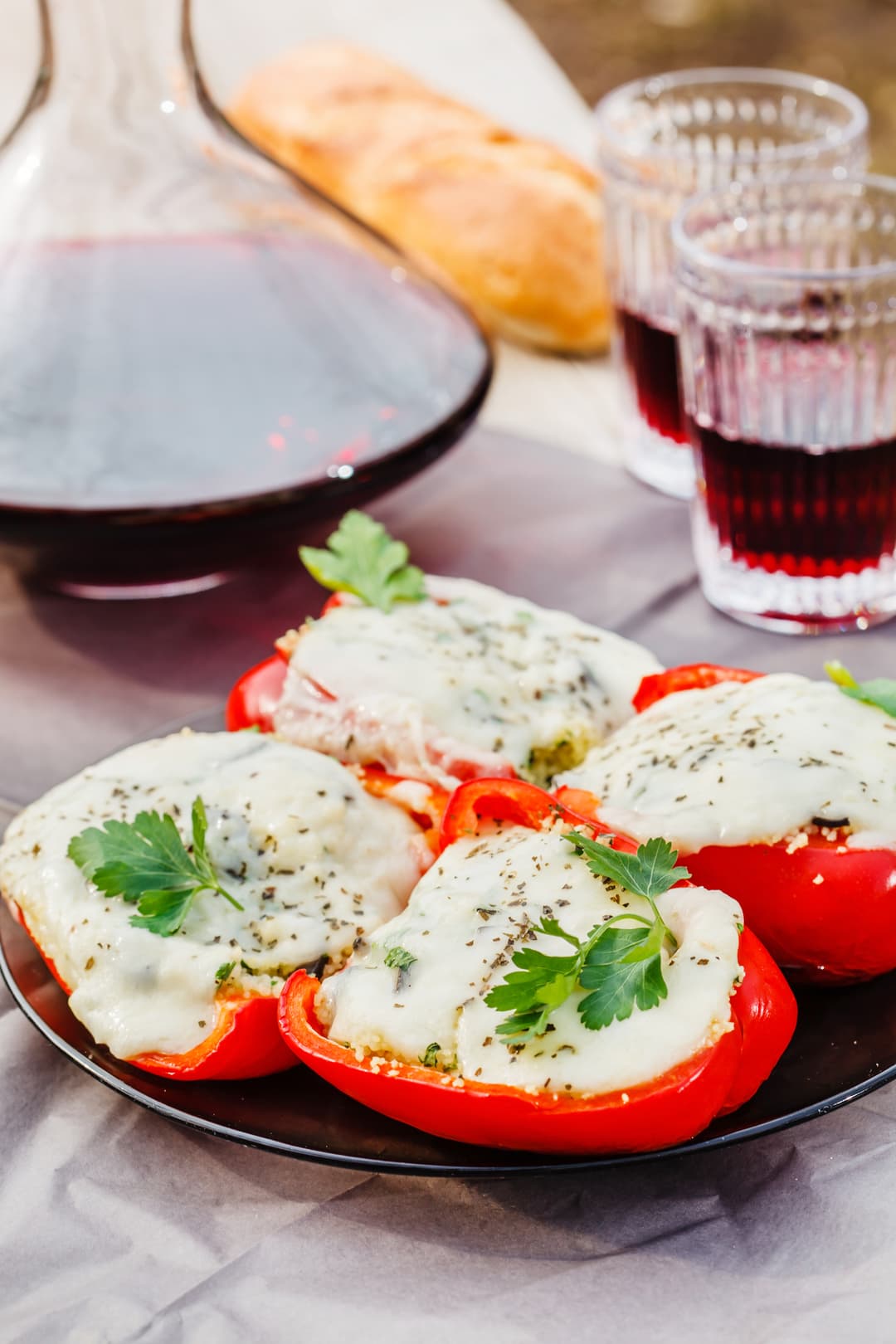
Like Merlot, Carménère can be paired with a wide range of meat-based dishes, such as grilled chicken and pork. Carménère goes very well with roasted vegetables or stuffed peppers. We can also combine it with cheeses such as feta or goat cheese depending on its intensity.
Where to find the best Carmenere wines

Chile
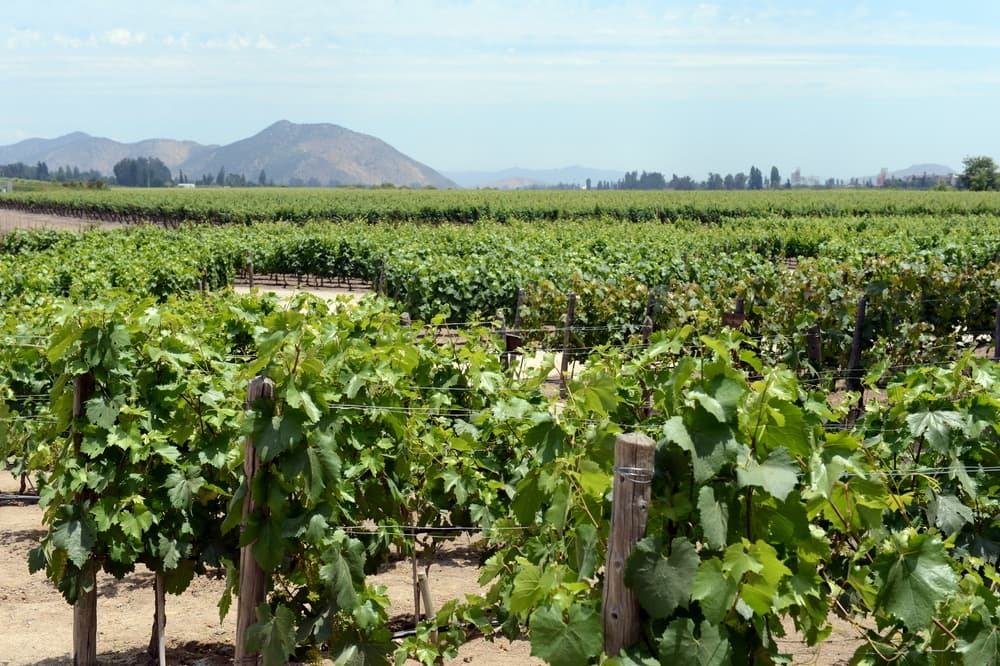
Here are some wineries in Chile where you can taste the best Carmenere wines:
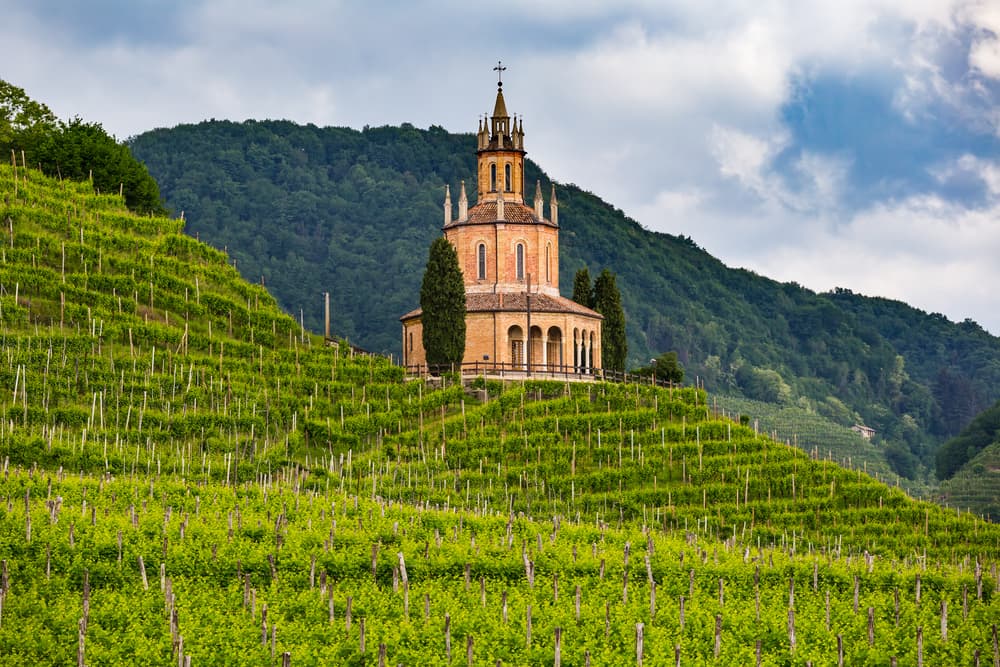
Veneto
Here are some wineries in Veneto where you can taste the best Carmenere wines:
Bordeaux
Here are some wineries in Bordeaux where you can taste the best Carmenere wines:

Frequently Asked Questions about Carmenere
The most common Carmenere descriptors include raspberry, paprika, dark plum, and vanilla.
Often, Carmenere is compared with Merlot. Indeed, these wines have a lot in common: similar texture and body, red berries notes.
Carmenere and Cabernet Sauvignon have some similar features as DNA test prooved that these grape varieties are half-sibling - they have the same "father", Cabernet Franc.
Carmenere is usually used in the production of dry still red wine.
Carmenere is best served slightly chilled - around 14-18 degrees Celcium.
Carménère wines often exhibit deep red color, medium to full body, and flavors of dark fruits (such as blackberry and plum), spice, green pepper, and subtle herbal notes.
Carménère is known for its sensitivity to cold temperatures, making it less winter-hardy compared to some other grape varieties. This is one reason why it struggled in Bordeaux but has thrived in Chile's warmer climate.
Carménère is originally from Bordeaux, France, but it has found a significant presence in Chile, where it has become one of the country's signature grape varieties.

Written by


