
UNESCO World Heritage Sites are places, cities, entire regions and monuments that have been declared as having a universal value for humanity and future generations. Among the heritage sites identified by UNESCO around the world, many of them are linked to wine-making traditions. There are quite a lot of protected wine heritage sites, which is why we are presenting the topic in a blog series.
Scroll down to read more about protected wine heritage sites in France, one of the most important countries when it comes to wine production and one of the countries with the most fascinating wine-making history and traditions.
And, in case you missed it, check our previous blog about UNESCO protected wine heritage:
Burgundy
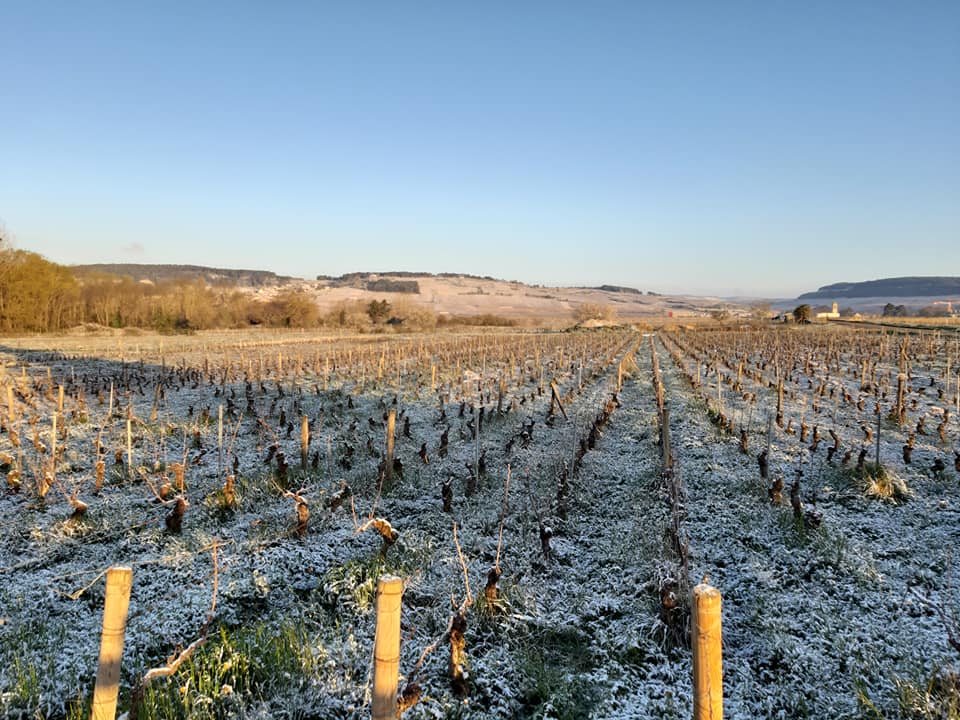
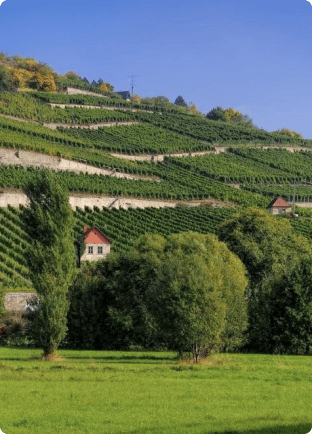
What UNESCO identified as unique in the Burgundy wine region are the Climats, the different terroirs where vines are cultivated around the region. The Climats are delimited vineyards that differ from one another according to specific conditions, could be geological, atmospherical or other geographical characteristics. There are 1247 Climats spread around the Burgundy wine region (according to UNESCO). Today, these Climats represent centuries of wine-making expertise and they reflect the experience that winemakers around Burgundy have acquired throughout the years.

This is how UNESCO describes the Climats and the effort that winemakers put into taking full advantage of the characteristics of this fertile land: "In an exceptional manner they reflect the ancient relationship of local human communities with their territories. Since the Middle Ages, these communities have demonstrated their ability to identify, exploit and gradually distinguish the geological, hydrological, atmospheric and pedological properties, and the productive potential of the Climats."
Champagne
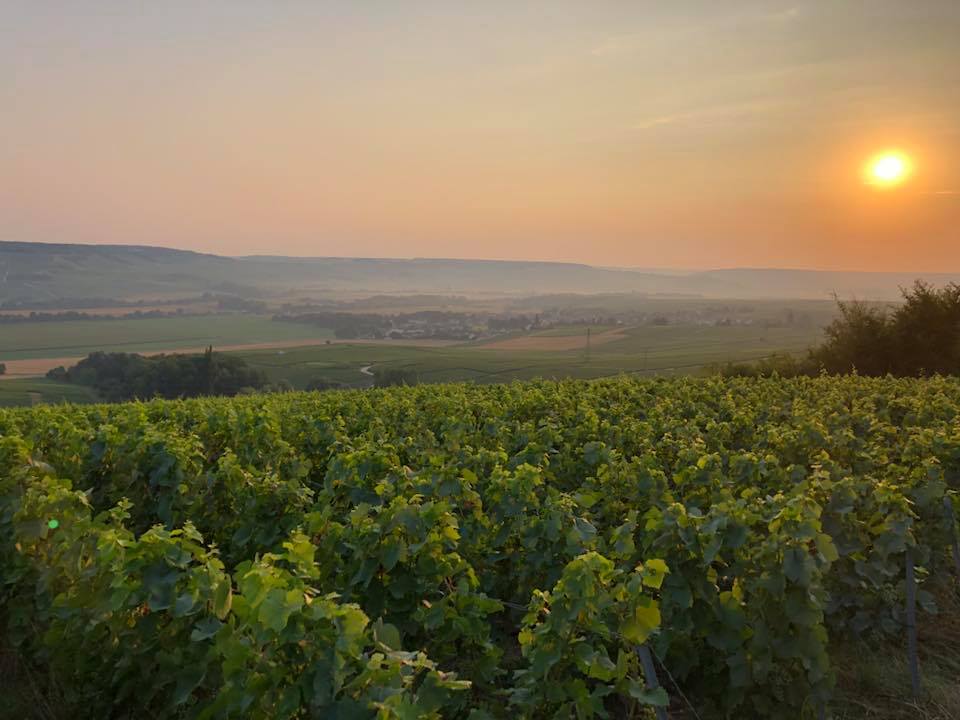
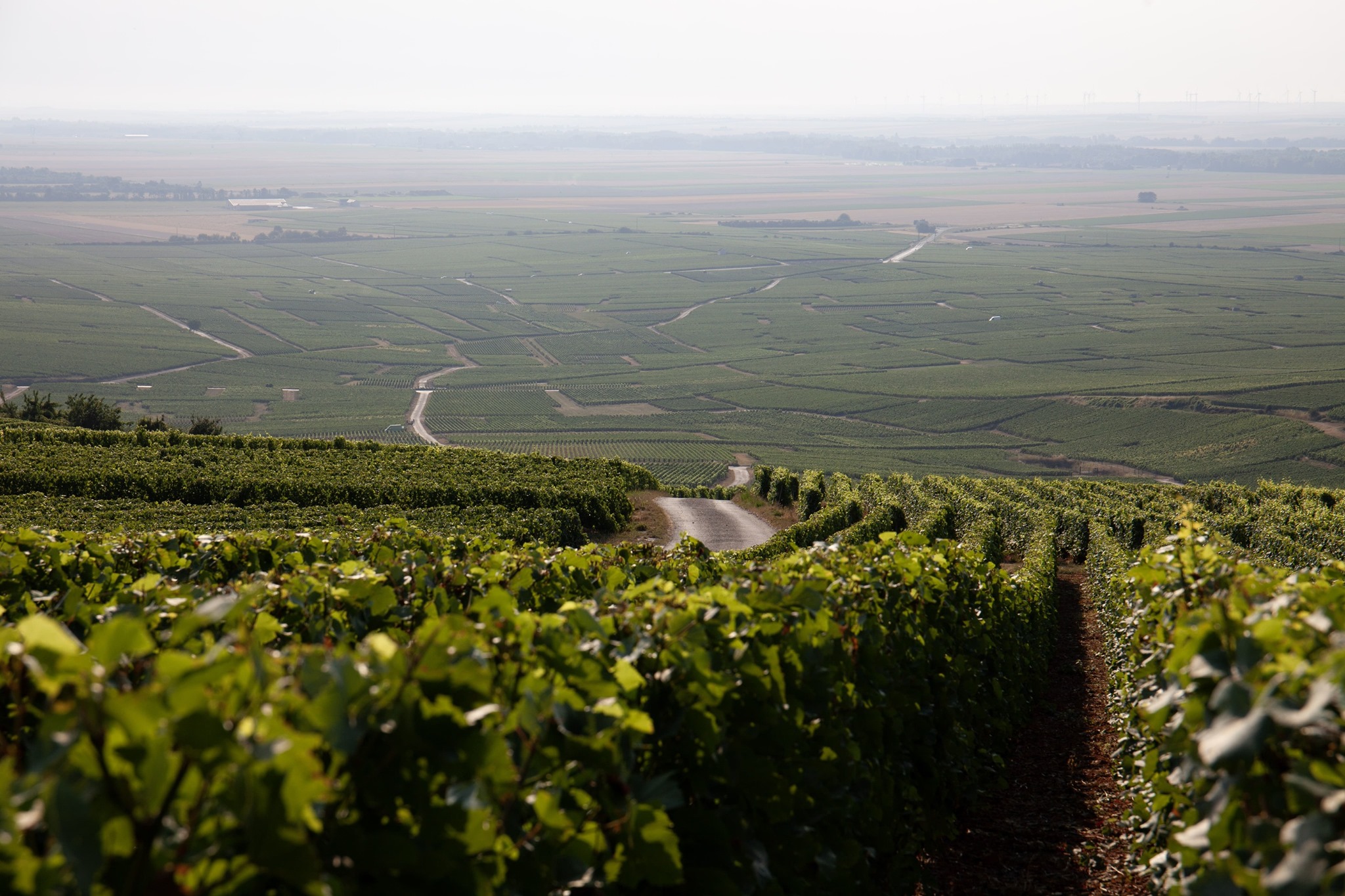
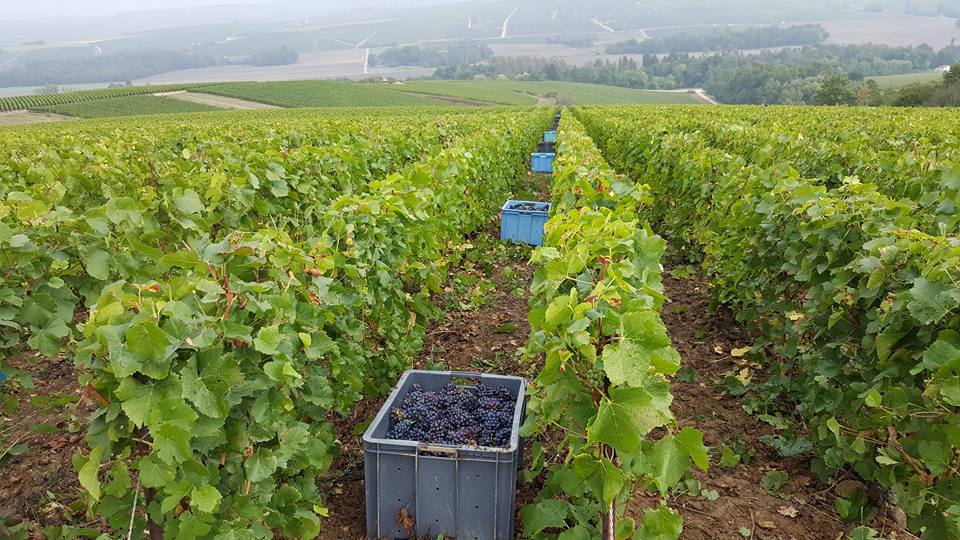
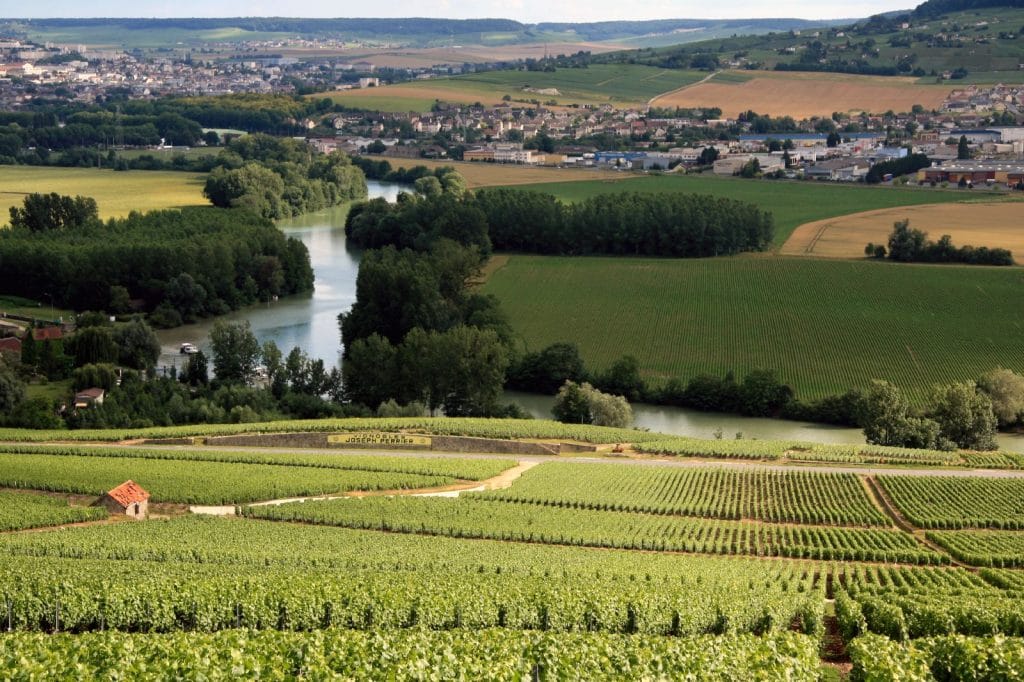
We can all agree that Champagne is one of the world's most iconic wines and that it has all the right to be celebrated and recognised as a cultural product. Indeed, Champagne wine is the representation of the work of an entire region. Hillsides, houses and cellars located in Hautvillers, Aÿ and Mareuil-Sur-Aÿ, plus Saint-Nicaise Hill in Reims and the city of Épernay, the heart of Champagne wine-making, make up the geographical area part of the heritage site. Together, these places and their communities brought to the creation of a peculiar agro-industrial landscape. From the work in the vineyards to the final distribution of Champagne, every actor involved in the production of the sparkling wine par excellence made it possible for the wine to be commercialised worldwide.
From UNESCO's description: "This agro-industrial system, which has structured not only the landscape but also the local economy and daily life, is the outcome of a long process of development, technical and social innovations, and industrial and commercial transformations, which speeded up the transition from an artisanal crop to mass production of a product sold around the world. "
Loire Valley
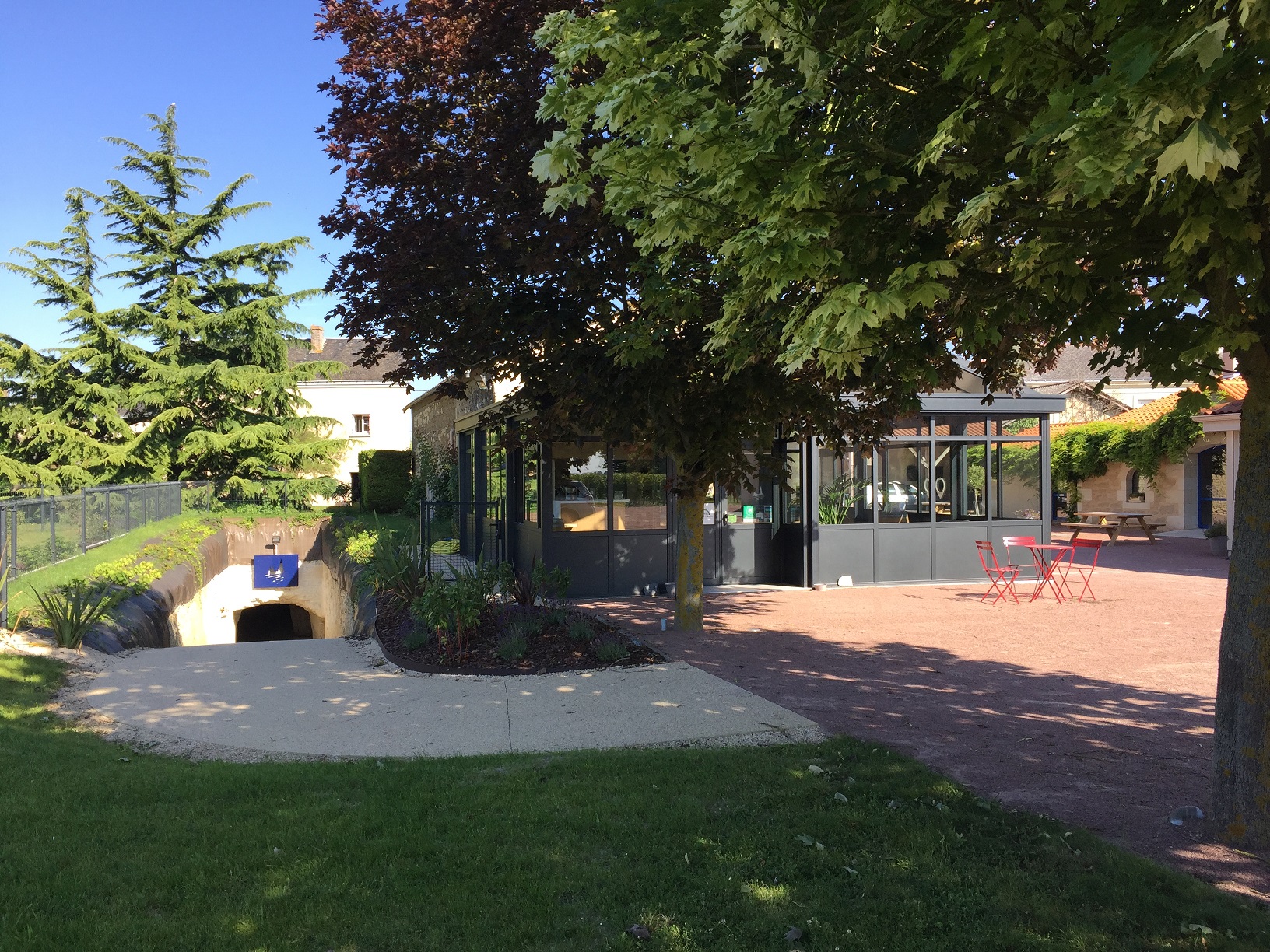
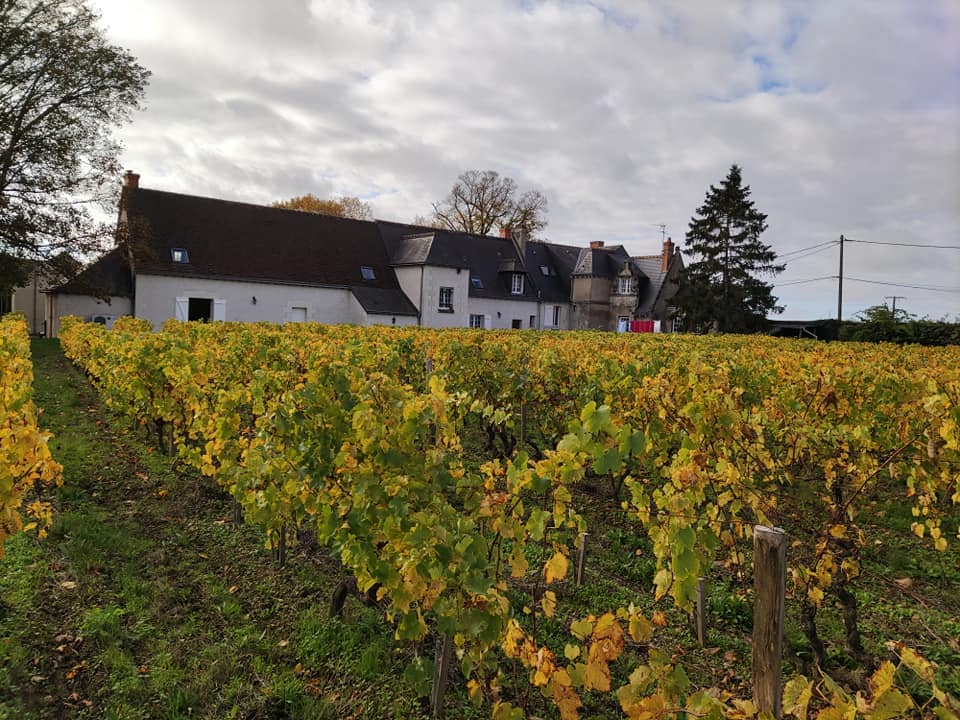
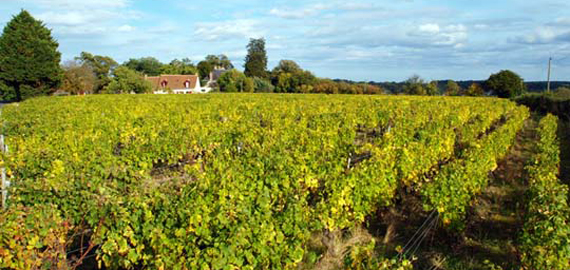
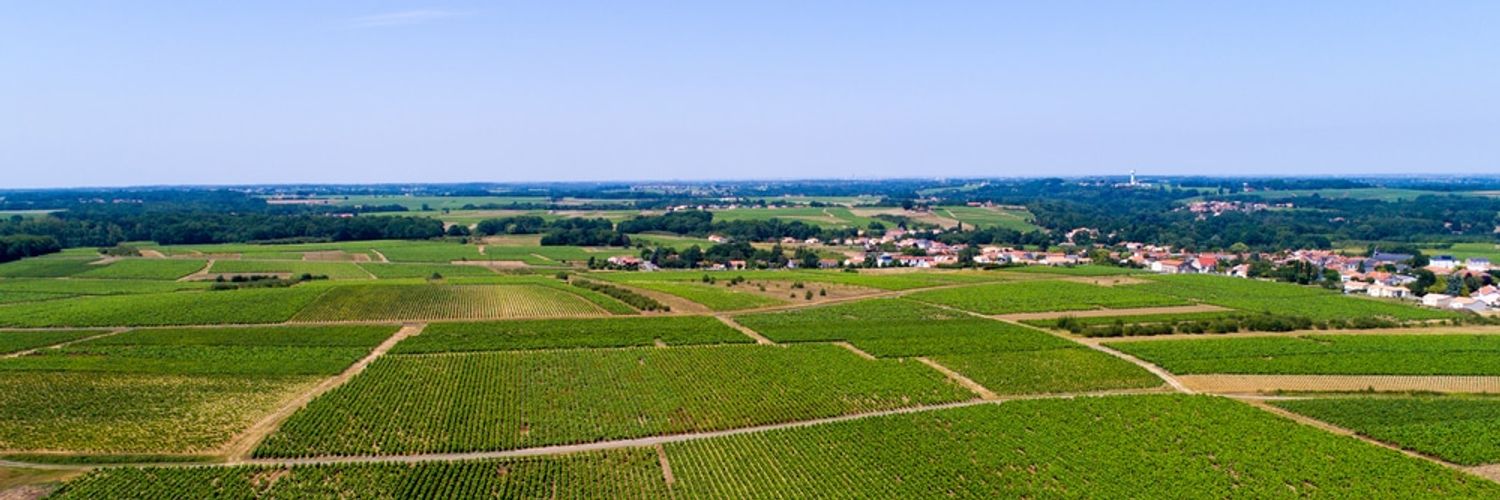
Loire Valley is an incredible wine region and an impressive cultural landscape, where wine-making expertise perfectly represents architectural beauties, the region's history and the years of hard work of the local communities. The protected cultural landscape celebrated by UNESCO covers the area between Sully-sur-Loire and Chalonnes, covering more or less 280km of the course of the river Seine. The Loire region has always been an important commercial crossroad, ever since the Gallo-Roman times. This favourable situation made it possible for the entire Loire Valley to undergo a rapid process of economic development that highly influenced the everyday life of the population and the quality of the agricultural cultures, such as the cultivation of vines. Loire Valley is indeed one of the most famous and appreciated wine regions in France and its delicious wines are the result of the cultivation of healthy grapes.
Saint-Emilion
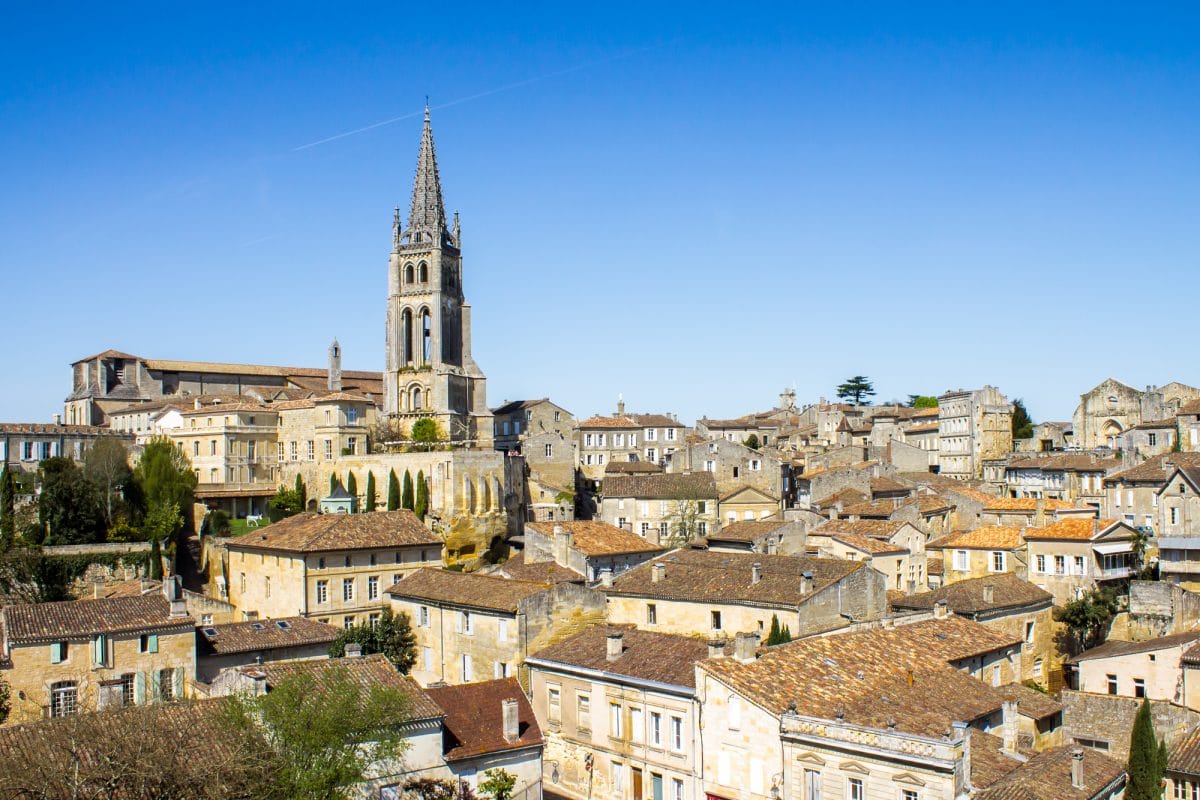
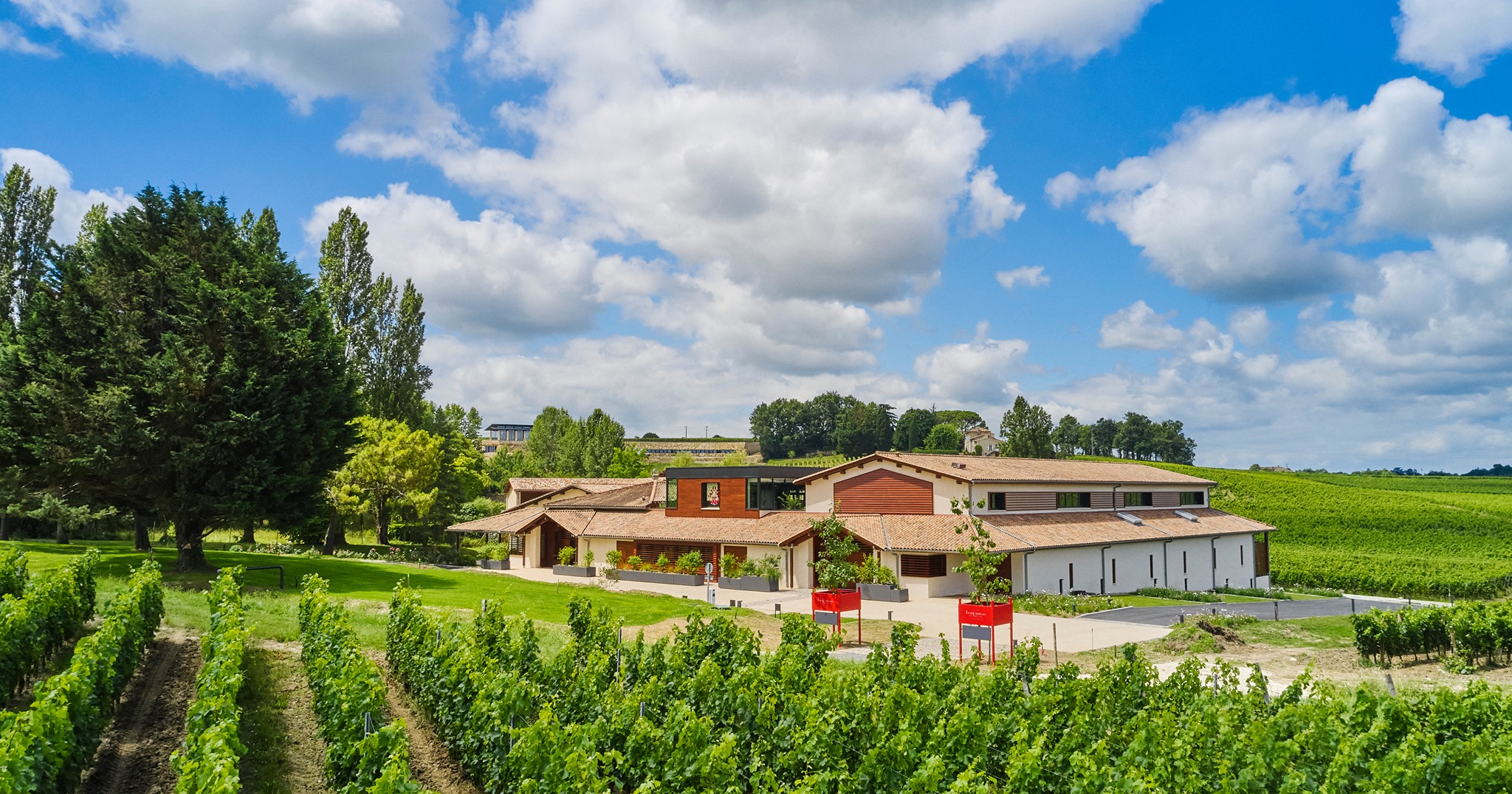
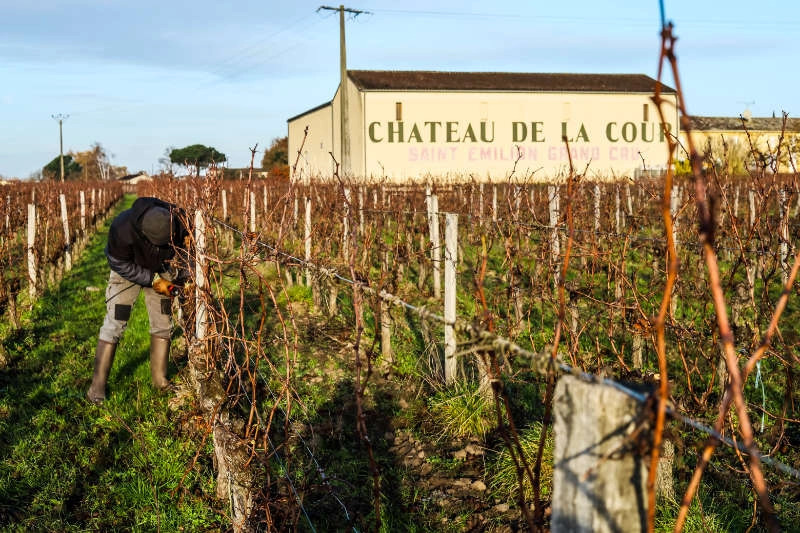
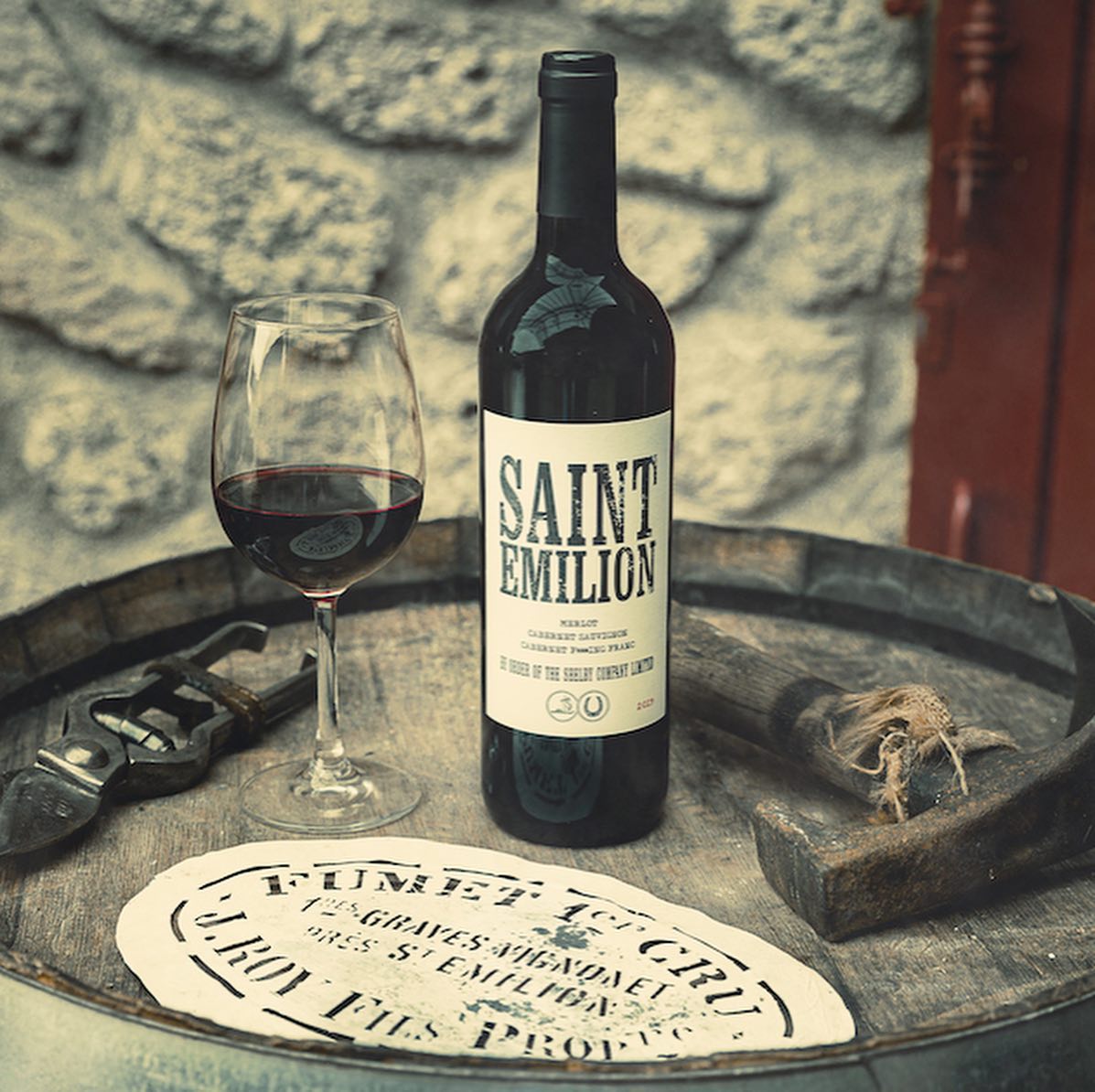
The town of Saint-Emilion is one of the most important wine-making centres in the Bordeaux wine region. The territory of Saint-Emilion is located on a plateau, surrounded by hillsides, valleys and the Dordogne and Barbanne rivers. Viticulture is the main agricultural activity carried out in Saint-Emilion, a tradition that was first introduced in this fertile land by the Romans and then developed by the first local winemakers during the Middle Ages. Viticulture quickly became the number one actor in the jurisdiction of Saint-Emilion and it influenced the cultural landscape not only of the area but that of the entire Bordeaux wine region.
Even the villages around Saint-Emilion were built to be functional for vineyards workers and winemakers. In every village or town, there were chais, wine storehouses projected to have very functional structures to make the work of workers easier.