
What is a UNESCO World Heritage Site?
World Heritage Site is a designation given to some places, could be entire regions, areas of cities or monuments, by the UNESCO. These places were chosen because of their "universal value to humanity", as reported by UNESCO itself. The need to produce a list recalling some of the world's most valuable and incredible tangible heritage sites was born to fulfil the need to preserve these sites for future generations.
In the UNESCO World Wine Heritage Site list, there are several protected wine heritages and incredible wine regions that still produce wine according to tradition. Follow us to read all of our articles related to wine heritages recognised by UNESCO.
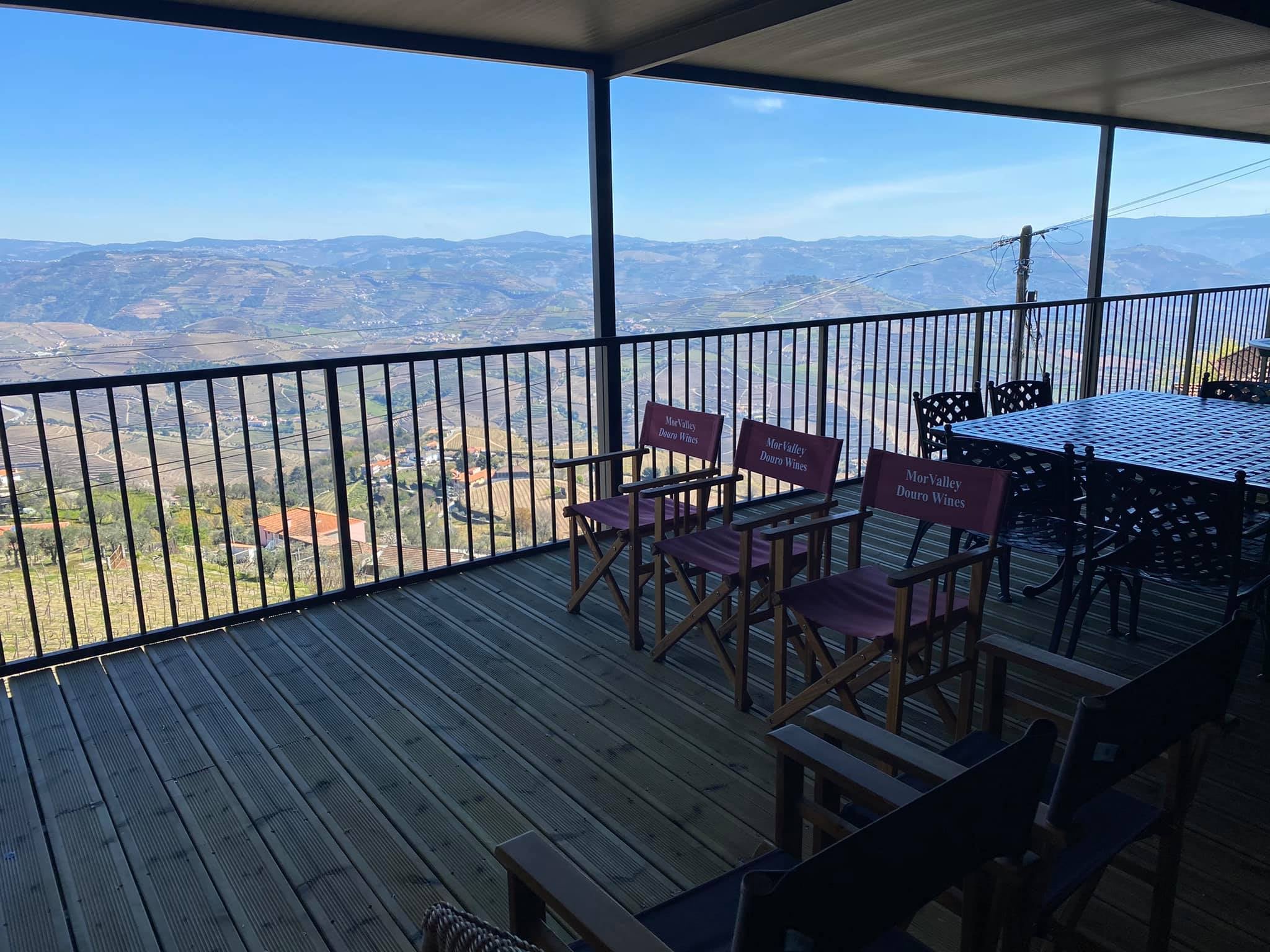
Alto Douro
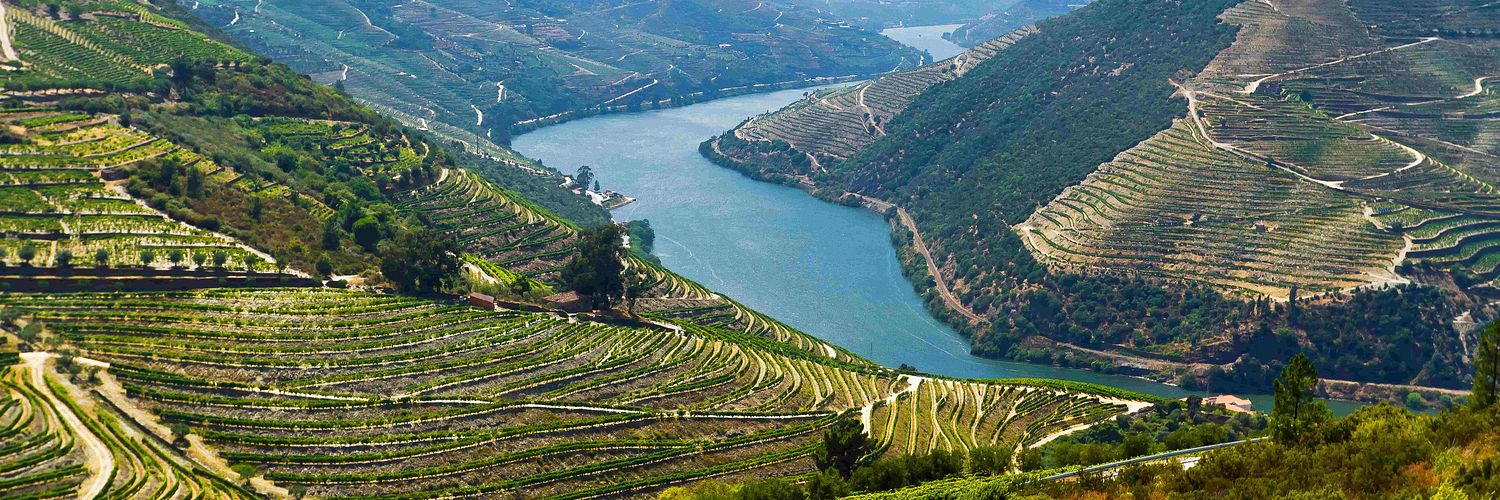
In 2001, the cultural landscape of the Alto Douro wine region was listed as a UNESCO World Wine Heritage Site for its long tradition of winemaking, which has been going on in the region for more than 2,000 years.
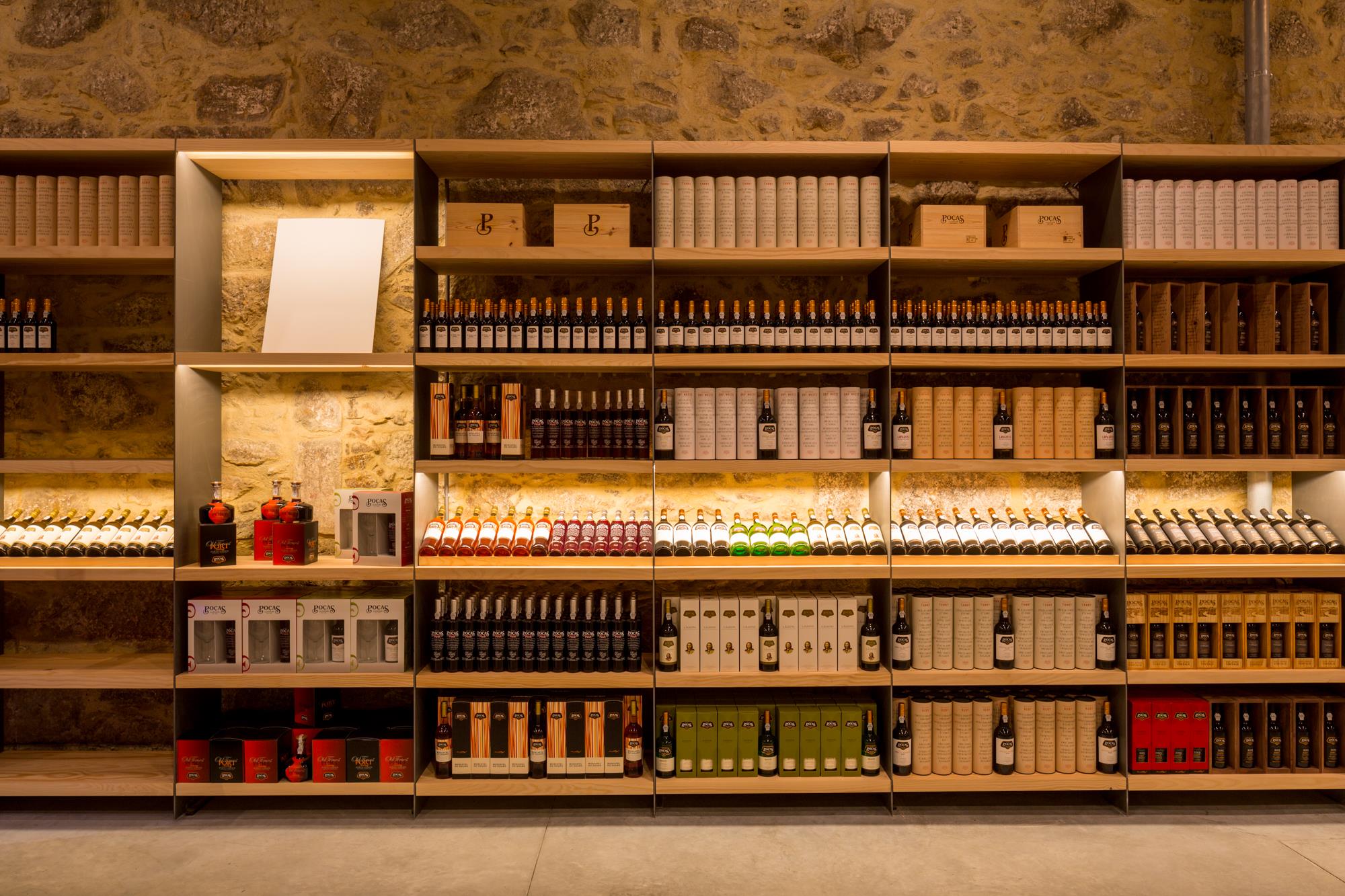
The main wine produced in the Alto Douro wine region, and in the Douro Valley wine region, is the delicious Port Wine, famous worldwide for its quality, incredible history and unique taste. The tradition of Port Winemaking started in the 18th century and ever since then, the production of Port is an excellent example of land management, the use of water resources and the relationship between the terroir and winemakers.
As reported by UNESCO, “the landscape is an expression of people’s courage and determination, of their acumen and creative genius in understanding the cycle of the water and the materials, and of their intense, and almost passionate, attachment to the vine.”. This is what makes Alto Douro so special and why you may want to organise a trip to this wine region very soon.

Tokaj
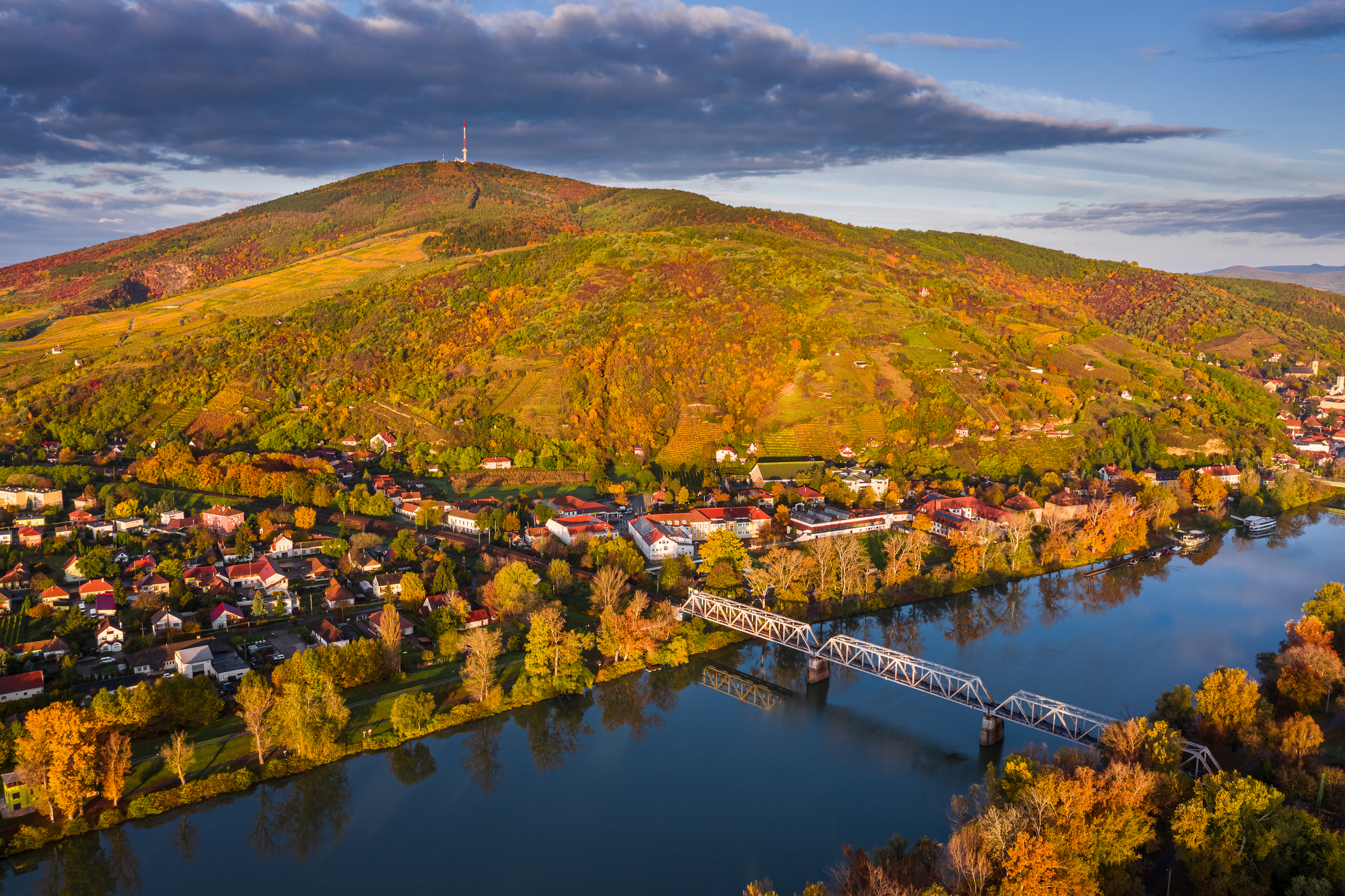
Tokaj wine region was listed as a World Wine Heritage Site in 2002 when its cultural landscape representing the long tradition of winemaking in the region was recognised by UNESCO sites. Tokaj is located in north-east Hungary, at the foothills of Zemplén Mountains, in the area where the Bodrog and Tisza Rivers conflate.
The cultivation of grapes started in the 16th century, together with the making of the first wine from Tokaj, called ‘aszú’. It was only in 1737 that the Tokaj wine region was legally given borders and a delimitation, thanks to a decree by the Emperor Charles VI.
The development of wine production, cultivation of vineyards, small towns and farms was made possible thanks to the favourable climatic features of the region, especially a microclimate resulting from wetlands and volcanic slopes. Volcanic rocks played an important role in Tokaj, as they were carved by hand to create wine cellars. You can indeed find two types of cellar in Tokaj: vaulted and excavated.
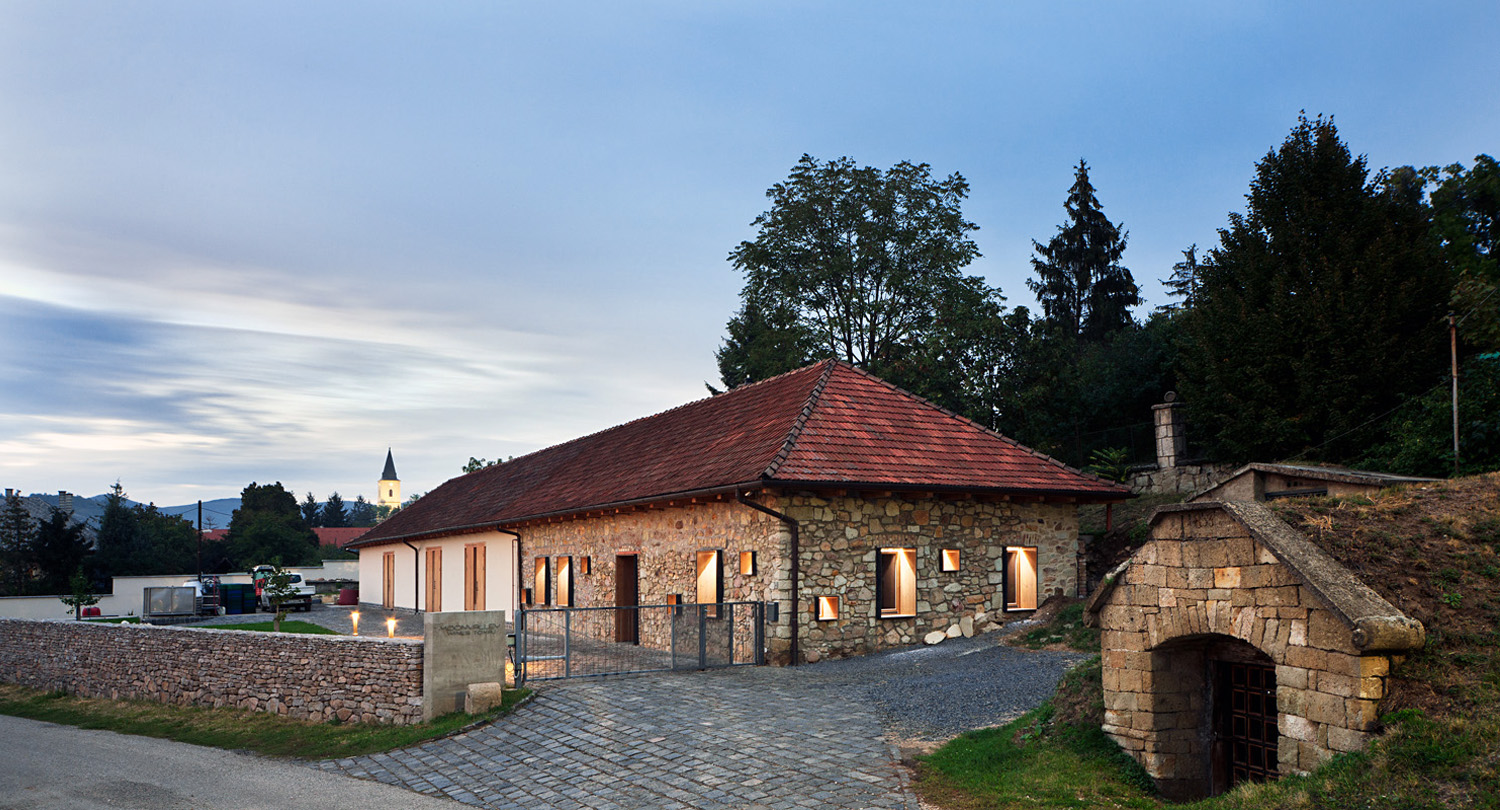
Discover our partner wineries in Tokaj and learn more about the long history of this fascinating wine region.
Wachau
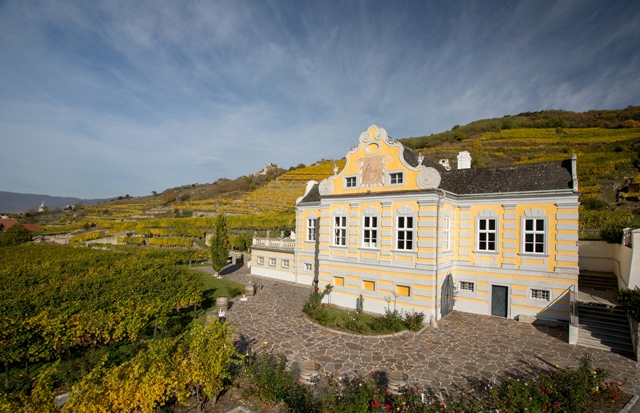
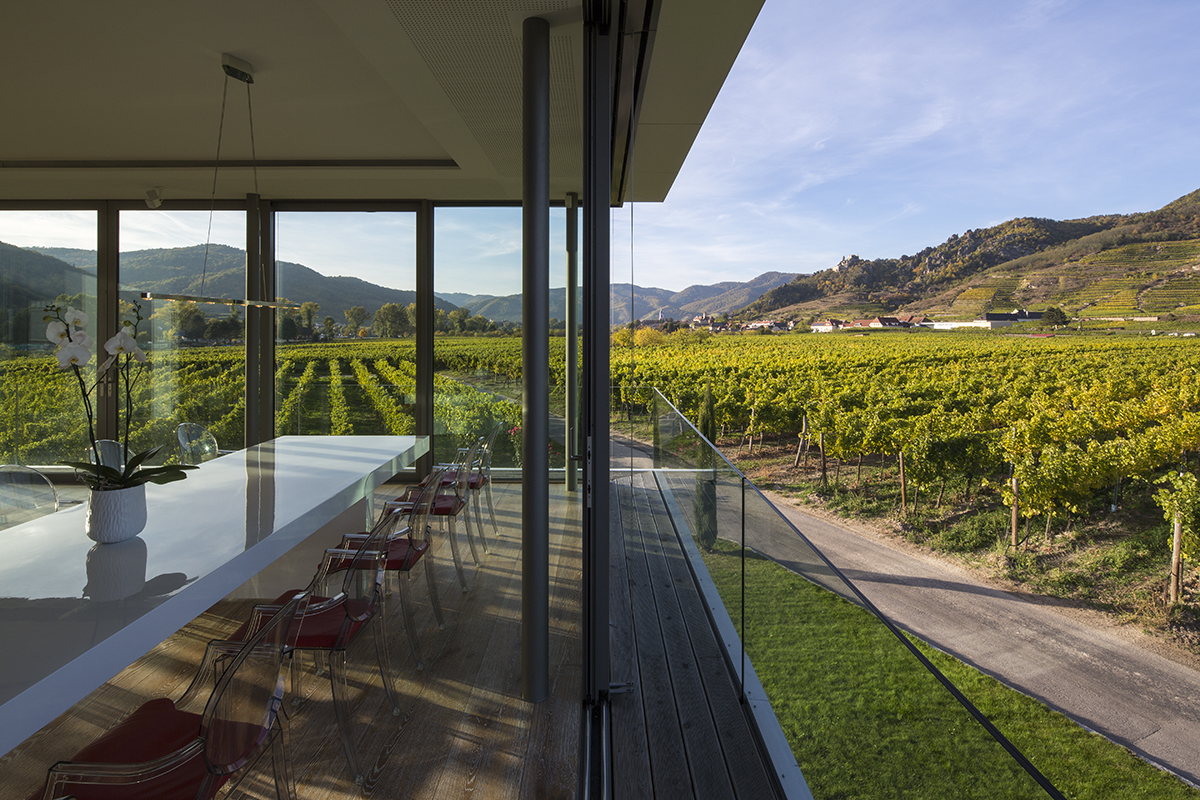
The Wachau wine region is located between the cities of Melk and Krems, on the Danube river. It was inscribed in the UNESCO World Heritage Site list in 2000 and UNESCO describes it as a region with "many intact and visible traces of its continuous, organic evolution since prehistoric times, be it in terms of architecture (monasteries, castles, ruins), urban design (towns and villages), or agricultural use (mainly for the cultivation of vines and apricot trees).”
The Wachau cultural landscape is part of the UNESCO sites and is considered to be very important evidence of social and economic evolution within a community for several decades. After a few interventions made in the late 20th century, protective measures have been introduced to ensure the integrity of the cultural landscape for future generations.
In Wachau, winegrowers still operate in buildings that date back to the Middle Ages, which have been integrated with more modern features starting from the 18th century onwards.
Check out our partner wineries in Wachau and start exploring one of Europe’s most unique wine regions.
Pico Island
Pico Island is the second-largest island in the Azores archipelago, characterised by rocky shores and dramatic landscapes. Evidence of viticulture made using rectangular plots dates back to the 15th century. The man-made cultural landscape part of the UNESCO sites is a perfect example of an ancient practice that was once more widespread.
Today, the production of wine on Pico Island has declined due to desertification and diseases that killed the vines, but in the area around the village of Criação Velha, winemaking is still thriving. The vineyard landscape and winemaking culture of Pico Island is still well preserved and are what made UNESCO award the Pico Island vineyard culture as a World Heritage Site in 2004.
Georgian Winemaking Method
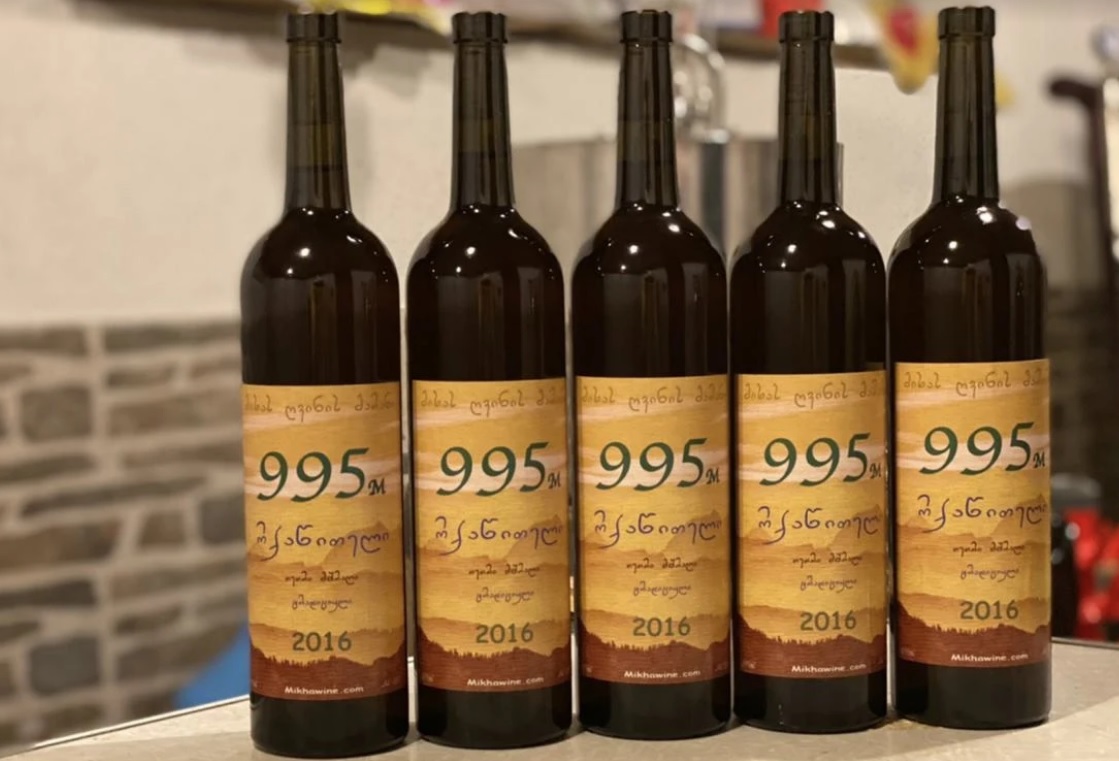
Georgia is the real home of wine, the land where wine has been produced for over 8,000 years still following old traditions and winemaking methods. Indeed, Qvevri winemaking is still practised around the entire country, especially in the Kakheti wine region. Qvevri is an egg-shaped clay jar that is not only used to produce the wine but to age it and store it as well. Qvevri winemaking method is a unique wine heritage, which is protected by UNESCO.
The use and knowledge of the Qvevri winemaking method is a heritage passed down generation by generation and many children around Georgia learn at a very young age how to work in the vineyard, how to pick grapes and start to make wine in the Qvevri. For the importance that this method has on the Georgian wine production, UNESCO has enlisted Qvevri among the Intangible Cultural Heritage of Humanity.
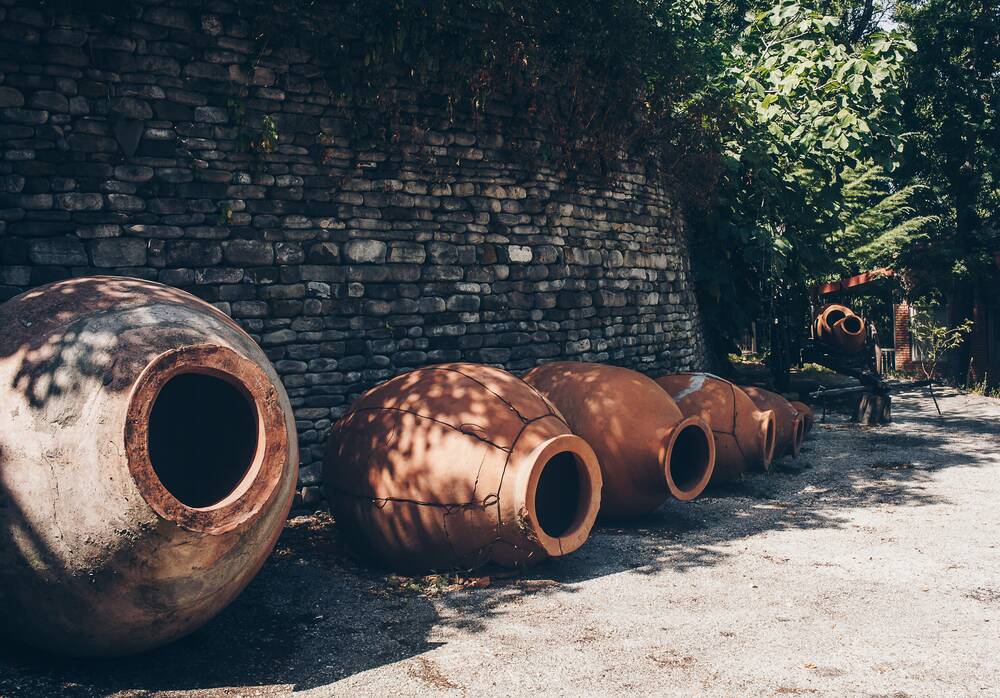
Learn more about the Qvevri method at wineries in the gorgeous Kakheti wine region. You will be amazed by the knowledge and skills of Georgian winemakers.

Upper Middle Rhine Valley
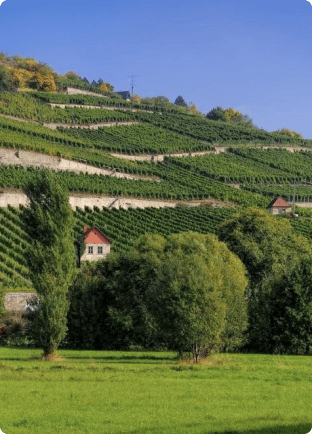
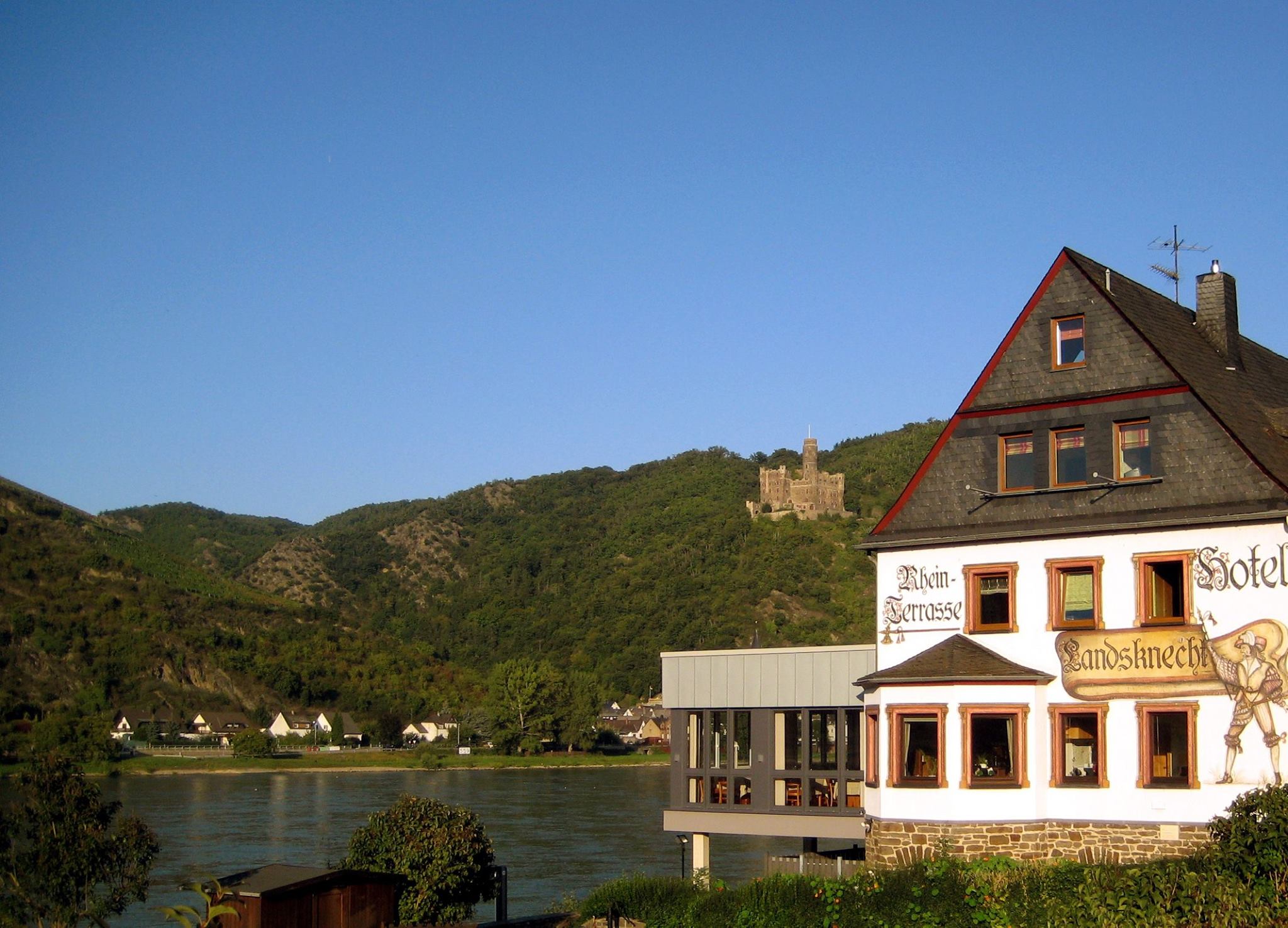
The Upper Middle Rhine Valley is an enchanted region in Germany that entered the UNESCO World Heritage Site list in 2002. The valley stretches for 65km along the river Rhine and its castles, towns and historic vineyards represent the long human history and its involvement with the natural environment.
The cultural landscape of the Upper Middle Rhine Valley represents the political and cultural evolution that took place starting from the Middle Ages in Wester Europe. The river Rhine has shaped the cultural landscape itself and as reported by UNESCO "the river has over the centuries fostered a cultural landscape of great beauty which has strongly influenced artists of all kinds - poets, painters, and composers - over the past two centuries.”.
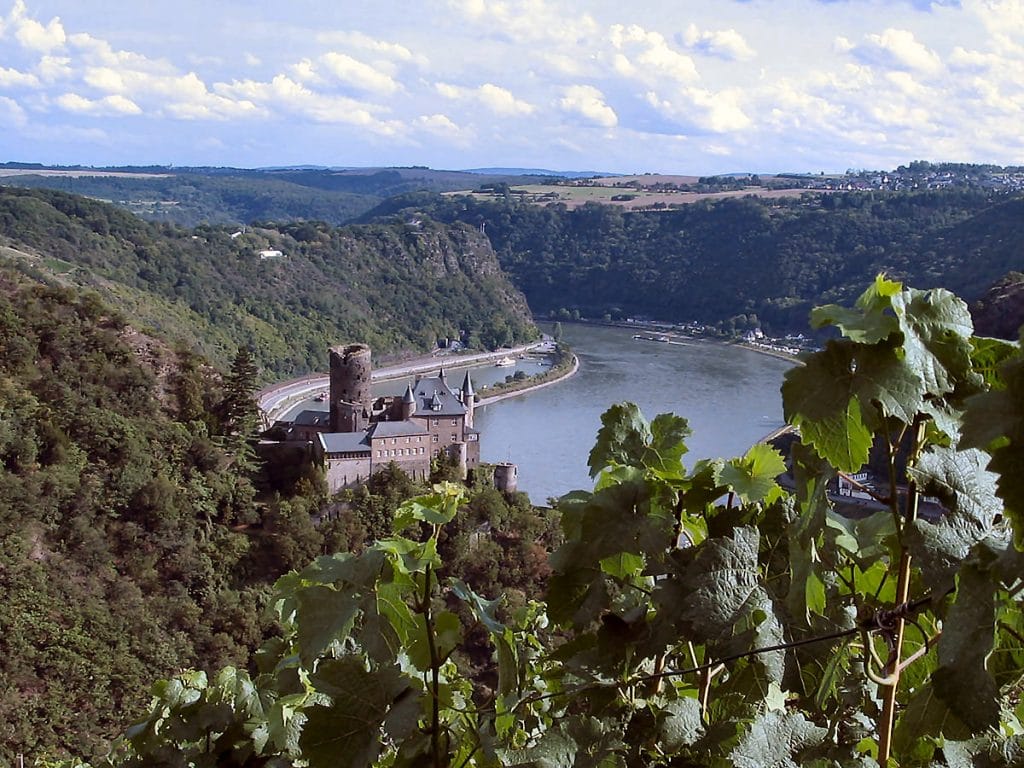
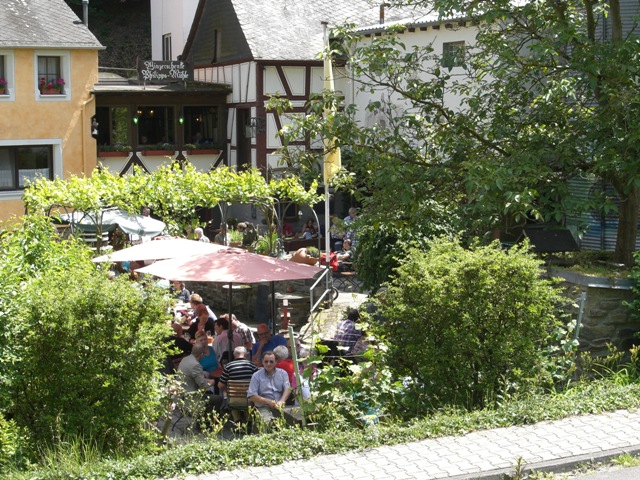
The Middle Rhine wine region is also part of this area and with its delicious white wines, mostly Riesling and Müller-Thurgau, it represents a gem in the German winemaking landscape. Check out our wineries in Middle Rhine and learn more about their fascinating history.
Lavaux
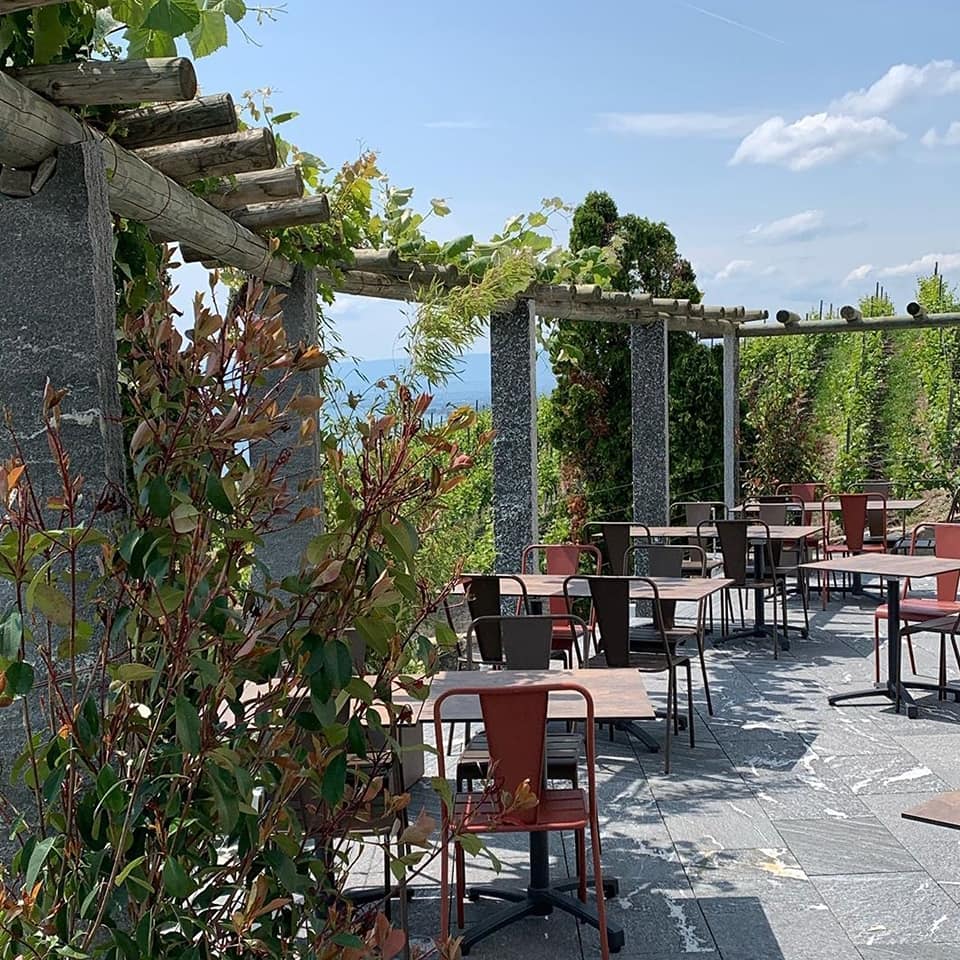
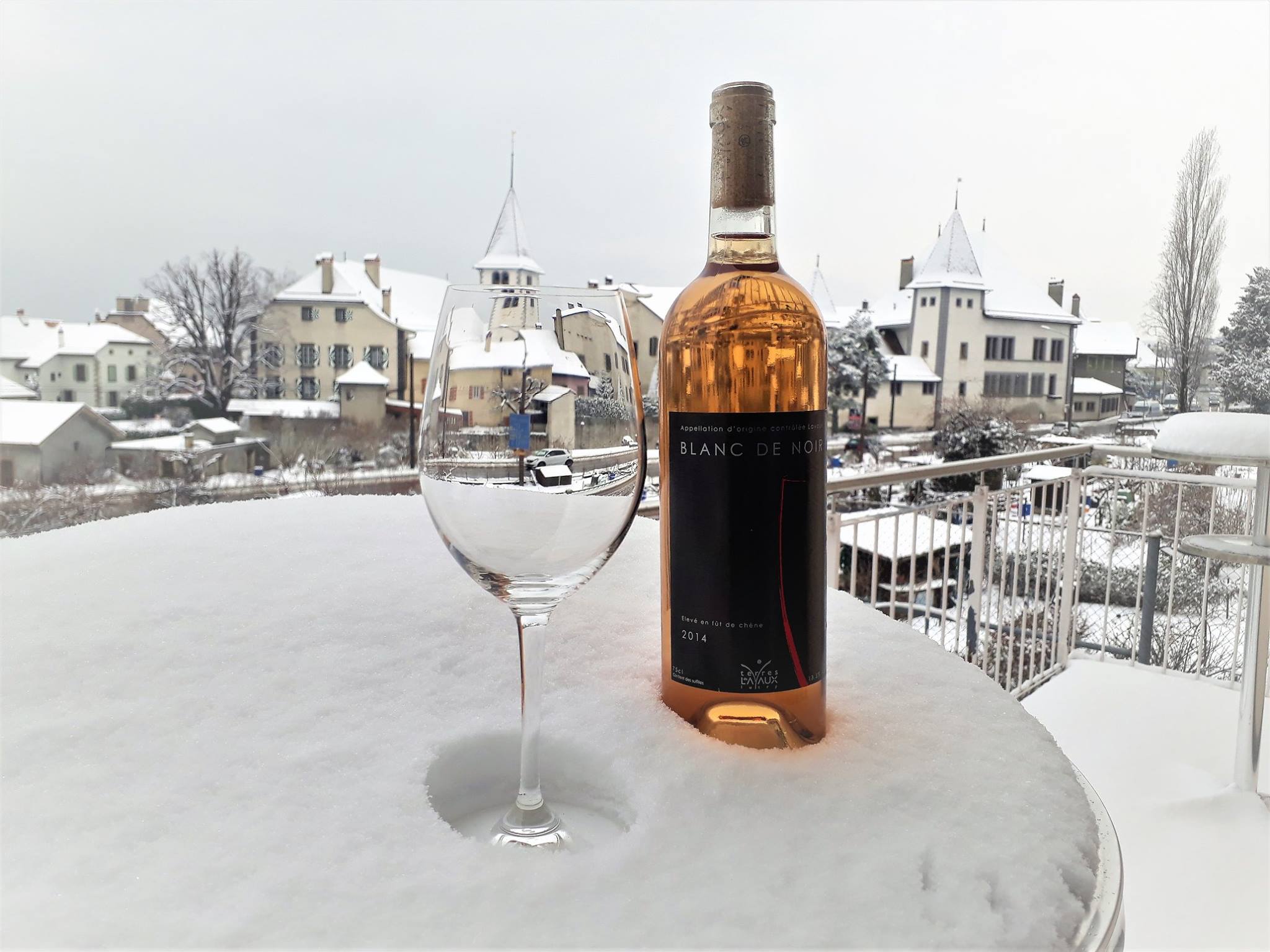
The Lavaux Vineyard Terraces are a UNESCO World Heritage Site located in the Vaud wine region in Switzerland and were enlisted in 2007. The area stretches for about 30km on the northern part of Lake Geneva, very close to the city of Lausanne. The vine terraces date back to the 11th century when the area was under the control of Cistercian and Benedictine monasteries. The monks started to grow vines on the same spots where the Romans, some centuries before, started viticulture.
The Lavaux Vineyard Terraces are a great example of synergy between men and the environment that turned out to be very useful to boost the local wine economy. The well-preserved landscape and buildings prove that the continuous adaptation of cultural traditions has led the Lavaux wine region to reach important winemaking goals. The growing importance of Lavaux has led to the huge development of the city of Lausanne itself and the popularity of wines from the Lavaux and Vaud wine regions. Nowadays, Lavaux is one of the UNESCO sites which is a famous destination for tourists.
Get to taste amazing Swiss wines at our partner wineries in Lavaux.