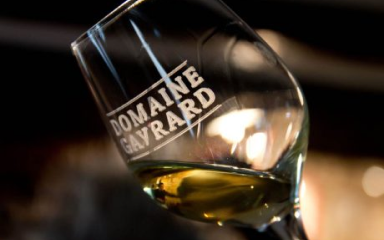
Soave, located in the heart of northeastern Italy’s Veneto region, is a vital destination for wine tourism enthusiasts seeking to explore its stunning hilltop landscapes and centuries-old winemaking traditions. Famous for its crisp, aromatic whites made primarily from the Garganega grape, visitors can uncover the nuances of local terroirs in areas like Soave Classico and Monteforte d'Alpone. Delve into intimate winery visits, where you can savor not only the exceptional wines but also the rich cultural heritage that permeates this picturesque region.
The Soave wine region is situated in the eastern part of the hills in the province of Verona, Italy. This wine appellation got DOC status in 1968, and since then, its popularity grew over time. Soave produces only white wines, of which a minimum of 70% is the Garganega grape variety. Nowadays, Soave is one of the favorite wine destinations for wine lovers.
The area of the Soave wine region extends from the western edge of the town of Soave to Monteforte d’Alpone in the east and ascends toward the northern hills of Lessinia. Most of the grapes are grown in hillside vineyards east of Verona, in the Veneto wine region of northeastern Italy.
Soave Wine Map
History of Soave
Soave's history and individuality have been shaped by the Catholic Church and the Venetian empire over time. The Venetian people have always been hardworking in viticulture. In recent decades, farmers working their small plots quit selling their grapes and started bottling the wines that best reflected their terroir. Even the larger wineries have mapped their Cru land and are bottling from select vineyards.
The Soave DOC was created in 1968 with those boundaries revised and expanded periodically over the next few decades. As a point of introduction, it should be said that Soave and Chianti were the first zones in Italy to be recognized by the Royal Decree as having the potential for producing fine wines. This document delimited the borders of the production zones which coincide with those fixed under the current production regulations for Soave Classico.
Soave saw a peak of popularity in the United States during the mid-20th-century Italian wine boom that followed the end of World War II. Driven by the marketing efforts of large producers like Bolla, Soave even surpassed Chianti in the 1970s as the largest-selling Italian DOC wine in the US. By the end of the 20th century, Soave's share of US sales was eventually eclipsed by Pinot Grigio and an influx of new wines from southern Italy.
The terroir of a Soave: Volcanic and Limestone soil
The hills of north Soave are made of a thick layer of limestone. It is the effect of a steady expansion of marine deposits, which began 200 million years ago and endured tens of millions of years. This is the reason why wine production areas of Soave are generally rich in limestone.
Soave DOC zone includes the flat floor of the three valleys of the Illasi, Tramigna, and Alpine streams that transit the mountains from north to south. Soils are deeper, made of sedimentary material, alkaline, rich in clay, humid, and very hot in Summer.
The territory of Soave is extremely complex in the terms of terroir. In the western part and main part, it consists mainly of calcareous rocks. In the central-eastern region, it is mainly formed by volcanic rocks. In most cases, the two types of soil are mixed, and sometimes neighboring vineyards can have different soil.
The climate of the Soave region is affected by the mists that flow from the Po Valley in the autumn and can obtain the viticultural hazards of mold and other grape diseases. The Garganega grape, which is the primary part of Soave, is a late-ripening variety with a thick skin that can withstand the mist better than some of the thinner skin varieties like Trebbiano Toscano.
Grapes of Soave Wine Region
Soave region produces white wines with a minimum of 70% Garganega grape. For Soave DOC wine, up to 30% of the blend can come from Trebbiano di Soave, also known as Verdicchio and Nestrano. This grape is distinct from the lower quality Trebbiano Toscano variety of Tuscany. The DOC rules place new emphasis on the quality varieties and exclude Trebbiano Toscano, which had been allowed to constitute up to 15% of the blend. All the grapes used for the DOC wine must be harvested to a yield no greater than 14 hectares with the finished wine fermented to a minimum alcohol level of at least 10.5%.
Food to pair with Soave Wine
Risotto in cantina (Wine Cellar Risotto)
Risotto in Cantina is a special Italian rice dish deriving from the Veneto wine region. Also known as risotto of the wine cellar, it’s made by designing a simple risotto that’s boiled in broth and enhanced with butter and Parmigiano-Reggiano cheese.
When it’s time for the risotto to be served, a glass of barely strong dry white wine such as Soave is poured into each plate, and the risotto is served on top. However, the wine mustn’t be mixed with the risotto – each forkful is dipped in as it’s eaten.
Risotto in Cantina is a great dish for rice lovers. You will also like this food with a glass of Soave white wine.
Spaghetti alle vongole
Spaghetti alle vongole is fast and easy to prepare, yet this is a classic Neapolitan dish consisting of only two key ingredients: vongole clams and pasta. However, there is a hectic discussion regarding secondary ingredients, tomatoes.
Purists adore the original dish, made without tomatoes, known as Bianco performance, while the others choose a version with crushed tomatoes.
Identical issues arise about the addition or omission of peperoncino and pepper in the dish. However, of these issues, everyone decides that the pasta should be cooked al dente. Although the dish is best in the summer, when all of the components are as fresh as they might be, it is also one of the most essential meals of the classic Neapolitan Christmas Eve dinner, known as Cena della vigilia di Natale. We recommend eating Spaghetti alle vongole with Soave wine.
Trout Risotto (Risotto con le trote)
Risotto con le trote is a traditional Italian type of risotto originating from Veneto. The risotto is usually made with a variety of rice, white wine, butter, olive, garlic, oil, parsley, bay leaves, cloves, peppercorns, cinnamon, ginger, nutmeg, allspice, and salt.
The trout are simmered in water with bay leaves, parsley, and spices. The trout are removed and filleted, while the stock is pulled back into a pan and conveyed to a boil.
The cross is surrounded by wine and stock, and it's then cooked until the juice is drunk. After some time, the fish fillets are stirred in, and once the rice evolves tender, a bit of butter is stirred into the risotto. Risotto con le trote is garnished with chopped parsley and served directly, ideally with a glass of Soave wine on the side.
Places to visit in Soave Wine Region
Town Soave
Hilly landscape with little villages harbored in the folds of the land, farms, medieval castles, and old Veneto villas, all set against a background of apparently limitless vineyards. This is where the renowned Soave wine comes from, the favorite of poet Gabriele D’Annunzio. If you are pursuing a relaxing destination, somewhere different for your visit to Verona, Soave might be the place for you. Soave is a town with a glorious history and that atmosphere of the past can still be felt today in the streets of the old town, surrounded by medieval walls.
Soave Castle
Soave’s castle is a medieval military construction. It sits on Mount Tenda and overlooks the vast plain below. It is created by a tall, central tower, where the castle borders rotate, surrounding three courtyards. Walls then drop from the castle to encircle the town. All these fortifications were designed in the Early Middle Ages, though the palace is built on the ruins of a Roman fort.
From 10th century records and a Frederick Barbarossa diploma, we know that it belonged to the San Bonifacio counts of Verona. Up until 1232, it owned the outstanding Greppi feudal family, who fled to Lombardy when Ezzelino III da Romano destroyed the castle. When Ezzelino died in 1259, the City of Verona acquired the castle on the initiative of Mastino I Della Scala. The city installed ahead there, starting in 1270. Under the Della Scalas, the castle grew in importance, and they remodeled and designed it along the defensive lines it has today.
Venice City
Venice, known for its beautiful canals and architecture, is less than 1-hour drive away from Soave. There are many wineries near Venice, including family wineries that operate for 1 or 2 centuries, producing different types of wines such as red, white, sweet, and dry. These wineries offer various tours of their facilities, tastings, and a chance to stock up on wine for your stay.
Soave is an Italian white wine made of Garganega grapes developed around the medieval townlet of Soave in Northern Italy. Soave wine is known for its melon-and-orange-zest tastes as well as its capacity to improve with age.
What kind of wine is Soave?
Soave is the Italian dry white wine made around the eponymous medieval town east of Verona. This is often associated with light-bodied, zesty bottlings predestined for direct consumption.
What is the difference between Soave and Soave Classico?
The regular Soave has flat ground compared to the altitude of Classico.The soils are opposite: Soave Classico is volcanic, while the flatlands are loamier and clay.
Top 10 wineries to visit in Soave
Just getting started on your wine journey, or jumping back in? Look through our collection of great wineries
Soave is an Italian white wine made of Garganega grapes developed around the medieval townlet of Soave in Northern Italy. Soave wine is known for its melon-and-orange-zest tastes as well as its capacity to improve with age.
What kind of wine is Soave?
Soave is the Italian dry white wine made around the eponymous medieval town east of Verona. This is often associated with light-bodied, zesty bottlings predestined for direct consumption.
What is the difference between Soave and Soave Classico?
The regular Soave has flat ground compared to the altitude of Classico.The soils are opposite: Soave Classico is volcanic, while the flatlands are loamier and clay.
Get your monthly boost of wine inspiration
Join our newsletter now to receive our free guide on how to plan the perfect wine tour