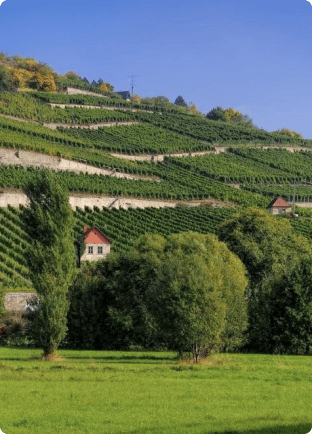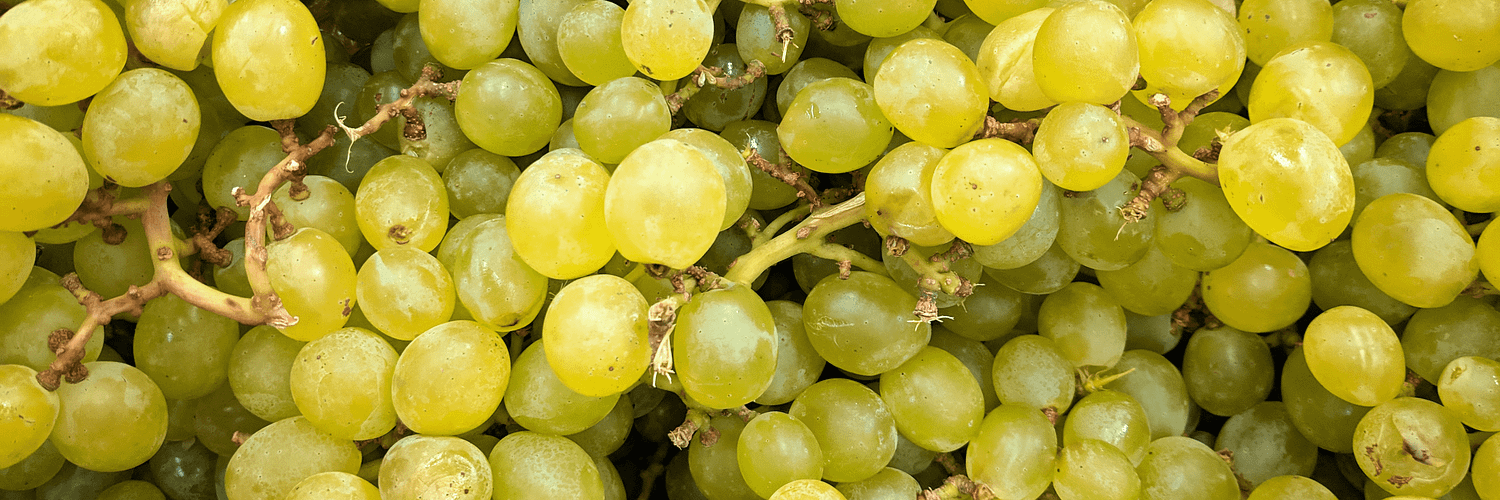

Chenin Blanc has a way of surprising people. It’s one of the few white grapes that can hold a naturally high level of acidity while gaining plenty of sugar as it ripens. This structure gives the grape a quiet flexibility: it can stay fresh in warm climates, adapt to different harvesting times and shift its character in a way that feels natural rather than forced. The grape also responds clearly to its surroundings, so its taste can reflect the place where it grows without losing its own identity. Because of this, Chenin Blanc appears in a broad range of styles, from dry and off-dry to sweet and traditional-method sparkling.
In recent years Chenin Blanc has grown more visible in wine tourism. Loire Valley remains the classic reference point, but South African Chenin Blanc has become a major driver of the grape’s modern revival, with producers who experiment confidently and work with some of the world’s oldest vines. Smaller scenes in California and Argentina add their own interpretations, giving travelers the chance to discover the grape in settings far beyond its original home. Here we’ll look at how Chenin Blanc behaves in these regions and what makes each place reveal a different side of the grape.
Chenin Blanc Wine Styles
Chenin Blanc keeps its freshness even when the weather is warm, because the grape holds a naturally high level of acidity throughout ripening. The berries can also develop a good amount of sugar at the same time. This combination is unusual and gives winemakers space to create very different styles.
- Dry wines are made when the grapes are picked early, before the fruit gains much sugar.
- Off-dry wines appear when the berries stay on the vine a little longer and develop a slightly higher level of natural sweetness while still keeping their acidity.
- Sweet wines form with a later harvest, when the fruit becomes more concentrated and the berries naturally hold more sugar.
- Sparkling wines rely on Chenin Blanc’s ability to keep firm acidity even at full ripeness, allowing the wine to stay lively after the second fermentation and making the grape well suited for the traditional method.
Chenin Blanc also reacts calmly to oxygen during winemaking and bottle aging without losing its freshness. This allows the wines to develop slowly in the bottle thanks to the tiny amount of air that naturally passes through a cork. Young bottles keep their fresh fruit notes, while older ones open up with deeper flavors that can remind you of honey, baked fruit or soft waxy tones. Good examples can age at home for ten to twenty years, sometimes longer, and that’s part of their charm. The way its aromas change with age resonates with people who appreciate how wine flavors develop over time.

Chenin Blanc Flavor Profile by Styles
Each style of Chenin Blanc highlights a different side of the grape’s natural character.
- Dry Chenin Blanc often shows a clean and crisp profile with notes of green apple, lime, pear skin, fresh quince and white flowers like acacia and honeysuckle.
- Off-dry versions feel softer, with riper fruit tones such as yellow apple, peach and melon, touched by a light hint of honey while the acidity stays bright.
- Sweet styles are richer and more expressive, with flavors of apricot, baked apple, quince paste, honey, dried pineapple, marmalade and chamomile.
- Sparkling Chenin Blanc brings lively acidity, citrus notes, white peach, a chalky or stony note and a light brioche character from time spent in the bottle. Across all styles the balance stays firm, so the wines feel fresh and layered.
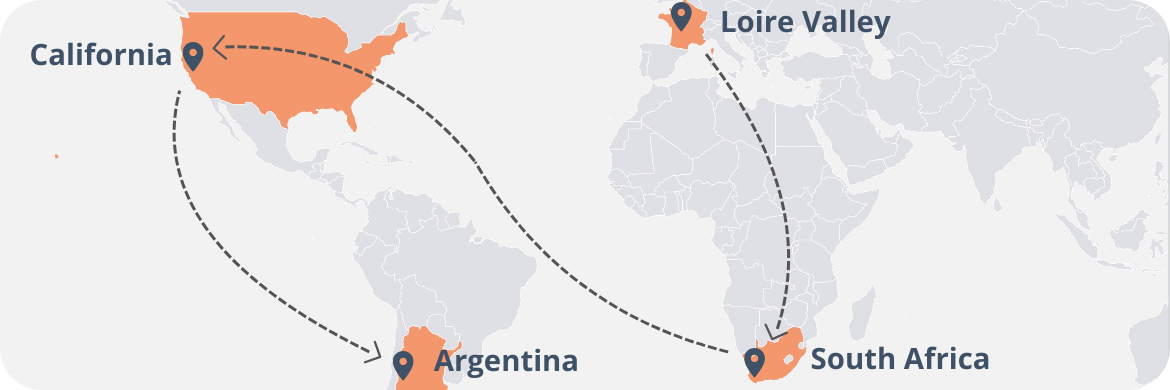
As this map shows, Chenin Blanc has found a home in some of the world’s most expressive wine landscapes. Let’s explore how each place shapes the grape in its own distinctive way.
Loire Valley, France – The Historic Heart of Chenin Blanc
Chenin Blanc is widely regarded as a native grape of the Loire, with written records tracing it back several centuries. The landscapes along the river seem almost designed for the grape: cool pockets, sun-exposed slopes, varied soils and long autumns allow Chenin Blanc to show its clearest and most classic form.
Several subregions play their own part in shaping the wine.
- Vouvray lies east of the city of Tours, on limestone and clay that give Chenin Blanc a bright, confident structure. Wines from here often feel firm and balanced, whether they are dry, off-dry or sparkling.
- Savennières sits further west along the Loire River, on slate and volcanic stones. The wines tend to be more concentrated, with depth and intensity.
- Anjou stretches around Savennières and covers a broader, slightly warmer zone. Its mixed soils bring softness and gentle roundness to the fruit.
- Further south, in Coteaux du Layon and Quarts-de-Chaume, the river and morning mists create the right conditions for late-harvest grapes. The berries can become naturally sweeter and more expressive, which allows these areas to produce some of the most admired sweet Chenin Blancs in the region.
The Loire River moves past châteaux, quiet towns and long stretches of vineyards. Wine routes and cycling paths make the region comfortable to explore at an unhurried pace. Local food adds its own character to the journey: fresh goat cheeses, rillettes, trout from the river, small tarts with seasonal vegetables, all pair naturally with the wines. Many people come here specifically to understand the grape, as Loire Valley Chenin Blanc shows the grape in its purest and most established form.
Where to Taste Chenin Blanc in Loire Valley
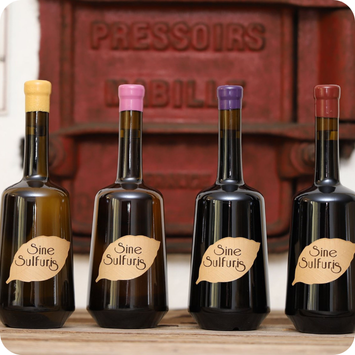
Domaine des Pierrettes: Produces wines that reflect the character of Touraine’s silex clay soils, with vines set along cycling paths that cross the estate.
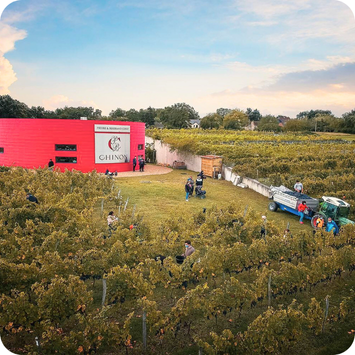
Pierre & Bertrand Couly: Creates precise Chinon wines from sustainably farmed old vineyards, with a focus on expressing the smallest details of the terroir.
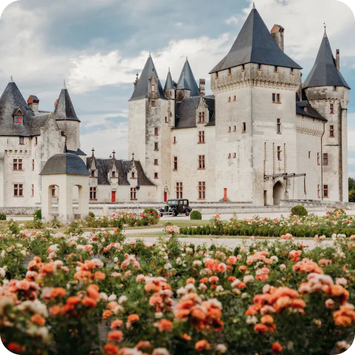
Vignobles Feray – Château Moncontour: Combines historic château winemaking with modern craftsmanship in one of Loire’s most iconic settings.
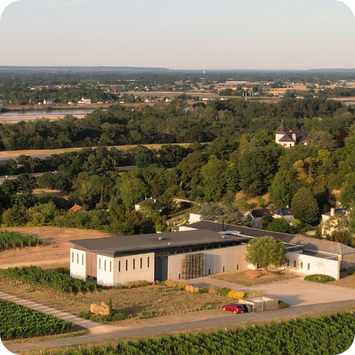
Domaine de Rocheville: Showcases Saumur’s clay-limestone terroirs through clean, vibrant Chenin Blanc made in a sustainable winery.
Discover more wineries in Loire Valley
South Africa – the Modern Powerhouse of Chenin Blanc
South Africa holds the world’s largest plantings of Chenin Blanc, and the grape has become one of the key elements of the country’s wine identity. Warm days, bright sunlight and steady winds help the fruit ripen fully, while cooler evenings near the oceans and mountains keep the acidity firm. This combination gives South African Chenin Blanc a natural richness, more texture and a deeper flavor profile compared with many other regions. Old vineyards add even more character. In Swartland and Stellenbosch, many plots were planted decades ago. These older vines give lower yields and produce more concentrated berries, and the wines often feel layered and expressive because of it.
Traditional-method sparkling wines are also an important part of South Africa’s identity. The local name for this style is Méthode Cap Classique. It plays a similar cultural role to Cava in Spain or Crémant in France – a regional expression of the classic technique. Chenin Blanc is one of the key grapes used for it, as its natural acidity stays bright through the second fermentation. The wines tend to feel a little sunnier and more fruit-forward than many European examples, with a clean structure that keeps them fresh.
Cape Town is a convenient starting point, with quick access to wine routes that can be combined with nature, local food and a safari. Vineyards stretch between mountains and the coast, and Cape Dutch farm buildings give the area a distinctive look. Seafood, grilled fish and light Cape Malay dishes appear on many menus and pair easily with Chenin Blanc.
Where to Taste Chenin Blanc in South Africa
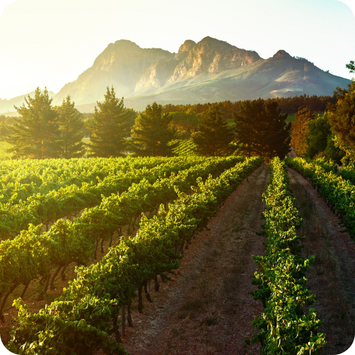
Cavalli Estate: A design-driven estate with panoramic Helderberg views, where sustainable architecture meets elegant Chenin Blanc.
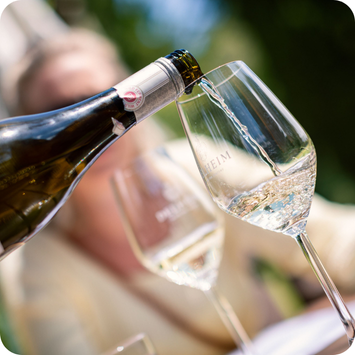
Delheim Winery: A family estate on Simonsberg Mountain known for its rich biodiversity and sustainable Chenin Blanc wines.
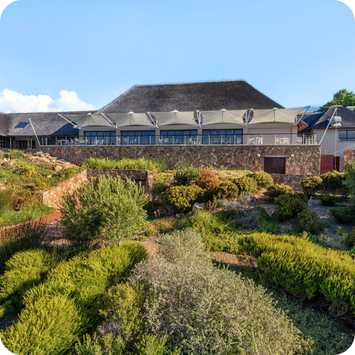
Glen Carlou Vineyards: A Paarl winery celebrated for its precise, cool-influenced Chenin Blanc and mountainside cellar setting.
Discover more wineries in South Africa
USA – California’s Rising Chenin Blanc Scene
California’s interest in Chenin Blanc is small in volume but steadily rising, especially among boutique producers. The grape spent many years in the background, yet a younger generation of winemakers has started to work with it again, attracted by its freshness and ability to reflect place even in warmer climates. Their small-lot approach gives Californian Chenin Blanc an artisanal feel, making the region an interesting stop for many Chenin fans.
Several areas across California work with Chenin Blanc, and each one brings out something a little different.
- Clarksburg holds the largest plantings of Chenin Blanc, and the Delta breezes help the grapes keep their acidity in warm weather.
- Napa Valley gives a fuller, rounder style thanks to warm afternoons and well-drained soils. Small producers often work in tiny lots here, so the wines feel careful and hand-crafted.
- Sonoma’s cooler pockets bring out a brighter, lighter expression of Chenin Blanc. The wines keep their freshness naturally and often show gentle citrus or orchard-fruit notes.
- In Santa Barbara, ocean-cooled valleys slow ripening and create an open, relaxed fruit profile. The wines feel soft around the edges, with a clarity that matches the coastal climate.
Vineyards in California lie among hills, valleys and stretches of open coastline, creating a calm setting for tasting Chenin Blanc. Local food often includes fresh salads, fish tacos and simple seafood, which suits the lighter West Coast styles. Tasting rooms play an important role here, as many wineries introduce their Chenin Blanc through these relaxed spaces, making it easy for visitors to explore the grape while staying close to the landscape around them.
Where to Taste Chenin Blanc in California
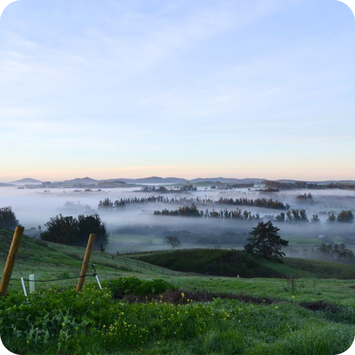
Karah Estate Vineyards: A hillside estate in the Petaluma Gap where sustainable farming meets the artistic legacy of the iconic “Running Fence”.
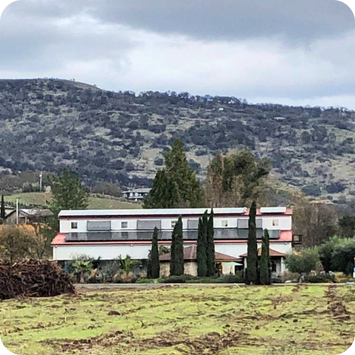
Hagafen Cellars: A longtime Napa producer crafting kosher, small-lot wines that showcase the distinct terroir of the Oak Knoll District.
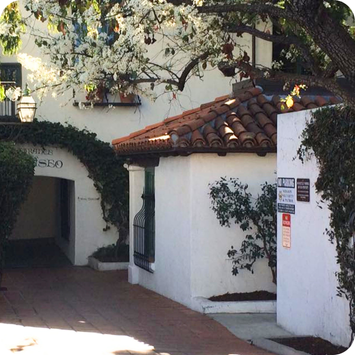
Silver Wines: A tiny Santa Ynez winery known for Benjamin Silver’s artisanal, small-batch wines that highlight the character of each vineyard.
Discover more wineries in California
Argentina – Chenin Blanc as a Hidden Gem
Chenin Blanc is not a major grape in Argentina, yet it has a quiet history here. Small plots were planted decades ago, mostly in Mendoza and parts of Patagonia, and some of these vineyards continue to produce fruit today. In Mendoza, the warm days and dry climate help the fruit reach gentle ripeness, while cool nights keep the flavors clear. Patagonia offers a different feel: the longer season and steady southern winds bring lighter, fresher expressions.
Chenin Blanc from Argentina often offers great value, which makes it an appealing choice for readers who want to explore the grape beyond the usual regions. Vineyards here sit at the foot of the Andes, the long mountain chain that defines the region, and the views toward the hills give the landscape a cinematic look. Many tastings take place in quiet courtyards with mountain views, where empanadas, grilled local cheese (provoleta) and grilled seasonal vegetables appear on the table. The setting feels relaxed and welcoming, and the easy style of Argentinian Chenin Blanc fits naturally into this atmosphere.
Where to Taste Chenin Blanc in Argentina
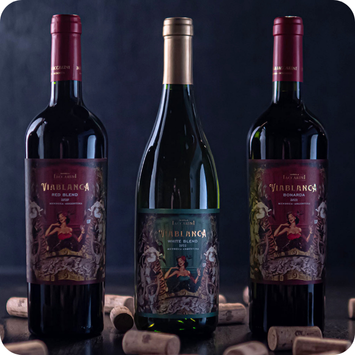
Bodega Iaccarini: A historic San Rafael winery rooted in Italian heritage and known for sustainable, alluvial-soil-driven wines.
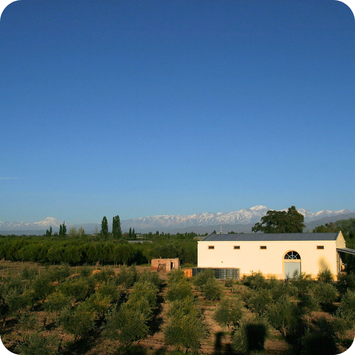
Carinae Winery: A French-Argentinian boutique winery in Maipú crafting expressive wines amid peaceful olive groves.
Discover more wineries in Argentina
Chenin Blanc shows how one grape can take on many shapes without losing its core character. Its natural balance of acidity and sweetness gives winemakers freedom, and each region uses that freedom in its own way. Loire keeps the style firm and classical, South Africa brings warmth and intensity, California adds an easy brightness, and Argentina offers a quieter, off-the-path expression. The grape stays recognizable through all these changes, yet it never feels fixed in place. For travelers who like discovering wines through the landscapes and cultures, Chenin Blanc gives a great wide field to explore.