Summer Wine Destinations 2025: Our Favorite Places to Drink by the Sea
Tamta Bankanashvili
There’s something undeniably special about enjoying wine where it’s grown — especially when the vineyards meet the sea, the days stretch long into golden evenings, and the food is simple and deeply rooted in place. For wine lovers looking to combine travel with authentic taste experiences, Europe’s coastal wine regions offer a perfect escape. So for summer 2025, I’m putting together this little guide to five wine destinations that offer not just great bottles, but full sensory experiences — sunshine, salt air, local culture, and everything that makes summer feel alive.
These places — Provence, Mallorca, Sardinia, Puglia, and Dalmatia — aren’t just beautiful. They each have a unique wine identity, shaped by their native grapes, traditions, and climate. If you're dreaming of wine with a view this summer, this one’s for you.
Provence, France

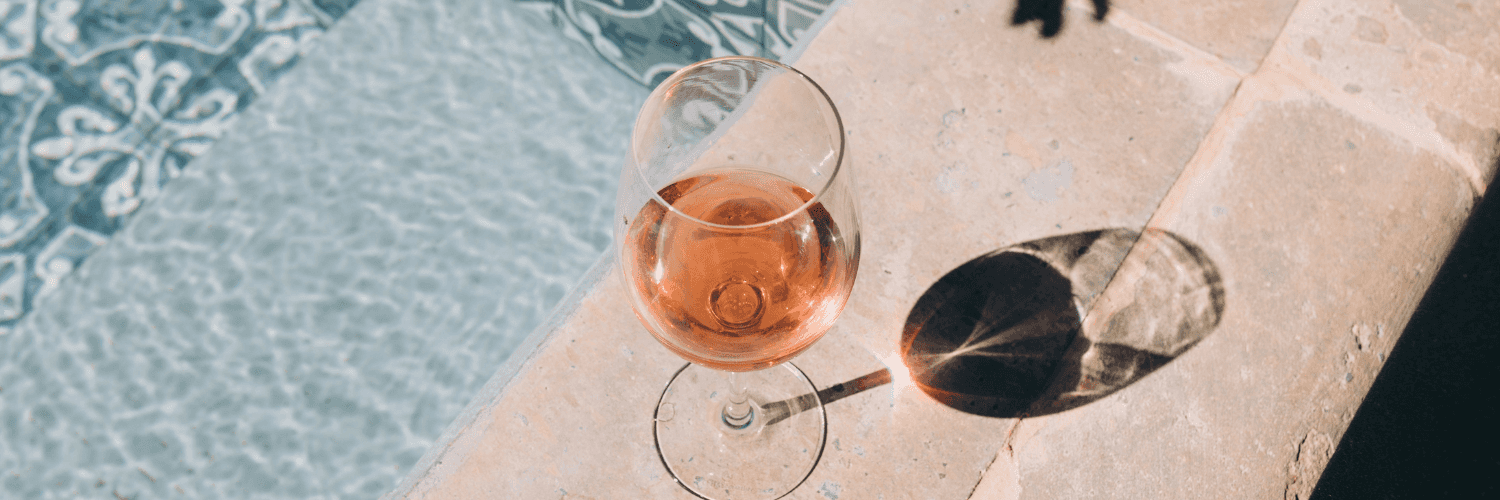
You already know about the rosé — and yes, it really is as good as they say. But there’s so much more to Provence than poolside pink wine. When I visited last July, I based myself in a small village near Bandol, where limestone hills roll down toward the Mediterranean. There, I tasted some of the most structured and age-worthy Mourvèdre reds I’ve ever had — savory, earthy, with wild herbs and sea breeze in every sip.
In Cassis (not to be confused with crème de cassis), I found whites made from Marsanne and Clairette that were perfect with grilled fish and olive oil-soaked vegetables. Provence in summer feels like a dream — markets full of peaches and lavender, chilled glasses clinking on shaded terraces, and always a breeze in the air.
Wine tip: Don’t skip the small, organic producers. Many are happy to welcome you with just a little notice, and the wines often have more soul than the big names.
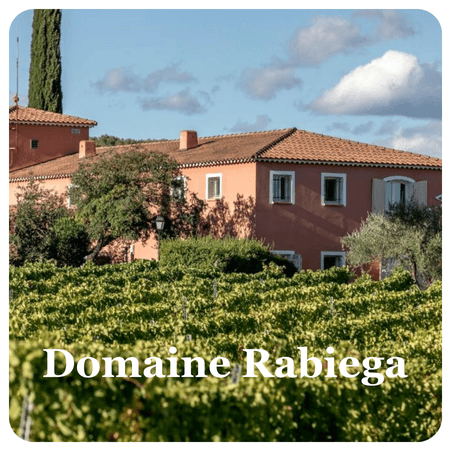
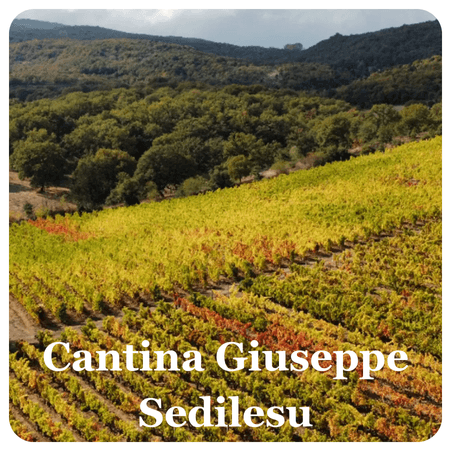
Wineries to visit in Provence



Mallorca, Spain
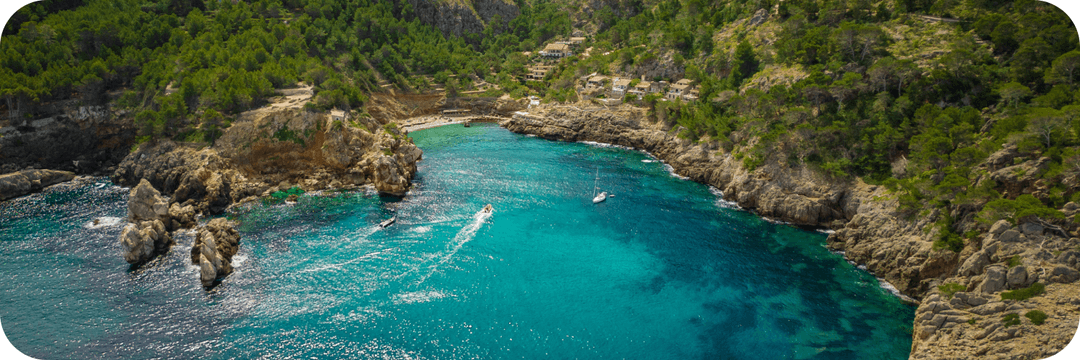
Mallorca took me by surprise. I expected beaches and maybe a glass of sangria — but what I found was a wine scene full of energy and local pride. I spent a few days exploring Binissalem and Pla i Llevant, where family-run estates are working with native grapes like Manto Negro, Callet, and Prensal Blanc. The wines are light, herbal, and perfect for the island’s warm evenings.
There’s a new generation of winemakers here leaning into organic farming and minimal intervention. The vibe is very relaxed — tastings are unhurried, often set under fig trees or in sunlit courtyards, and you’ll likely be offered homemade cheese or sobrasada. Add a swim in a hidden cala afterward, and you’ve got a perfect summer day.
Wine tip: Look for “vi de la terra Mallorca” labels — they often signal smaller, more authentic productions.
Best Mallorca Wineries for a Local Wine Experience


Sardinia, Italy
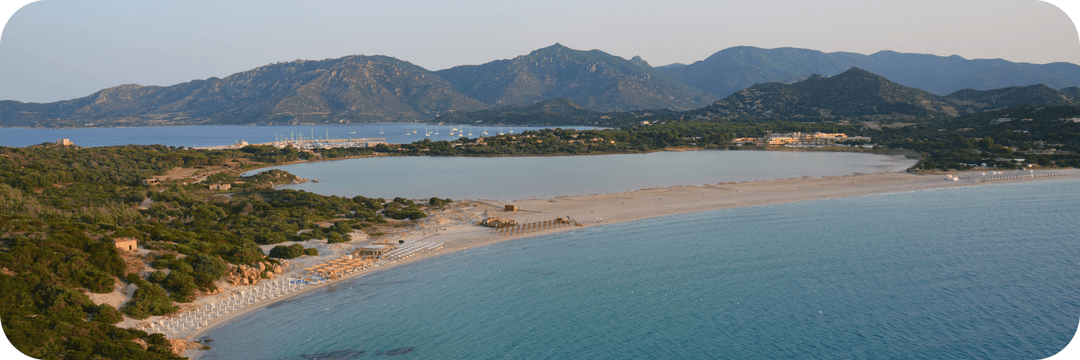
Sardinia feels like a world of its own — remote, raw, and full of ancient energy. The landscape is rugged and sun-drenched, and the wines here are just as bold. I spent a week driving along the coast and into the mountainous interior, tasting wines made from local grapes like Vermentino, Cannonau (their take on Grenache), and Carignano.
Vermentino di Gallura, grown on granite soils in the island’s northeast, is salty, floral, and incredibly refreshing — the kind of white you want to drink barefoot by the sea. Meanwhile, Cannonau from the central highlands is earthy, herbal, and surprisingly graceful for such a warm region. Sardinia’s food culture — wild herbs, roasted meats, sheep cheeses, and fresh seafood — makes the wine shine even brighter.
Wine tip: Don’t miss wines from Sulcis in the southwest — Carignano del Sulcis is one of Sardinia’s hidden gems, full of depth and character.
Sardinian Wineries to Explore Off the Tourist Track



Puglia, Italy

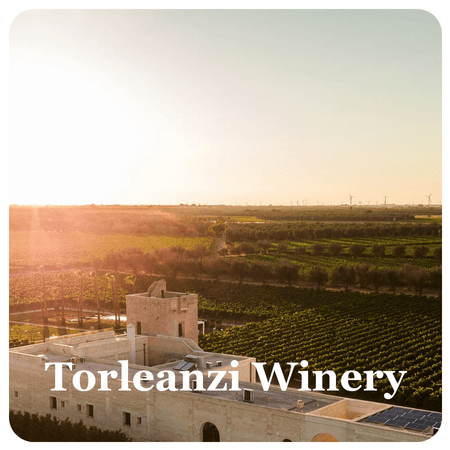
Puglia in summer is golden. Fields of wheat, olive groves, dry stone walls, and grapevines as far as the eye can see. It’s one of Italy’s most generous regions — with wine, food, and hospitality. When I visited the Salento area last August, I was struck by how different the wines felt from what I expected. Sure, there’s powerful Primitivo and juicy Negroamaro, but there are also fresh, mineral-driven whites from Verdeca and crisp rosatos that make perfect beach companions.
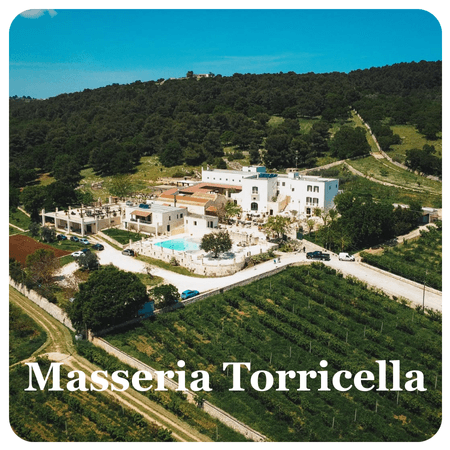
The vibe in Puglia is slower, more rural. Long lunches under pergolas, grapes drying under the sun, and that soft Adriatic light in the evening. I visited several masserie (traditional farmhouses) that double as wineries and guesthouses — a great way to soak in the landscape and culture at the same time.
Wine tip: Try the lesser-known native grapes like Susumaniello or Minutolo — they’re delicious, distinctive, and speak of place.
Wine Estates Worth Visiting in Puglia


Dalmatian Coast, Croatia

Croatia’s wine scene is one of Europe’s best-kept secrets, and the Dalmatian Coast is where it really shines. I spent ten days last summer island-hopping between Hvar, Korčula, and Vis, tasting wines that felt completely new but somehow familiar. The whites, especially Pošip and Grk, are saline, fresh, and ideal with grilled octopus or oysters eaten seaside. The reds, especially Plavac Mali (a cousin of Zinfandel), are powerful and sun-soaked, grown on steep slopes right above the sea.
What I loved most about Dalmatia was how unspoiled it still feels — no massive tour buses, just tiny cellars, stone villages, and real connection with the people making the wine. And the views? Unreal.
Wine tip: If you're in Split or Dubrovnik, take the time to visit a wine bar or take a ferry to a nearby island — the real treasures are just across the water.
Dalmatian Wineries with a View


Final Sip
These five regions aren’t just about great wine — they’re about slowing down, soaking in the sun, and connecting with local life through the glass. Whether you're chasing rosé dreams in Provence or discovering a rare varietal on a Sardinian cliffside, summer 2025 is the perfect excuse to explore wine with all your senses.
Let us know if you want help planning a route, we can organize a personalized wine experience for you.

Written by