
There are wine regions around the world where you can encounter one winery after the other, and if you are as much of a wine lover as us at Winetourism.com, then you don’t want to miss any of these wine domains. The best way to get to as many wineries as possible is to drive along wine routes and trails. In many wine regions, these routes are marked by road signs and were created to help tourists better travel through the region.
We put together a list of the most famous ones to inspire you for your next wine trip.
Alsace wine route
The Alsace Wine Route is the oldest wine route in France and for sure one of the most spectacular. Throughout the whole 170km-long drive, you will be surrounded by the picturesque landscapes of the Alsace wine region. You will get to discover incredible Alsatian wineries, charming old castles and some of the most beautiful cities and villages in the region. Here are the steps you don’t have to miss according to the Alsace Wine Route official website:

The northern part of the Alsace Wine Route
This part of the wine route extends from Strasbourg to the border between France and Germany and it features some of France’s most beautiful and picturesque villages. Explore the northern-most vineyards in the region around the village of Cleebourg and get lost in the streets of Wissembourg and Hunspach.
Wineries around Strasbourg
Strasbourg, the siege of the European Parliament, is a city that deserves a visit, being a mix of French and German cultures and architecture. The area surrounding the unofficial capital of the European Union is home to some of Alsace’s most prestigious wineries. Take a day to visit wineries and taste delicious Sylvaner, Riesling, Pinot Noir and Gewürztraminer wines.
The vineyards between Strasbourg and Colmar
As you drive towards the southern part of the Alsace wine region, take a moment to visit the famous Haut-Koenigsbourg castle and the village of Rosheim. The village is the crossing point between the Alsace Wine Route and the Romanesque Road, a scenic route dedicated to Romanic architecture in Germany.
If you want to take a break from a more cultural type of sightseeing, there are plenty of incredible wineries you can visit right at the heart of the Alsace Wine Route, around the region’s most famous cities, Strasbourg, and Colmar.
Wineries and vineyards in Colmar
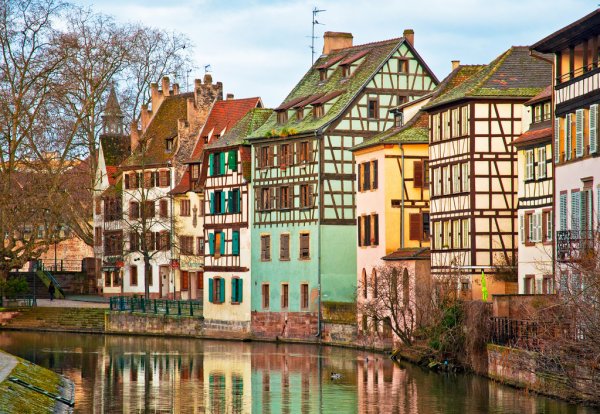
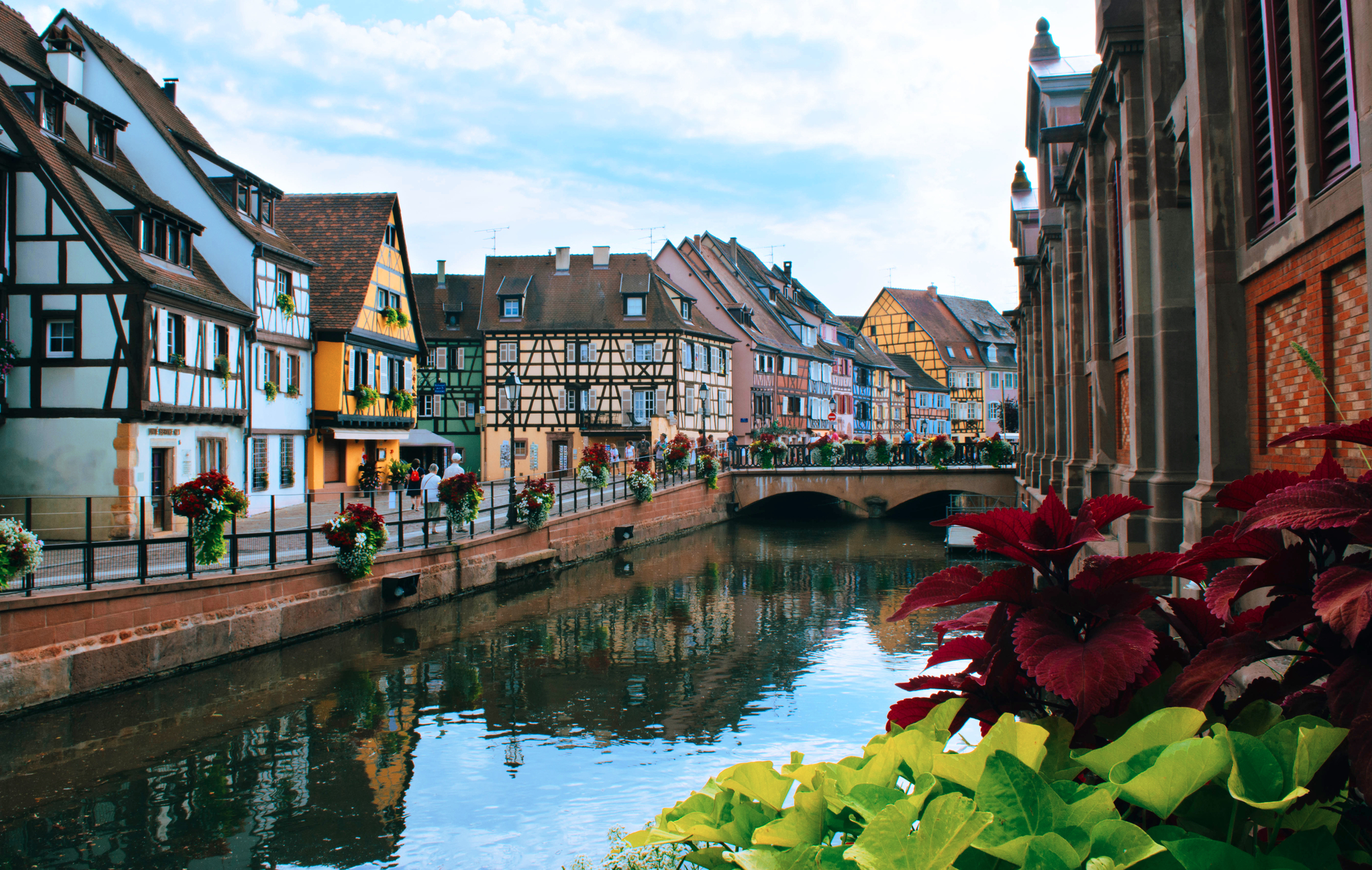
The enchanting Colmar is the wine capital of the Alsace wine region and the vineyards surrounding the city are part of an extraordinary landscape characterized by rolling hills and green plains. The half-timbered houses are a constant in the area creating an idyllic atmosphere, in which delicious wine and lavish landscapes are the main protagonists.
The southern part of the Alsace Wine Route
The last portion of the Alsace Wine Route, or the first if you decided to move upwards, rolls down from the Vosges mountains into the greenish Alsace plain. The southern section of the Alsace Wine Route features more Romanesque architecture but most importantly, at least of us, this is the land of the Alsatian Grand Crus. Due to the area’s rich and flourishing terroir, wines produced here are unique for their aromas and flavours.
Wineries to visit along the Alsace Wine Route
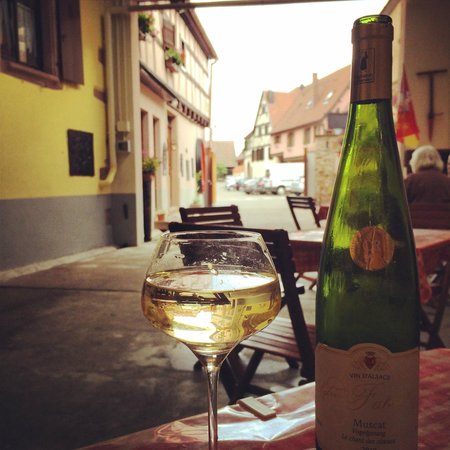
Domaine Sylvie Fahrer & Fils
Independent and certified organic winegrowers, producers of Alsace wines since 1932, and 4 generations of winegrowers. Located in the heart of the Wine Route, the winery offers visits and also guest rooms so that you can discover and live their passion.
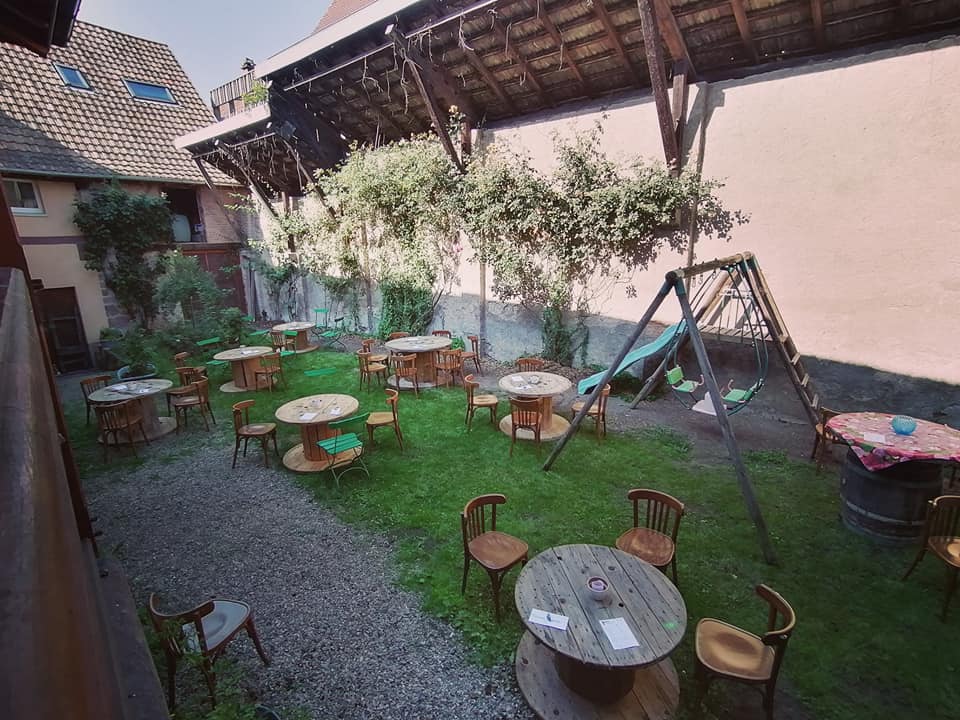
Domaine François Meyer
The Meyers are from Blienschwiller, Nothalten, and Zell since the fifteenth century. They are part of those winemaking families who have been working the land with respect for centuries. The vineyard is now being meticulously cultivated by the 16th generation of winemakers, who are producing wines of remarkable quality.
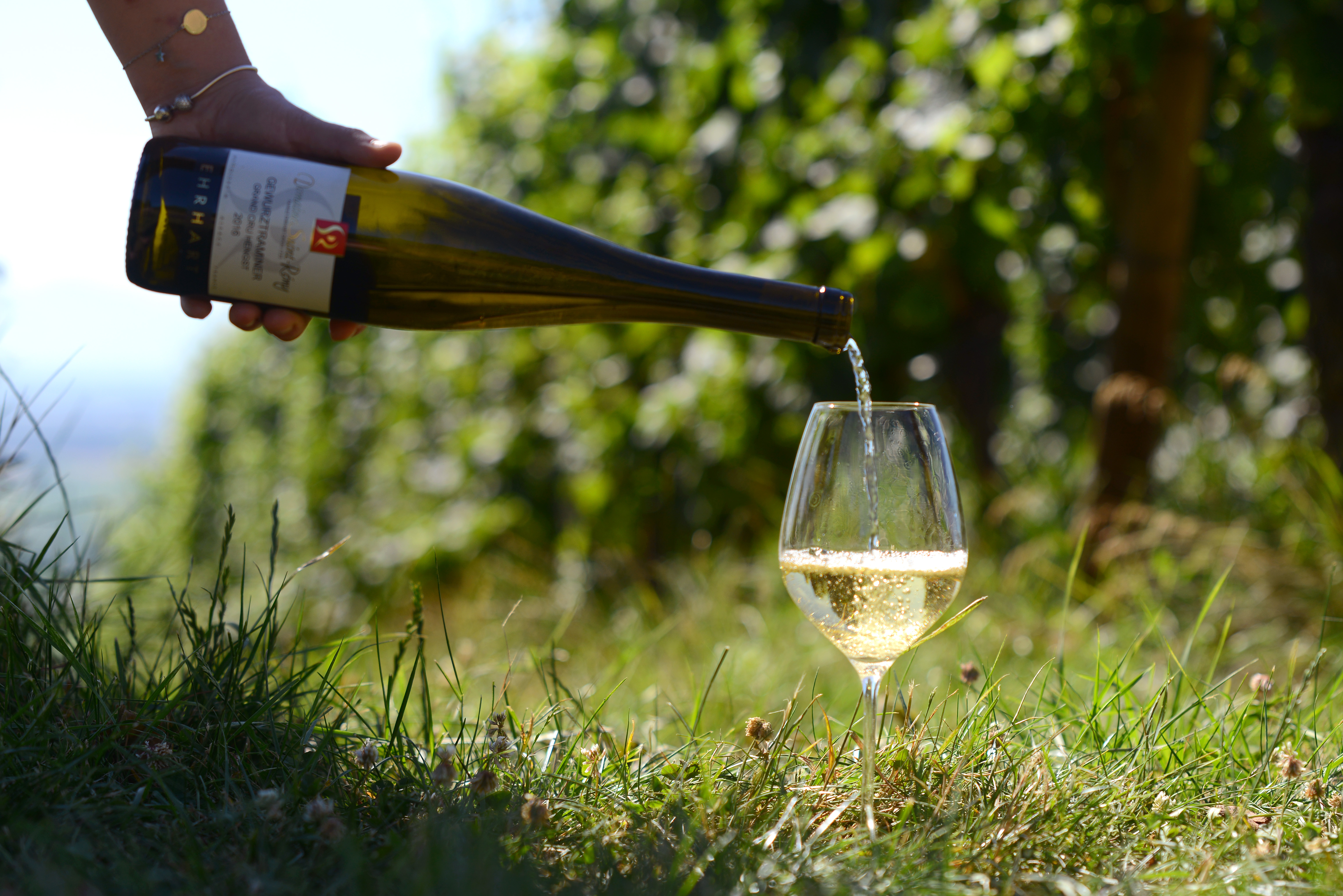
Domaine Saint Remy
The Ehrhart family has been farming the diverse terroirs of Alsace since 1725. Based in the village of Wettolsheim, five kilometers west of Colmar, Philippe and Corinne Ehrhart farm their 24 hectares among 11 communes within the Haut-Rhin. A new generation has joined the family recently with Florian and Margot.
Discover more wineries in Alsace
Mendoza wine route
Argentina is one of the world‘s leading wine countries, especially if we talk about red wines. Among the many wine regions in Argentina, there is one that is best-known and renowned, Mendoza. What makes the Mendoza wine region an excellent production area for full-bodied reds, especially Malbec, is its diverse terroir and distinctive microclimates.
If you are planning a trip to Argentina to drink delicious Malbec and find yourself immersed in untamed nature, then get ready for a road trip on the Mendoza wine route and get straight to the heart of this incredible New World wine region.

What we suggest is to start your exploration from the wine-producing area that is closest to the city of Mendoza, Maipú. This wine region is where it all began, the first Argentinean red wines were produced here thanks to the skills of visionary winemakers.
After having discovered the amazing wineries around Maipú and in the city of Mendoza, drive a dozen kilometres south-west to Luján del Cuyo. The wine region that developed around the town is filled with exquisite boutique wineries where you will want to relax while having a glass of Malbec.
Once you’re fully stocked up with bottles of fine wine from the northern part of the Mendoza wine region, it’s time to drive south on the Mendoza wine route towards the Uco Valley. This wine region represents the new generation of Mendoza winemakers, and this is where you will find more elevated and modern types of Malbecs and Cabernet Francs.
Wineries to visit along the Mendoza Wine Route
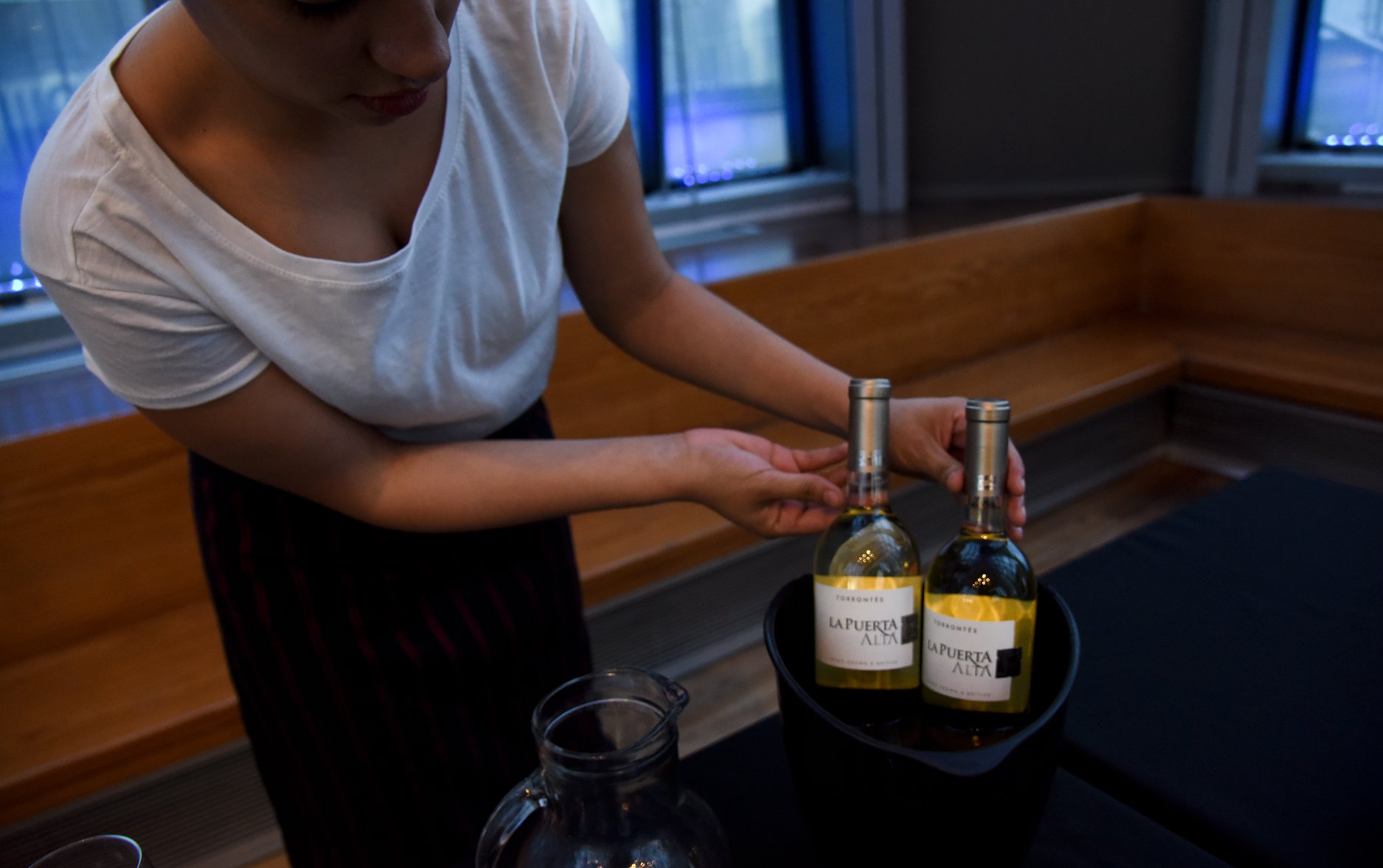
Valle De La Puerta
Valle de la Puerta Winery was established in 1994 and is present in the Fatamina Valley, around 754 miles northwest of Buenos Aires. The winery sits between the Velasco and Fatamina Mountains and provides natural views with stunning backdrops.

Bodega DiamAndes
In 2005, the Bonnie family, owners of the renowned Château Malartic-Lagravière (Grand Cru Classé de Graves) and Château Gazin Rocquencourt (Pessac-Léognan) decided to leave France in order to discover new winemaking prospects. DiamAndes Winery was born in the south of Mendoza province at the heart of the Uco Valley, coproducing the highly prestigious Clos de los Siete as well.
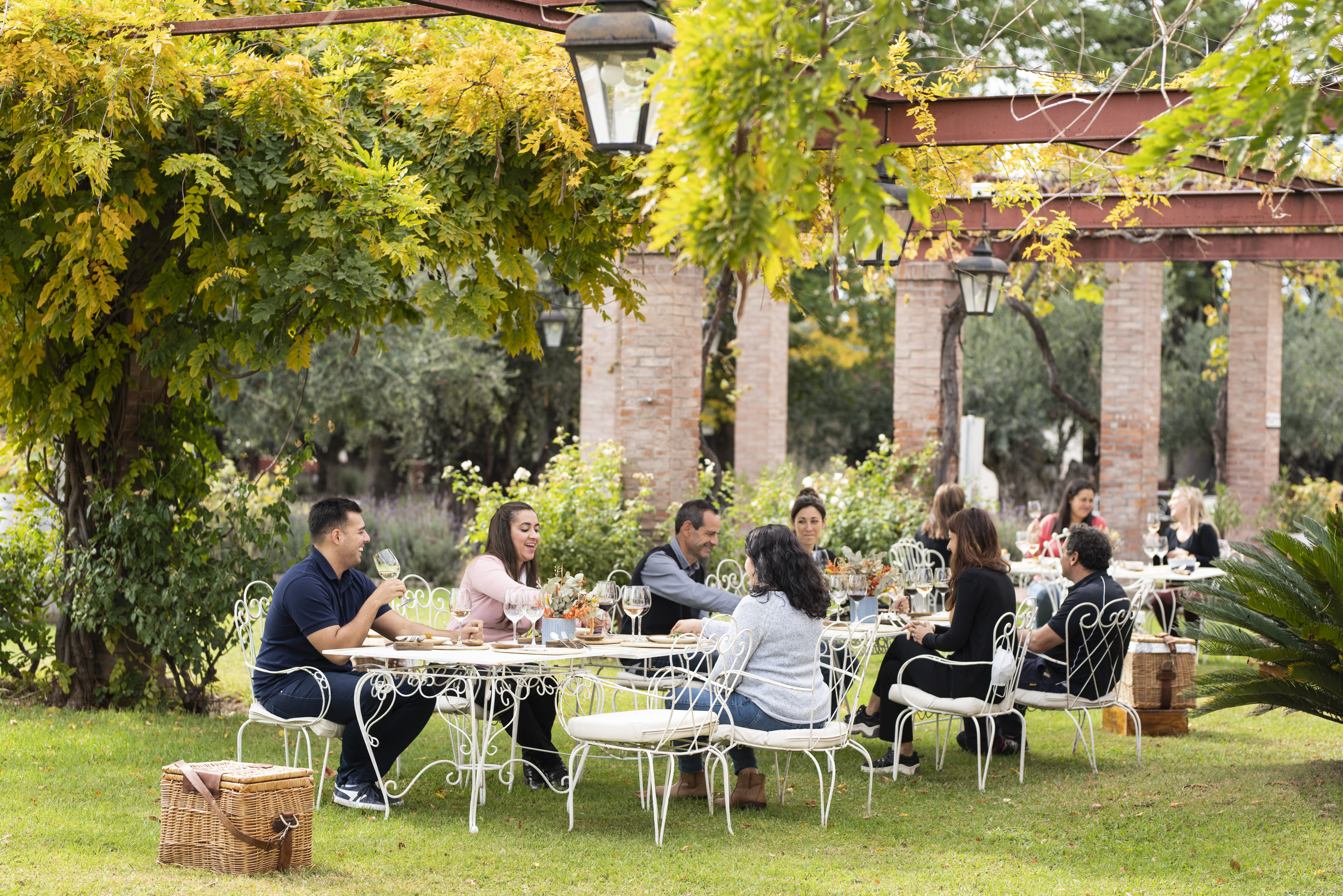
Discover more wineries in Mendoza
Route des Châteaux
The Route des Châteaux is literally “the route of castles” since the term château is used in the Bordeaux wine region to designate wineries, this trail links wineries in the Médoc appellation. Get to the heart of the wine production in the Médoc wine region, located on the right bank of the Gironde River and taste some of the world’s best Bordeaux reds. The wine route starts north of the city of Bordeaux and goes all the way up north towards the estuary of the Gironde until Pointe de Grave.
Here are a few stops you need to take as you drive through châteaux in the Médoc wine region to avoid missing the best crus:
Saint-Julien
This appellation located south of Pauillac and north of Haut Médoc features 11 crus. Here, the production focuses on intense and complex red wines that present fine tannins in the mouth.

Pauillac
You can’t say you’ve been to Médoc if you miss a visit to its capital, Pauillac. This town of almost 5.000 inhabitants is located mid-way between Bordeaux and Pointe de Grave and it is home to 18 Grand Crus. Learn more about the fascinating history of Pauillac, what it has to do with poet Pablo Neruda and what makes the terroir around the town so fertile for vine-growing. Bordeaux blends from Pauillac are more delicate than those from Saint-Julien but still present a full and rich body.
Village of Bages
The peculiarity of this village is that it is located inside the domain of the Cazes family, and it has everything a wine enthusiast could wish for. Wine shops, wine bars, a great offer of wine tastings to learn everything about Bordeaux blends and the production of the area.
Saint-Estèphe
Around the village of Saint-Estèphe, more than 60 châteaux are invested in the production of high-quality Bordeaux blend red wines.
Wineries to visit along the Route des Châteaux
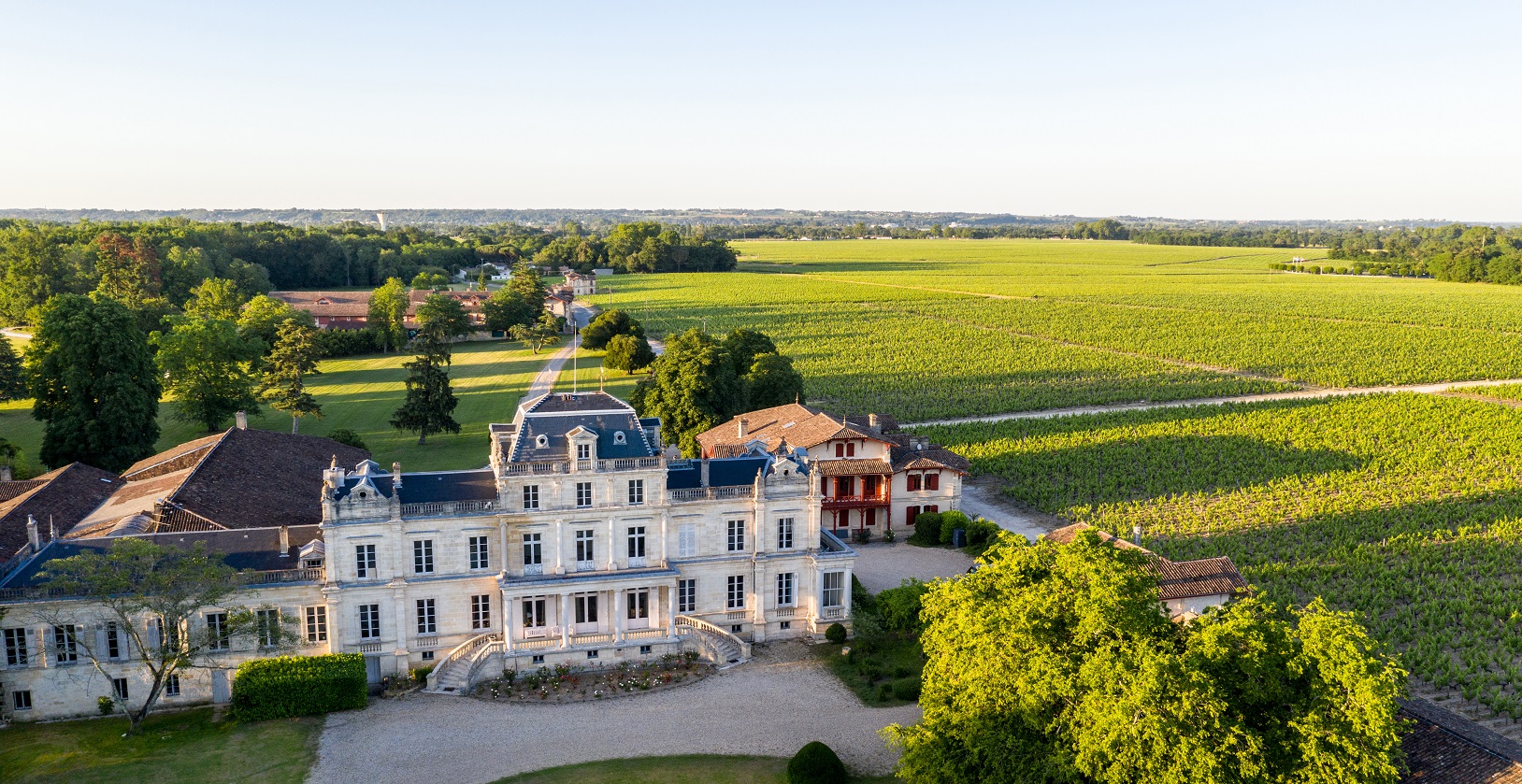
Château Giscours
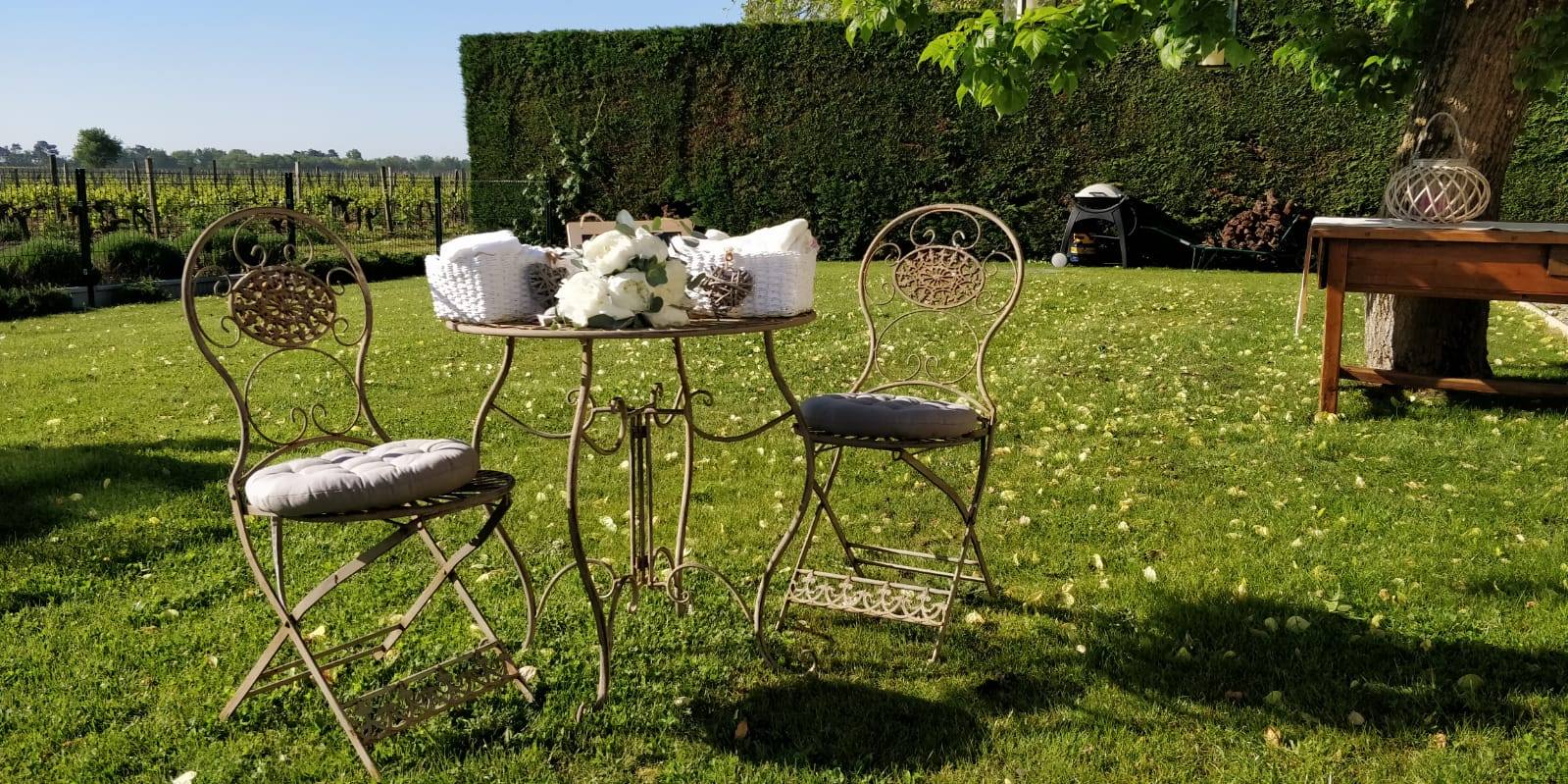
Château Giscours is located in Bordeaux, France and is well known for its wines and wine-related activities. Its capital New-Aquitaine region is world-famous for its vineyards and top-notch wine labels, along with several architectural monuments, cathedrals, towers, and so on. The history of Château Giscours dates back to 1330 as per the written records of the property.
Château Tourteau Chollet
Since its creation around 1760, Château Tourteau Chollet has benefited from the quality of its terroir and has been recognized as one of the greatest vintages of Graves since 1943. A fabulous terroir: a gravelly sandy plateau from the third terrace of the Garonne, where likes flourish the vine.
Château du Taillan
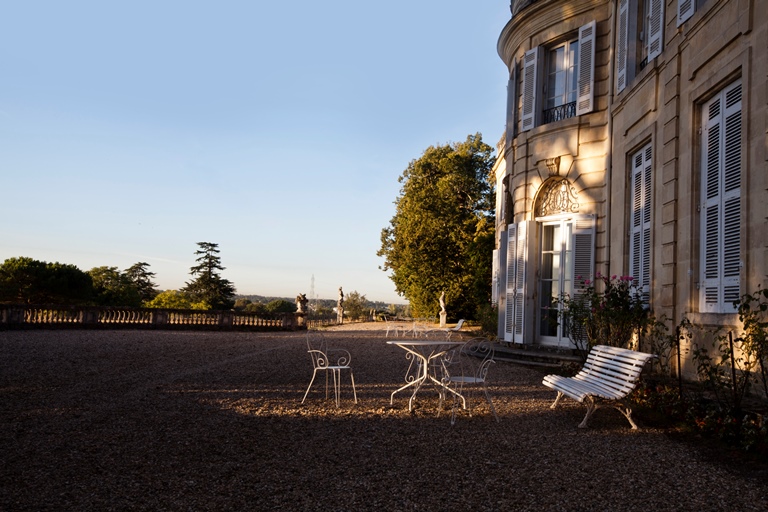
Located at Haut-Médoc, Château du Taillan winery is a 150 hectares wine estate with centuries-old vineyards where the vineyards cover up around 30 hectares. Château du Taillan dates back to the 18th century, however, it was acquired in 1896 by Henri Cruse. After 4 generations, the estate is currently managed by the 5 Cruse’ daughters. Their wines consist of Merlot, Cabernet Franc, Cabernet Sauvignon, and Sauvignon Blanc.
Discover more wineries in Bordeaux
Chianti Classico oil and wine trail
The area that you can visit following the wine route of Chianti Classico is located in between the marvelous cities of Florence and Siena. Start from one of the two cities and make your way towards the other while you stop to taste delicious Tuscan red wine in enchanted wineries.
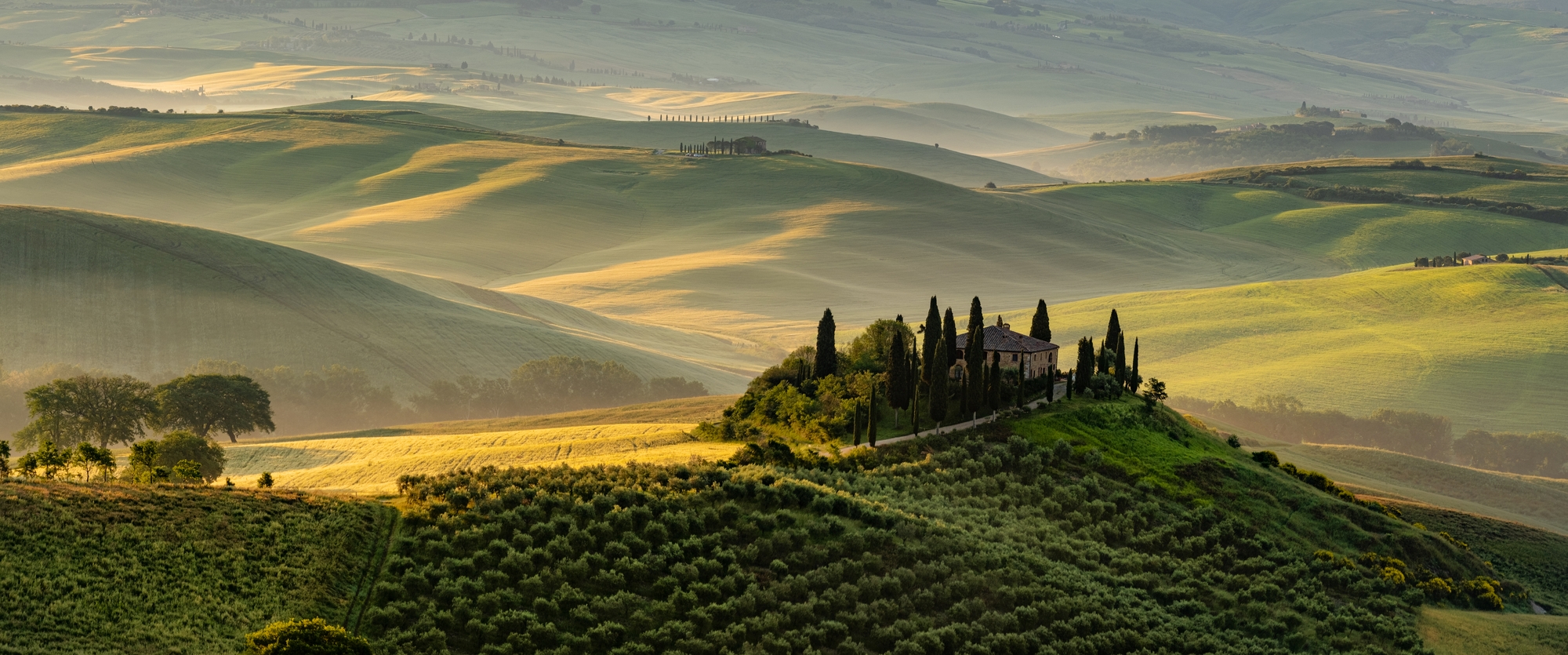
There is nothing better than a drive through the Tuscan landscape, if you can stop along the way to drink some wine, well that’s even better. The best way to fully explore the Chianti Classico wine region is to follow the Chiantigiana wine route, a road that passes through all the main wine-producing towns. Tuscany is a land of wine, lavish, green hills and medieval towns and castles, so these is a short list of places you cannot miss:
- Greve in Chianti, just outside of Florence.
- Castellina, where you will learn more about the mysterious Etruscan people.
- Fonterutoli, very close to Castellina but worth a visit if you are driving towards Siena.
- Radda in Chianti, capital city of the Lega del Chianti.
Chianti wine region and the Chianti Classico wine region are two leading wine-producing areas not just in Italy, but in the world, and that’s why we have a few more blogs and articles dedicated to them. Learn more, book your next wine experience and start your trip along the Chianti Classico wine trail.
Wineries to visit along the Chianti Classico Wine Trail
L’Agona Vini
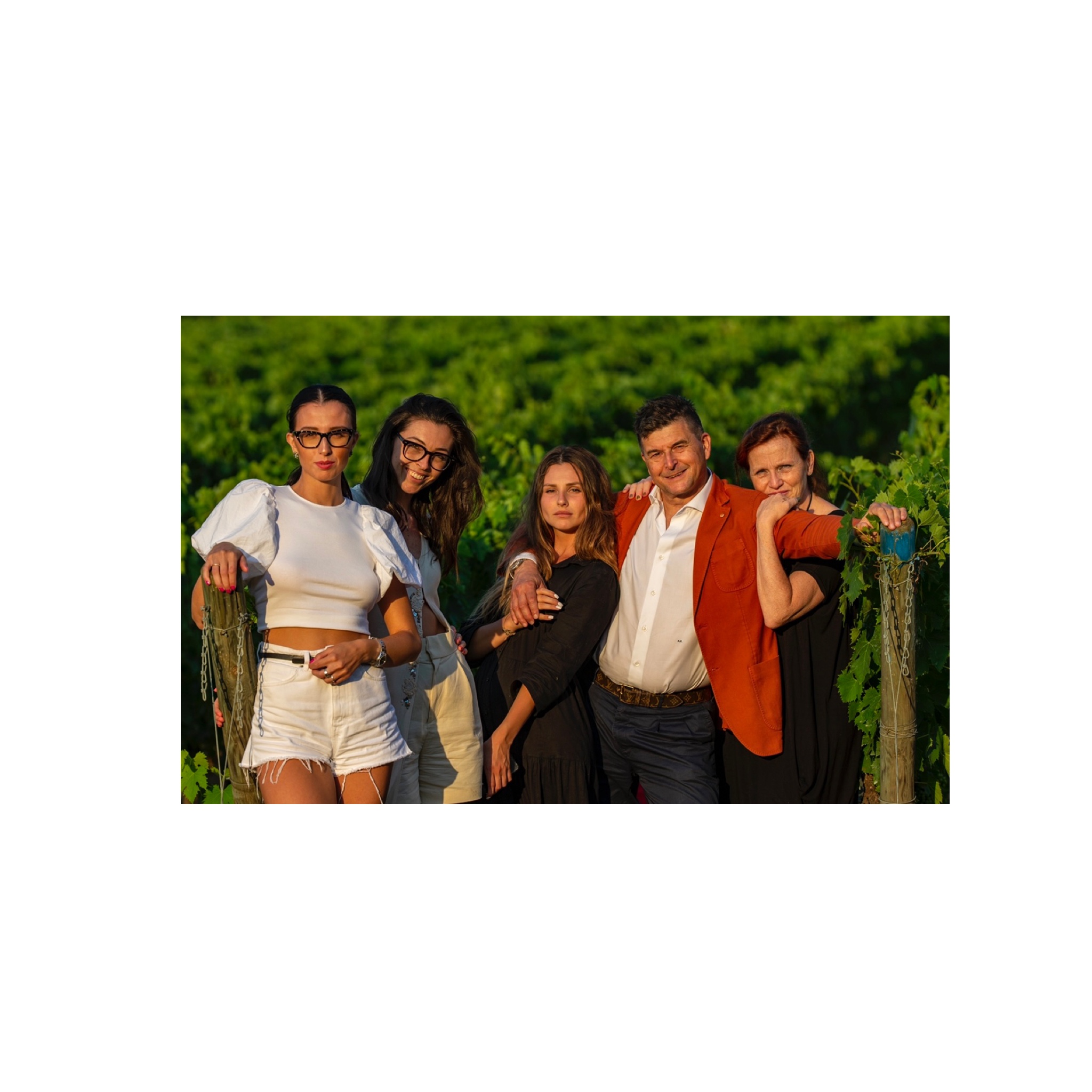
L'Agona is a real family business; starting from the name that stands for Lice, Giorgia, Olivia, Nicoletta and Andrea, to get to the people who work in the company.. only us!
We love to explain to people our history, we don't want you to only taste our wines, we want you to feel part of our family during your visit.
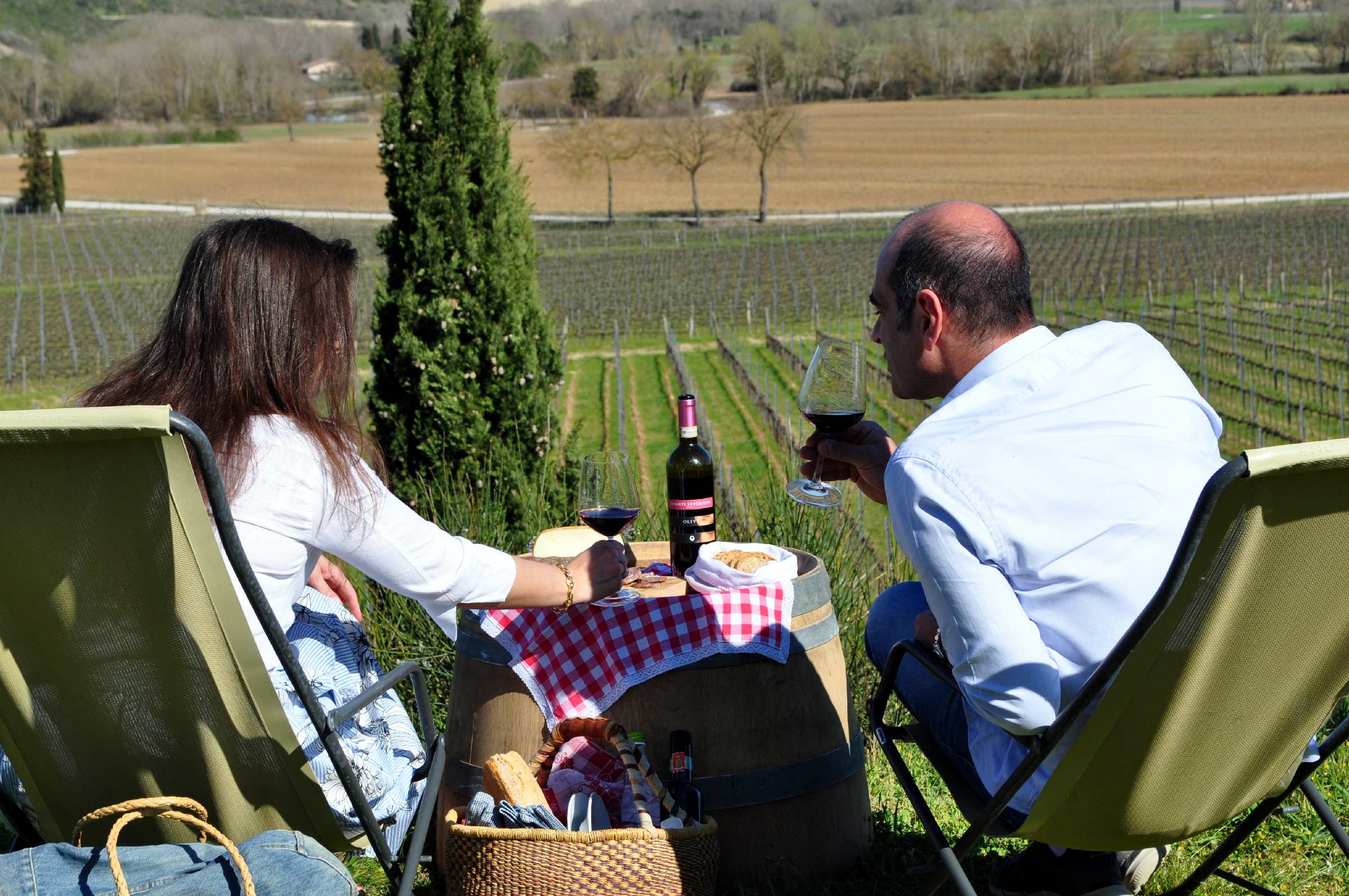
Olivi Le Buche
Best way to know our Winery is to live the experience in person, take our rhythms, get to know our faces, and taste our wines. Discover our tasting experiences and come to visit us. We offer different wine experiences, from the classic wine tasting to the picnic with a (vineyard) view.
Disover more wineries in Chianti
The Champagne wine trails
There are infinite possible wine routes to follow in the Champagne wine region to make the most of all the different wine experiences offered by champagne makers in the region. The land of the world’s most classy and elegant sparkling wine is the dream destination for most wine lovers, that can decide between five, or maybe more, different wine trails to follow. Each of the appellations of the Champagne wine region has its own wine route that connects enchanted French villages, gorgeous landscapes, and amazing wineries. Since the appellations are several and the place to visit, even more, we put together a quick list to help you plan your next wine adventure in the Champagne wine region.
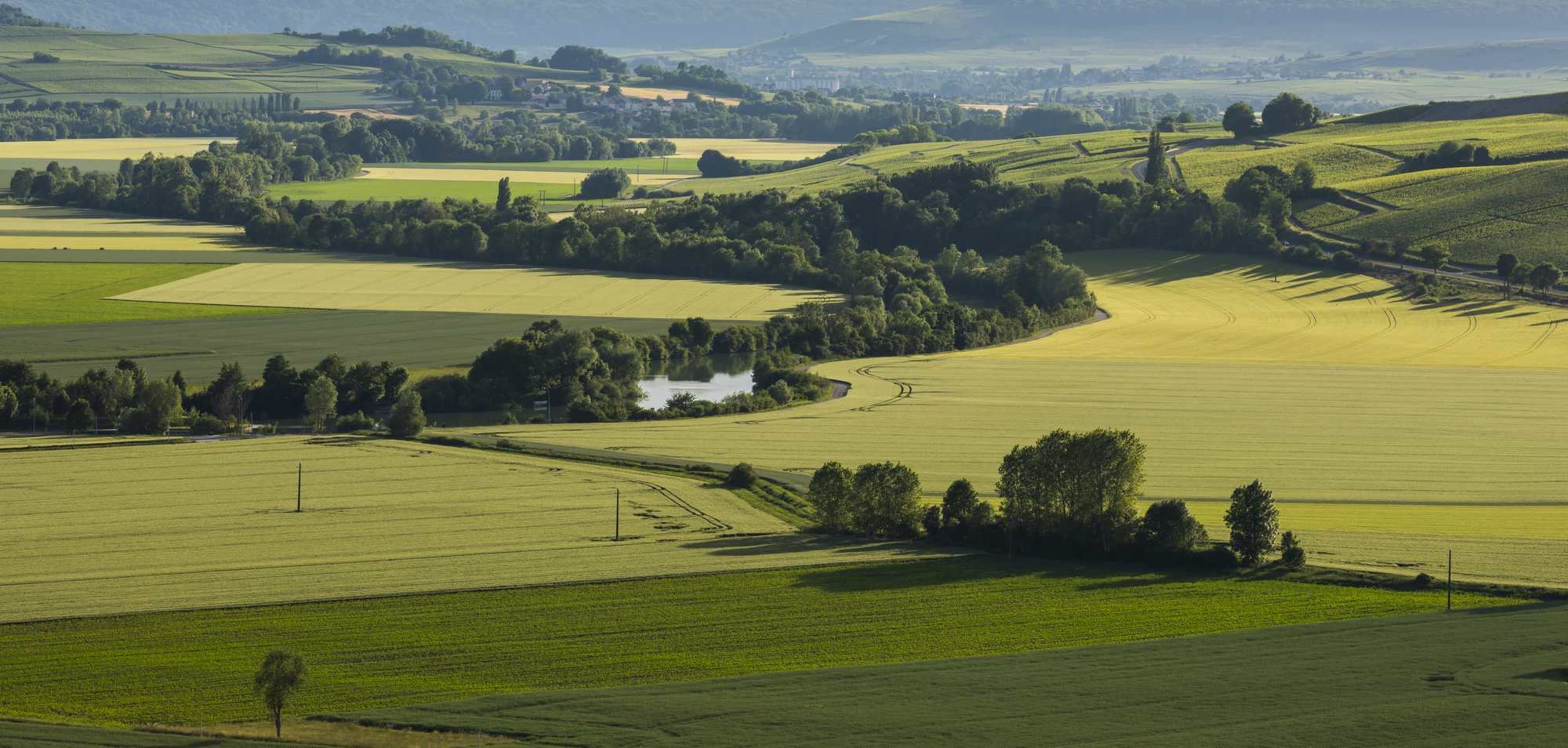
Montaigne de Reims
Probably one of the most iconic sections of the Champagne wine region, as the appellation spreads from the stunning city of Reims to the wine capital of Champagne, Epernay. The village of Verzy is another must-visit in here.
Vallée de la Marne
This area is full of incredible viewpoints and characterised by lavishes green hills. This is where Pinot Meunier grows at its best. Start your exploration of the Vallée de la Marne appellation from Epernay and drive towards Pierry.
Côte des Blancs
Côte des Blancs is the land of Chardonnay, and it spreads from Epernay, which is the real heart of the Champagne wine region and the starting point of several wine routes, to Vertus.
Wineries to visit along the Champagne Wine Trail
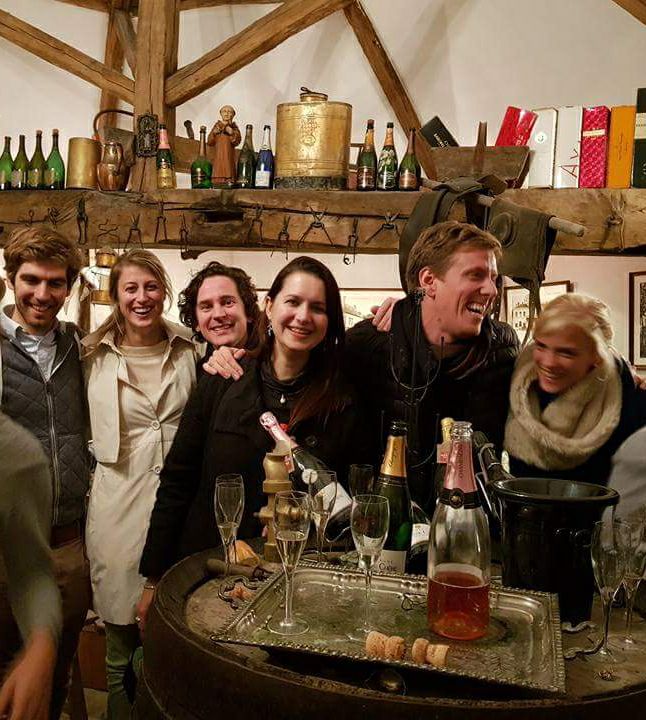
Champagne Etienne Chere
It is in the south of the Côte des Blancs, in Courjeonnet, a small village on the edge of the Saint Gond marshes in the Petit Morin hillsides, that the Chéré family farm extends.
Winegrowers from father to son since the end of the 19th century, the members of the family have passed on their passion for vines and wine with a constant concern for quality, respect, tradition, and environmental issues. Etienne Chéré began marketing his products in the early 1980s.
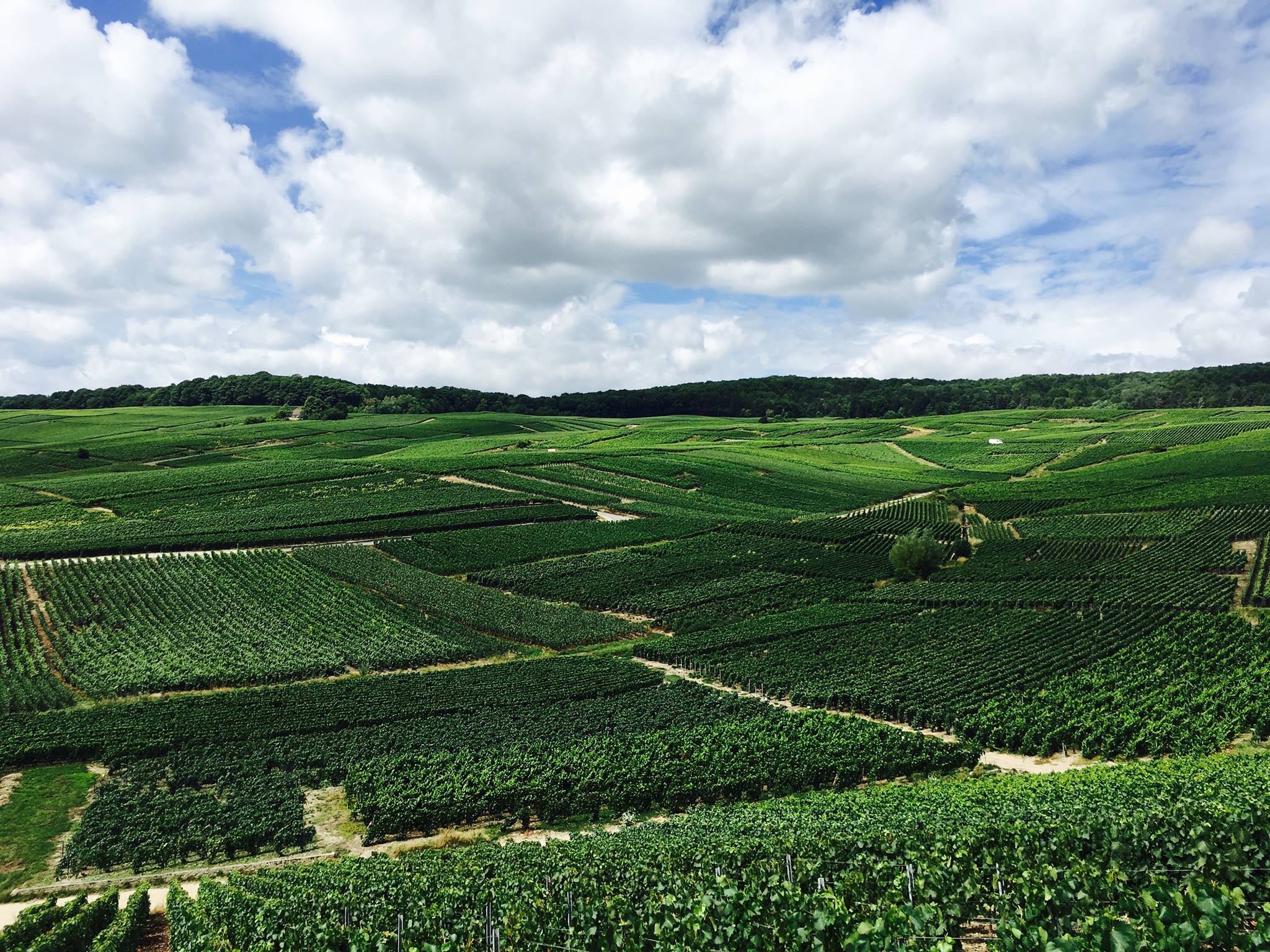
Champagne Ellner
The House of Ellner possesses about 50 hectares of vineyards, located across more than 15 villages in the Champagne region. The Ellner vineyards produce about 50% of the total grape crop. All the wines are fermented in stainless steel tanks to preserve fresh fruit flavors (only the Chardonnay blended into the vintage wines spends a few months in giant oak barrels between primary fermentation and bottling).
Champagne Louis Brochet
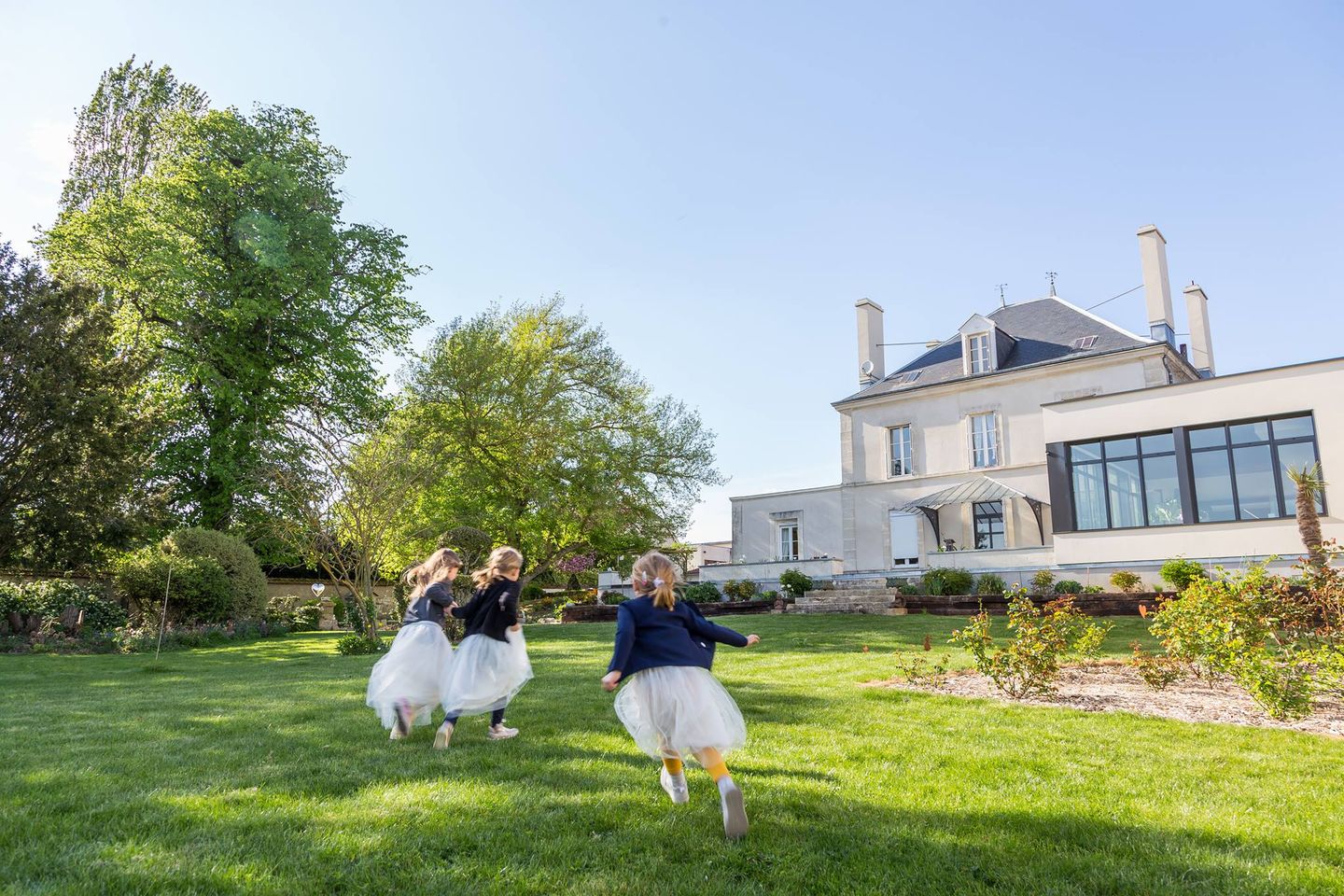
Nestled in the village of Ecueil, at the foot of the Montagne de Reims, Domaine Louis Brochet has been producing high-quality wines since the 19th century. The four generations of the Brochet family have perpetuated their passion for the vineyard and their meticulous work in the respect of the purest Champagne.
Discover more wineries in Champagne
Empordà wine route
The Empordà wine route is a wine trail located in the fascinating Catalonia wine region and it passes through a land devoted to wine and surrealism. The tourist board of Costa Brava and Girona have created this wine route to make wineries around the region and other places of interest more accessible and known.
The Empordà wine region occupies the north-eastern part of the Catalonia wine region and from the perspective of a wine maker, this region presents unique soil qualities thanks to the influence of the Pyrenees and the Mediterranean Sea.
The link between Empordà and surrealism is, of course, Spanish painter Salvador Dalì. He was born and bred in the town of Figueres, where he also died. Dalì loved wine as much as he loved painting, and as much as he loved the Empordà wine region, and even wrote a guide to drink wine, the Wines of Gala.
Wineries to visit along the Empordà wine route
Lavinyeta
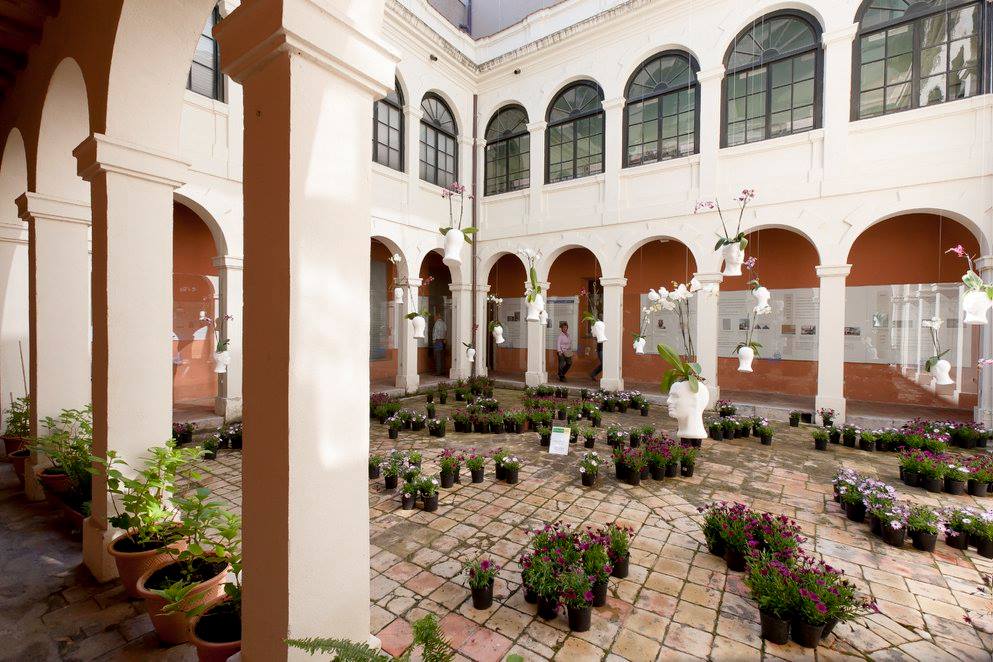
La Vinyeta is located in Mollet de Peralada in Spain’s Emporda region. The winery has recovered the model of traditional farming where the vines live in harmony with livestock and olive trees. Chickens feed on leftover grapes, sheep graze in the vineyards, and bees boost biodiversity and prove the success of the environmentally friendly methods here. Winemaking goes hand in hand with other products such as honey, eggs, olive oil, and cheese. It is a great place to relish winemaking along with the Mediterranean culture.
Celler Mas Geli
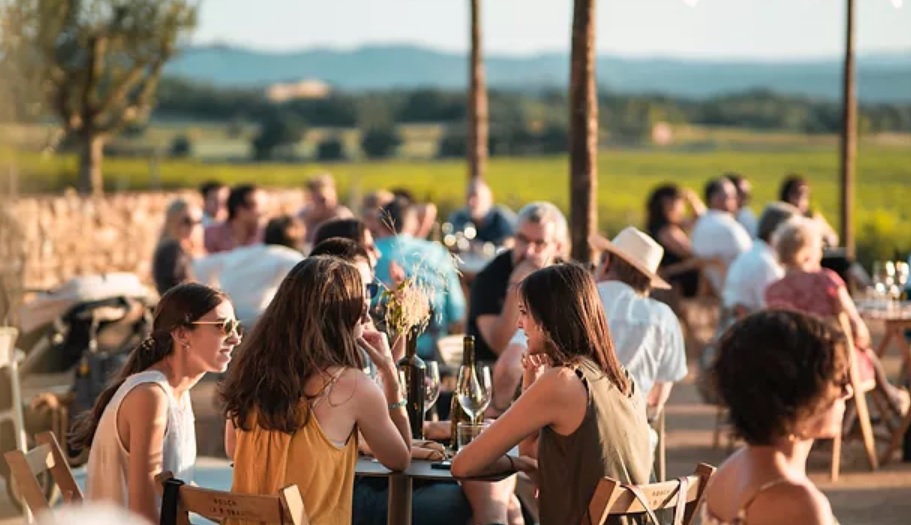
Mas Geli is a family project motivated by our thrill to elaborate a wine that expresses every essence of its original territory.
The vineyard is located in ' Els Masos de Pals', a privileged region surrounded by the rocky ranges of Begur and Montgrí. In turn, its sandy and limestone terroir, together with its proximity to the sea and the particular microclimate of the zone, bring out a unique personality in the wine that is produced.
To discover the main stops and what not to miss on the Empordà wine route, check our blog post dedicated to it and book your next wine tasting.
Mosel wine route
The Mosel river (or Moselle, depending on which side of it you are) is more than 550km long and it passes through three European countries: France, Luxembourg and Germany. Along its valley in all three countries, the river creates a very fertile and favourable terroir for the cultivation of grapes.
There are many amazing wineries that you can easily discover by driving along the Mosel Wine Route. Get ready to visit wineries with outstanding architecture, taste their incredible wines and learn more about the distinctive features of the Mosel Valley in France, Luxembourg and Germany.
The Mosel wine route passes through all the main cities touched by the Mosel River: Nancy and Metz in France, Koblenz and Trier in Germany and of course, Schengen in Luxembourg.
Wineries to visit along Via Mosel
Schlink Domaine Viticole
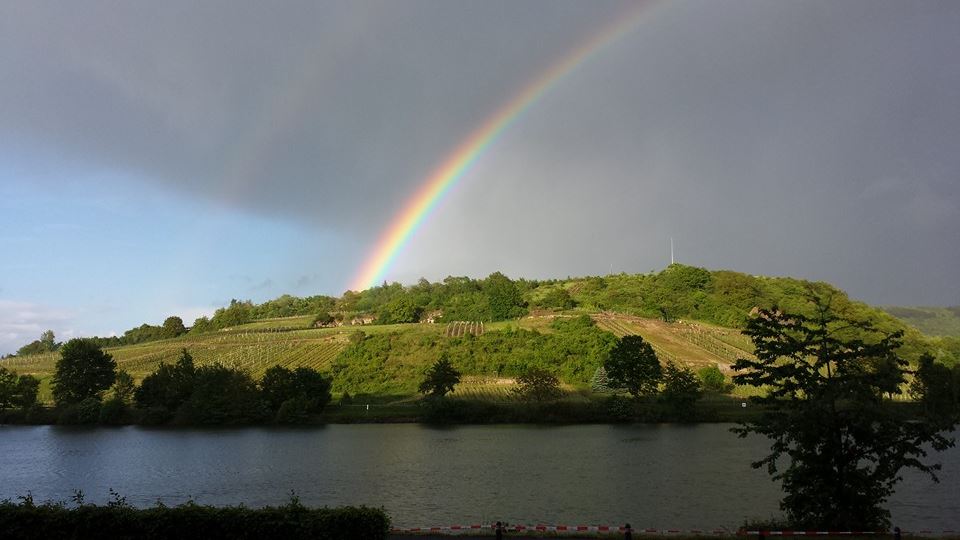
Schlink Domaine Viticole is located in the Luxembourg Moselle wine region. The winery is a family-owned business, founded in 1911. Now 4th generation is running it and will host you with a very friendly attitude. This place is very special; the tasting room and storage cellars are next to the rocks system and covered in the greenery environment.
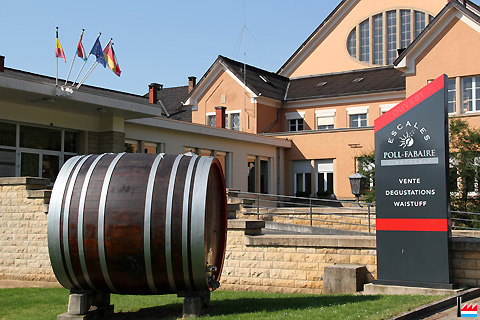
Caves de Wellenstein
The Wellenstein Winegrowers' Cellars were founded in 1930. Today, this site is the largest of the four sites of Domaines Vinsmoselle but above all the most significant in Luxembourg.
Domaines Vinsmoselle is Luxembourg's first wine and crémant producer. Since 1921, the wine grower's cooperative has been producing the finest wines which have been internationally rewarded in numerous competitions.
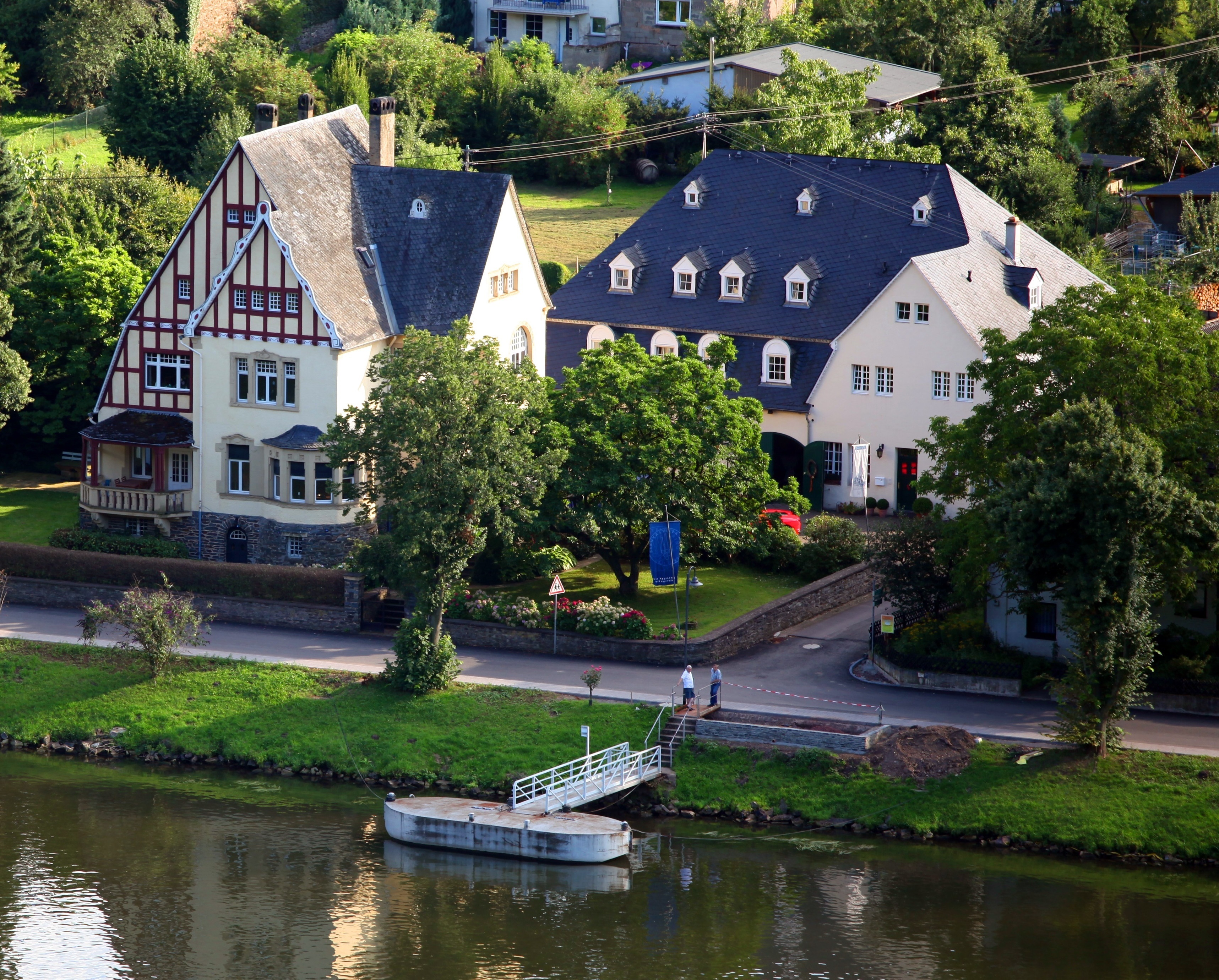
Weingut Kerpen
Located right at the banks of the Mosel, winery Kerpen has been run by the family for eight generations and it has been in family ownership for 250 years. Mosel is the world’s biggest Riesling producing region where the best effort is put forward to preserve the unique flavors of the region. The next generation of winemakers is already being groomed to keep up the family tradition of winemaking.
Learn more about the fascinating Mosel wine route by reading our blog entirely dedicated to it and to ViaMosel’s project to promote the wine route.


