
Free
·
4.9
·
13 reviews
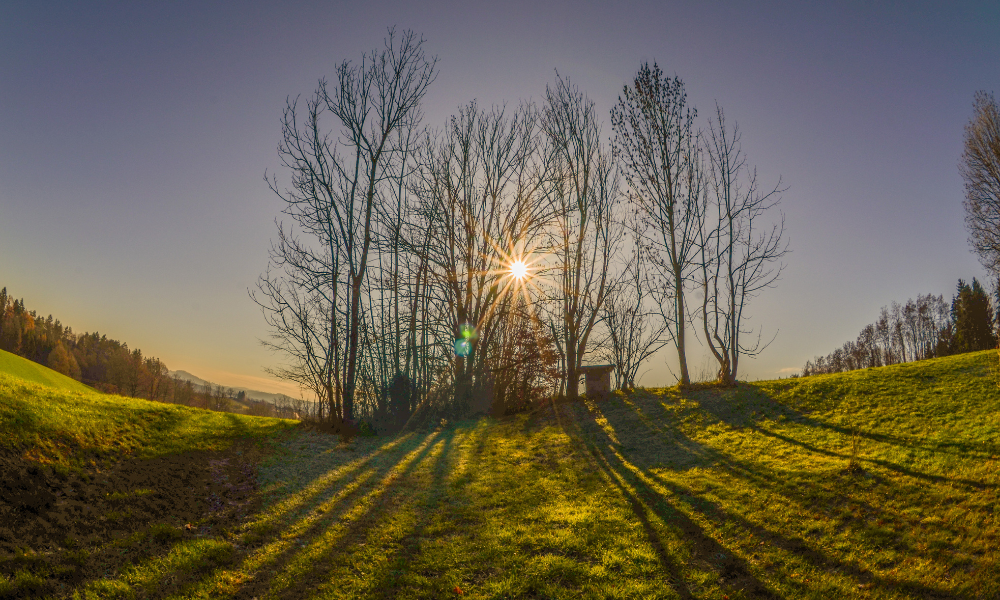
Sudsteiermark, located in the southern part of Styria, is an emerging wine tourism destination celebrated for its stunning landscapes and exceptional wines. This picturesque region offers a remarkable blend of indigenous grape varieties such as Sauvignon Blanc, Welschriesling, and Zweigelt, crafted in a range of styles from refreshing whites to elegant reds. With charming wineries dotting the scenic hills, visitors can indulge in exclusive tasting experiences and explore the rich culture of wine production in areas like Ehrenhausen, Gamlitz, and Kitzeck.
Styria is an Austrian wine region in southwestern Austria. It includes the city of Graz and stretches out towards the border with Slovenia. One of the unique features of this region is its cool Mediterranean climate, which means that wine production here is markedly different from the rest of Austria. The Südsteiermark Wine Region is full of many beautiful spots to explore. The vineyards, wineries, hiking trails, and castles in the region are a must-see for anyone visiting Austria.
Check out the best wine tastings and tours in Südsteiermark!
Until around 15 AD, the area that's now known as Southern Styria was a part of the ancient Celtic kingdom of Noricum. This Viking-like kingdom held on to its independence for quite some time. Amber Road, a wide and old road in Abermanli, is of particular economic importance. Cross-border archaeological excavations have revealed several sites near the borders of Slovenia. Not only are they dated back to this period, but they also seem to be unique in their history
This is an excerpt from a set of quotes about the ancient Roman city of Flavia Solva. The settlement was established in the Sulm valley on the border of Austria and Slovenia in 8 BC under Emperor Titus, who elevated it to city status during his reign.
An ancient settlement was known as Wagna once stood on the site of Wagna, Austria. It is now a thriving market town. In 2004, some foundations were uncovered in the city centre - you can view them today at the Styrian State Exhibition.
Not only is Southern Styria located in a climatic zone that's influenced by the Mediterranean Sea, but the climate here is also characterized by it. From Carinthia to Austria, this area has a great deal to offer when it comes to activities. The weather can be surprisingly mild and pleasant in autumn, especially in some areas of Austria's Northern countryside.
The summers in Styria are much warmer than they are in Leibnitz, which is also the capital city! The average temperature of January is usually at 0 °C while July's averages around 22 °C. As we entered the summer season, temperatures have jumped up to over 30 °C. These days, it is not uncommon for it to reach up to 40 °C. The effect of the seasons starts to be noticeable from early spring and continues towards late fall.
Steiermark has a wide variety of wines, with Sauvignon Blanc being one of their specialities. They also make wines from the Traminer grape family as well as a rosé made from Blauer Wildbacher grape and Schiclher wine. Other important varietals include Chardonnay, Welschriesling and Weissburgunder.
While there is a mix of whites and reds, the grapes that grow in Steiermark tend to produce more white wines. Pinot Noir, Saint-Laurent, and Zweigelt are all great red wines.
Austria's wine production spans a wide range of regions. Steiermark is one of them, producing around 7% of the national wine output and having most of their wines consumed in Austria.
The DAC regions of Weststeiermark, Südekraich, and Vulkanland have vineyards that makeup just over 4,600 hectares. So far more than 144 varieties of grapes have been discovered in the region. The terrain here is hilly, almost mountainous, and many of the vineyards are planted on steep slopes to take advantage of sunlight and the prevailing winds. The majority of vineyards in the Wachau region are planted on the sedimentary soils of the so-called Styrian Basin, formed from alpine sediment flowing towards the Pannonian basin below. The last few habitats are found on hard rock deposits or alluvial deposits that are much lower in the basin.
Check out the best wineries in Südsteiermark!
Just getting started on your wine journey, or jumping back in?
Look through our collection of great wineries
Displaying 1-9 of 9 wineries


Just getting started on your wine journey, or jumping back in?
Look through our collection of great wineries


Discover the locations of wineries in Südsteiermark
Join our newsletter now to receive our free guide on how to plan the perfect wine tour

