
“Champagne has no aim. There is only time when it is necessary to uncork the cork.”
Haruki Murakami
Sparkling wines have a universal appeal, crafted across diverse corners of the globe. Foremost regions include Champagne in France, home to the world-renowned wine that set the standard for sparkling wines. In Italy, Prosecco from Veneto, Franciacorta from Lombardy, and Asti from Piedmont are globally popular, along with the robust Lambrusco from Emilia and the remarkable Trento DOC. Spain contributes with its Cava, primarily produced in Catalonia, while in the New World, Napa Valley in the U.S. and Yarra Valley in Australia stand out with their quality sparkling wines. Each region imparts unique flavours and techniques, reflecting the sparkling wine's multifaceted appeal.
Here are five new sparkling wine destinations for a sparkling wine holiday this year, regardless of your preferred aesthetic.
1. Alsace - Crémant d'Alsace
When you have a thing for Champagne but your wallet doesn't, you should visit Alsace to experience a pleasant whisper of Cremant d'Alsace
France is a unique wine country. A wide range of special and distinct wines are produced here. Champagne is the first thing that springs to mind when we think of sparkling wine, but French winemakers have created more affordable Cremant as a result of their passion for sparkling wines.
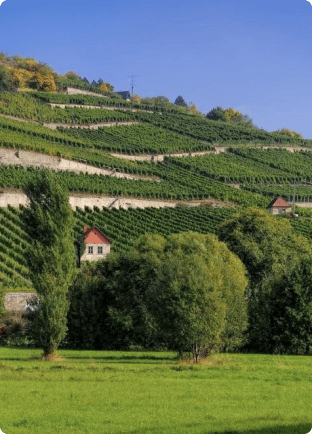
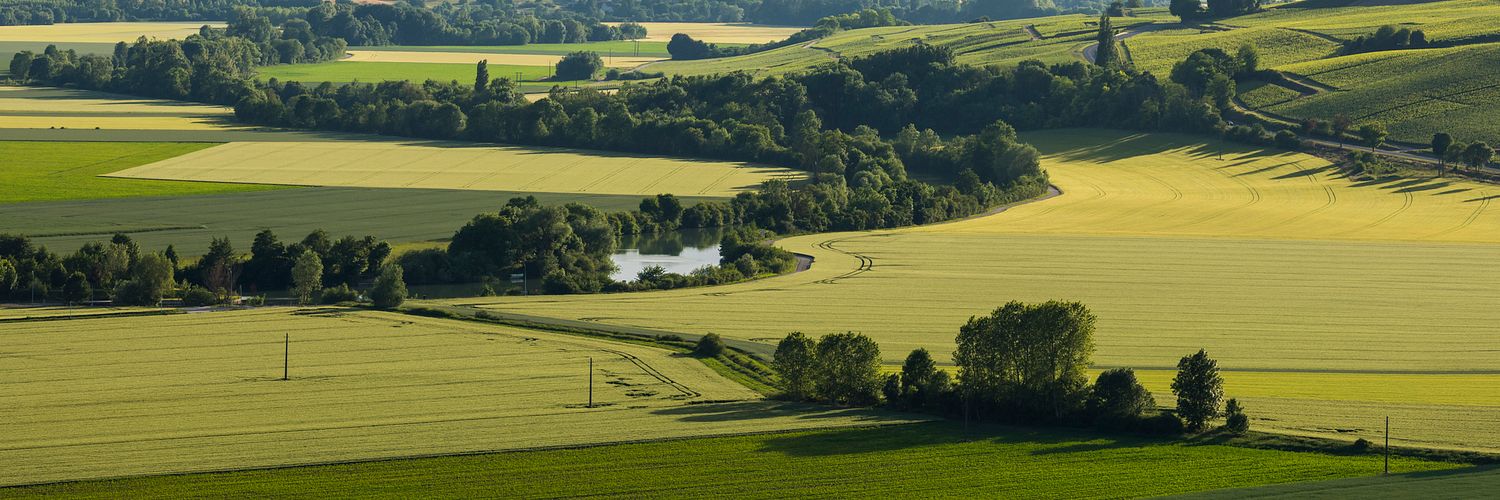
The Alsace area is located in the northeast of France, bordering the Rhine River. Alsace is an enticing stew of multicultural inherent in the region, as seen from its shore looking at the German province of Baden-Württemberg, which includes the famous Black Forest mountain range.
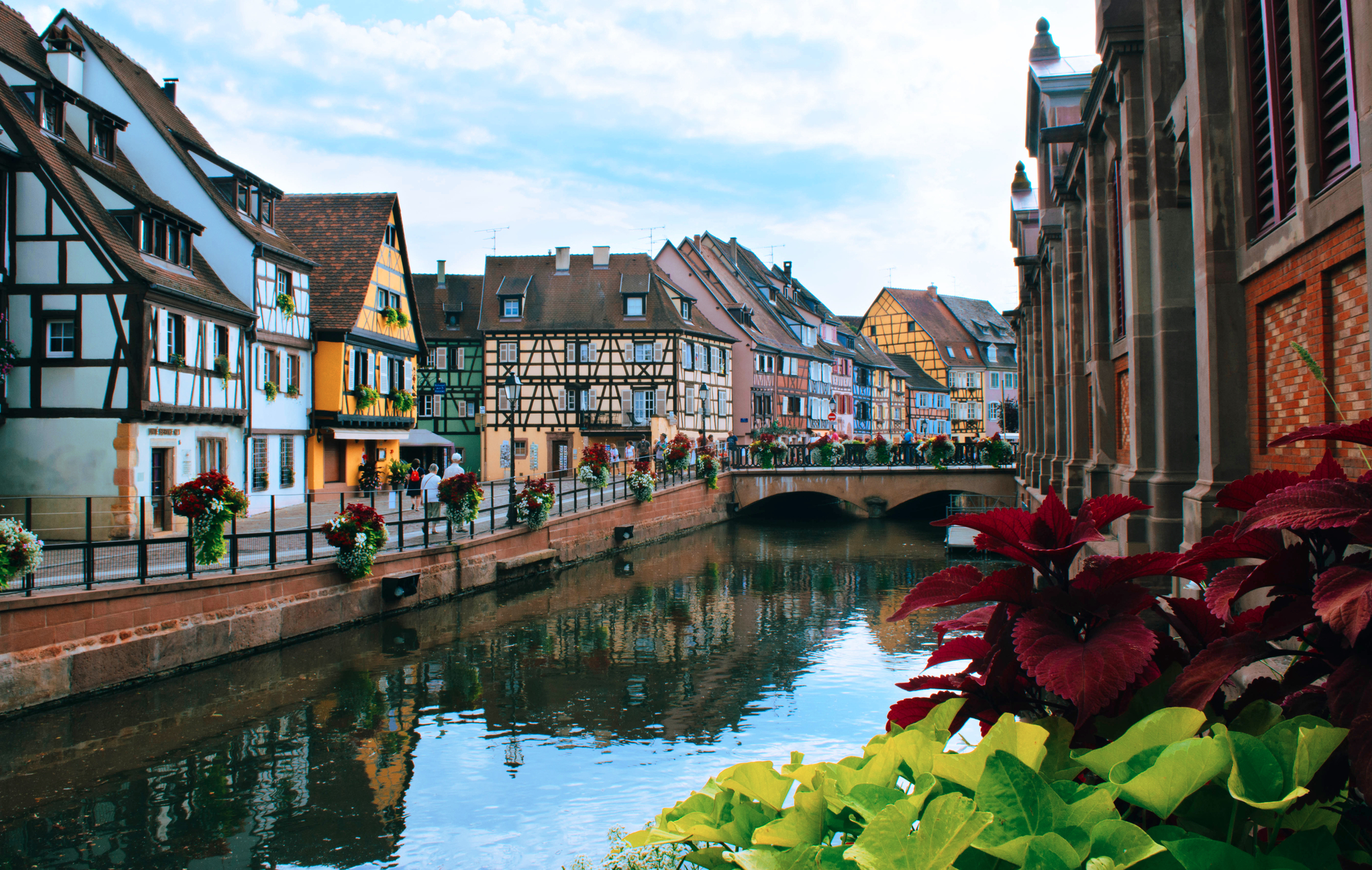
The region is an outstanding blend of the best of two cultures: France and Germany. The region offers an ideal compressed, slightly spectacular Europe, with its French appreciation of detail, flowers, and wine and its German half-timbered homes, hearty meals, beer, and wonderful Cremants.
What you should know about Crémant d'Alsace
The Crémant d'Alsace appellation was established in 1976, but local winemakers started producing sparkling wines using the classic (Champagne) method at the turn of the century. Today Alsatian Cremants are the best—selling among all Cremants in France, and they are presented in a variety of styles - starting with classic and pink brutes without specifying the year and ending with vintage Blanc de Noirs with long aging on a yeast lee. Many people know Alsace by its unique quiet wines, but everything suggests that it's time to discover Alsace from a new, sparkling side!
Crémant d’Alsace usually comes from a harmonious blend of several varietals, each of which contributes to the subtle balance of the whole.
Wineries where you can taste Crémant d'Alsace
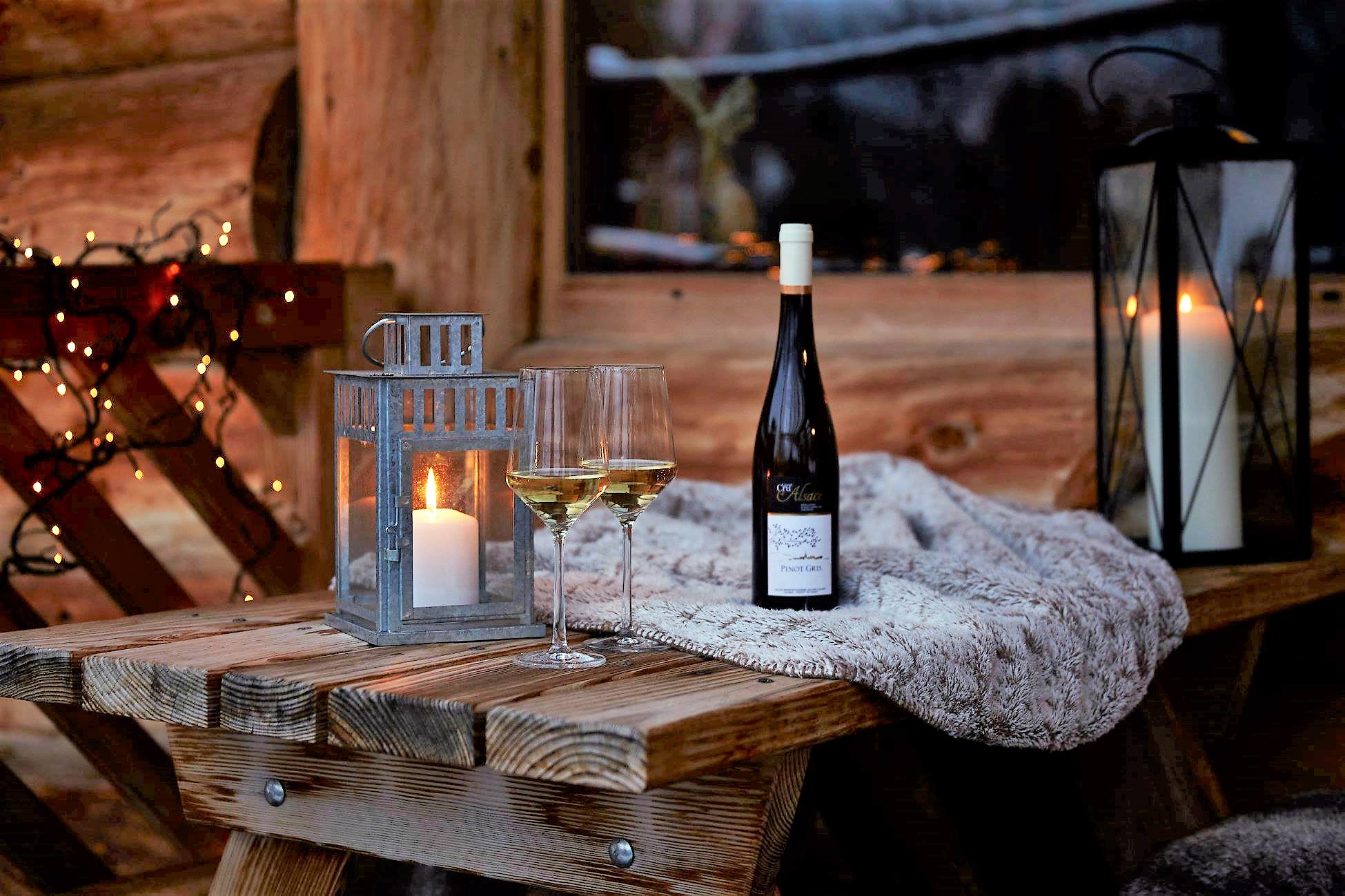
Domaine Maurice Schueller
If you are willing to discover the traditional aspect of the Alsatian vineyard, you have found the right place! The team of the Schueller wine estate produces a wide range of Alsatian wines, from still wins to sparkling, and even digestive!
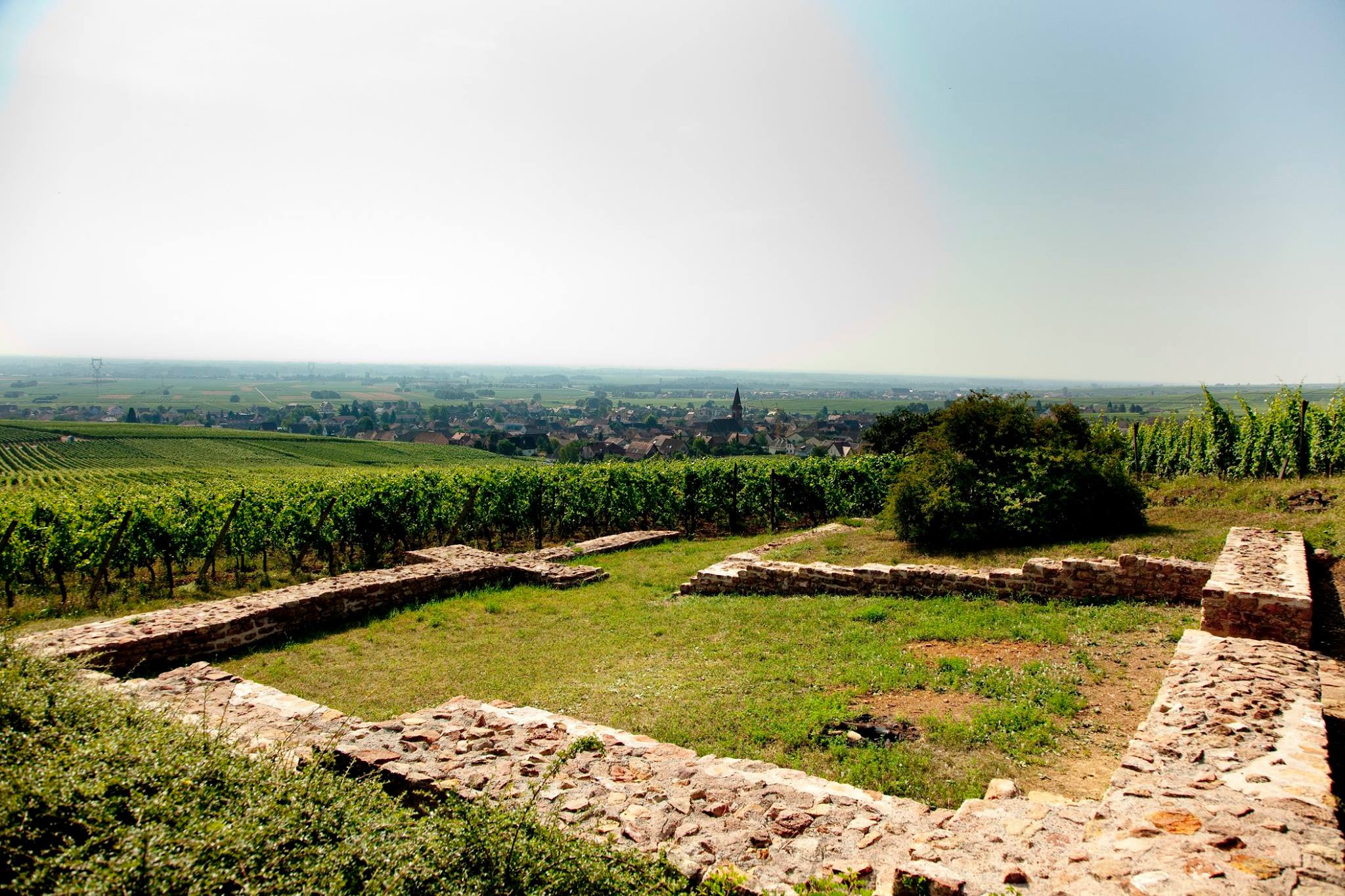
Domaine Aimé Stentz
Domaine Aimé Stentz is located in the heart of Alsace and extends over 28 acres of land. The Stentz family runs the winery operation putting into practice their passion and knowledge of wine. Marc manages the vineyard and promotes the production of organic wine at the estate with great success.
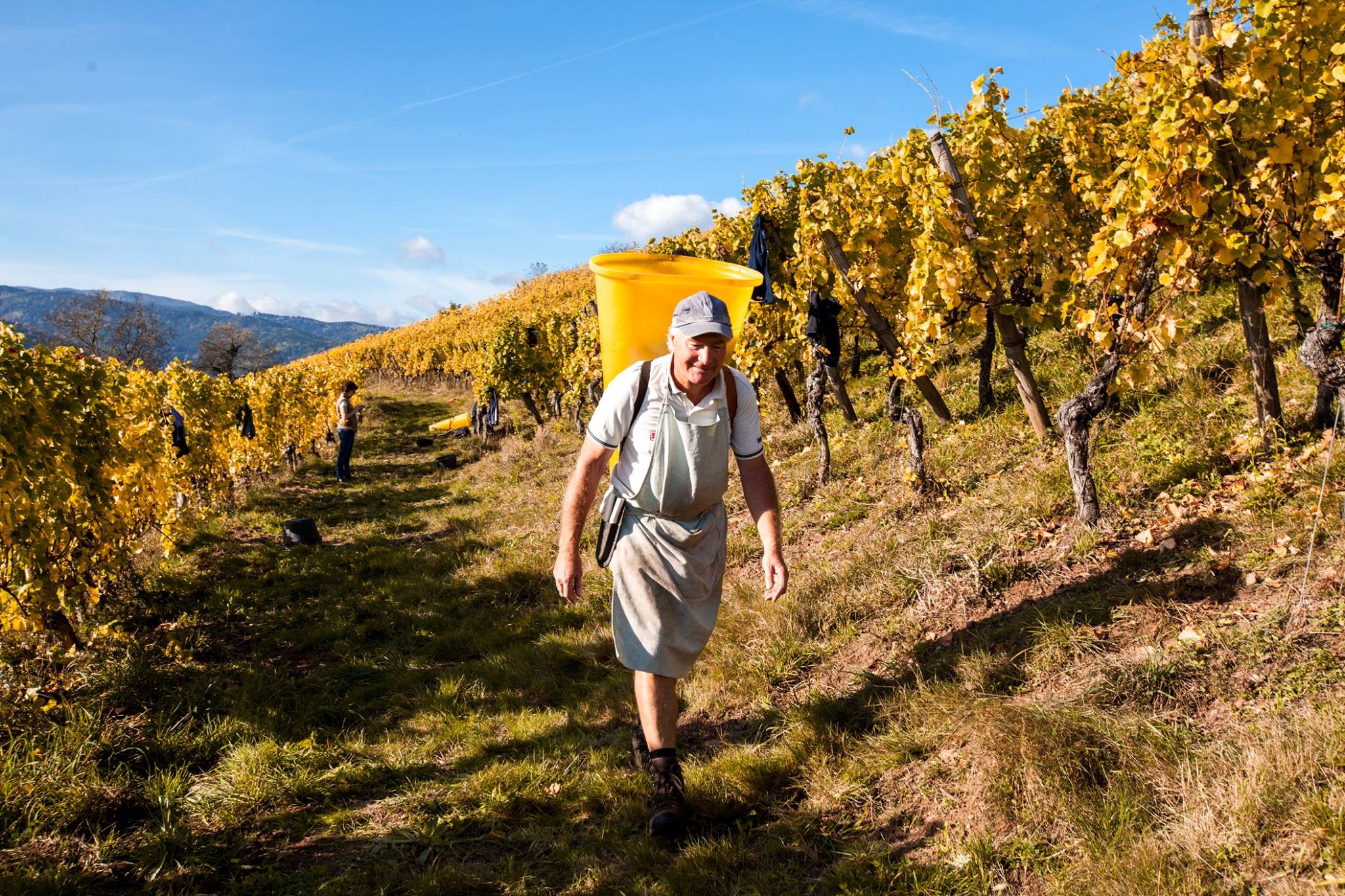
Vins Schoenheitz
Following in the footsteps of his father, Henri Schoenheitz puts his heart and soul into his Munster Valley vineyard (Vins Schoenheitz) and started to take care of his own winery. There has been a vineyard here for a long time but it has special challenges.
2. Take a "Sparkling" journey through the lands of Franciacorta
Italy is famed for its effervescent prosecco wine, which you've undoubtedly heard of and possibly tried. When we talk about the Franciacorta, there is a lot more to explore. Prosecco and Franciacorta are two very different sparkling wines made using separate techniques. In terms of grape types, the closest "cousin" of Champagne is the Italian Franciacorta from Lombardy. It is made in the traditional manner from Chardonnay and Pinot Nero varietals (Italian Pinot Noir), but instead of Pinot Meunier in the Pinot Blanc varietal composition. Lombardy's soils are likewise similar to Champagne's terroir. As a result, a ten-year-old vintage Franciacorta is frequently confused with Champagne in blind tastings.

Franciacorta is a northern Italian region near Milan famed for its wonderful sparkling wine. It is located in gorgeous lake Iseo and the lively historical city of Brescia. Although many visitors come to Franciacorta to sample its sparkling wines, this region is also a great alternative to the more popular tourist destinations nearby, with fewer crowds and restaurants with a rustic local feel. There is also plenty to do for those who do not want to visit the cellars, such as horseback riding and boating or learning how to make fresh pasta. It is preferable to travel to the area in a rental car since it is so vast. To fully appreciate the views, stay at a hotel or vacation rental on the shores of Lake Iseo.
Moreover, Franciacorta boasts breathtaking sunsets and beautifully clean air – Italian Champagne falls in love with itself from the first drink.
Wineries to visit in Franciacorta
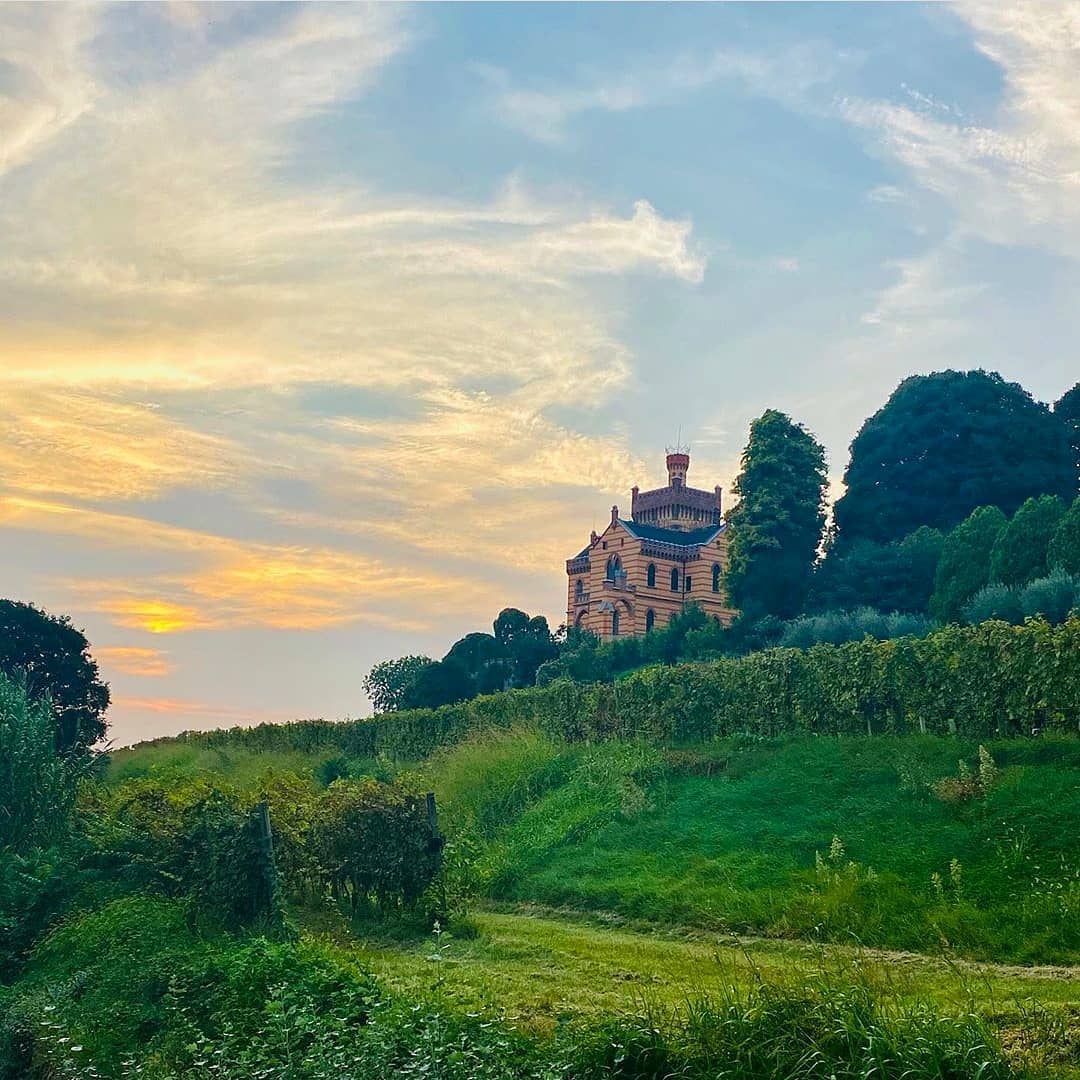
Castello Bonomi
Take a wine tasting of Franciacorta wines and a guided estate tour at the Castello Bonomi. The tour includes a guided tour of the aging cellars (the castle cannot be visited as it is private property), followed by an aperitif (platter of cold cuts and cheeses and other appetizers) with a tasting of bottles chosen by you.
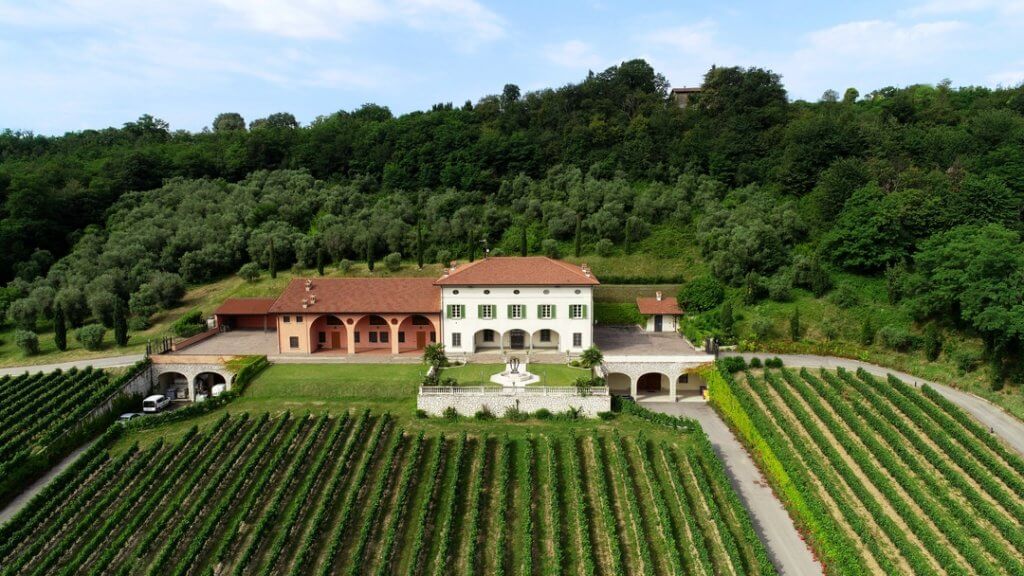
Cantina Lovera
Cantina Lovera is located in Franciacorta, Italy, a beautiful winery overlooking a well-tended vineyard and nestled in green rolling hills on the western end of Iseo Lake. The microclimate of the region is well suited to growing the Chardonnay and Pinot vines that line the 25-hectare vineyard.
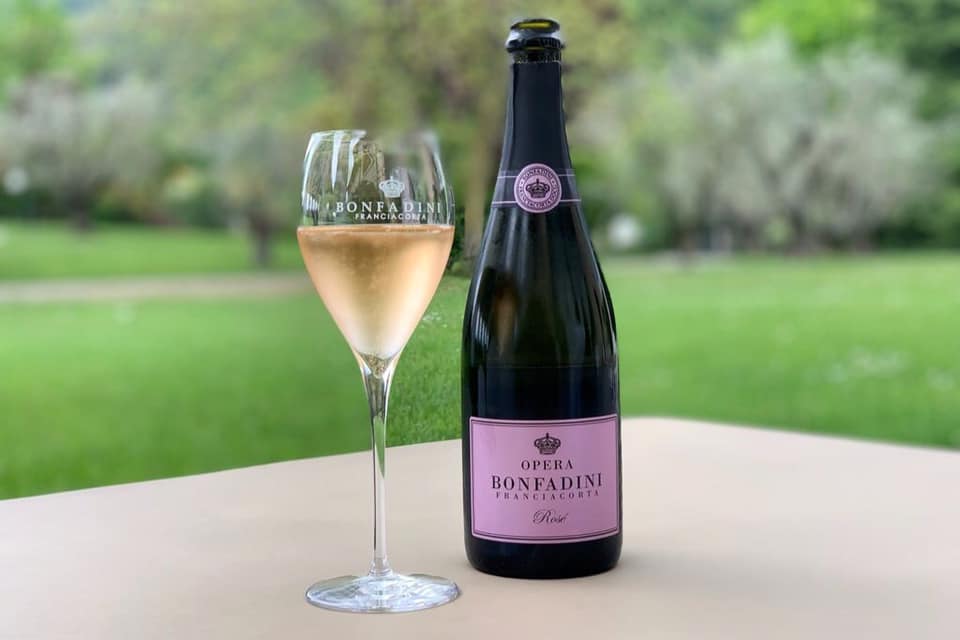
Bonfadini Franciacorta
The history of Azienda Agricola Bonfadini dates back to 1956 when Giovanni, the grandfather of the current owner, founded the company. Giovanni, who had always been a farmer in Franciacorta, wanted to cultivate grapes on his own land and make a living for his family.
3. DOC Bairrada - Espumante is the answer!
Espumante is Portugal's analog of sparkling wine that can be produced all throughout the country, but only in the DOC Bairrada can be found the best ones. Although other grape varieties are occasionally used, Arinto is the most popular grape because of its high acidity. Using Bical and Arinto, Marques de Marialva Cuvee Brut is a Traditional Method of sparkling wine that has a creamy perlage with flavors of toasty citrus.
Sparkling wine production in the Bairrada wine region has received praise on a national and international scale. These sparkling wines undergo bottle fermentation. Classic white grapes are used to make Bairrada sparkling wines. Occasionally, new white grape cultivars like Chardonnay, Baga, or Maria Gomes are introduced. The sparkling wines taste more floral thanks to the extra grapes.
Recently, certain Bairrada sparkling wine producers have started to create red sparkling wines. These are a fantastic new addition to try when visiting Bairrada and are growing in popularity.
Wineries to visit in Bairrada
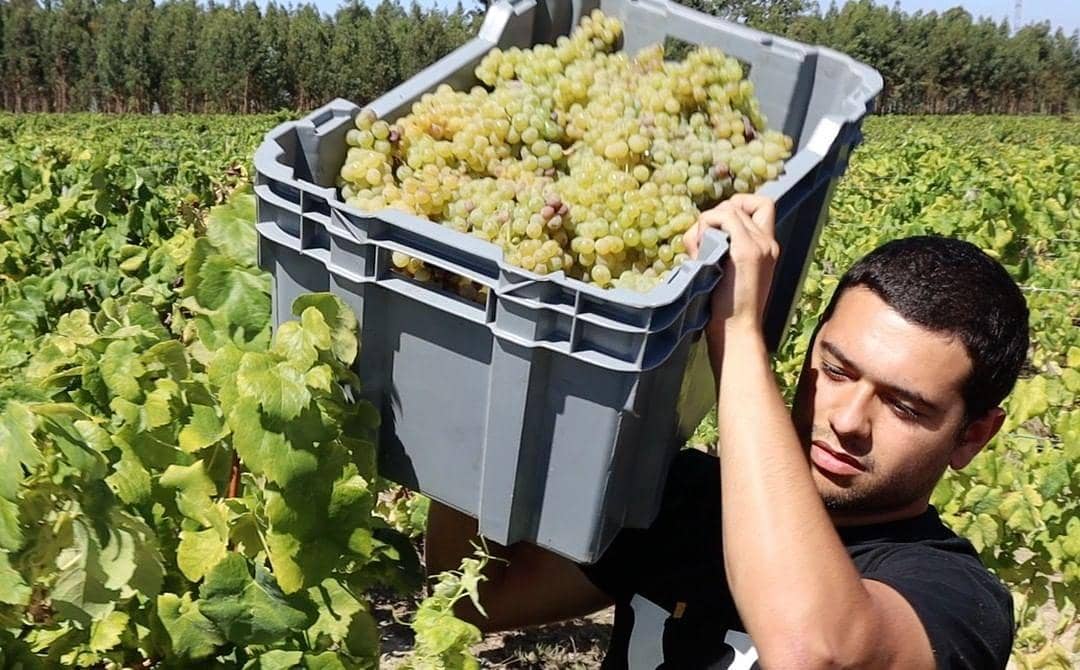
Quinta Das Bágeiras
The Quinta Das Bágeiras winery is located in Fogueira in Sangalhos, Portugal. The team at Quinta Das Bágeiras strives to produce wines that are filled with quality and character. The approach that the winemakers take in making their wines is extremely minimalistic, leaving the process to be as natural as possible so that the wines can convey the characteristics of the terroir from which they come.
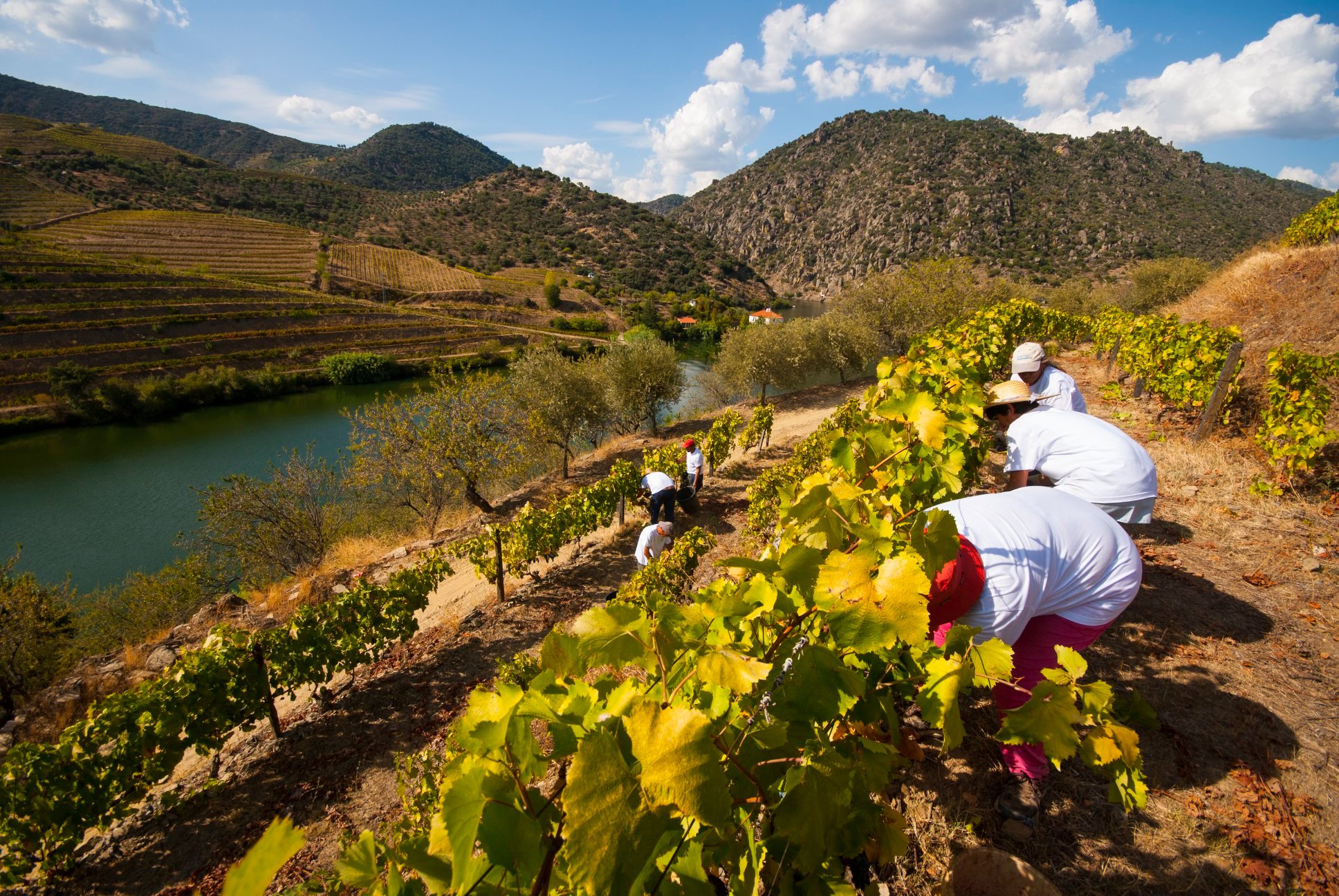
Messias
Messias Ferreira Baptista was born on 22 November 1891 in a town in the central region of Portugal, Mealhada. After a long history carried on by the founder Messias Baptista, his family continues to perpetuate a family legacy by continuing to produce wine and expand the vineyard.
In 1999, more than 20 hectares were purchased in the heart of the Dao region, in the province of Beira Alta, in the Central Region of Portugal.
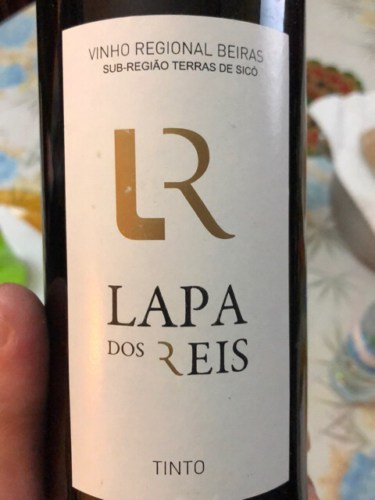
Lapa Dos Reis
The Lapa dos Reis winery is in the wine business since the 19th century, and their oldest vineyards show the cultural evolution and the influence of the early French invasions. It’s the face of the familial initiative that, through five generations, has selected new grape varieties and improved of the processes of creating their estate wines.
4. The Cape South Coast - Cap Classique
Rising Star In Sparkling Wine World
Not only does Europe produce excellent sparkling wine; but the New World also has numerous possibilities. South African sparkling wine, sometimes wrongly referred to as "African champagne," is best known for wines created using the Cap Classique method (abbreviation MCC) - this is how the original champagne process (secondary fermentation in each individual bottle) is referred to in South Africa. The traditional process of producing sparkling wine on the Cape South Coast has been dubbed "Method Cap Classique." Grapes for this wine are typically produced in cool places along the shore or at the foot of the mountains. The types include Pinot Noir and Chardonnay, as well as Chenin Blanc, which is popular in South Africa.
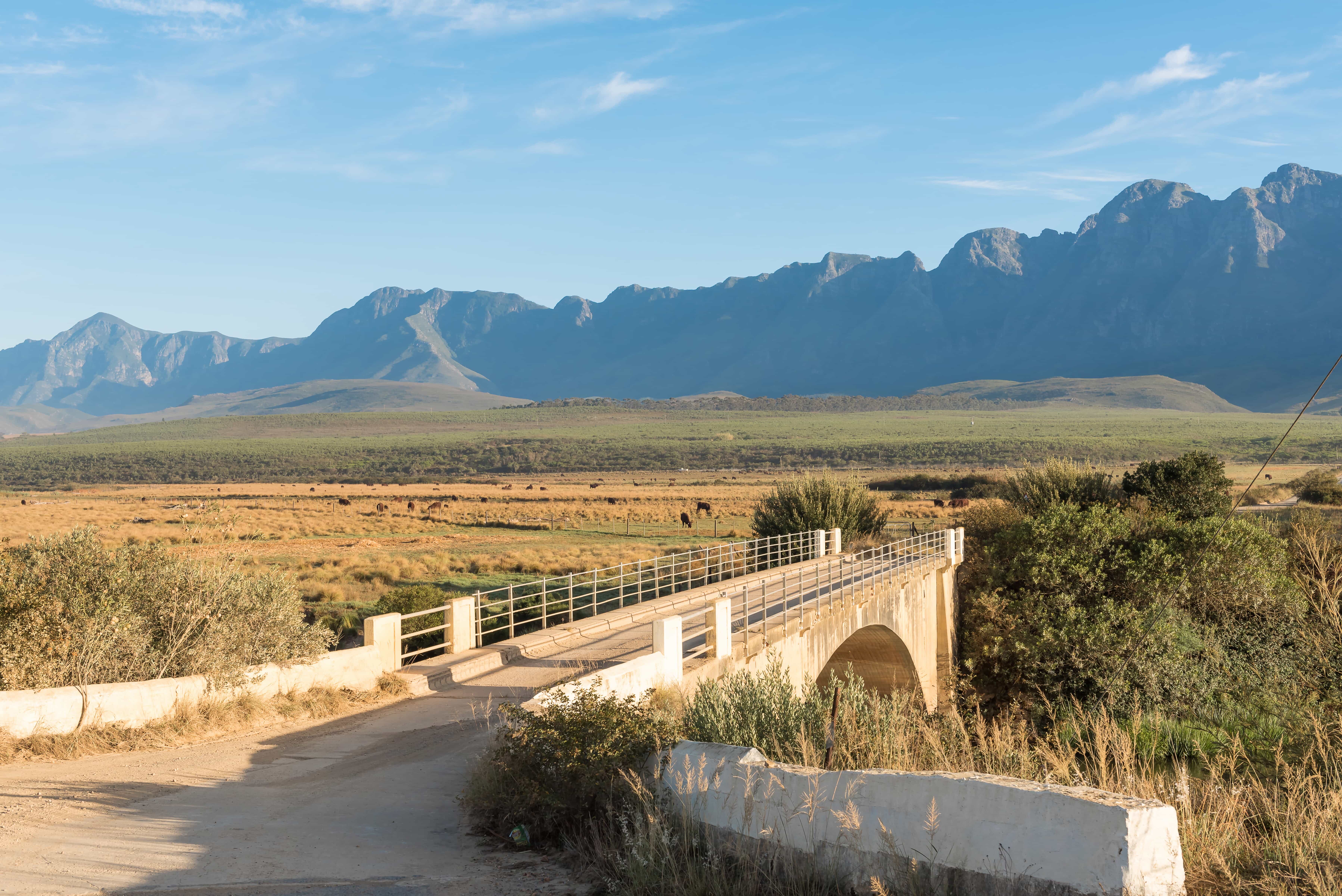
The Cape South Coast is one of the world's most stunning wine areas. This wine region is located at the southernmost tip of Africa, where the Indian and Atlantic oceans converge. The Cape South Coast is a relatively new wine region, but it has developed tremendously in popularity and production due to its ideal mild temperature for wine producing.
It is home to a number of emerging destinations as well as lesser-known hidden gems. Breakfast Bay, a secluded spot on the Vermont Nature Reserve's boundary; Davies Pool in Onrus; the Marine Tidal Pool, which is carefully tucked away beneath the famous Marine Hotel in Hermanus with perfect views stretching over Walker Bay; and Lovers Cove on Grotto Beach; Piet se Bos - a miraculous fairy garden that extends all the way to the beach. To capture the ideal shot and create priceless memories, visit these locations.
Wineries to visit in Cape South Coast
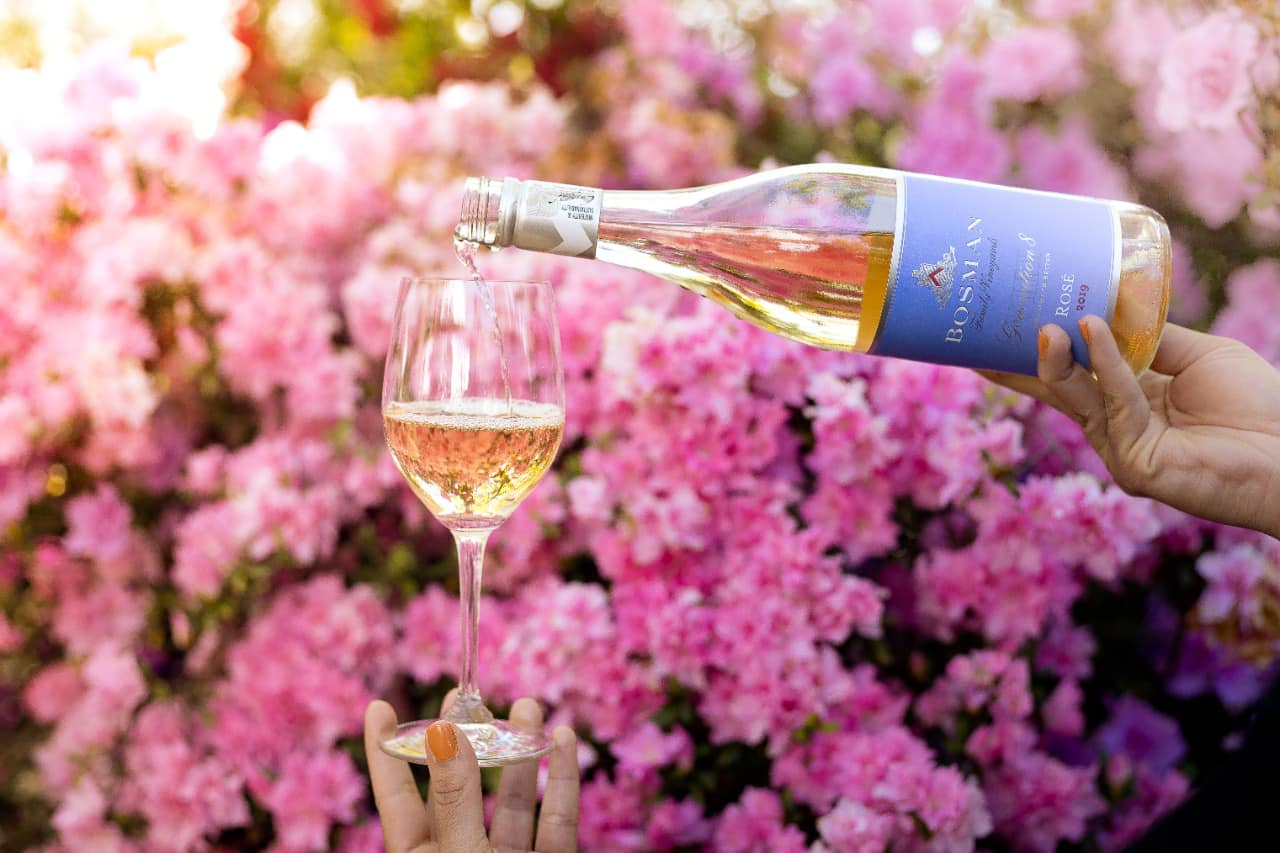
Bosman Family Vineyards
An 8-generation long vineyard dedicated to the betterment of vines and vine nurseries as well as grape farmers further improving wine production. Bosman family vineyard treats its vineyard as heritage with faith, hope, and love. The family has been practicing ethical and practical winemaking through grafting and growing of harvest tended with great care.
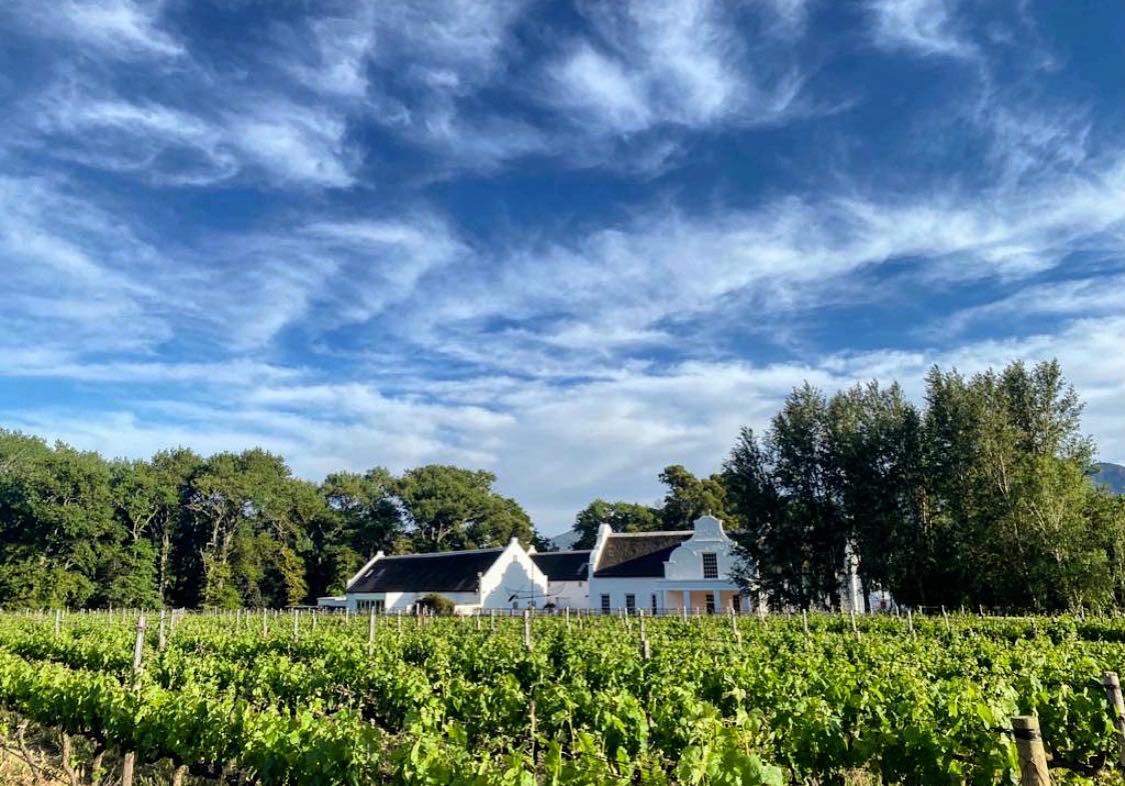
Holden Manz Wine Estate
The winery’s history dates back to the 1990s when Gerard Holden and Migo Man set out with a clear goal in mind: to make exceptional wines from noble grape varietals. They assisted in the selection of Franschhoek, Western Cape, South Africa, based on their extensive travels to various wine areas throughout the world and the knowledge gained over the years.

Strandveld Vineyards
Just 9 km from the sea, between Elim and Cape Agulhas, lies the Strandveld Vineyards, the most southern winery in the whole content of Africa. It was in 2001 that a group of passionate wine lovers found this particular land to be of interest.
5. Sparkles of Tasmania, Australia. Calm and Gorgeous Paradise of Australia
Cooler regions of Australia, like Margaret River and Tasmania, produce beautiful Sparkling Wines in traditional styles. Blanc de Blancs Brut is an Australian sparkling wine made entirely of Chardonnay using the Champenois method. It has a creamy mousse texture, subtle floral scents, and flavors of lemon curd and apple peels.
The chilly climate of Tasmania has made it an ideal place for the production of sparkling wine. Several of Australia's best-known sparkling wine producers have built production facilities on the island to make their Cuvée bases. These Cuvées are subsequently transported to the main facilities of the mainland winery. Even French Champagne producers, such as Moet et Chandon, have recently acknowledged the outstanding quality of Tasmanian sparkling wines and begun using Tasmanian grapes in the development of their own line of Australian sparkling wines.
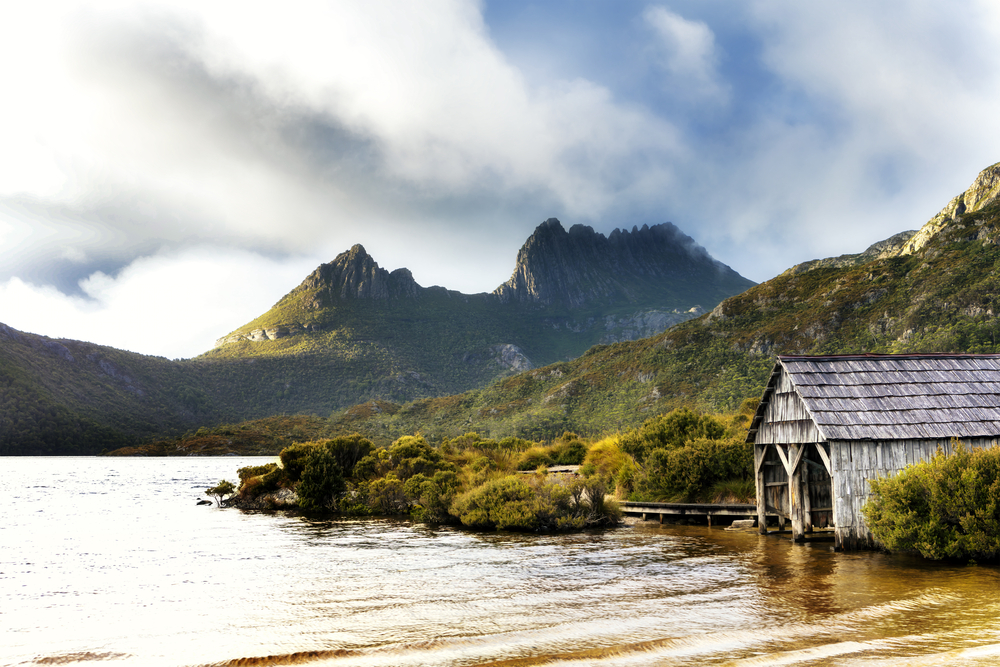
By far the most appealing aspect of Tasmania is its breathtaking natural beauty and dramatic terrain. The island's environment ranges from steep and rocky mountain cliffs to ancient rainforests, roaring waterfalls, and long white sandy beaches. In recent years, Tasmania has established itself as the leading gastronomic destination in the Southern Hemisphere. The fertile soil, native farming traditions, and quantity of high-quality fish contribute to the region's wonderful cuisine. Although outstanding cuisine and restaurants can be found throughout Tasmania, Hobart has emerged as the state's food capital.
Wineries to visit in Tasmania
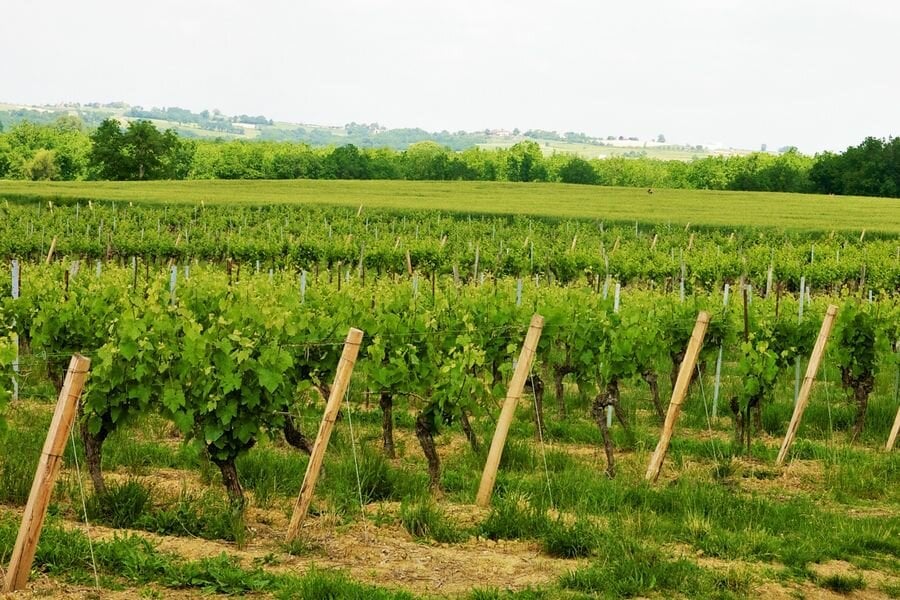
Grey Sands Vineyard
Grey Sands Vineyard is a small, family-owned, winery located on the western edge of the Tamar Valley in northern Tasmania. The name Grey Sands reflects its logo, soil type, brand, and their philosophy. Bob and Rita started planting in their garden and vineyards as early as 1988.
Grey Sands Vineyard takes advantage of the soils in their vineyards planting several varieties for a range of flavors and aromas.
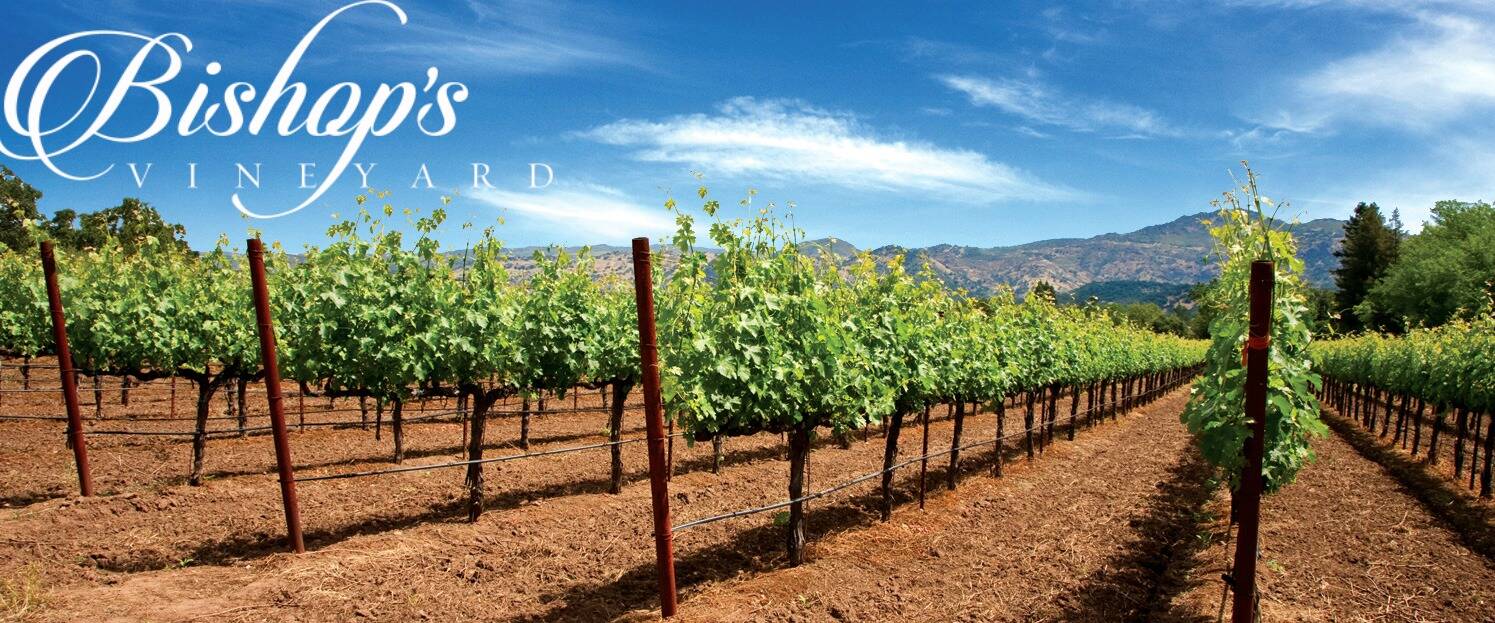
Bishops Vineyard
The Bishops Vineyard is a small boutique winery at the southern end of Meehan Range and in the proximity of the Coal River Valley in Southern Tasmania. The family is well-experienced in winemaking and understands that work done in the vineyards is vital for the production of natural, premium wines with a distinct taste. Phil Bishop, the owner of the family wine company, was the first person to plant Pinot Noir and Chardonnay vines here in 1999.
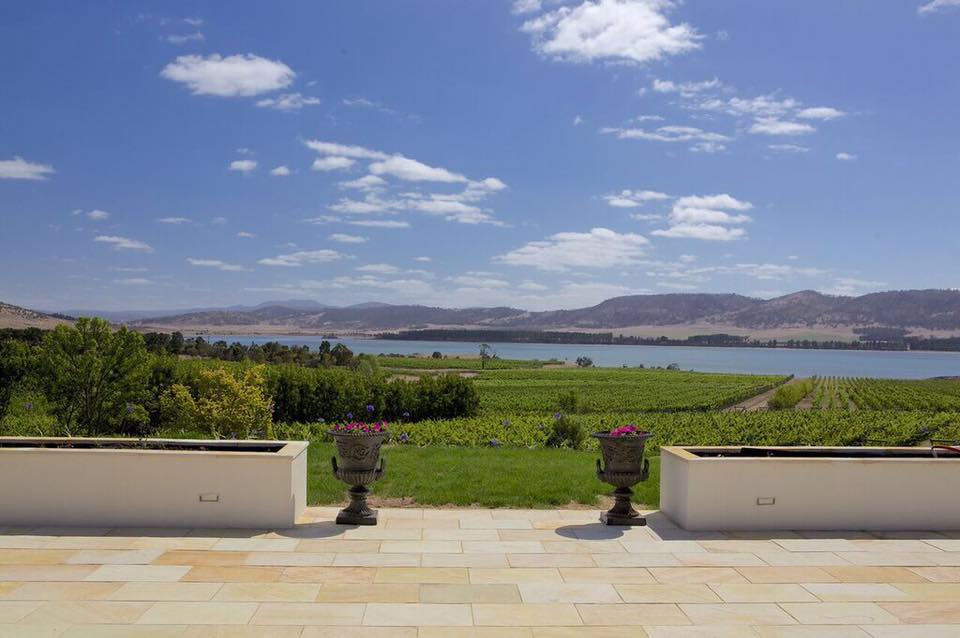
Riversdale Estate
The Riversdale Estate generations of the family making have been producing highly acclaimed wines for three generations. In addition to the vineyards and estates, passion, meticulous work, skills, and dedication have been preserved here. Winemakers of the estate meticulously follow a sustainable way of winemaking to provide top-quality wines while also expressing their responsibility to protect the environment.